MALKY GOLDMAN
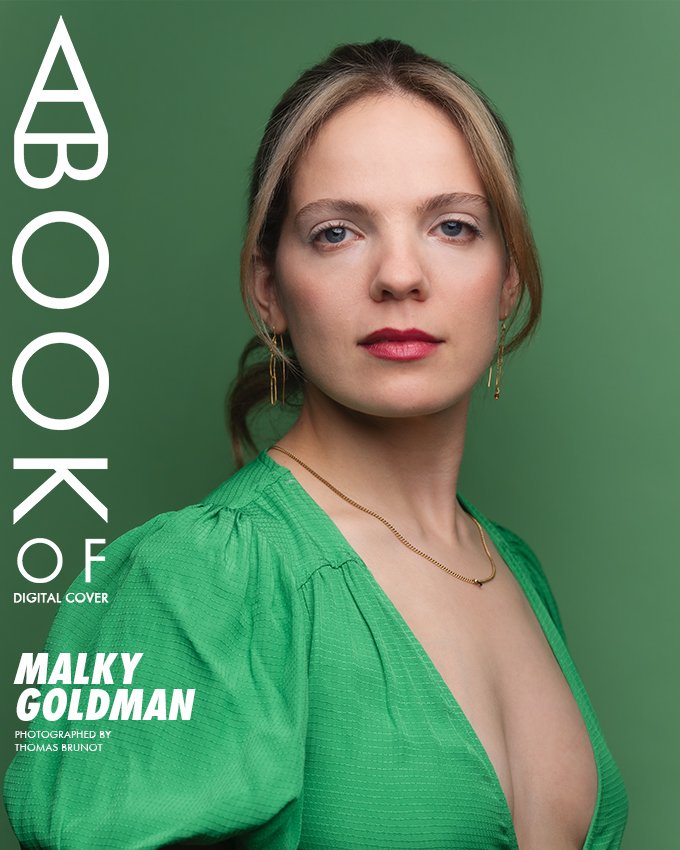
PHOTOGRAPHER: THOMAS BRUNOT
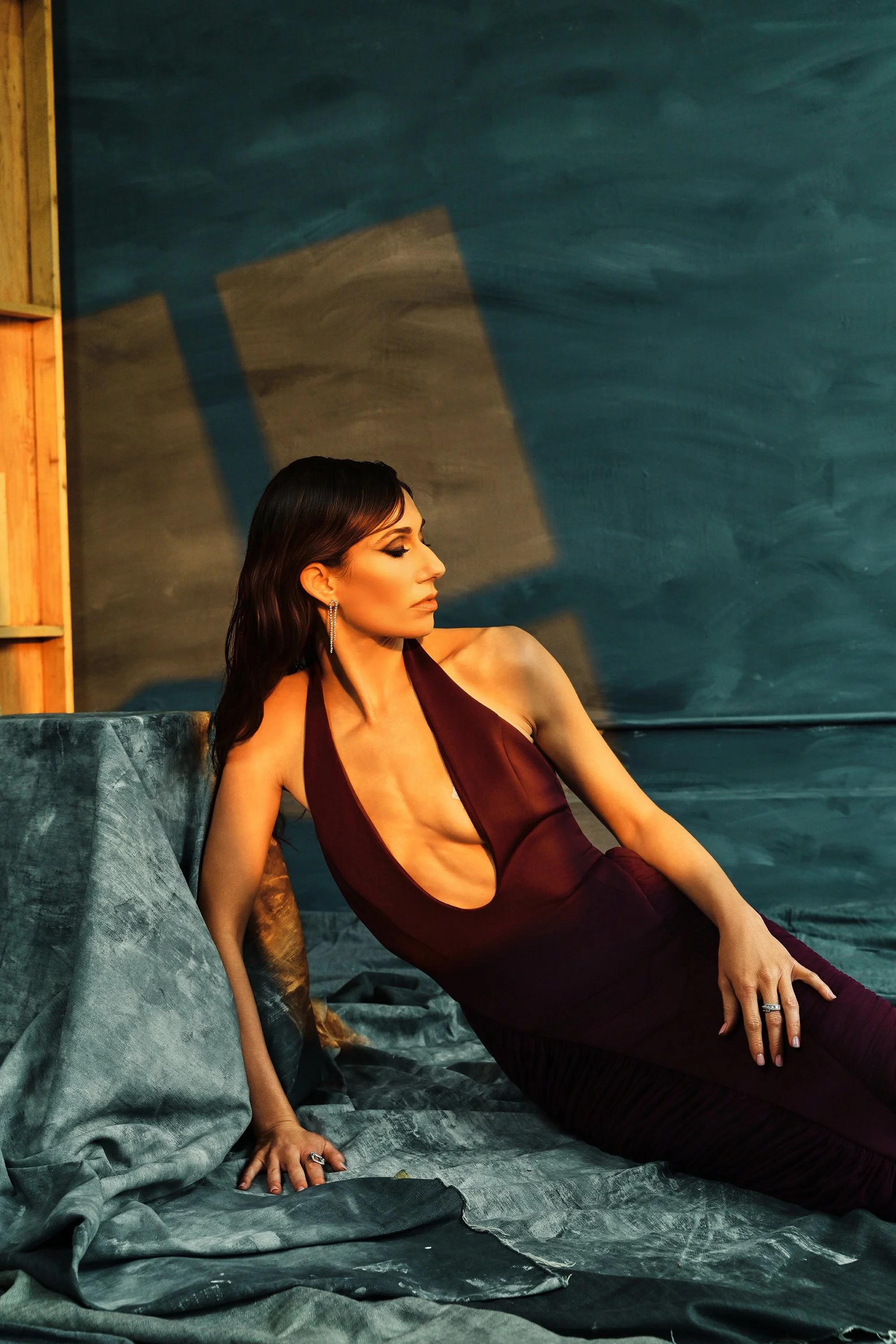
MALKY GOLDMAN knows the power of a woman who does not need to be the loudest person in the room. In The Wedding Entertainer, directed by Gidi Dar and starring Shuli Rand, Elon Gold, Tal Friedman, Tzofit Grant, and Goldman as Sarah-Leah, a wedding becomes more than a celebration. It becomes a stage for pride, money, memory, family pressure, and the kind of private longing that sits quietly under public joy. For Goldman, Sarah-Leah is not a symbol, not a lesson, and not a neatly packaged portrait of tradition or rebellion. She is a woman with a pulse, a history, and what Goldman calls “a quiet power.” As she puts it, “The noise around her never distracted her.”
Born and raised in Jerusalem before building a creative life in New York, Goldman brings a rare kind of lived texture to every frame. She remembers walking those same streets as a young girl in traditional clothing, wondering how big the world was outside her neighborhood. Years later, she returned to those streets by choice, as an artist, in costume again, but this time inside a story she helped carry. In conversation, Goldman is thoughtful without being precious, funny without reaching for the joke, and deeply attuned to the language of silence, faith, movement, painting, and self-determination. Her life, she says, is not one neat story, but “a collection of short stories,” and somewhere between Hebrew, Yiddish, English, memory, and reinvention, she offers the line that lingers long after the wedding music fades: “Sometimes all a person needs is permission to be themselves.”
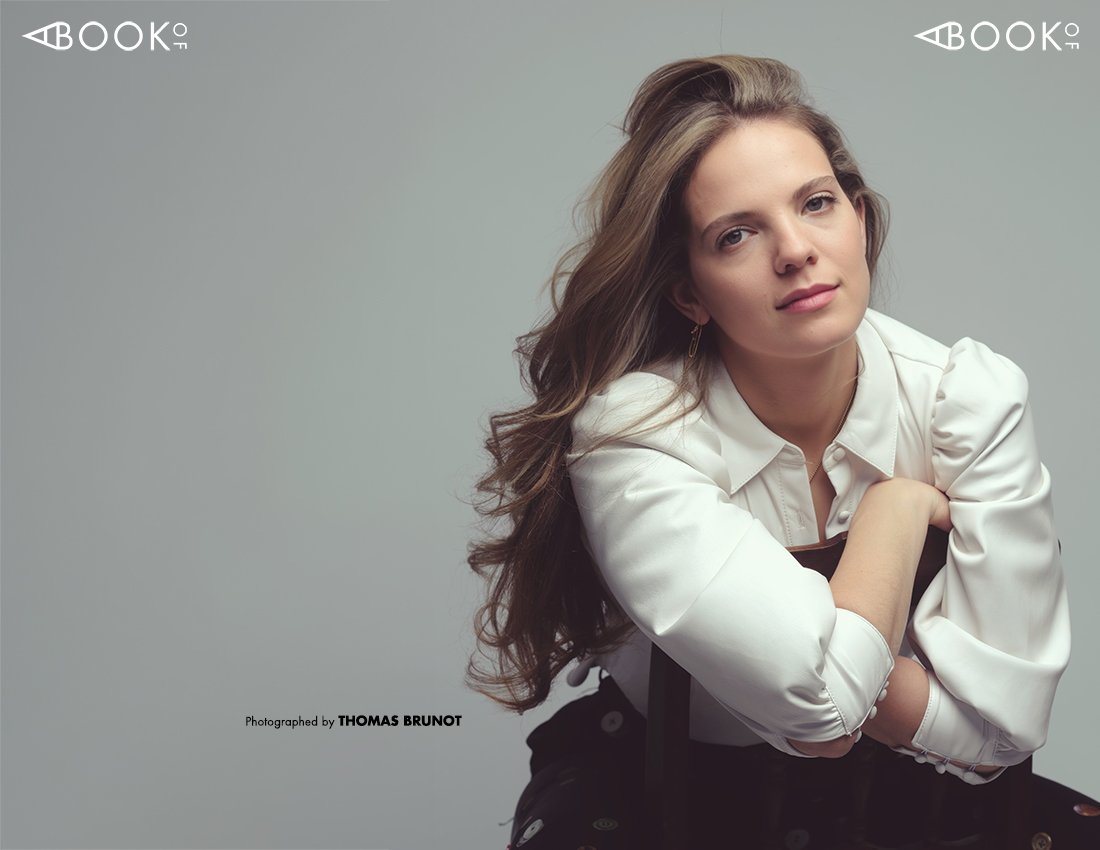
In The Wedding Entertainer, Sarah-Leah is the daughter whose future becomes the reason Moishe returns to a world of performance, pride, money, memory, and chaos. How did you find her inner life when so much of the film’s comedy and momentum comes from the men around her trying to solve, perform, or survive the wedding?
I felt that the men might have had loud voices, but Sarah-Leah has a deep understanding of her life and purpose, and she has a quiet power. Understanding that allowed me to use it when it mattered and connect to the deepest parts of her heart, her pain, and her joy. The noise around her never distracted her.
You were born and raised in Jerusalem, and this film returns you to a world shaped by Hebrew, Yiddish, ritual, family expectation, and public celebration. How did your memories of Jerusalem help you understand the emotional temperature of Sarah-Leah’s life, especially in a story where a wedding is never just a wedding?
I was born and raised in Jerusalem for the first 19 years of my life. Being back to film this movie was magical and incredibly moving. There was a moment when we filmed a scene on the street. I was dressed in a traditional outfit and walking the same streets I used to walk, dressed similarly. Back then, I was looking out and wondering how big the world was outside that neighborhood. This time, I was doing the same walk by choice, doing what I love and creating art.
It was a feeling that is so hard to describe. It felt like coming full circle in the best way possible. Knowing the neighborhood, the culture, and the expectations placed on a girl was extremely helpful. I know her struggles and her limitations in solving them. I understand Sarah-Leah. I know what it feels like when private emotions and public celebration exist side by side. In environments like that, people don't always say exactly what they're feeling, but it's there underneath everything.
The film moves through Hebrew, Yiddish, and English, and you have worked across stories where language carries history, intimacy, and sometimes exile. How do you approach a character differently when the language itself already holds so much family memory, humor, pressure, and inherited feeling?
I love that I physically feel the shift when I switch languages. There are things you simply cannot express the same way in Yiddish, Hebrew, or English. Each language has an emotional line attached to it, and being able to switch back and forth is part of the experience and exploration of the scene. For example, it's harder for me to be angry in Yiddish, so switching to Hebrew can make it feel more authentic. Or when she wants to feel more connected to her ancestors, Yiddish feels more right and expressive in that way.
You have played women connected to insular religious worlds in The Vigil and Unorthodox, but Sarah-Leah seems to sit in a different tonal universe, one with more comedy, public ritual, and family spectacle. How did you make sure she felt like a full person rather than a symbol of tradition, escape, obedience, or rebellion?
Let me explain. I have five sisters, and each of them is completely different. I grew up with 32 classmates, and as you can imagine, each one was unique. So imagine how many different personalities, strengths, and ways of being there are to be discovered. When I get to play someone in a story about the insular community, I play the character: her needs and wants, her successes and failures, her dreams and nightmares. The fact that she is ultra-Orthodox is just an additional layer of community and culture. The core is the DNA of the character, not the community.
You once spoke about understanding characters through the rules they live by, the things they follow, and the things they rebel against. How has that question changed for you now, after playing several women whose lives are shaped by community, faith, gender, language, and the cost of choosing oneself?
You can understand a person's depth by observing which rules they keep and which they break. For example, someone labeled rebellious in a public school would have to do something completely different from someone being rebellious in a religious school.
By knowing the dos and don'ts, you can see in the script whether she is a follower or whether she's trying to get around the rules. But you really have to know the traditions, because sometimes the clues are very small. Even something like pulling up a sleeve or smiling at a delivery man. In a culture where that is forbidden, that's a clue to the character's behavior. And even more than that, you can ask why they broke the rule. Was it for a reason? Basically, knowing what's allowed and what's not creates a map. Then you can follow the character and see when she gets off the path or starts looking for shortcuts.
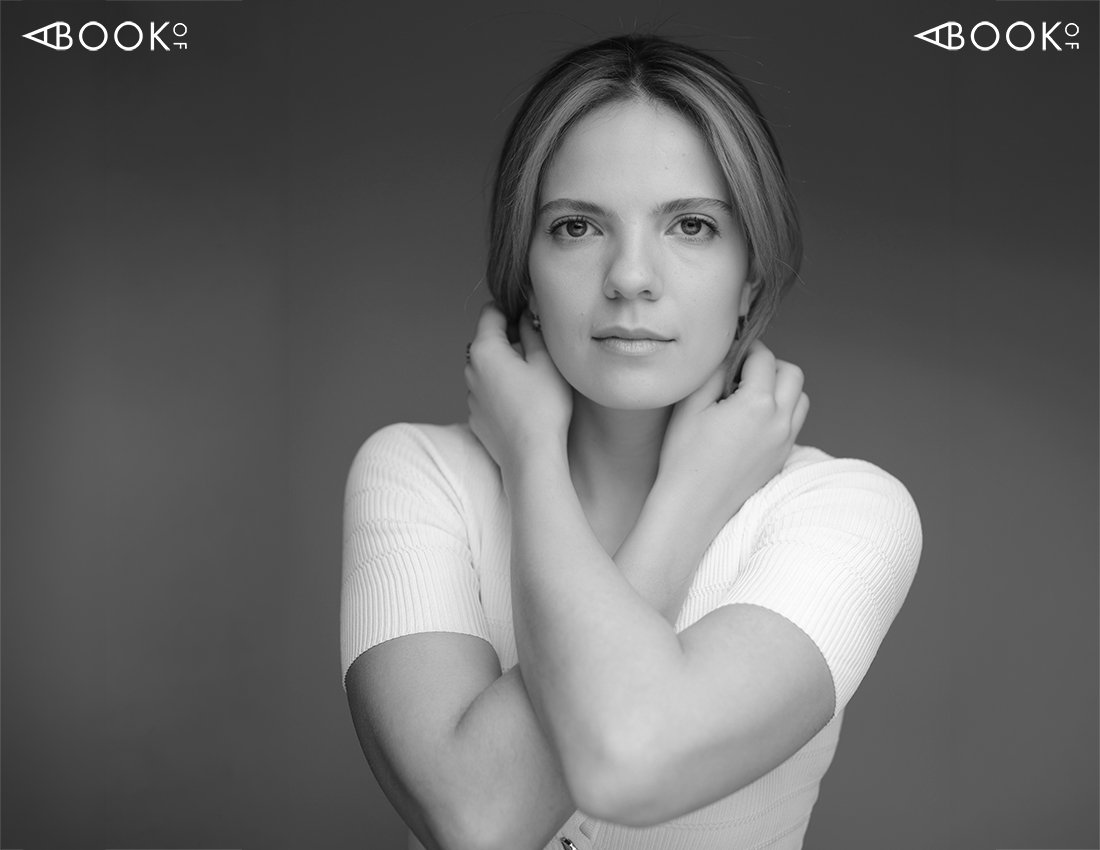
There is something quietly powerful about being the female lead in a film centered on a badchan, a male wedding entertainer whose job is to turn private emotion into public performance. How did you think about Sarah-Leah’s power in the story, especially if her strength is not always the loudest thing in the room?
Silence is powerful. I think it can sometimes say so much more than words can.
Your work often returns to people standing at the edge of one life and another, whether through faith, sexuality, art, family, or self-determination. How do you personally protect the complexity of those characters when audiences may want to simplify them into “brave,” “broken,” “rebellious,” or “free”?
A good script does half the work. The challenge and the excitement reside in expressing all of it, showing both the strength and the weakness, the humanity of it all.
You support Footsteps, an organization that helps people leaving or considering leaving ultra-Orthodox communities build self-determined lives. How has that idea of self-determination shaped not only the roles you choose, but also the way you move through the world as an artist, a woman, and someone with many homes behind her?
Sometimes all a person needs is permission to be themselves. Footsteps' motto is, "Your life, your journey, your choice." Hearing that and being surrounded by others on their own journeys is a constant reminder to be authentic and truthful with myself. That has become the backbone of my daily life and my approach to my work.
Before and alongside acting, you studied fine art, and your creative life also includes painting, writing, theater, movement, and performance. How does the visual artist in you see a scene before the actor in you speaks it, and has painting taught you anything about silence, restraint, or what a face can hold?
I tend to approach a character very visually. As I'm reading, I'm constantly thinking about space and relationships. How does she exist next to the people in her life? Is she close to them, keeping a distance, trying to fit into a group, or standing outside of it? I pay attention to the shape of those dynamics, whether it's between two people or a whole room. That visual language helps me understand who she is and how she moves throughout the world.
If you were a book, what book would you be and why? It can be a real title, a made-up book, a type of book, a genre, or even a book no one has written yet.
I would be a collection of short stories, because my life has had too many plot twists to qualify as one neat story.