AMANDA RIGHETTI ON SCARPETTA, SURVIVAL, AND THE SPIRIT OF PLAY
BY IRVIN RIVERA
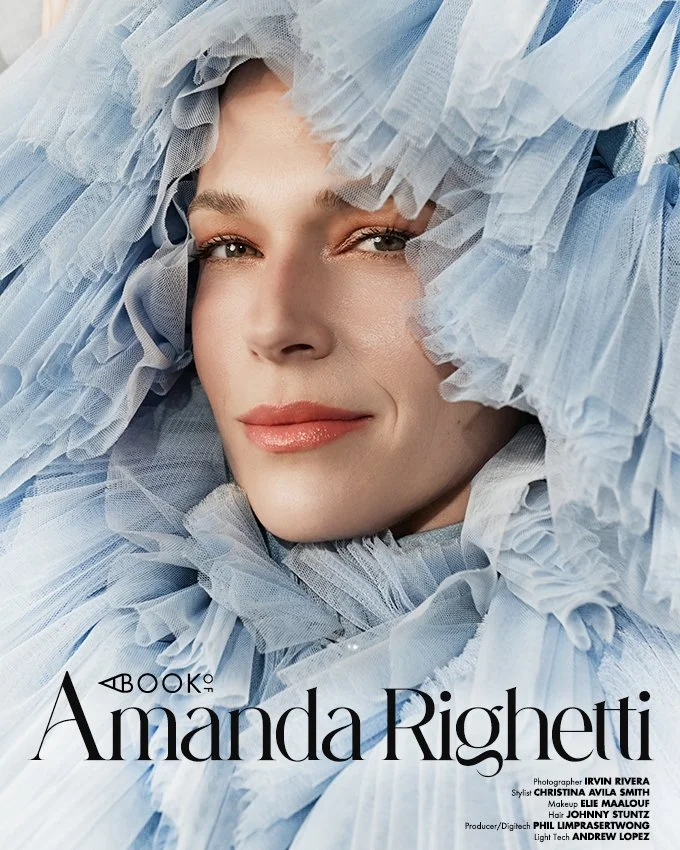
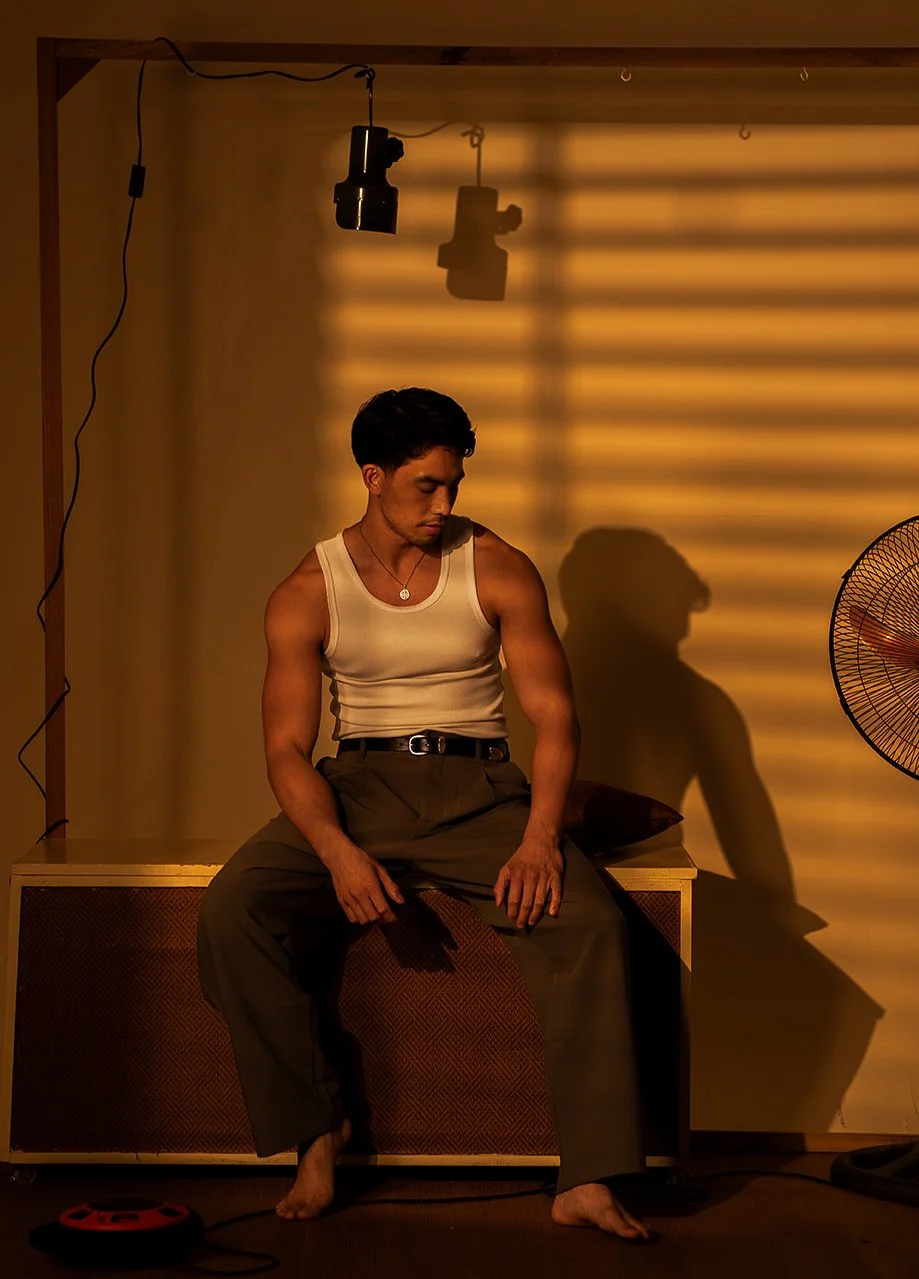
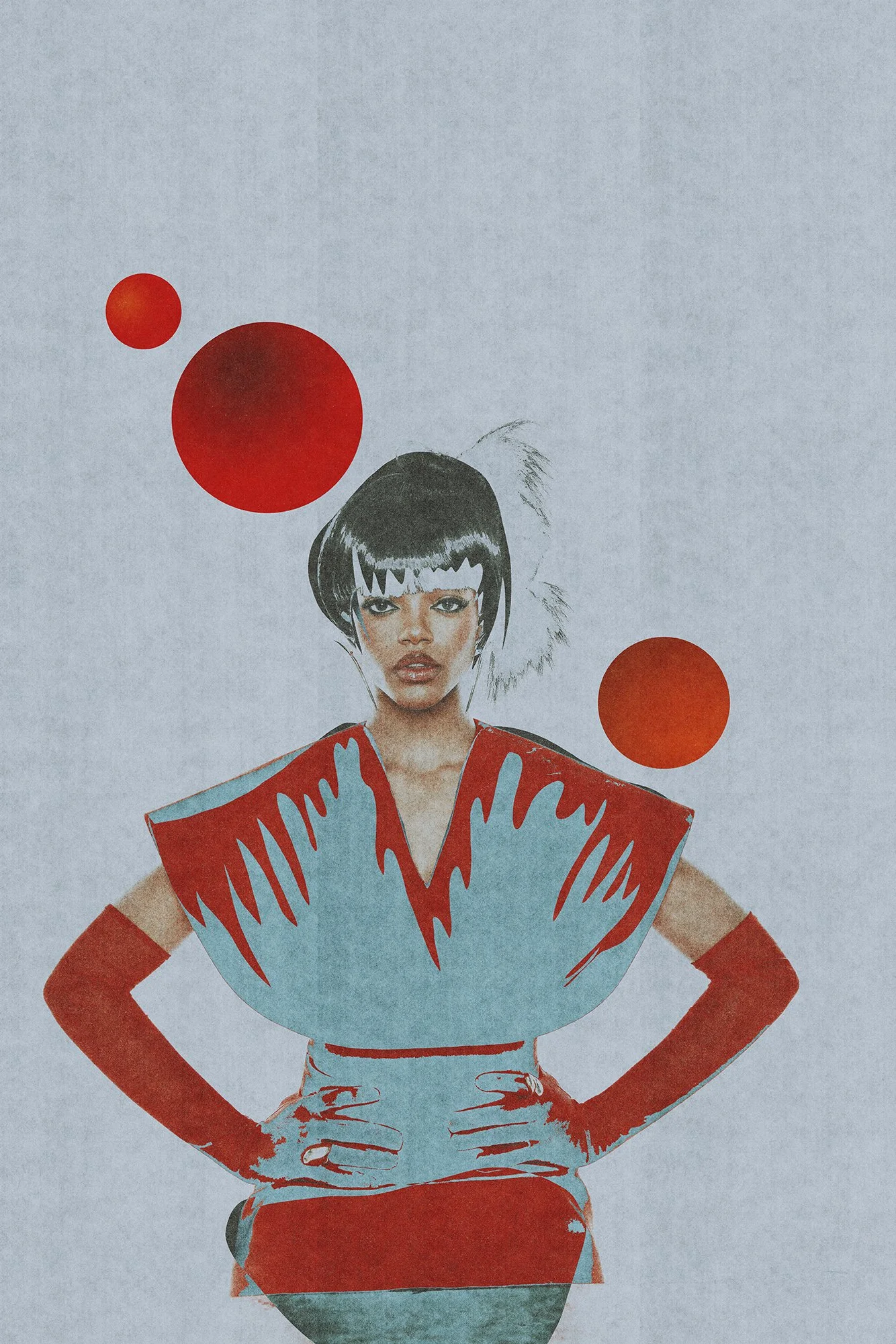
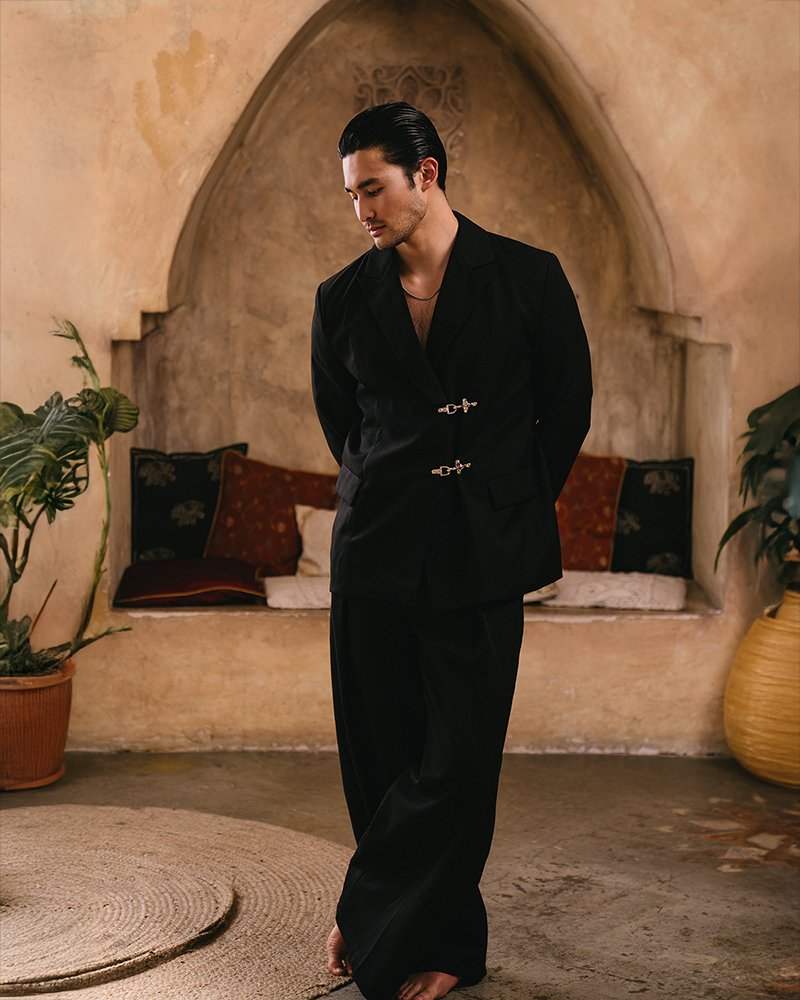
PHOTOGRAPHER: IRVIN RIVERA, STYLING: CHRISTINA AVILA, MAKE-UP: ELIE MAALOUF, HAIR: JOHNNY STIUNTZ, PRODUCER: PHIL LIMPRASERTWONG, LIGHT TECH: ANDREW LOPEZ, LOCATION: STUDIO METROPOLIS
AMANDA RIGHETTI has always understood that performance begins long before the camera finds you. It begins in childhood, in imagination, in the discipline of dance, in learning how to observe before speaking, and in the stubborn ambition that she says “dwells in my bones.” In Prime Video’s Scarpetta, the crime drama developed by Liz Sarnoff from Patricia Cornwell’s bestselling novels and led by Nicole Kidman, Jamie Lee Curtis, Bobby Cannavale, Simon Baker, and Ariana DeBose, Righetti steps into the past as young Dorothy, laying the emotional groundwork for the woman Curtis plays in the present.
For Righetti, Dorothy is not a woman to be solved neatly. She is glamorous, wounded, seductive, lonely, loud, broken, and deeply human, the kind of character who asks an actress to move past judgment and into emotional truth. That truth is something Righetti has chased across a career that has moved from The O.C. to The Mentalist, Colony, Reagan, and now Scarpetta, always looking for the life beneath the surface. In conversation, she speaks with the clarity of someone who has stopped trying to “get it right” and started giving herself permission to play. As she puts it, “All our armor cannot hide the truth behind our eyes. That’s the magic.”
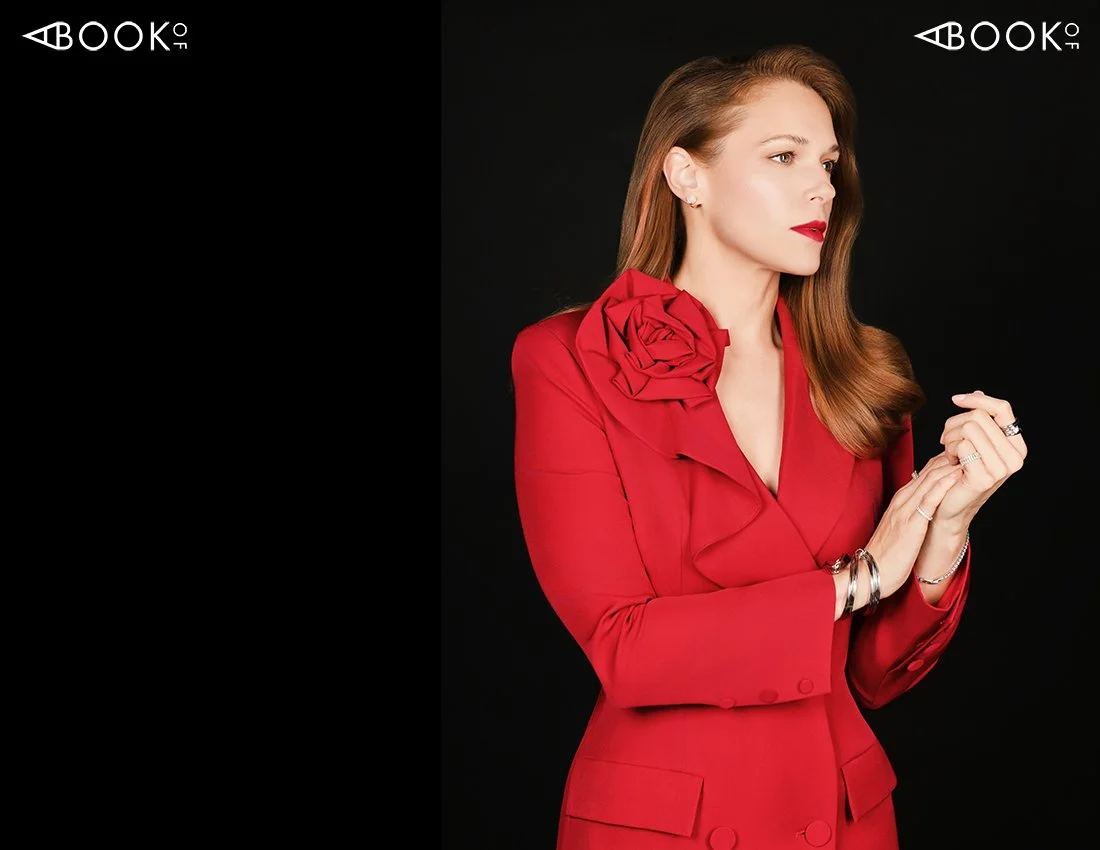
Amanda, when you think back on your childhood, what part of who you were then still feels most alive in you now, and how has that early version of yourself found its way into the women you have played throughout your career, including Dorothy in Scarpetta?
I’ve always been drawn to performing. As a child, my imagination would run wild, creating people, placing them in stories, and acting them out. Staying open to that aspect of myself has been a key component in keeping a spirit of play when approaching work. I still find myself tapping into imaginary circumstances to find a character’s voice.
You grew up in a very full household with many older siblings. How did that environment teach you when to speak, when to observe, and when to fight for your own identity?
There is quite an age gap between my siblings and me. My personality leaned more toward being observant as a child. I like to think I learned from their mistakes. By the time I grew into the version of myself that was looking for my voice, all of my siblings had moved out of the house. Learning when to speak and fight for my own identity came later in my life.
Your story starts with dance, then modeling, then acting. How do those three versions of Amanda still show up in your work, even in scenes where the audience cannot see the choreography behind the performance?
Dance taught me discipline to dedication that have applied to every aspect of work and
life. It also taught me how to use my body to convey emotion. Modeling taught me camera angles and lighting tricks, which have been beneficial when considering composition and listening to a director or cinematographer explain a shot. Acting is a kind of dance with your fellow performers; having a deeper understanding of the camera and spatial awareness allows me to have a freer collaborative experience.
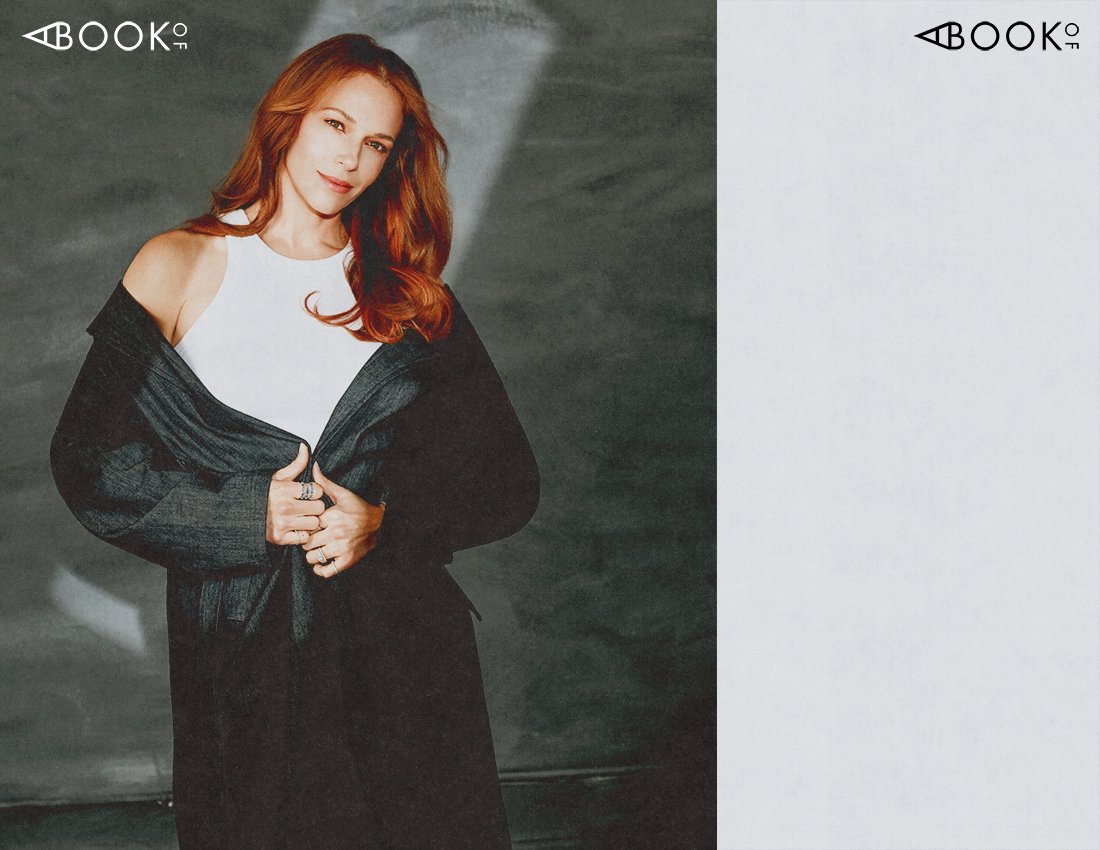
You came into the business young, in an era that could reward image faster than depth. How did you decide you wanted a career with staying power, not just visibility?
Sometimes I feel pigeonholed by the era of image obsession, but the draw of acting for me has always been exploring the complexities of human emotion and storytelling. I want to explore more than just what’s seen on the surface. Every stage of life brings new complexities to explore. My life has enriched my acting career, and my acting career has enriched my life. It’s been a gift that I don’t want to let go of, which drives my desire for longevity.
When you left Nevada for Los Angeles, what part of your ambition already felt clear, and what part had to be invented in real time once you were actually living it?
I cannot escape the ambition that dwells in my bones. Once I make up my mind about something, I cannot be moved. Going after a career in acting was clear to me before relocating to Los Angeles. Like many other actors, I lived the “fake it ’til you make it” mantra until I built some momentum, but I held onto the vision of desire to push through living repetitive rejection.
From The O.C. to The Mentalist, Colony, Reagan, and now Scarpetta, you have moved through wildly different genres without losing your center. How has changing genres kept you honest as an actor?
I like to be challenged, and have always sought to play roles that differ from one another. We all have so many facets to our personalities, and we can behave in different ways depending on circumstances. I enjoy seeking roles that express and uncover aspects of myself I may not be immediately tapped into. It serves as an opportunity to stretch myself. I learn something new with every character I encounter, and I never want to lose that ability to grow. Each opportunity is a new learning adventure.
Across Hailey, Grace, Maddie, Nelle, and Dorothy, there is a recurring thread of women who can be misread from the outside. How do you know when a character still has undiscovered interior life, and what makes you trust that instinct?
Ultimately, the writers hold the reins of character development within a show, and part of
agreeing to a project is agreeing to take that ride with the creators and writers. It’s my job to take a character from the page to its feet. No character is void of desire. Staying connected to a character’s intentions and their relationships to the other players keeps the emotional hook alive.
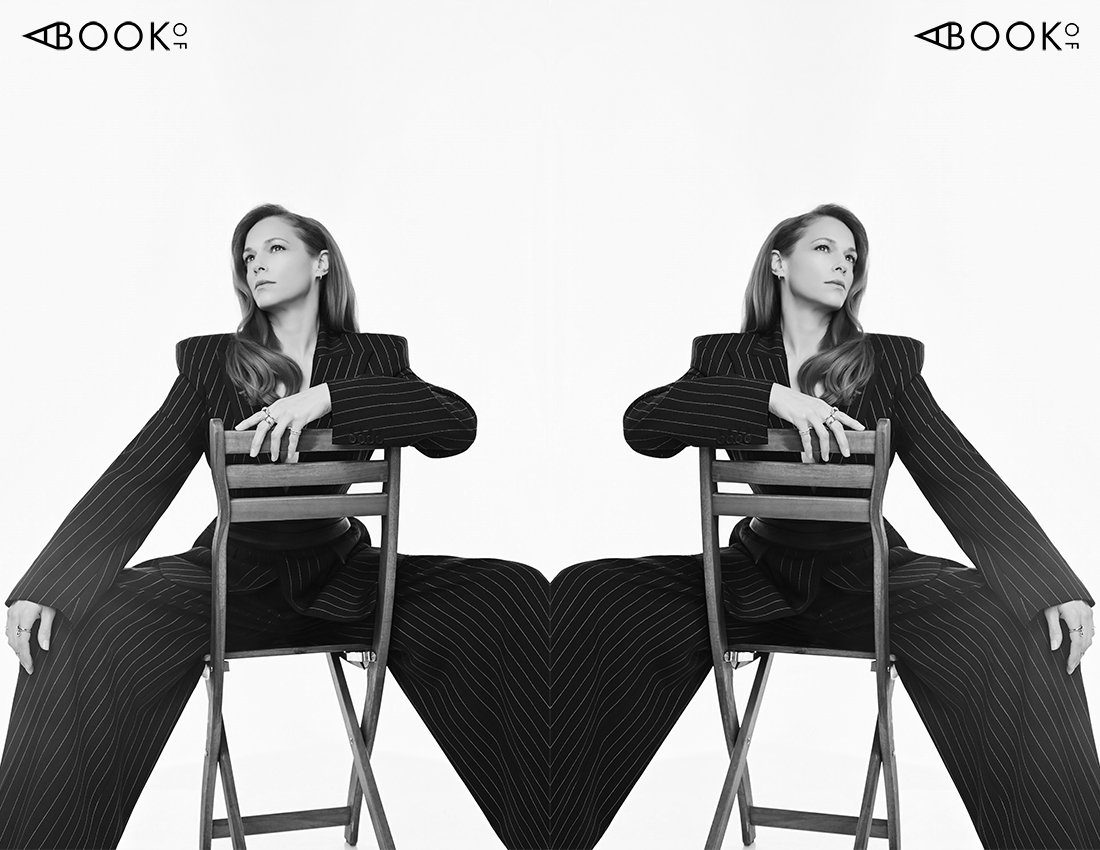
Scarpetta is built on the idea that the past keeps billing the present. How did you approach playing a younger Dorothy with the sense that every impulsive or seductive choice might someday calcify into family history?
Everything about the storyline is held close to the vest, and I can’t play a future idea. I have to trust what’s given to me and that the editing will bring all the pieces together to tell the full story. I followed Jamie Lee Curtis’ lead with Dorothy. She’s the final say in who Dorothy becomes. I am just a catalyst to help lay the groundwork for what manifests in the present. Watching her performance and choices helped inform my journey with Dorothy.
Dorothy can feel glamorous, chaotic, manipulative, wounded, and lonely, sometimes all at once. How did you keep her from collapsing into a single explanation or a simple judgment?
Dorothy is as loud as she is broken. All the glamour in the world can’t cover the wounds of her inner child, the loss of her father, her fractured pieces of motherhood, and the rivalry with her sister. There is nothing one-note about Dorothy, and she’s impossible to explain in one word.
The Kay and Dorothy relationship feels less like ordinary conflict and more like a lifelong archive of private injuries. How did you find the emotional math of a sisterhood where love, envy, memory, and competition are all alive at the same time?
Women are complex creatures. I grew up the youngest of six sisters. The dynamics between my sisters and me have developed through many stages over the course of our lives, and all the complex emotions we’ve walked through have given me a mountain of experiences to draw from. Dorothy’s relationship with Kay is born from my own experiences with my sisters. We know one another in ways no one else does. Pushing deep emotional buttons that only someone you grew up with can know how to push. The ability to shift emotional gears from wanting to murder each other to loving one another in the same breath is a relationship dynamic only sisters can know and appreciate.
A lot of actresses are asked to play women whose beauty, charm, or sexuality becomes shorthand. When a character uses those things as armor, how do you make sure the performance tells the truth instead of just selling the surface?
Staying connected to my scene partner, vulnerability, the character’s intentions, and being fully present in the moment keep the character truthful for me. All our armor cannot hide the truth behind our eyes. That’s the magic.
You recently talked about your technique becoming whatever truly works for you. What did you have to unlearn from your earlier years in the business to arrive at that freedom?
I didn’t really have to unlearn anything. Everything has had a purpose. I just had to apply a little bit of everything I learned that was working. I took the meat and threw away the bones of techniques I didn’t respond to. When I started to give myself permission to explore rather than trying to get it right, the doors of performance opened. The whole point of acting is to play.
At this stage of your life, what does success mean to you now that would have been invisible to the younger actress who first arrived in Los Angeles?
Success is the process of building small steps, day by day, to achieve your dream. It’s not always loud or obvious, but found in the alignment of shaping our own lives. The commitment to not give up, continually showing up for yourself in the most difficult moments, and pouring energy into the bucket of your own dream. Success starts in the simplest of actions.
Lastly, if you were a book, what book would you be and why?
Rising Strong. There’s no logical reason for me to stand where I do today without the
God-given revelation of a renewed mind.