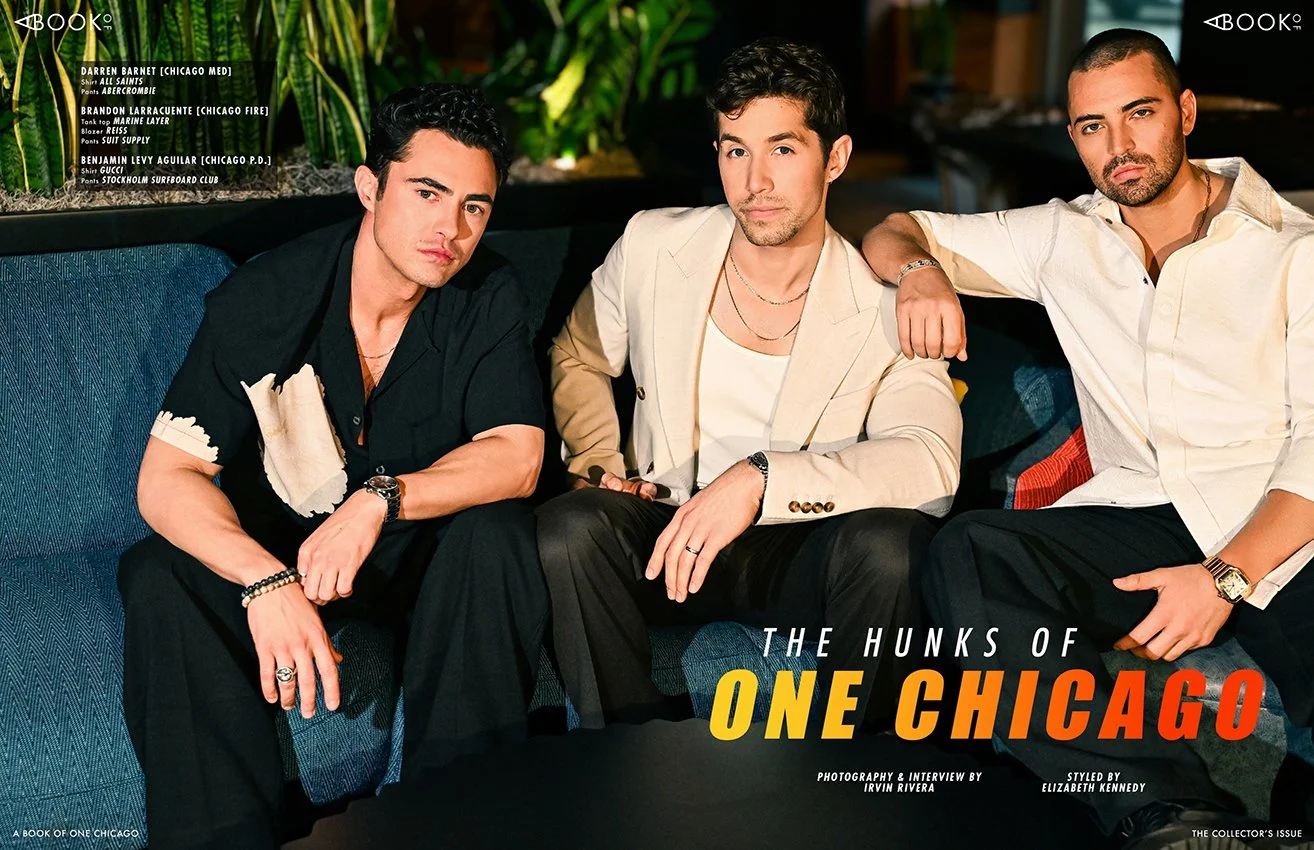
DARREN BARNET ON CHICAGO MED AND THE COURAGE TO FEEL
BY IRVIN RIVERA

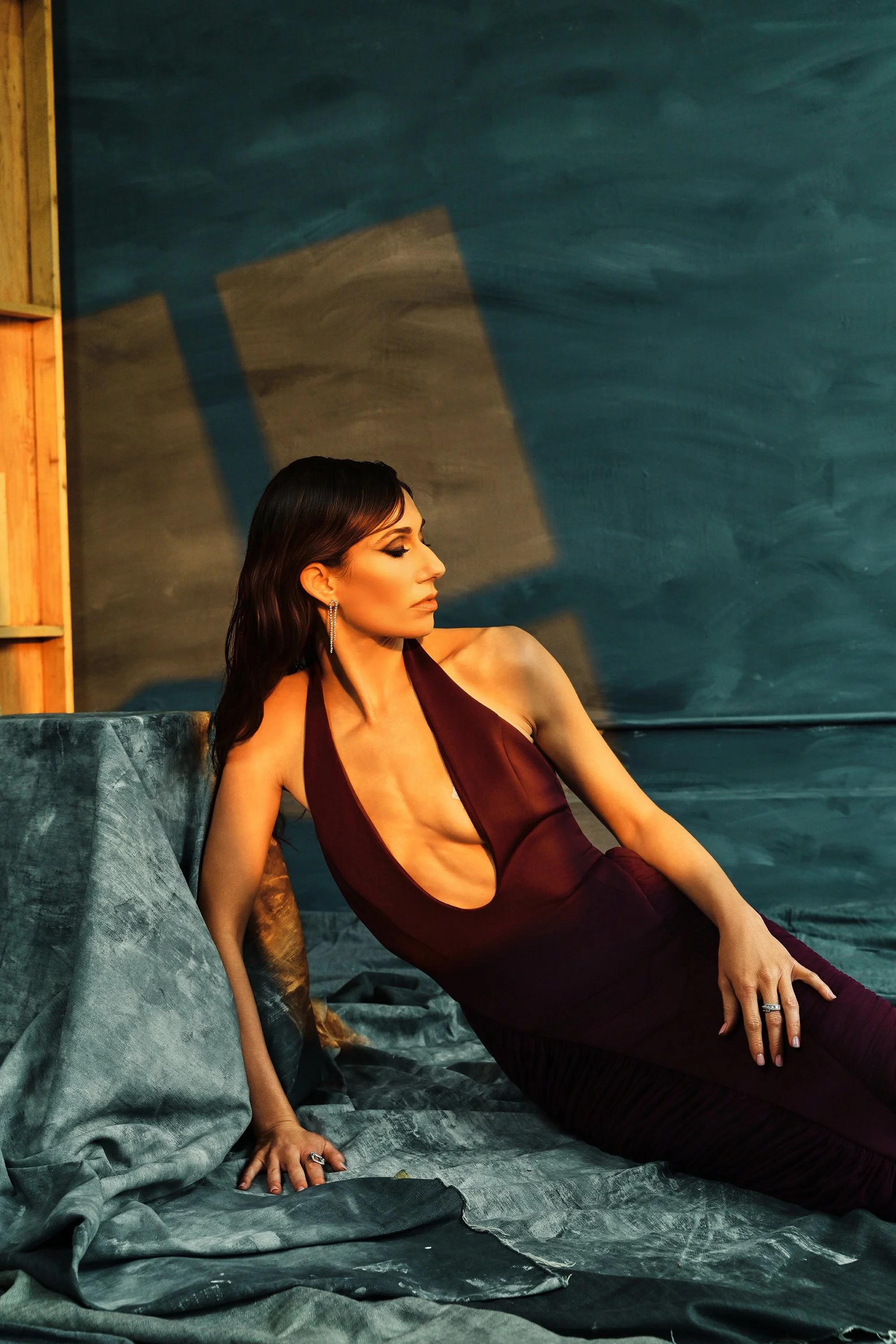
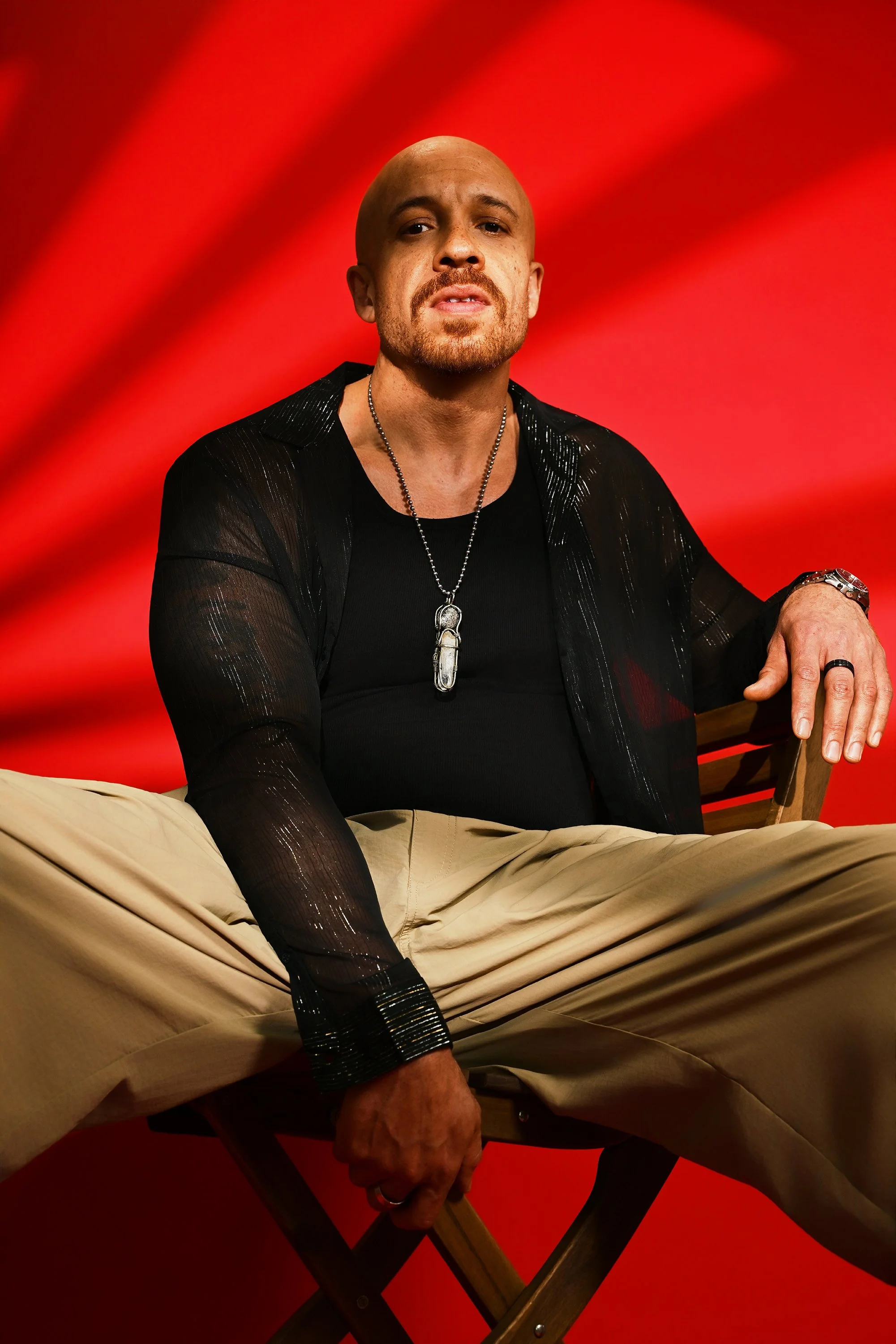
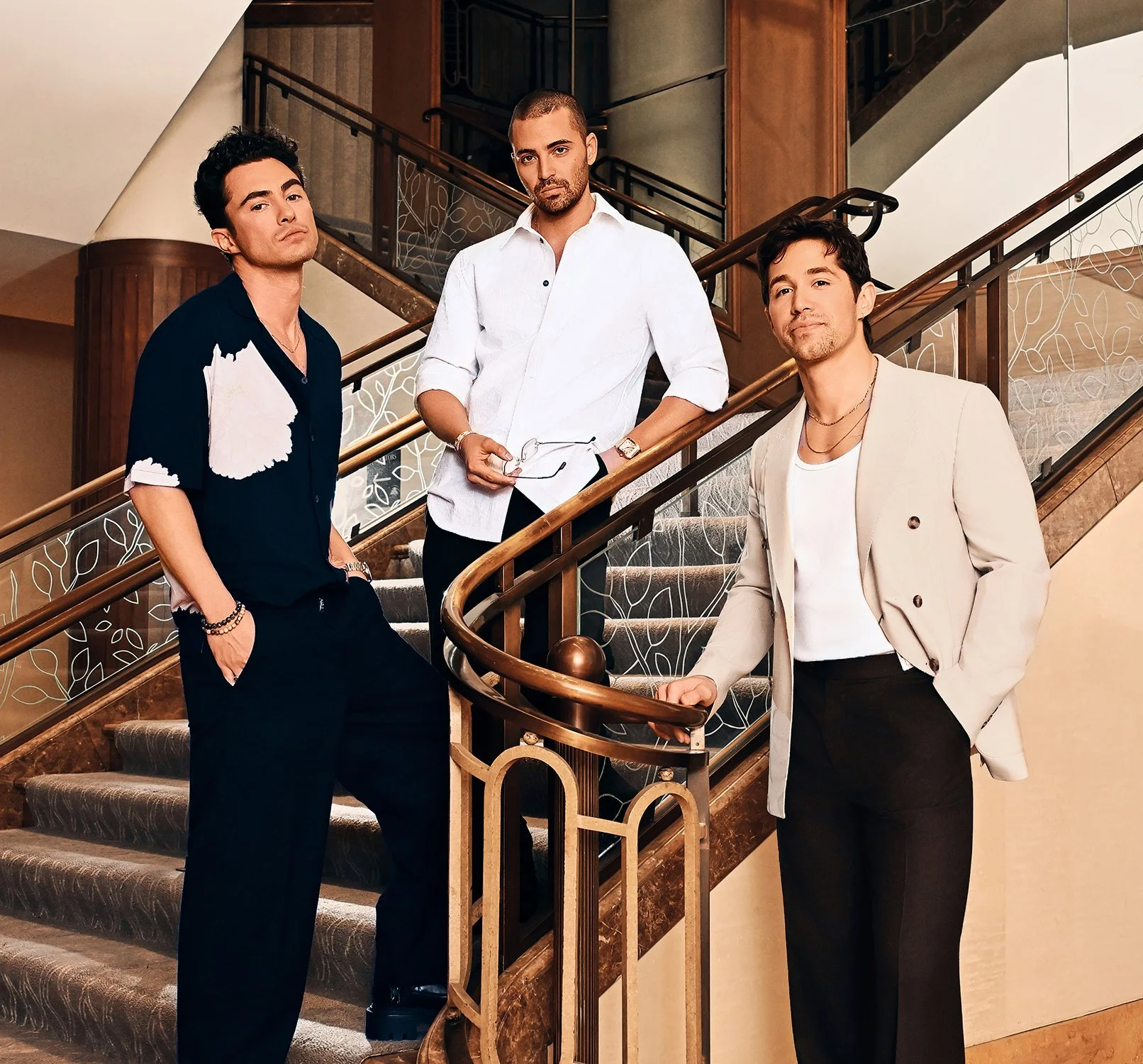
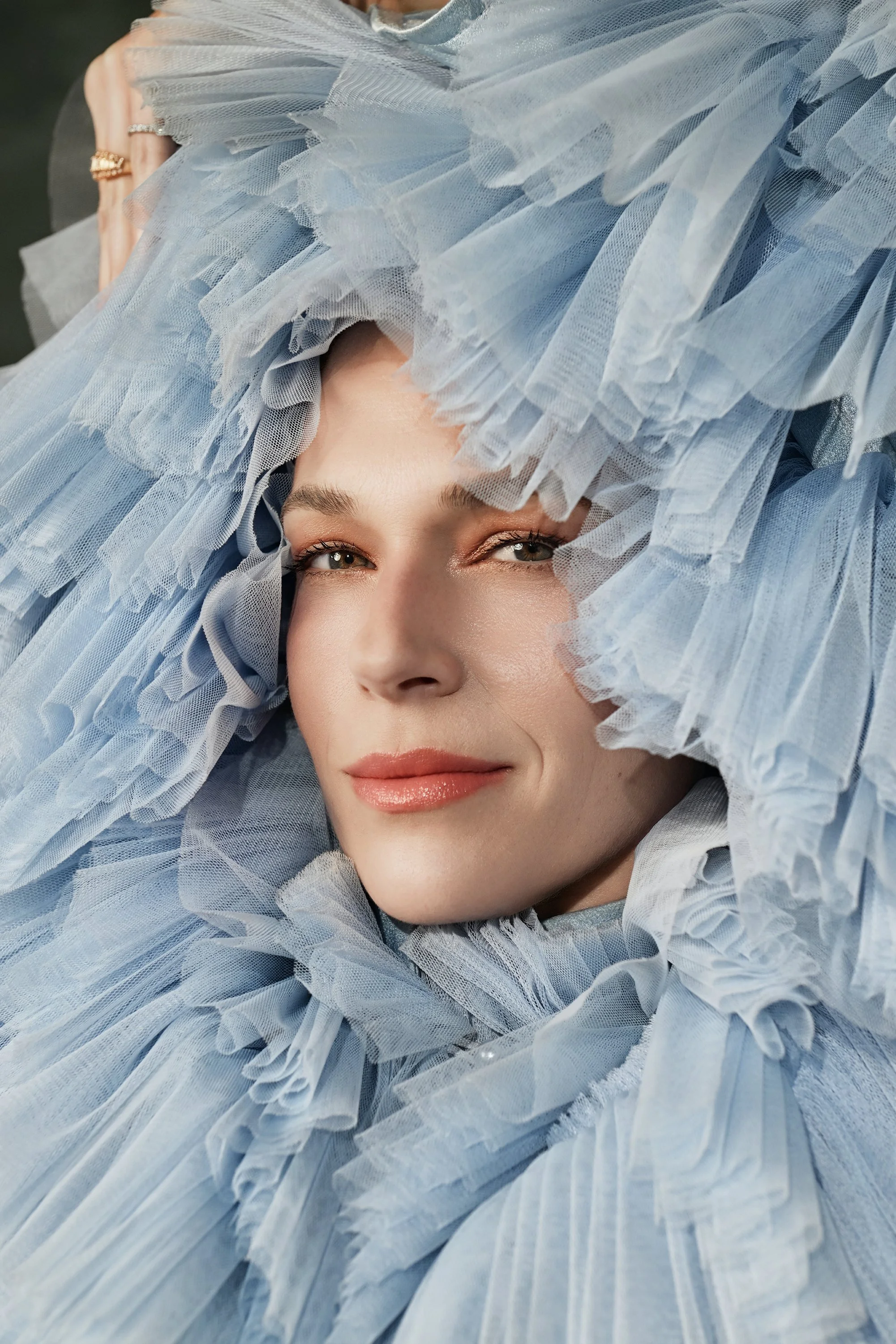
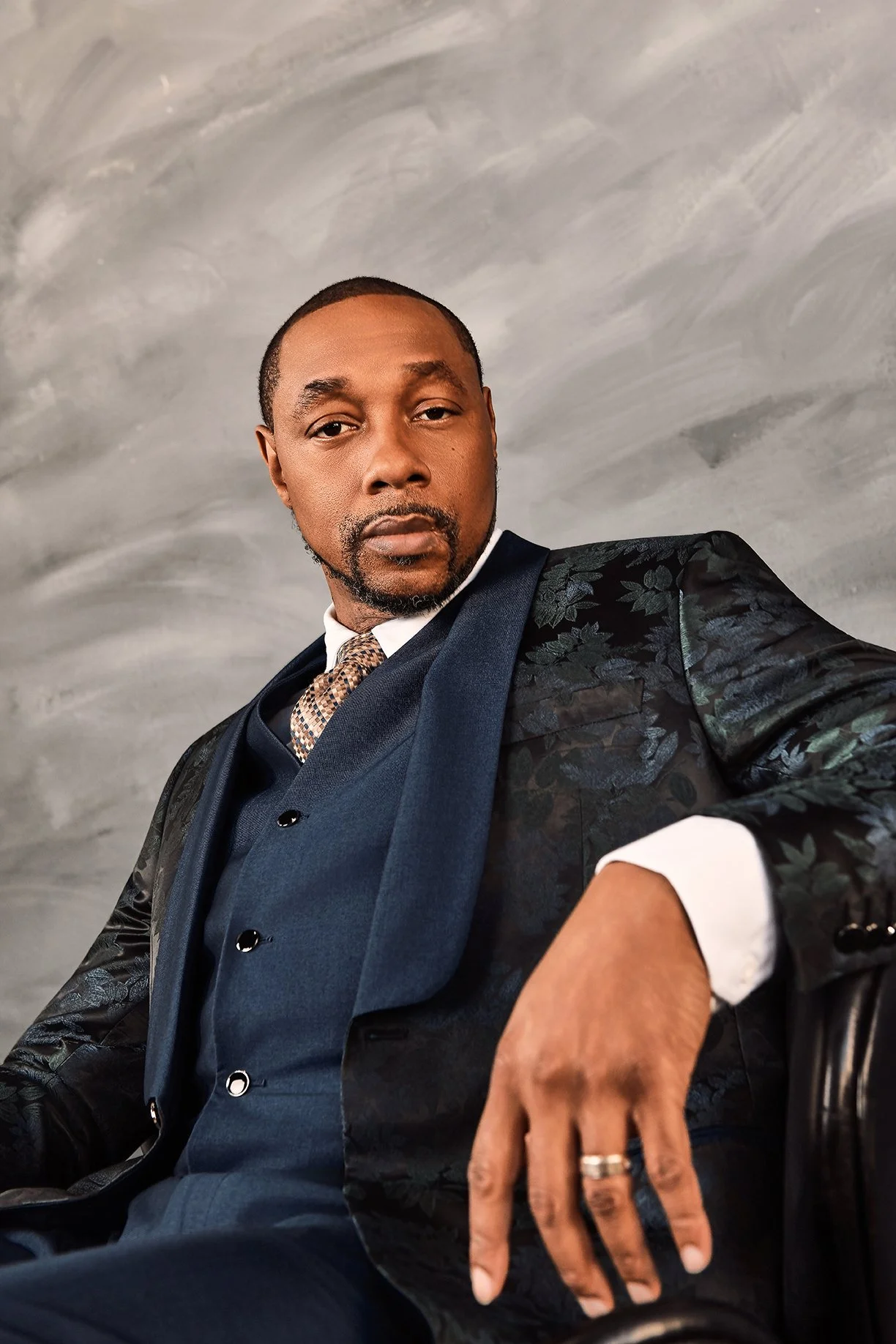
PHOTOGRAPHY & INTERVIEW: IRVIN RIVERA, ART & CREATIVE DIRECTOR/PRODUCER: PHIL LIMPRASERTWONG. FASHION STYLING: ELIZABETH KENNEDY, GROOMING & HAIR: BRENDA ARELLANO, CONTRIBUTING PRODUCER: AC DE QUINA, PHOTO ASST: DANE THOMAS, STYLING ASST: KATE ADLER, LOCATION: FAIRMONT CHICAGO, MILLENNIUM PARK
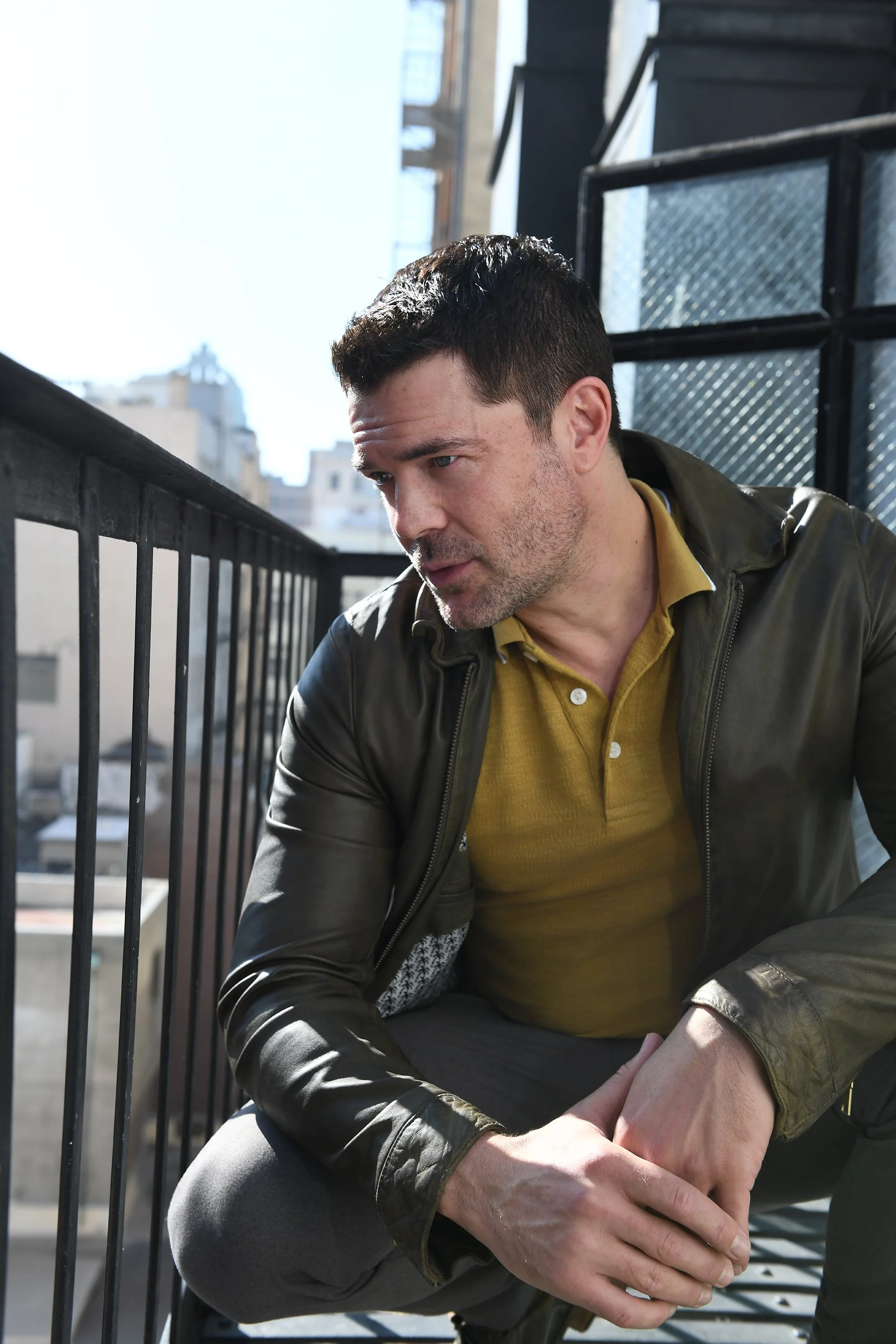
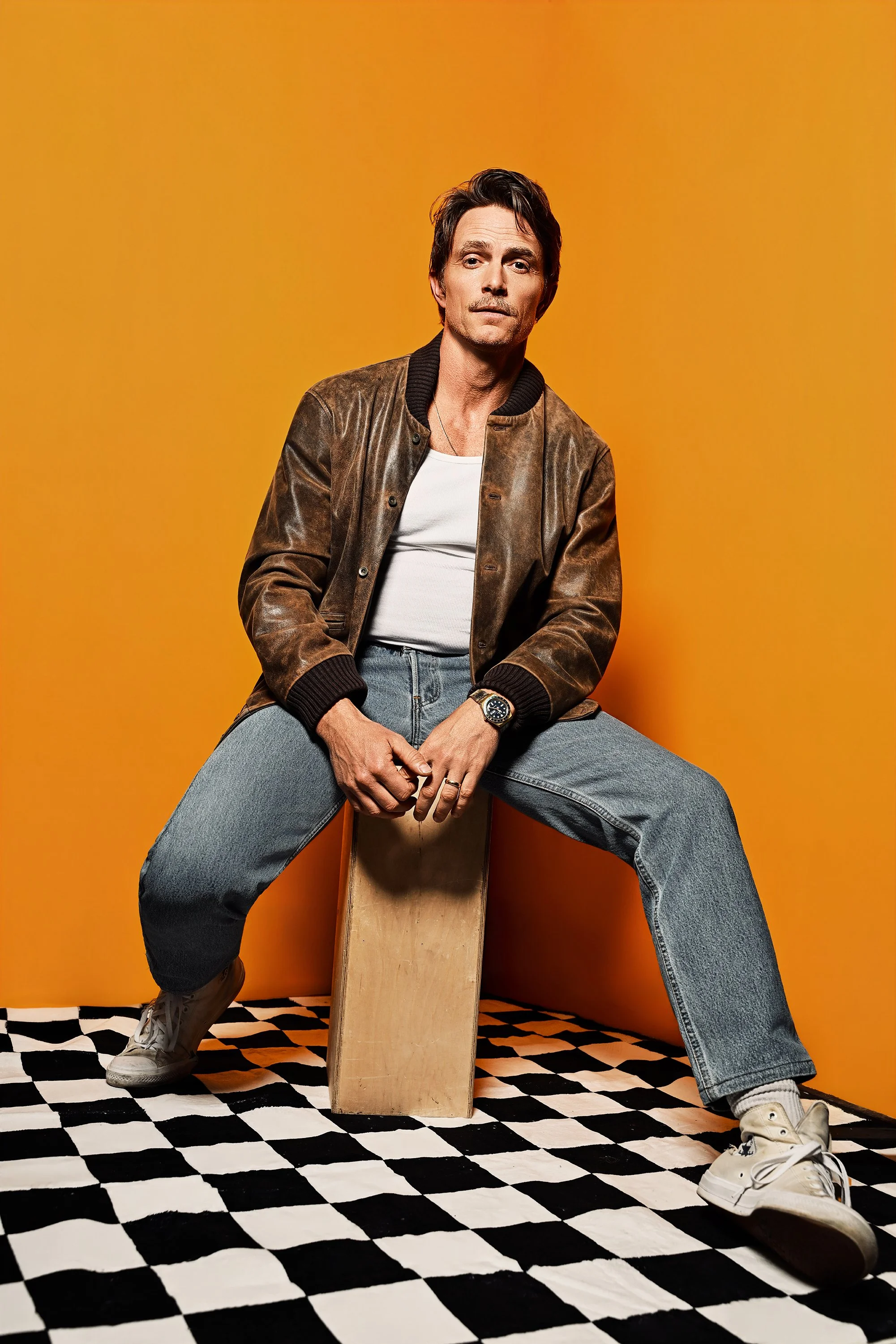
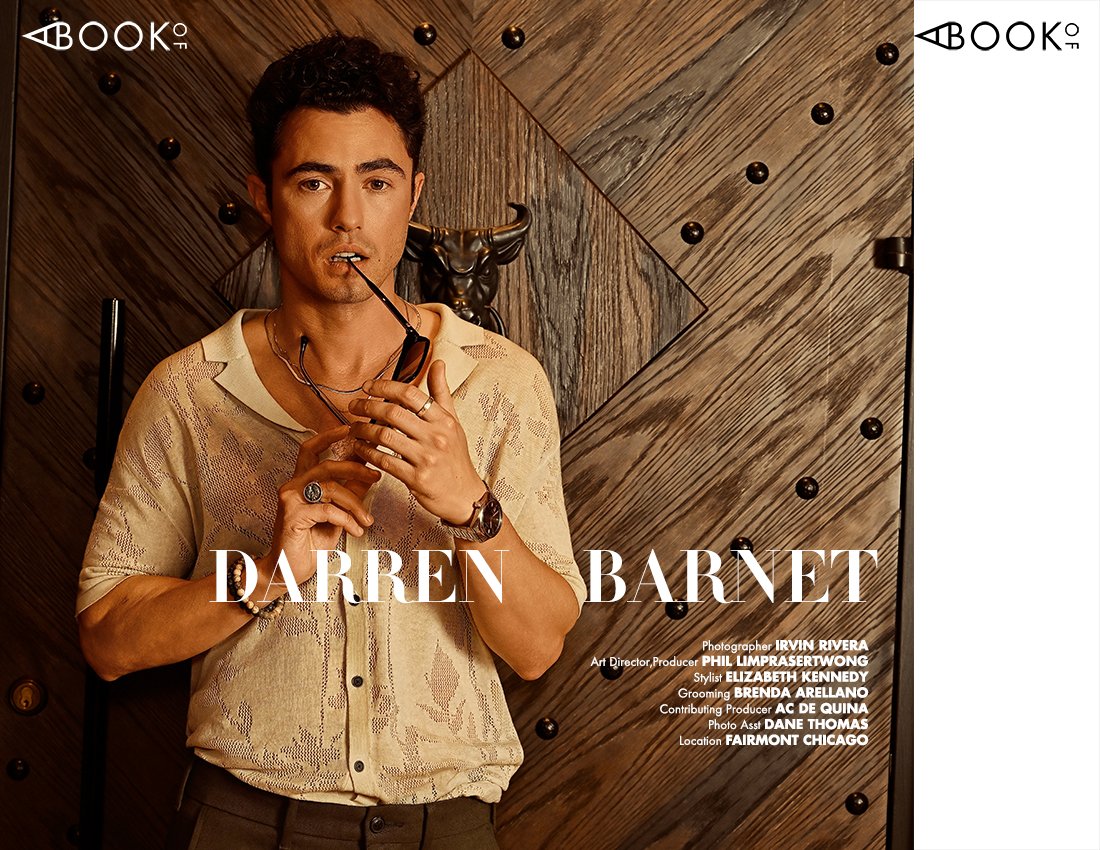
DARREN BARNET has a way of making charm feel like camouflage, the kind that lets a character smile in one scene and quietly break your heart in the next. On NBC’s Chicago Med, the Dick Wolf and Matt Olmstead medical drama set inside Gaffney Chicago Medical Center, Barnet joins S. Epatha Merkerson, Oliver Platt, Jessy Schram, Luke Mitchell, Steven Weber, and Sarah Ramos as Dr. John Frost, a pediatric emergency resident whose ease with children hides a more complicated relationship with being cared for himself.
In conversation, Barnet is funny, reflective, and more self-aware than he lets on at first, moving from Los Angeles and Orlando to Never Have I Ever, identity, rejection, representation, and the strange grace of being known for one role while fighting to grow into the next. What makes him compelling here is not the polish, but the pressure underneath it, the artist still asking bigger questions about fame, ego, pain, and accountability. As he puts it, the work asked him “how to become truly impervious to rejection,” but what lingers is the more dangerous question he keeps chasing on screen: “Do you want to be an artist, or do you want to be famous?”
So you have one foot in Los Angeles and another in Orlando. These places seem to have shaped you in different ways. When you think about home now, what did each place teach you about identity, ambition, and belonging, and how do those lessons still show up in the characters that you play?
Wow, coming in hot with the questions. Alright. I mean, LA will always be home. You know, I grew up there till I was a teenager. It's funny, I grew up around a lot of kids that were child actors, or, like kids wanting to do acting, which is something I always wanted to do, but something my mom kind of wanted to maybe steer me away from at first, because, you know, it's a risky life. It's a lot of disappointment, and, you know, she wanted me to have a good education and focus. And when we moved to Orlando, those were some of the best years of my life. I had a real childhood. there. I was able to go out and ride my bike, and be with friends, and it shaped me a lot. My mom was very diligent about my doing well in school and getting into college. And, you know, I took a test to go to a school across town for this special program called the Center for International Studies. I had to keep, like, a 3.9 GPA and take two college classes a year to stay in the school. It was really rough. But my mom, you know, always told me: the more you do, the more you can do. So I was very involved. I barely had a free moment. And it was not easy in high school and getting into college, but life's been a kind of a cinch since. I learned a lot about time management, scheduling, and just finding what I really wanted to do in life, and that was inevitably acting. But hey, Mom, it worked out.
Thanks to Mom. For real. Everything led up to this moment you're in right now. And yeah, it's amazing. So at Barry, acting seems to have stopped being a childhood idea and become something you're actually willing to risk your life on. How did you know that uncertainty was worth betting on? And what did that choice ask of you before the industry gave anything back?
You know it was when I got involved in theater, really, just on a whim. I was sitting at work with a friend of mine who was going to be trying out for a play called The Last Night of Ballyhoo. And I had been doing short films here and there, really wanting to be involved more in the arts, even though that wasn't my major, and I auditioned. I got the part, and I guess, as the saying goes, I was bitten by the bug. I really could not let it go. And when it asked of me a question, I was asked when I got to LA, the friend of mine from college had graduated a year before and went out later to pursue acting, and I came out after, and he said, you know, he was in an acting class, and he was asked a very good question, do you want to be an artist, or do you want to be famous? Yeah. That was something I had to digest in terms of, like, you know, if you want to be an artist, you can do that, wherever, whenever, you can do it on your own time. You can find happiness just making art. But if you wanted to be famous, you know, that's a very fleeting thing. It can come, it can go. It can never happen. It can also, you know, never make you happy.
So what it asked of me was how to become truly impervious to rejection. You know, for the millions of auditions that you'd have to do before even being noticed. It asked persistence from me, and it asked for real, digging deep and believing that I was making the right choice, and understanding that it wasn't going to be on my time. It was going to be, you know, all based on how long I could hang in there.
And I mean, this whole journey shaping you into that artist- those experiences of rejection and getting booked, and all that. I think it really shapes you as the artist you are right now, or hereafter. Darren, you have spoken about growing up in a space where identity was not always simple or easy for others to read. How has living in that in between sharpened your instinct for playing men who can be misunderstood at first glance?
You know, it allowed me to really bounce around between a lot of different groups growing up, and I never felt like I had really one specific place where I was fully understood. And I never really minded that. It wasn't something that held me back. I think it actually kind of pushed me forward. And I don't know, I think it gives you kind of an advantage sometimes, to not be fully understood, because I don't know, you're more allowed, or allowing of yourself to be a bit unpredictable and never confined to one box. I think it opened my understanding, my want and need to understand and adapt, shape, and learn. I've always found it to be an advantage.
I love that. It's inspiring for people who feel they're in a similar situation.
Now, when a character arrives wrapped in first impressions. How do you start looking for the wound, the humor, or the private contradiction underneath?
Those are things that I think kind of naturally come. I do my best to understand a character, but I do also understand that I was booked for this part for a reason, and that is to bring some of myself to this character- to be symbiotic, to be harmonious. And whatever humor and things that come out of it, they become natural the more I kind of absorb into the characters as much as I can.
Speaking of your character. Dr. John Frost, Doctor Frost, what feels especially interesting is the split in him. He’s deeply present for kids, but far less comfortable when anyone tries to show up for him in the same way. How did you find the balance between tenderness and self-protection without reducing him to either one?
I guess it's, I don't know, it might be a bad habit of mine, but I've never been super comfortable being a burden on people in terms of my emotions. Shielding has been kind of a self-preservation tactic I've used, more or less, my whole life. Not recommending it, but it has been a bit of a defense mechanism, but also, at the same time, never wanting to appear like a victim.
I don't really appreciate or love characters like that. I always find it more interesting when there's someone who is trying their hardest not to appear sad, hurt, broken, or a victim. Maintaining that as a bit of a secret, or a second layer, I think, is more interesting when you're watching someone who's trying so hard not to appear to be a victim, even though they might be. That's a struggle, I think, that everybody can really be affected by. It's like when you watch someone cry, they may hurt and be uncomfortable, but when you're watching someone trying their best not to cry, I think that hurts people more and resonates with people a lot.
Because you're holding too much in, a lot of people can really relate to that, like you're trying to be composed, even though you just want to scream and burst. Back to Frost: Frost's child-actor past gives Chicago Med a second story about performance, reinvention, and what happens when an old version of yourself comes knocking at the door. How did that material land for you as someone who has also had to outgrow the public's first idea of who Darren Barnett is?
Oh yeah, you know, as much of a blessing as it is. At the same time, what’s interesting. Is how much I will get called Paxton on the street, even up to now. Happens every single day. It's a blessing. It's wonderful. I'm thankful for all that the show did. But it is interesting, you know, being in my 30s and still having people identify with me, with the character that was a high schooler, it's something that I definitely always want to maintain the appreciation and love for the fans and the fans of that show, but at the same time, really trying to form, you know, another identity within my career. So it's something I handle with as much grace as I can. But at the end of the day, it's an internal thing that I'm going to have to deal with on my own.
Now, speaking of Paxton, when Never Have I Ever folded your Japanese heritage into Paxton’s story, it turned identity into something lived and historical, not decorative. How did that experience change the way you read scripts now, especially when a role touches history, community, or representation?
it that it was the I like, I never really understood how much of a voice you could have if you spoke up. Mindy [Kaling] got wind that I was speaking in Japanese with a co-worker on set. That's how the character became historically Japanese. I think a lot of actors, you know, especially in their first role, they're like, I don't want to be any trouble. And it's like, you know, sometimes it's like, now I've gotten to understand that a lot of the people that I work with- showrunners, producers, whatever. You know, a lot of them are very artists at heart, and they want to make something authentic and true and real. And if you have something to input, if I have something to input, I'm never going to be afraid to do it. If it doesn't go my way, I'm obviously not going to be a problem and ruin the story, because that's where ego comes in. And I think ego, one bad ego, can take down an entire ship. So it's just allowed me to be more confident in my voice, but confident enough that I can still do my job; if not, everything is going exactly my way.

Speaking of voice, you have said you want to tell stories that start conversations, maybe even uncomfortable ones. What kind of role would scare you in the right way right now, the one that would ask more of you than charm and force you to be brutally honest on screen?
I find myself fascinated by playing anti-heroes. I have a movie called Apophenia coming out. This character may not be the most redeemable, but he is suffering from a mental illness, PTSD, and all these things that have shaped him. And when people watch it, it's interesting. There are two reactions of, you know, oh my gosh, I feel for this guy, or, oh my gosh, I know a guy like that, and I can't stand them. So playing roles like that, where it's very much an in between, of like exemplifying someone going through intense struggle and pain, and making that understandable, but then also tiptoeing the line between- How much of this is permissible just because of their struggle? How much accountability should they be taking? And I kind of see that a lot of every day, just with people, sometimes with friends. They'll complain, complain, complain, and react in certain ways to certain people. And then, you know, they'll blame it on their childhood or on this or on that, and I've always seen it as kind of a cop out. But then there's a reality to that. So tiptoeing that line and really illustrating that balance in an accurate way, those are some things that really challenged me. Those are roles I want to continue to play. You know? I guess tiptoeing the line between pain and when you should be taking accountability, and how you've been conditioned. I find that fascinating. I think humans deal with that every day.
Yeah, it's a very human role with many layers and dimensions. As your career keeps widening, what do you most want your work to reveal about you now that audiences are meeting you in such different forms, from romance to voice work to a network drama with real emotional weight?
You know, at the end of the day, of course, you know, I want to impact people. I want to inspire people to do something they've never done, or call their relative they've had a grudge with, and be the bigger person. Random things like that. But at the end of the day, I am aware that I'm an entertainer, and I really want to make people, when they watch me or watch things that I'm a part of, to, at the very least, just think a little bit. But ultimately, I want them to have a wonderful time and fulfill my job as what I am. I'm an artist and an entertainer.
And I think you've been very successful with that, coming from me as an audience member, of course. You've entertained, you've made people think, and people remember you, so that's a good thing. Alright, final question, if you were a book, what book would you be, and why?
Um, God, I don't know. I really like it, it's one of my favorite movies, and the book is even better. It sounds so cliché to say, but Chuck Palahniuk’s Fight Club. I think it has a lot to do with identity, understanding yourself, understanding the beast within, and when to let the beast out. I don't know. There are so many things in that book that just resonate with me. So I'd say, yeah, Fight Club.