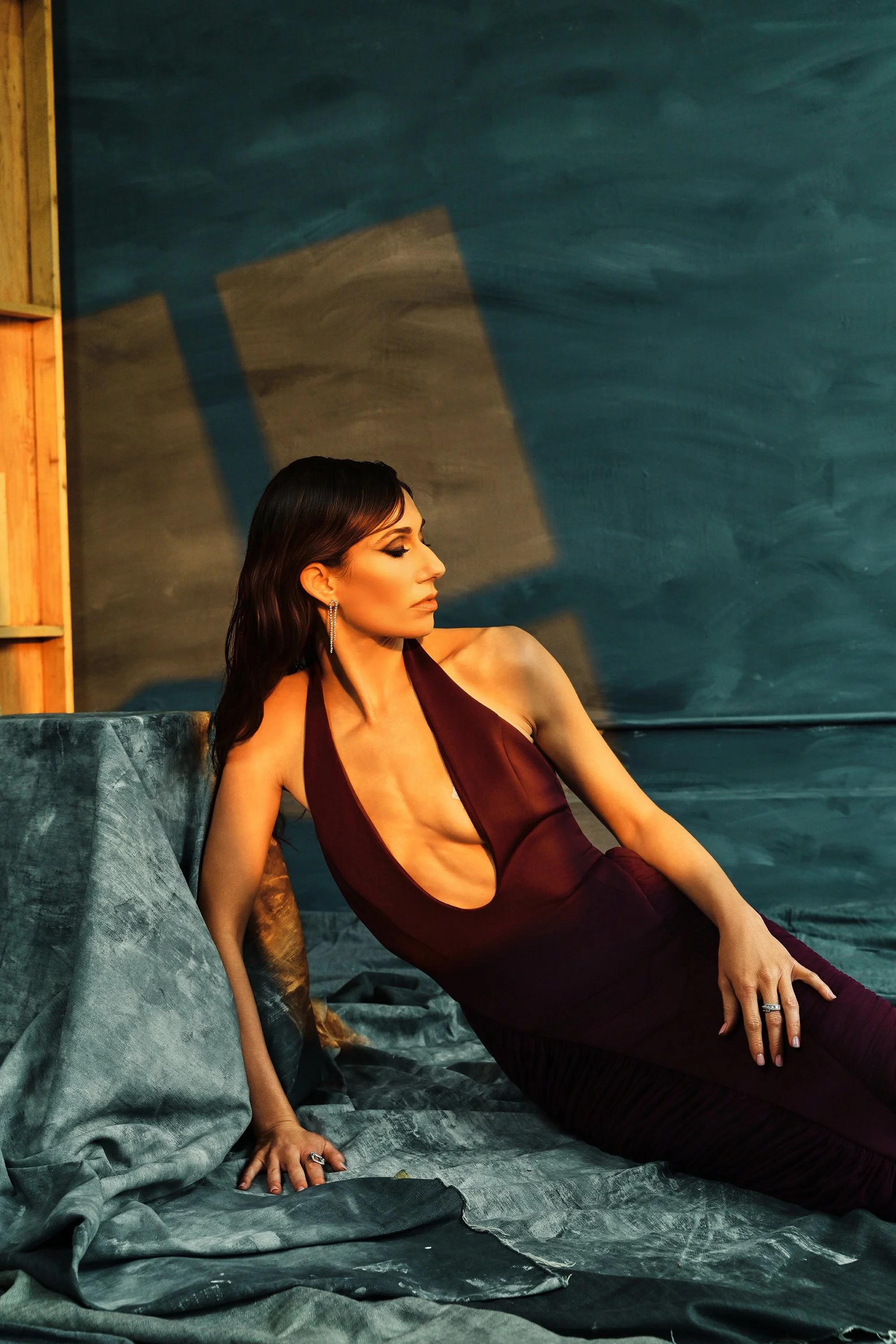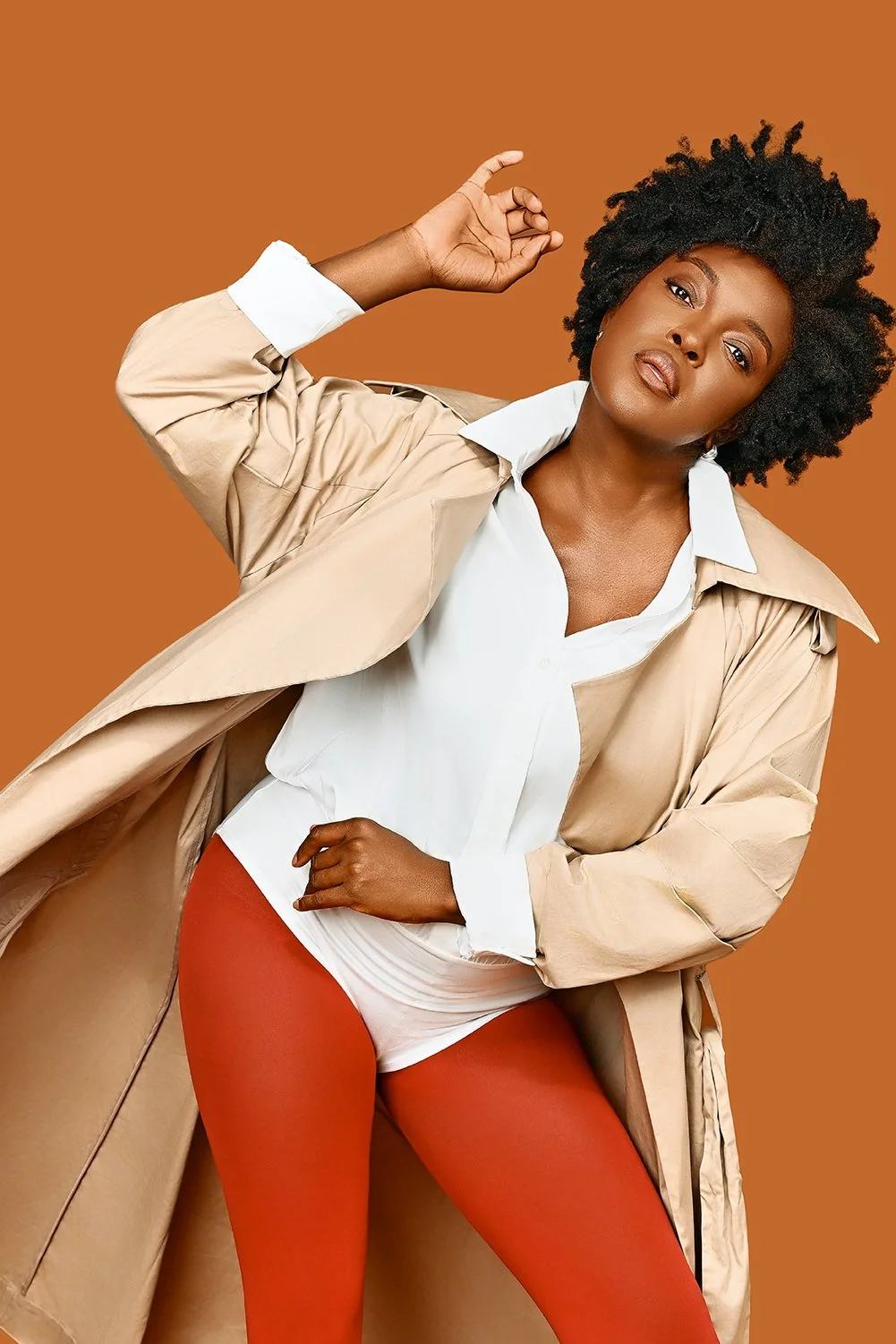
BRIANA PRICE
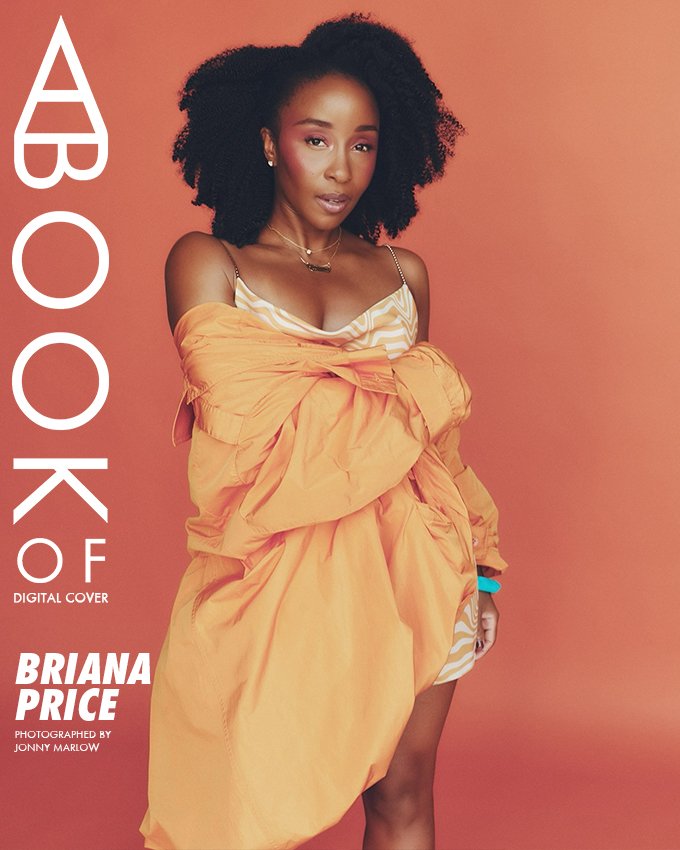
PHOTOGRAPHER: JONNY MARLOW
BRIANA PRICE moves through her work with the kind of quiet precision that makes stillness feel alive. In Tyler Perry’s Divorced Sistas, created, written, and directed by Tyler Perry, Price returns as Tiffany alongside an ensemble led by LeToya Luckett, Khadeen Indréa, Porscha Coleman, and Jennifer Sears, stepping into a world where friendship, heartbreak, dating, marriage, and reinvention are all tangled together in beautifully complicated ways.
Born and raised in Pasadena, Price carries community like a compass, from her early screen debut as a dancer on Glee to roles in Shameless, 13 Reasons Why, Christmas Tree Lane, Sister Swap, The Holiday Stocking, and now a character rebuilding herself without losing her softness. In this conversation, she opens up about trusting instinct, releasing control, challenging the “good girl” trope, and giving Black women room to be full, flawed, ambitious, tender, and unapologetically human. As she says of Tiffany, “heartbreak has two functions: it brings a person closer to themselves and to what’s true for them, and it keeps them soft.”
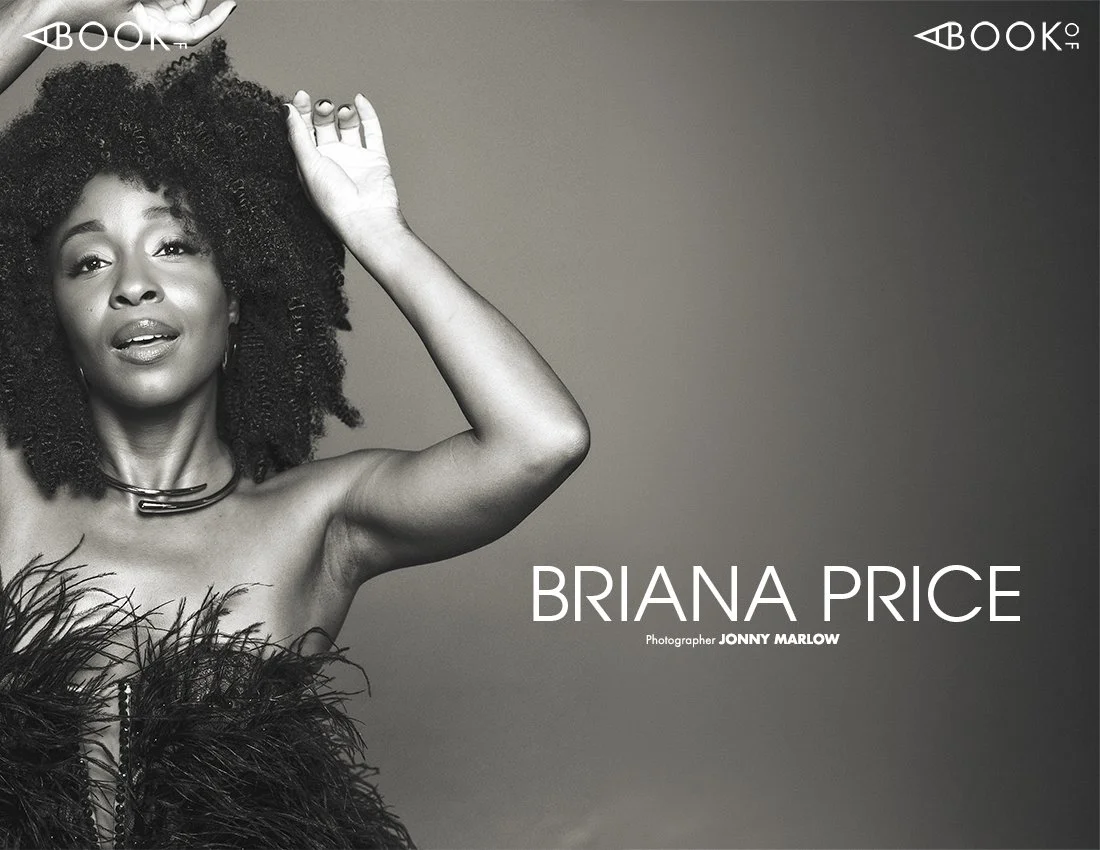
Pasadena can shape a person in quiet but lasting ways. When you think about where you come from, what part of your hometown still shows up in the way you move through this industry?
Pasadena is a place where community is everything. Neighbors take care of one another, and that support has been present for as long as I can remember. It became especially evident during the Altadena and Pasadena fires, when our sense of community felt stronger than ever. I try to bring that sensibility into this industry, to create lasting, intimate bonds with friends and coworkers so we know we can lean on each other through the harder times and the joyful ones.
At Columbia, your life could have gone in a completely different direction. How did you know that art was not simply what you loved, but what you were actually meant to build a life around?
There was a very specific moment in my junior year of college. I was doing research at Cornell Medical School, and all I could think about was being in a dance studio. I took that as a pretty clear sign. It became important to me to live a life that brought me purpose and a sense of lightness. Ever since, art has been one of the most consistent, grounding forces in my life. It’s seen me through some of the best and worst times.
Your path moved through dance, injury, and reinvention before acting fully took hold. How did that period change your relationship to control?
I’m still working on my relationship with control, honestly. I’ve come to understand that many things, especially in art and performance, have an ephemeral quality I simply cannot control.
Some of the best performances I’ve ever experienced happened when I felt completely off-kilter, like another force was directing the ship. I’m learning to see that as an exercise in trust, not just in my work, but in my life.
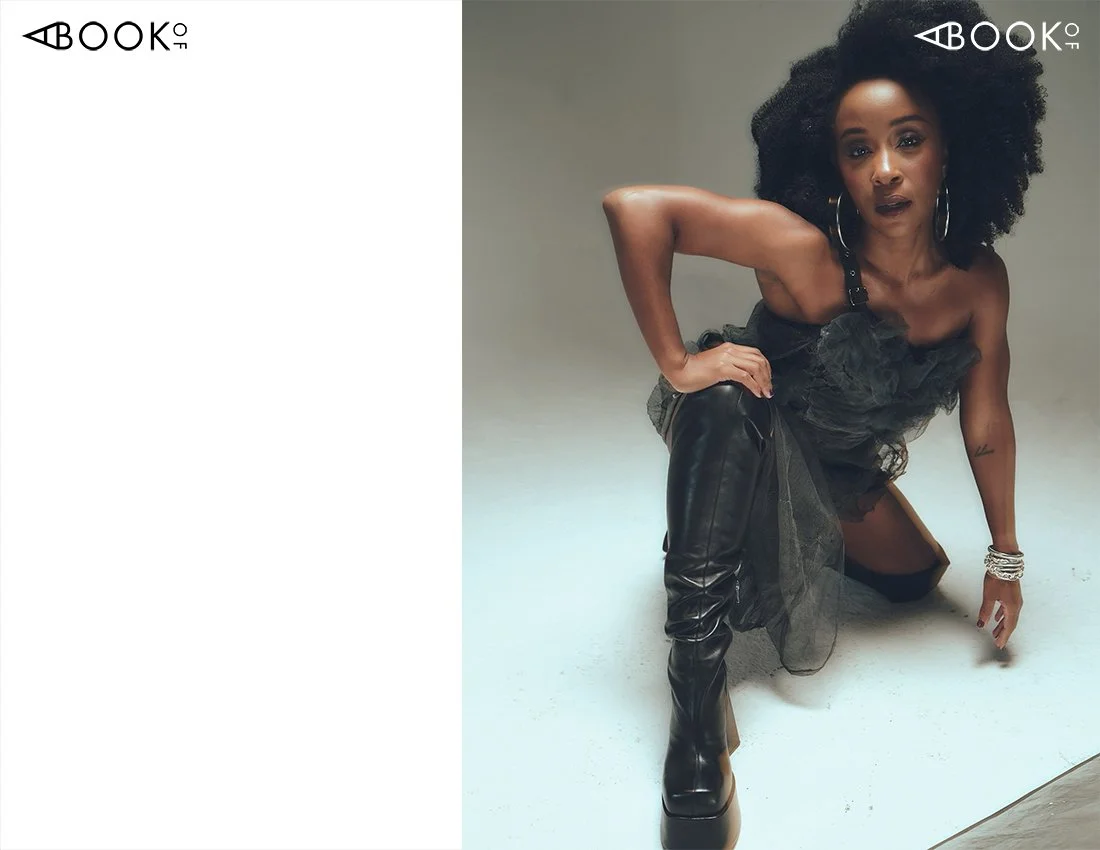
Because you began on screen as a dancer, your first language as a performer was physical. How does that change the way you approach silence, tension, and subtext now as an actor?
Silence and tension live in the body first. That’s always where I sense them. I want my work to be as reflective of real life and the human experience as possible. Silence can mean a complete absence of movement, but internally, so much can be happening. One thing I was always taught as a dancer is that holding space, whether or not you’re moving, is its own form of expression.
So whenever there’s an opportunity to fill a moment with stillness and pure energy, I lean into it. Tiffany is rebuilding after heartbreak without becoming hardened. How did you find the balance between fragility and hope in her?
I think heartbreak has two functions: it brings a person closer to themselves and to what’s true for them, and it keeps them soft. There’s a tenderness that comes after heartbreak, one that makes Tiffany want to retreat and protect that softness. But her deeper desire is to express it in safe hands. I tried to give her a core of gentleness that only needed protecting when it felt threatened. So I was very specific about the moments when her guard comes up, when her instincts start to flare around her friends and her budding romance.
You have talked about trusting instinct. How has learning to hear your own inner voice changed both the roles you choose and the women you want to represent on screen?
I’m always drawn to representations of women I haven’t seen before, things I haven’t personally explored yet. I think women, and especially Black women, are not given enough opportunities to portray humanity in its fullest extent. If I ever get the opportunity to play an antihero, a woman whose choices aren’t necessarily celebrated on screen, I think that’s a fascinating space. It challenges my own perceptions and, I hope, challenges the audience’s too.
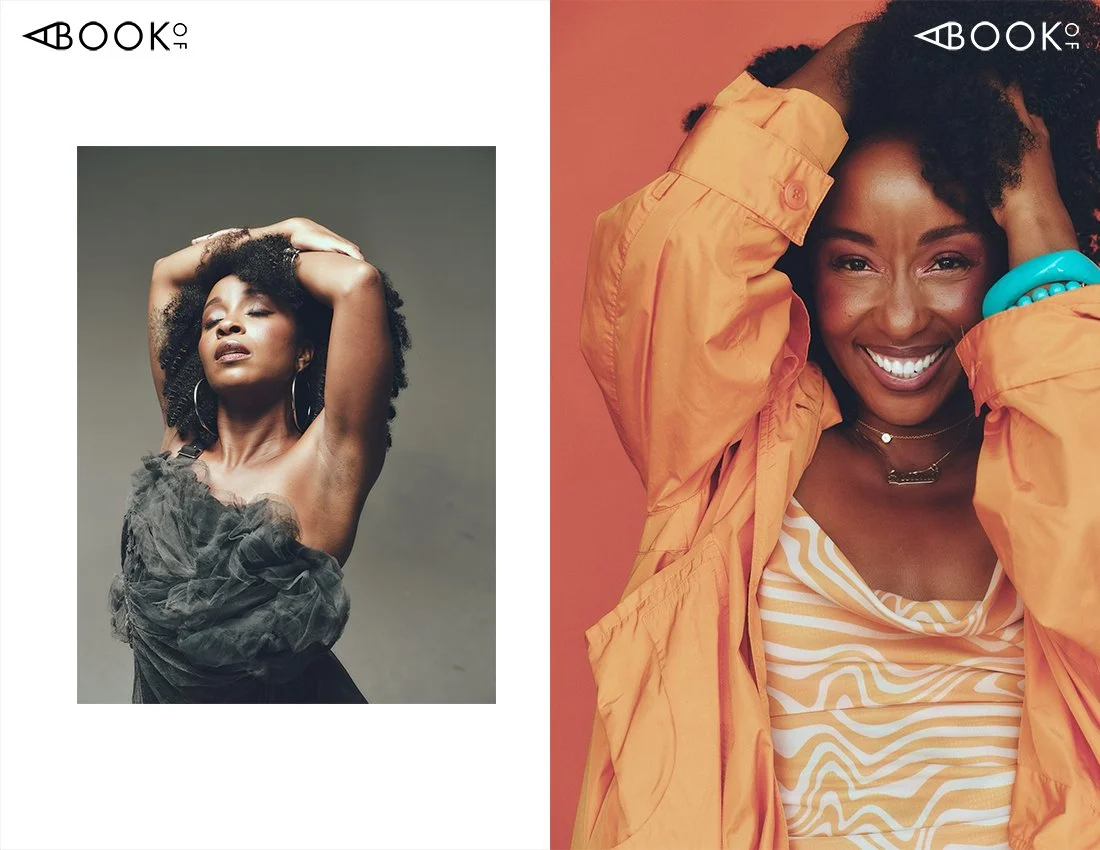
You have said you want to challenge the “good girl” trope. What are the messier, riskier, more contradictory versions of Black womanhood you are still hungry to explore?
Antiheroes and women who act in their own self-interest are a space I really want to inhabit. Women are so often portrayed and expected to be selfless and giving to the point of depletion, which carries wider and riskier implications than we like to admit. I want to embody a woman who puts herself first, sometimes even at the expense of others, the way men on screen get to be ambitious and unlikable without explanation. I think it would be genuinely compelling to watch a Black woman occupy that space unapologetically.
You have acted, written, directed, and produced. At what point does performing stop being enough, and a story starts asking to be authored by you from the ground up?
It’s really just a feeling. Sometimes I have an impulse to create something, and it’s pure, not coming from anything other than a need for self-expression. And sometimes I want the opportunity to work even when the phone isn’t ringing. I think it’s my responsibility to create that opportunity for myself. I’ll always love performing. But there are specific things I want to say, specific types of characters I don’t typically get to portray in other people’s work, so I take it upon myself to play in an arena I’ve built.
Lastly, if you were a book, what book would you be and why?
This is a hard one. I think of myself as a mix of a thirteen-year-old girl and an eighty-year-old woman, with splashes of wisdom, levity, and faith woven throughout. Somewhere between a Judy Blume novel and something by Maya Angelou or Toni Morrison. Right in that space between coming-of-age wonder and hard-earned grace.