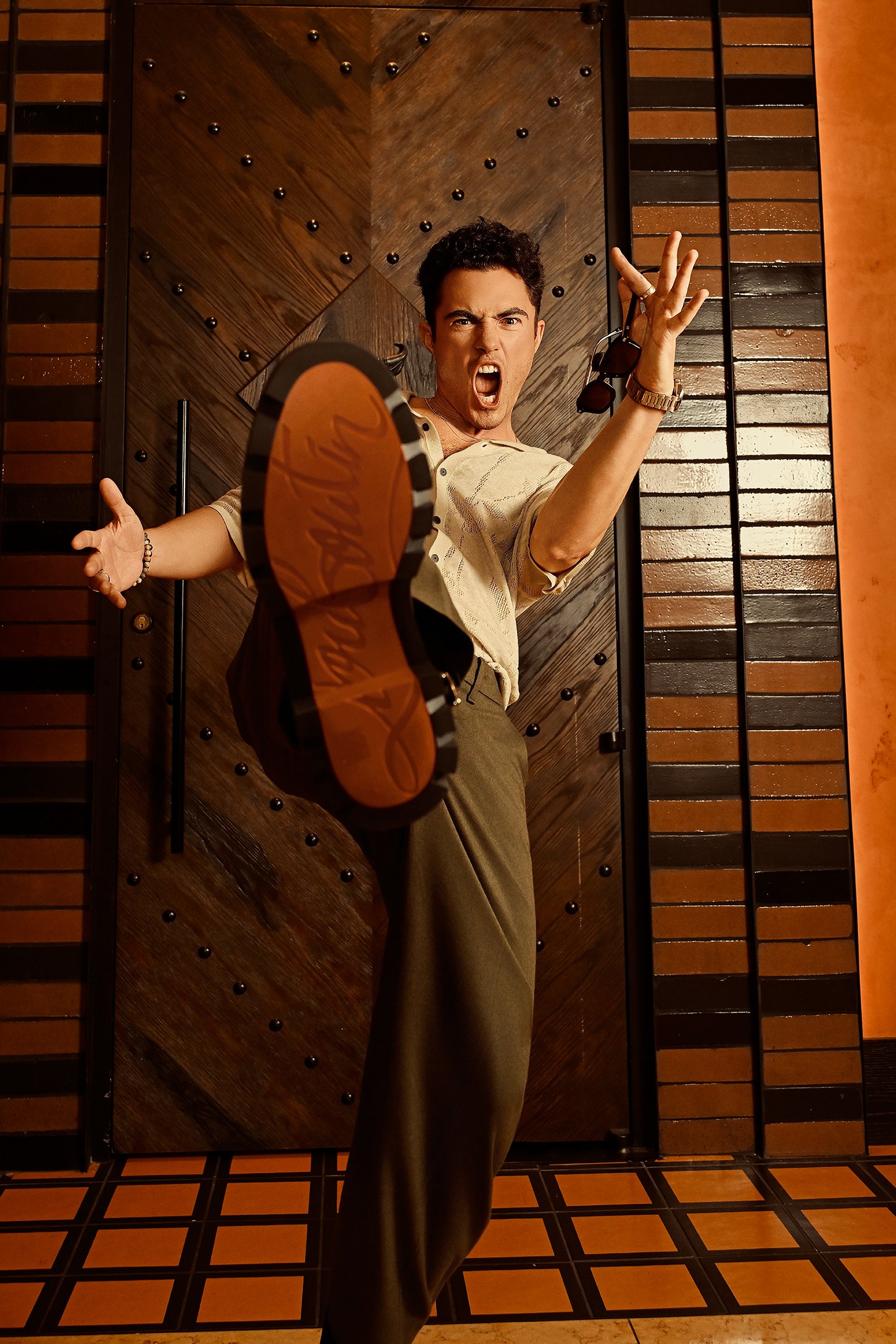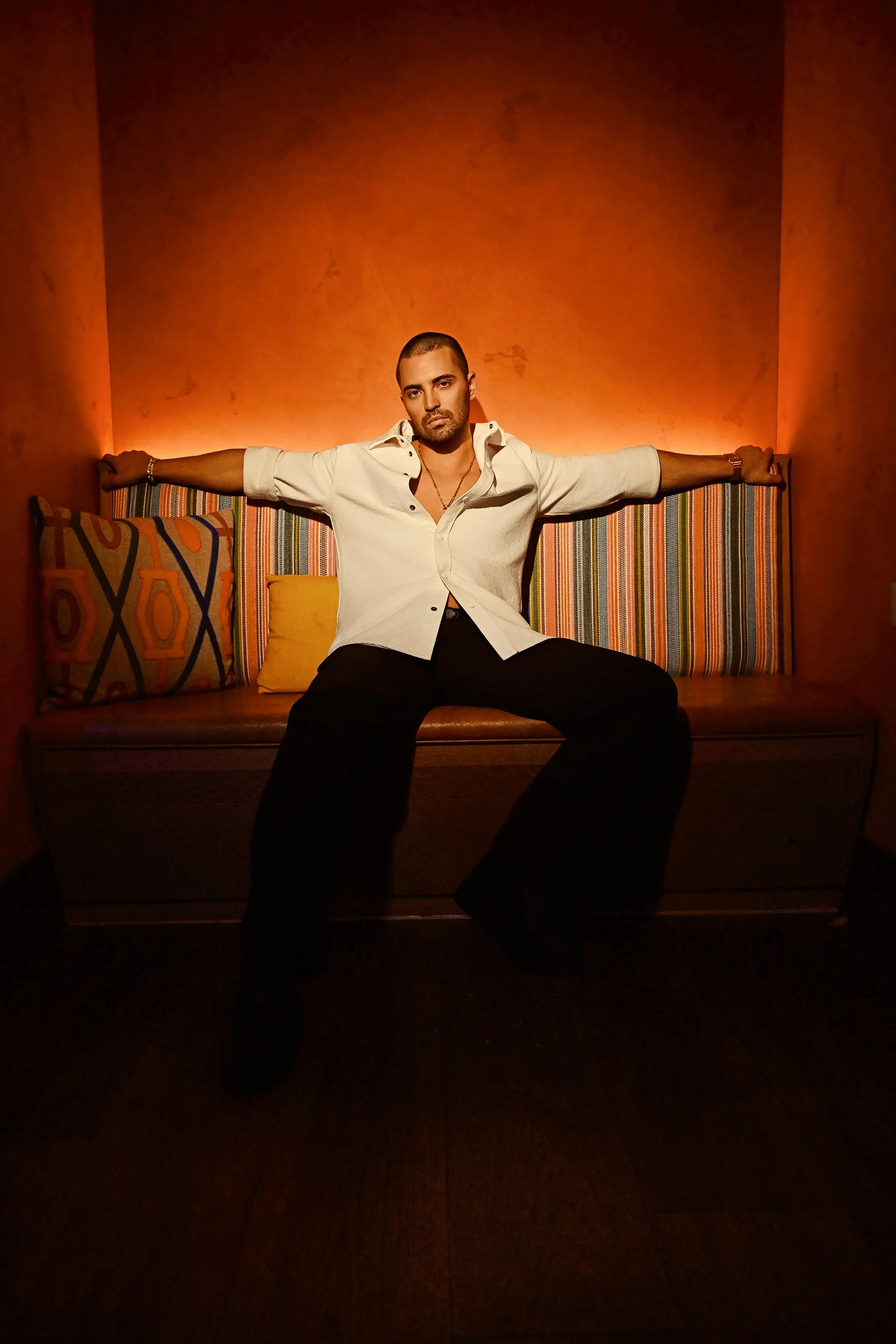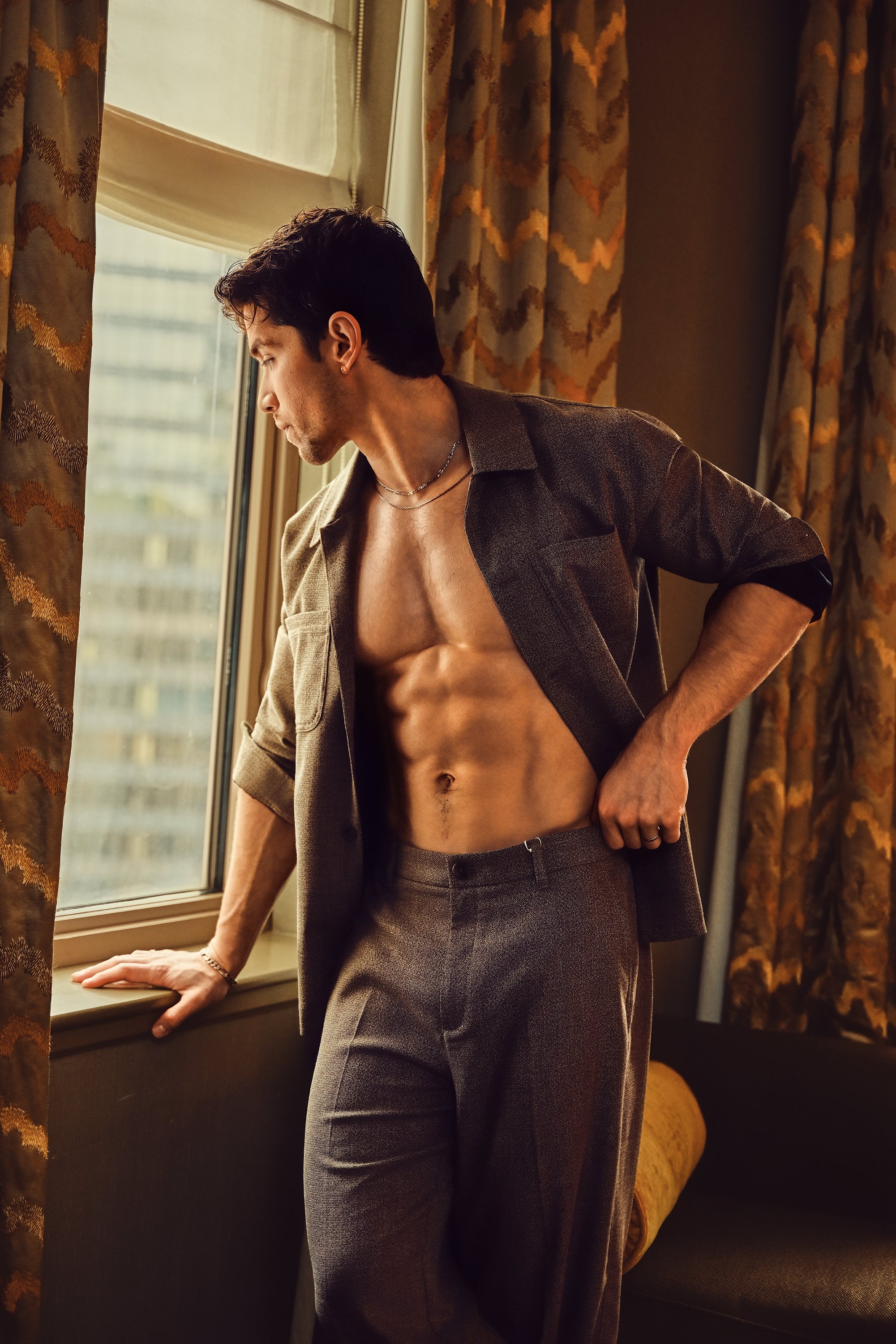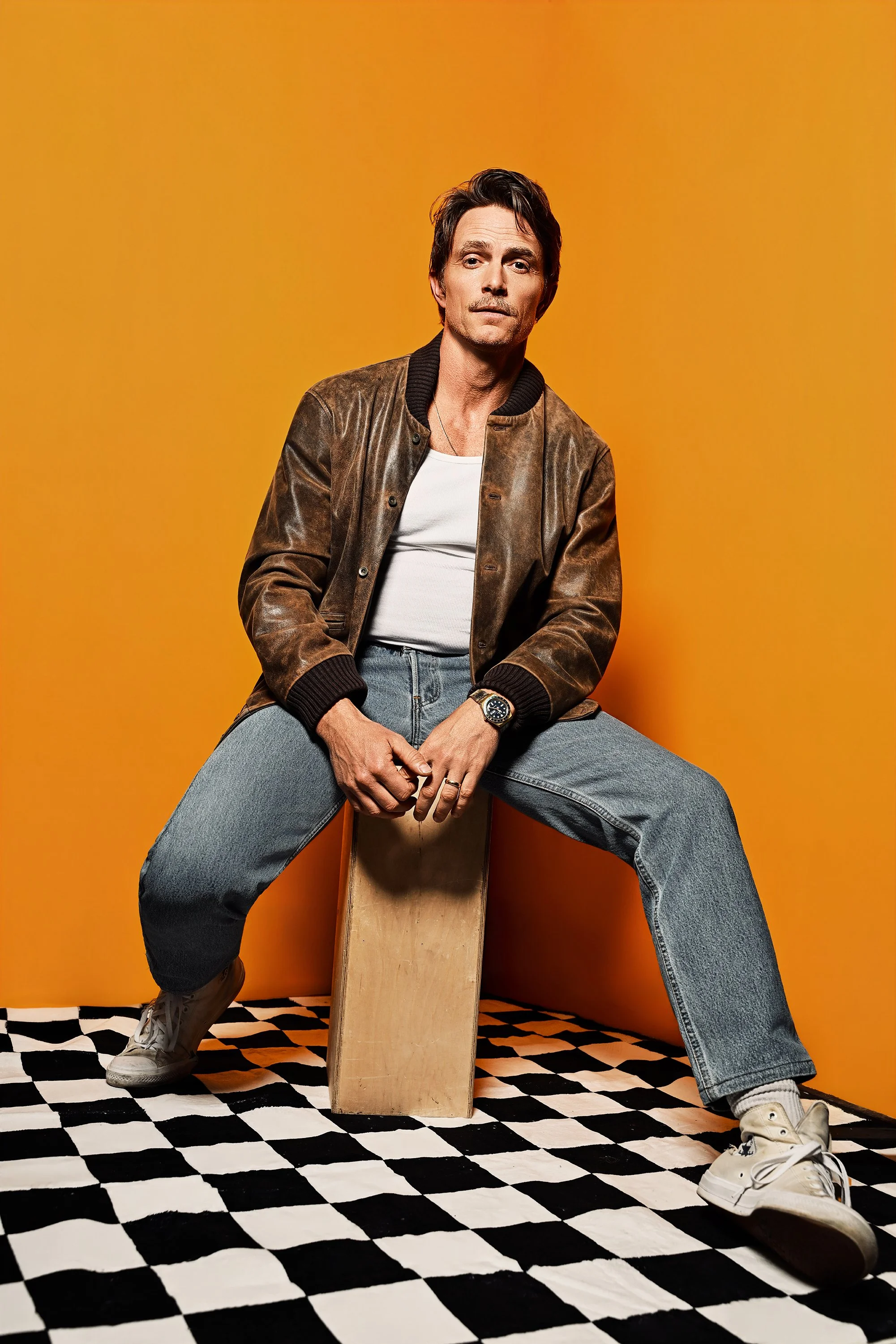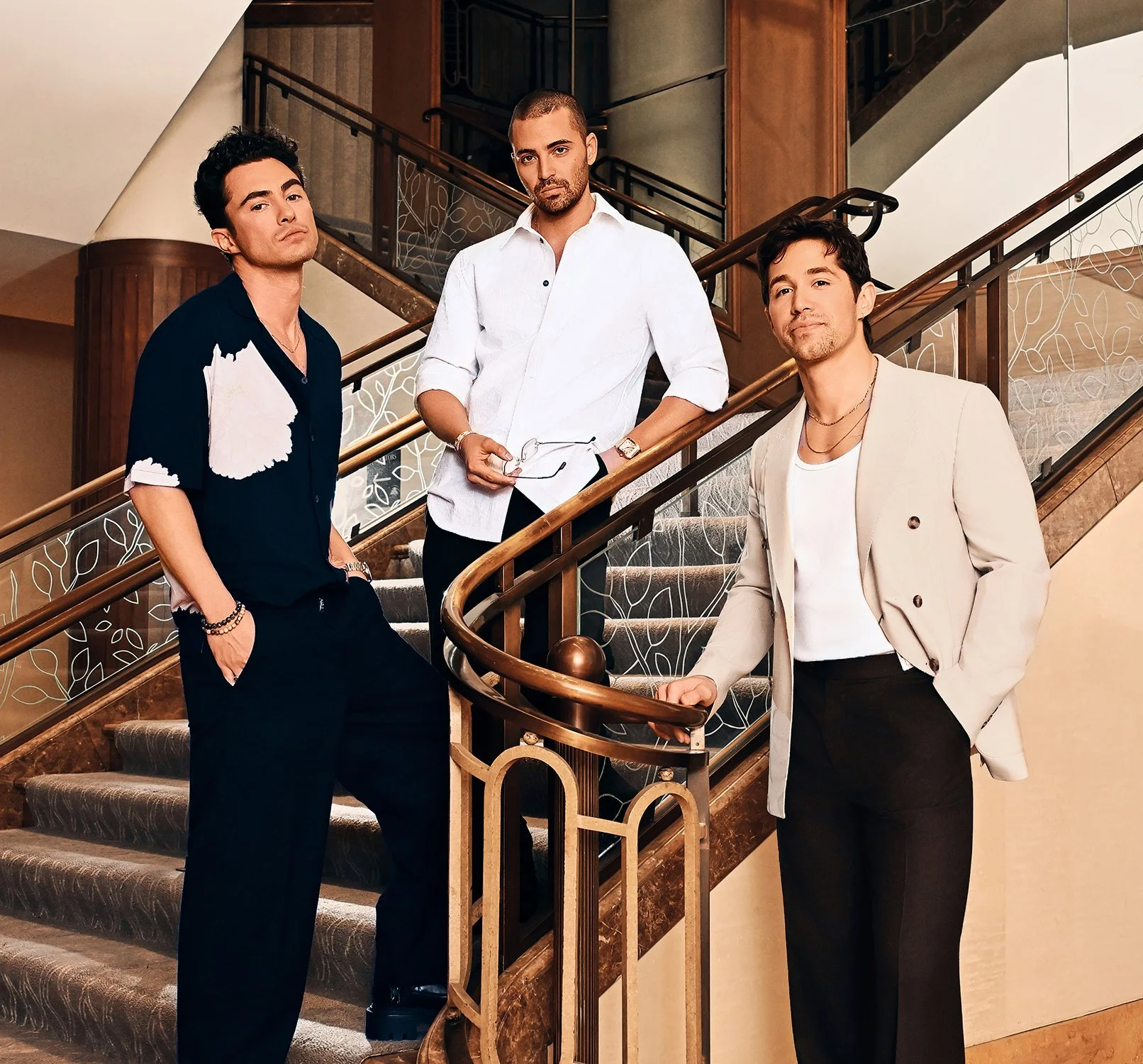
JOEY ZAUZIG
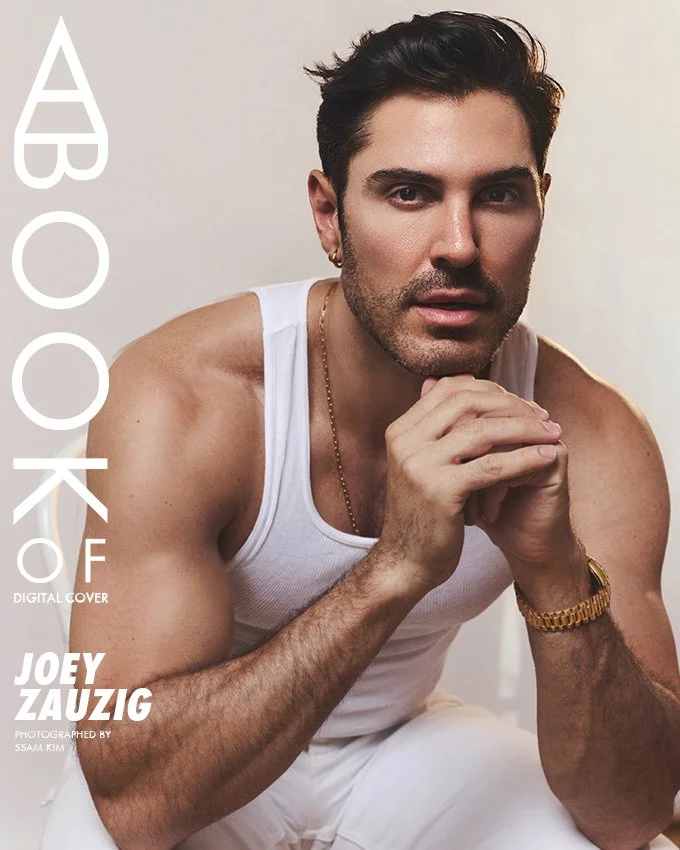
PHOTOGRPAHER: SSAM KIM
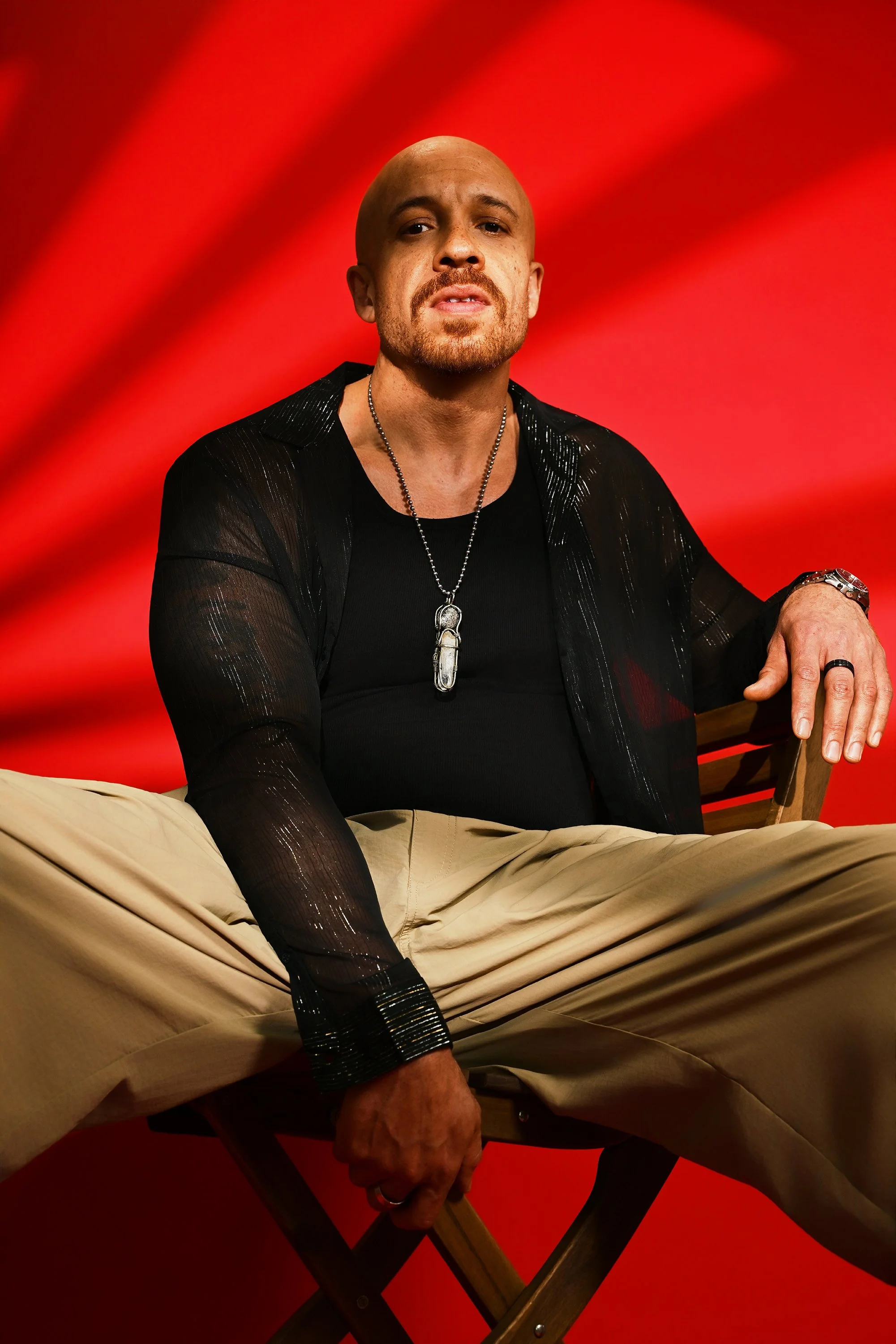
JOEY ZAUZIG has the rare gift of making a Caesar wrap sound like a confession, a dating story feel like a group chat, and a career pivot feel like something you should probably try before talking yourself out of it. The Los Angeles-based lifestyle creator, known online as “the internet’s best friend,” first broke through on MTV’s The Real Friends of WeHo, and now steps into the sharp, satirical world of Poreless, directed by Harris Doran and co-written by Doran and Fawzia Mirza, alongside Akbar Hamid, Allyce Beasley, Parvesh Cheena, Gia Crovatin, Diane Guerrero, Lucy Owen, Sophie von Haselberg, Sureni Weerasekera, Jillian Gottlieb, Joel Perez, and Zauzig himself. In conversation, Joey traces the line from a Virginia kid with thick skin to a VCU creative, New York fashion PR insider, reality TV personality, food-world instigator, and Sweetgreen collaborator, as the brand rolls out its biggest menu expansion yet with the nationwide launch of its wraps.
What makes Joey compelling is not only that he knows what people want to eat, watch, laugh at, and screenshot. It is that he understands the emotional temperature underneath all of it. He talks about bullying, his parents’ divorce, coming out, reality TV backlash, queer visibility, public dating, and the strange intimacy of being loved by strangers on the internet with the same quickness he brings to a viral orange chicken recipe or a “Skinty” comfort food obsession. “I wasn’t meant to be behind the camera,” he says. “I was meant to be in front of it.” Still, the most Joey answer may be the title of the book he would write about himself, a wink and a warning label all at once: Unwrapped: Professionally Unqualified.
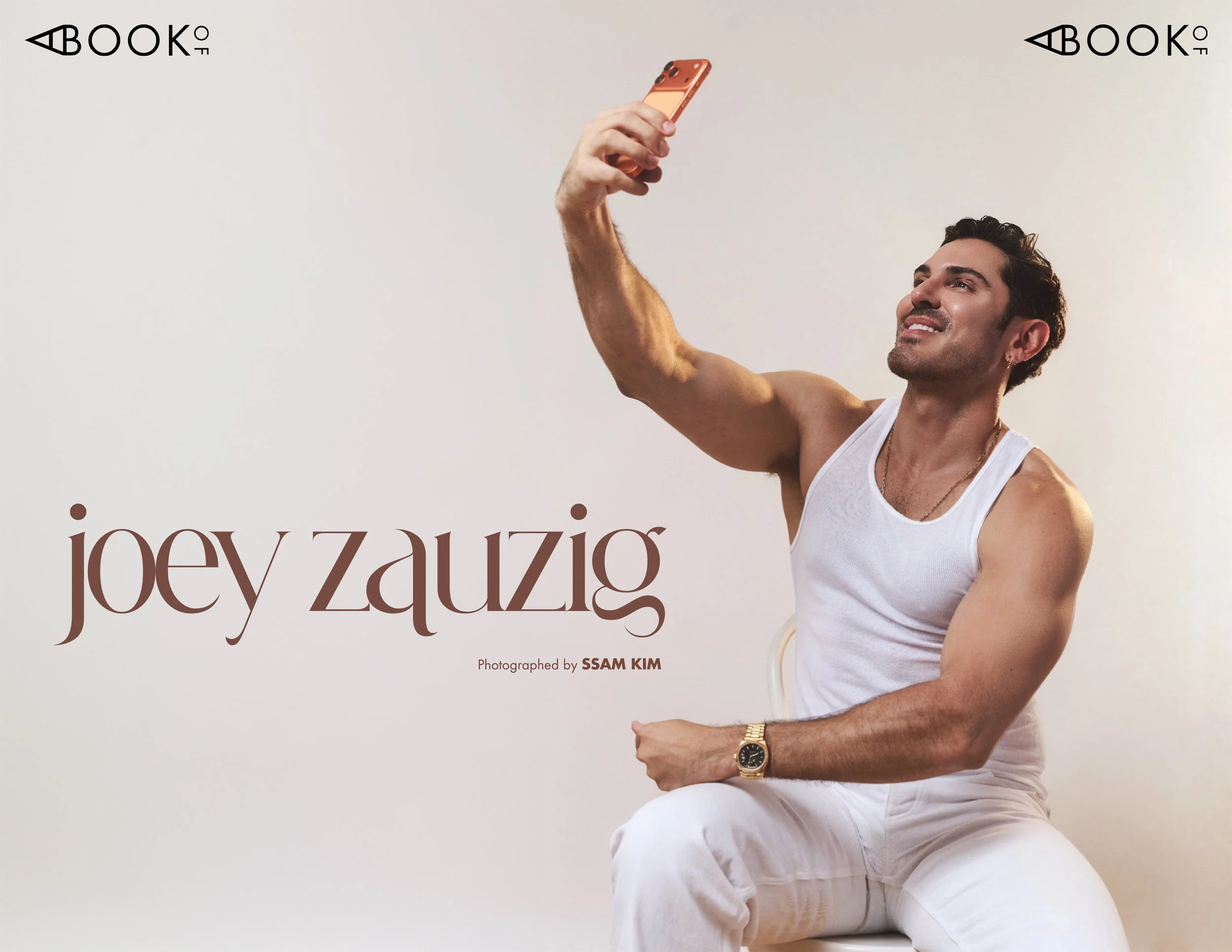
You’ve called yourself a country boy from Virginia, and there is something funny and tender about that when people now know you as the internet’s best friend in Los Angeles. How did growing up in Virginia, then finding your voice at VCU, in New York, in fashion PR, and eventually on social media, teach you to read a room before you ever started owning one?
Growing up in Virginia and being bullied taught me that I needed thick skin. It made me realize early on that I couldn’t let other people’s opinions affect me or stop me from pursuing my dreams. Between my parents’ divorce and not feeling comfortable coming out until the end of high school, I spent much of my younger years navigating different environments and learning how to read a room. During my parents’ divorce, I had to grow up quickly and become a source of support for my mom. That experience made me emotionally aware at a young age and taught me how to better understand people and situations. Then VCU completely changed my life. Being in Richmond, surrounded by art, creativity, and people expressing themselves freely, was the first time I truly felt like I could be myself and explore who I was without apology.
Before people knew you through food, dating stories, or reality TV, you were behind the scenes in PR, learning how images are built, protected, pitched, and sold. How did working around brands like Tommy Hilfiger shape the way you understand influence today, especially when your job now is to make influence feel casual, funny, and unforced?
Working behind the scenes taught me something important: I wasn't meant to be behind the camera; I was meant to be in front of it. But having that experience gave me a huge appreciation for everything that happens behind the scenes and the amount of work that goes into building brands and creating successful campaigns. I’ve always been driven to produce the best work possible, and I carried that mindset into what I do now. I truly believe every experience prepares you for the next one, and I honestly don't think I would be where I am today without my years working in PR. They gave me a foundation that still helps me every day.
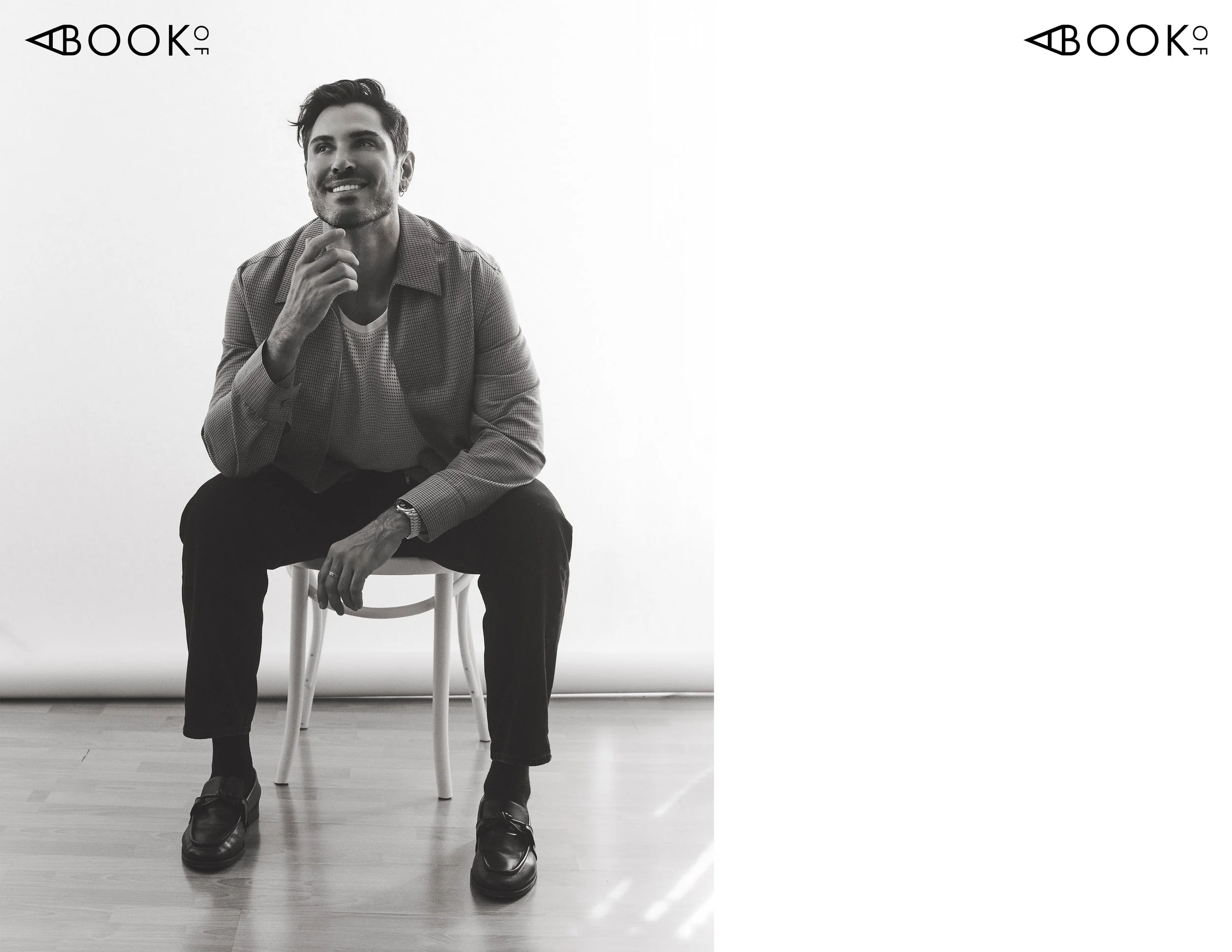
On The Real Friends of WeHo, viewers met a version of Joey that was funny, expressive, sharp, stylish, and sometimes polarizing, which is often what happens when a real personality gets compressed into television. How did watching yourself back change the way you understood your own humor, your own defensiveness, and the difference between being honest and being edited as honest?
Watching yourself back on TV is one of the best forms of therapy that money can’t buy. I won’t say it was easy watching myself back, and I definitely had a few cringe moments, but I’m someone who always learns pretty quickly when I see something I don’t love about myself. All in all, it was an incredible experience, and I wouldn’t take back anything. I think for that type of show, I was in the right place in my life, but I seriously would not take back the experience it was so fun and I will always have those experiences to watch back which I probably won’t lol.
You’ve talked before about people coming into a show with their own expectations, receipts, opinions, and judgments. How do you now carry the weight of queer visibility when the audience wants representation, entertainment, mess, sincerity, and accountability all at once?
I don't think people fully understand the pressure that can come with being in this industry. There are so many expectations, and it can feel impossible to check every box for everyone. At the end of the day, all you can do is stay authentic, try to make people smile, and create content that makes them feel good. I know I'm not going to be everyone's cup of tea, and that's okay. What I'm proud of is the community I've built. I've earned the trust of my audience, and there's a lot of genuine love there. If I can make someone laugh, brighten their day, or help them feel a little less alone, that's what matters most to me.
With Poreless, you step into a satire about beauty, image, tokenism, and the machinery behind what society calls marketable. How did being part of that film make you look differently at the beauty and lifestyle world you also work inside every day?
Being part of that project was such an amazing experience. I got to work alongside an incredible group of actors, and because I work in this industry myself, I felt like I understood the character on a deeper level. So many moments in the script reflected experiences I've had personally, both good and bad. That made the material feel incredibly real and gave me a deeper appreciation for the conversations the film is trying to have about beauty, image, and perception.
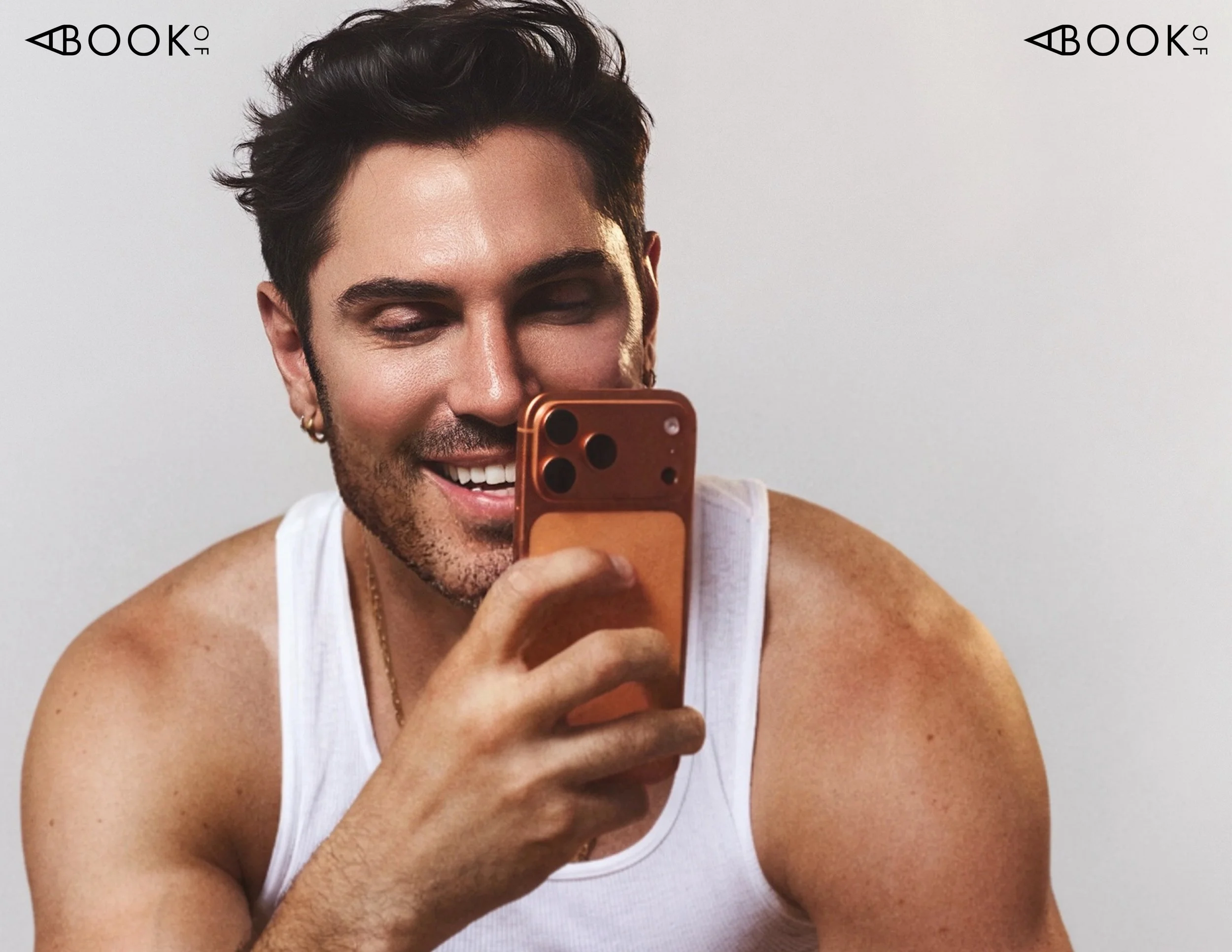
Your food content works because it does not feel precious. It feels like a friend in the car telling you what is actually worth eating. How do you know when a craving, a wrap, a Caesar salad moment, or a “Skinty” comfort food recipe is just a meal, and when it has the potential to become a full internet conversation?
The content I make always comes to me sometimes when I need it and sometimes when I feel like my audience needs it. Some of my best ideas come to me when I'm doing my favorite thing, which is eating, and most of the time it just happens to be while I'm by myself, enjoying a Caesar wrap for lunch.
You have the kind of platform that can send people to a restaurant, revive a menu item, or make a small business feel suddenly seen. How do you think about that responsibility when your taste can become someone else’s traffic, revenue, or overnight pressure?
It’s been really cool to see how I’ve helped some of these small businesses grow, and how people have trusted me with their reviews around LA and beyond. I feel like recently it has really ramped up, and I'm having people tag me in restaurants with lines out the door overnight with videos I’ve made. And to get messages from the owners, seeing their business grow… There really is no better feeling, and it makes me so happy.
For a culinary inclusion, let’s build the Joey Zauzig recipe in real time. If your Sweetgreen partnership, your viral orange chicken, your chicken Caesar wrap obsession, and your “Skinty” comfort food universe all had to become one signature dish, what would it be, what would go in it, and what would it say about the way you eat now?
This year is all about collaboration, so let's just say the Joey dish might be closer than we think.
A lot of your audience comes to you for humor, but they stay because there is usually a bruise underneath the joke, whether it is dating, rejection, confidence, or trying not to let loneliness make decisions for you. How has dating in public changed the way you protect your softness without turning
cold?
Honestly its been tricky nailing it, especially in LA I’m not generally a closed-off person, but I think being public has forced me to be. Which might be for the best, so I can be a little bit more intentional with who I’m letting into my world.
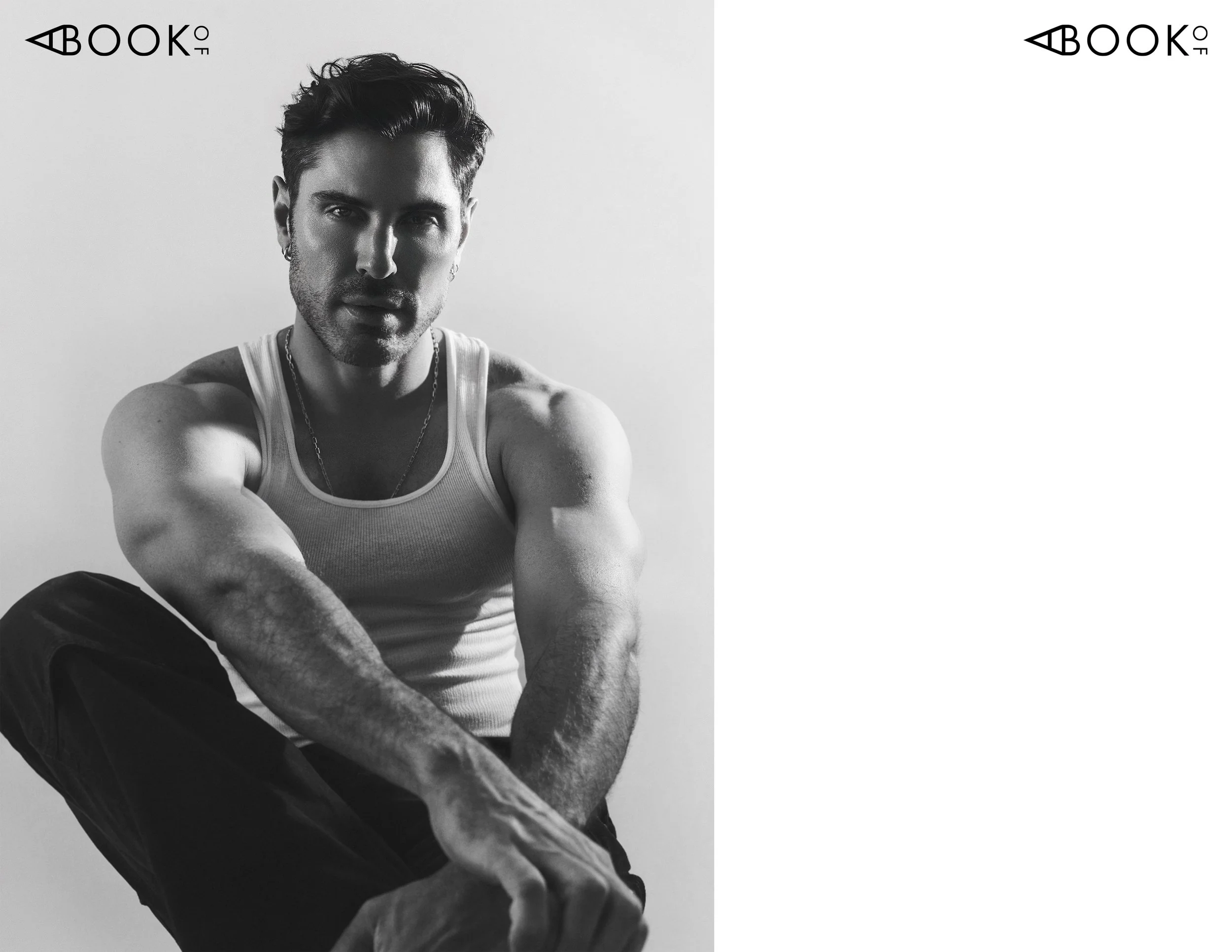
You have built a platform on being accessible, but accessibility can become exhausting when strangers feel like they know you, want from you, or project onto you. How do you decide which parts of your life still belong only to you?
I'm pretty much an open book, but it's really important to me that my personal life stays personal and my internet life stays on the internet. I think my content comes out better when I work on myself privately and not on the internet.
If you were a book, what book would you be and why? It can be a real title, a made-up title, a genre, a cookbook, a memoir, a survival guide, or something no one has written yet.
If I were to write a book, the title would be “Unwrapped: Professional Unqualified” because I give advice but am still learning and growing as a person, and I think I could use my own advice sometimes.