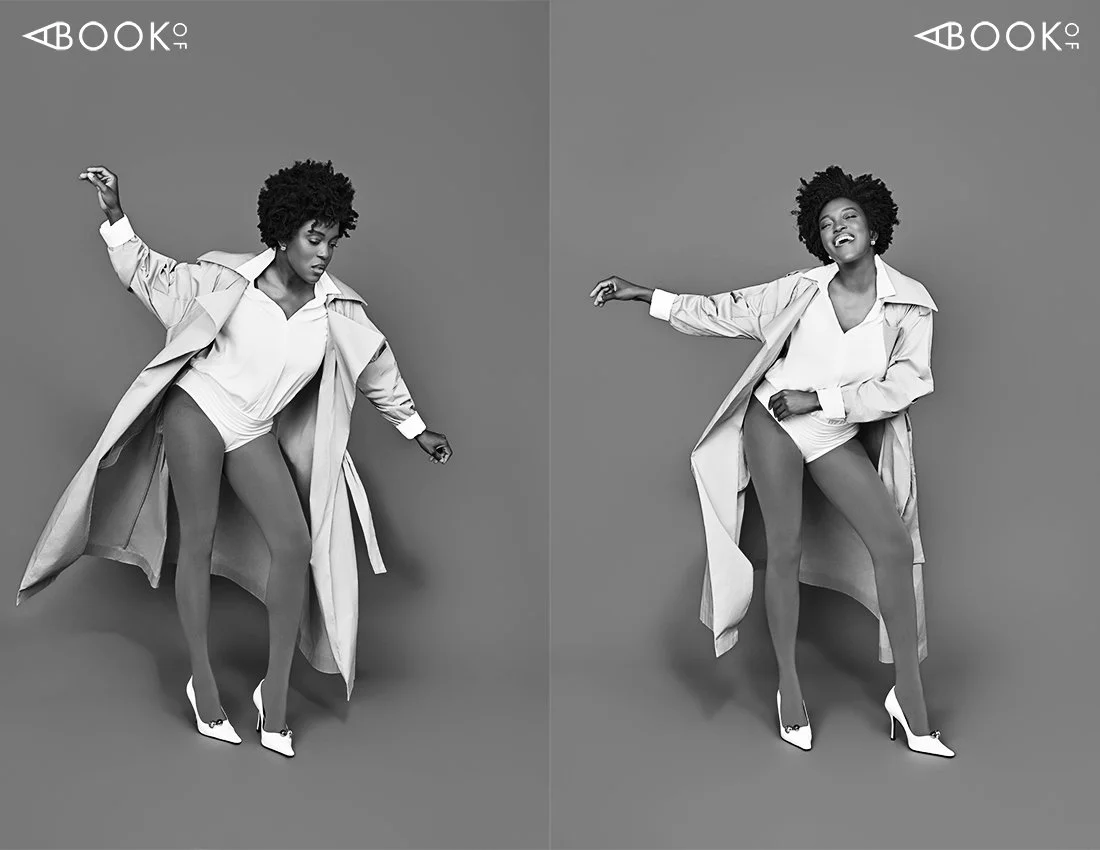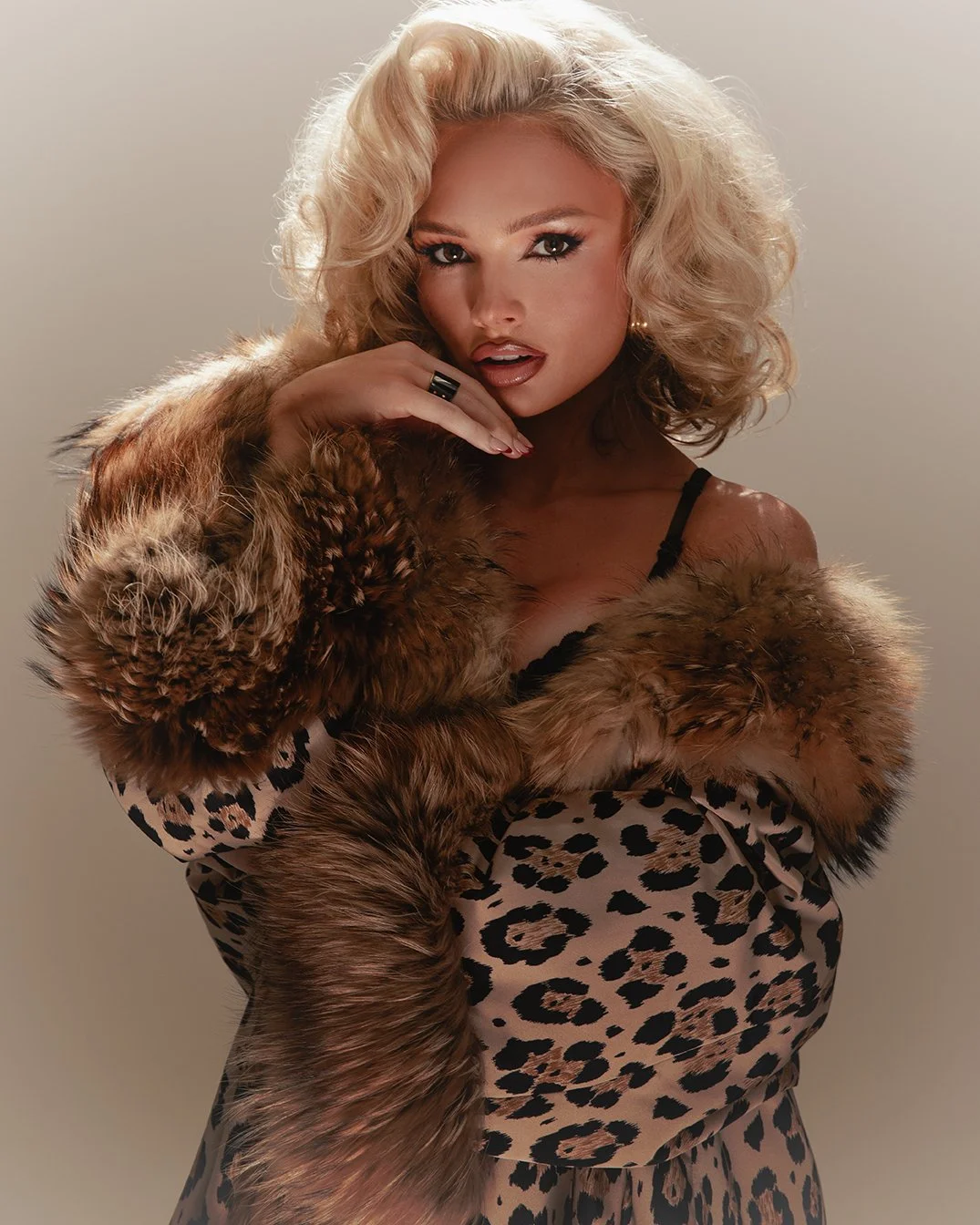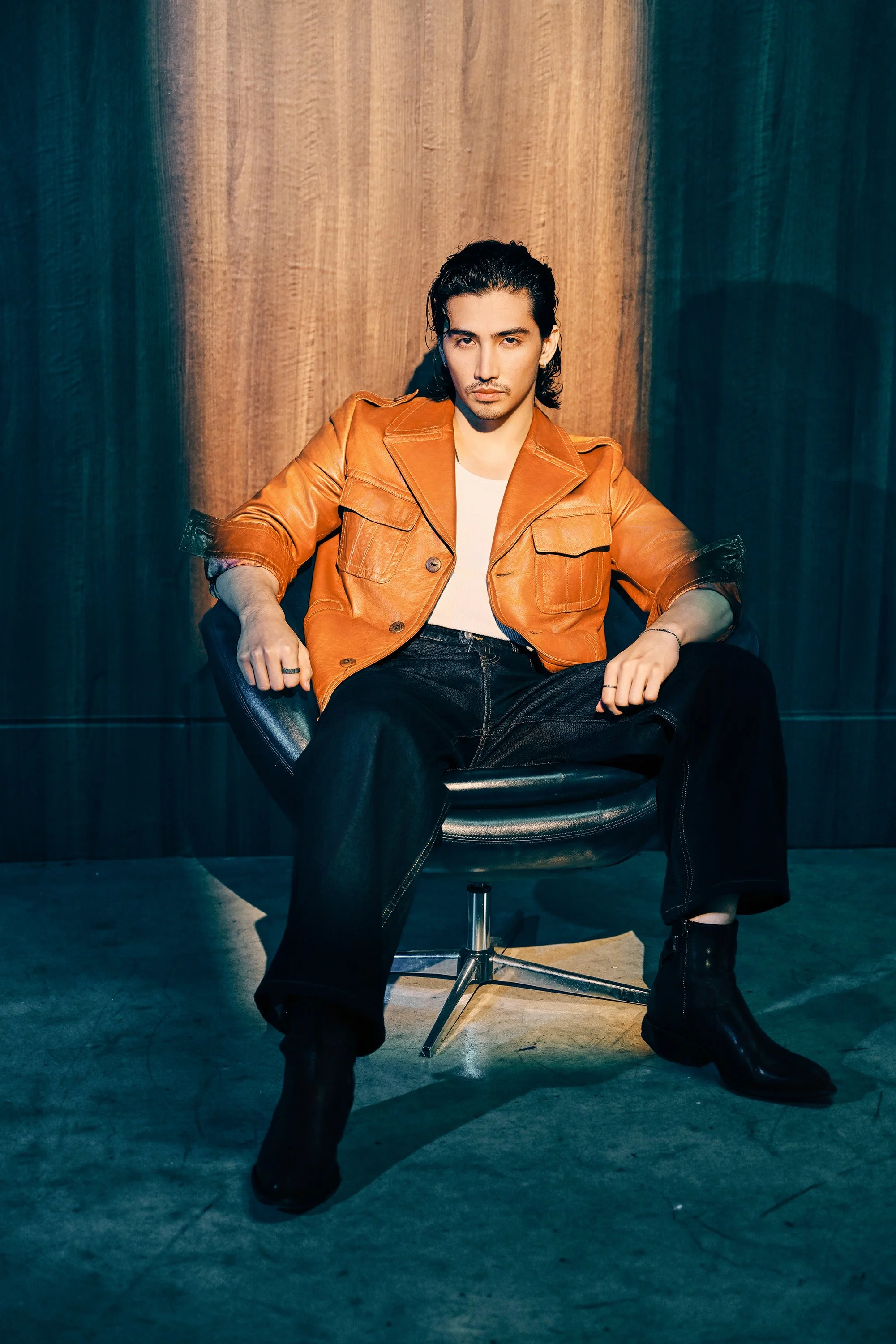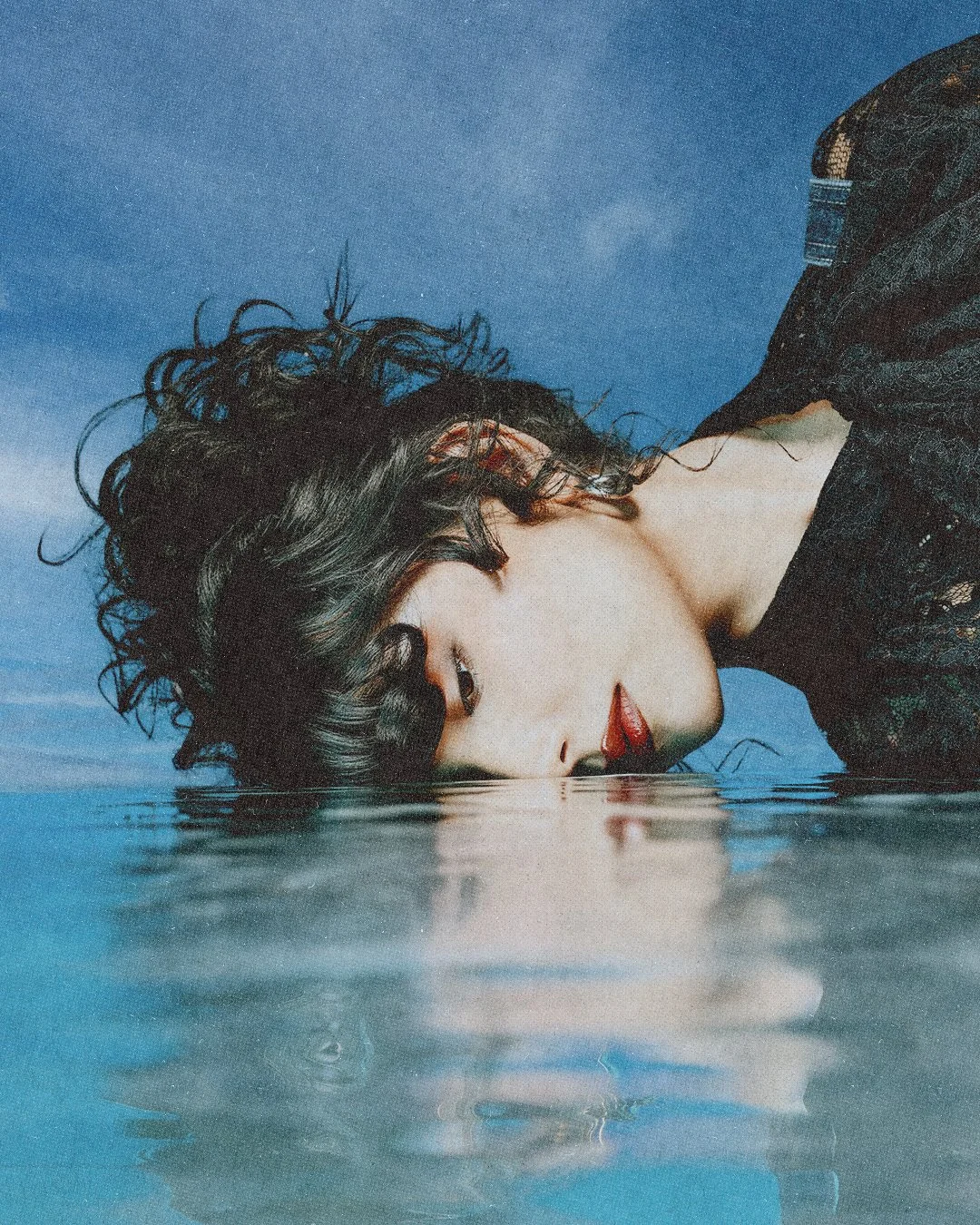
FROM ATLANTA TO PARADISE, KRYS MARSHALL LEADS WITH PURPOSE
INTERVIEW BY IRVIN RIVERA
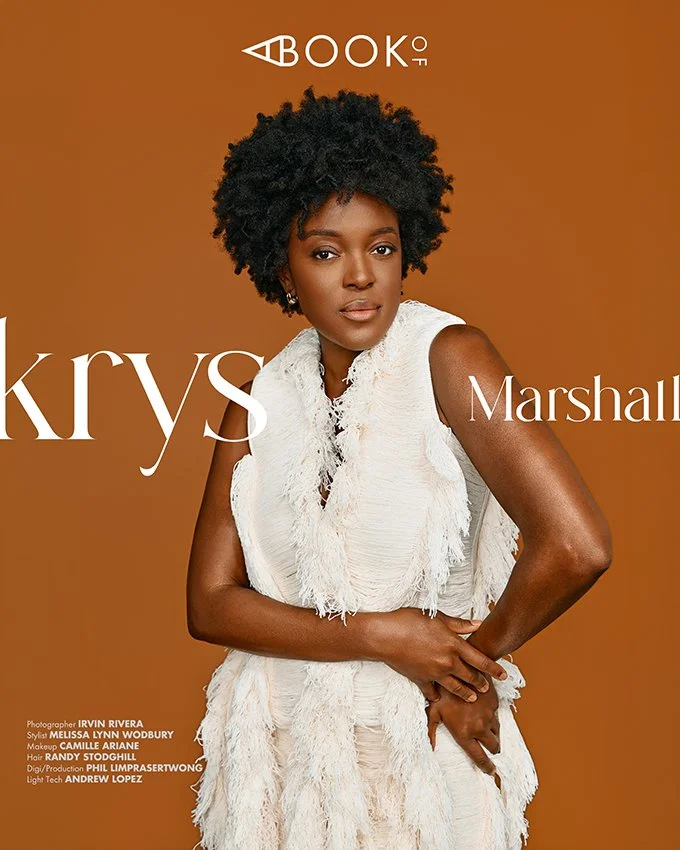
Photographer: IRVIN RIVERA, Stylist: MELISSA LYNN WOODBURY, Makeup: CAMILLE ARIANE Hair: RANDY STODGHILL, Digitech/Producer: PHIL LIMPRASERTWONG, Light Tech: ANDREW LOPEZ, Location: STUDIO METROPOLIS
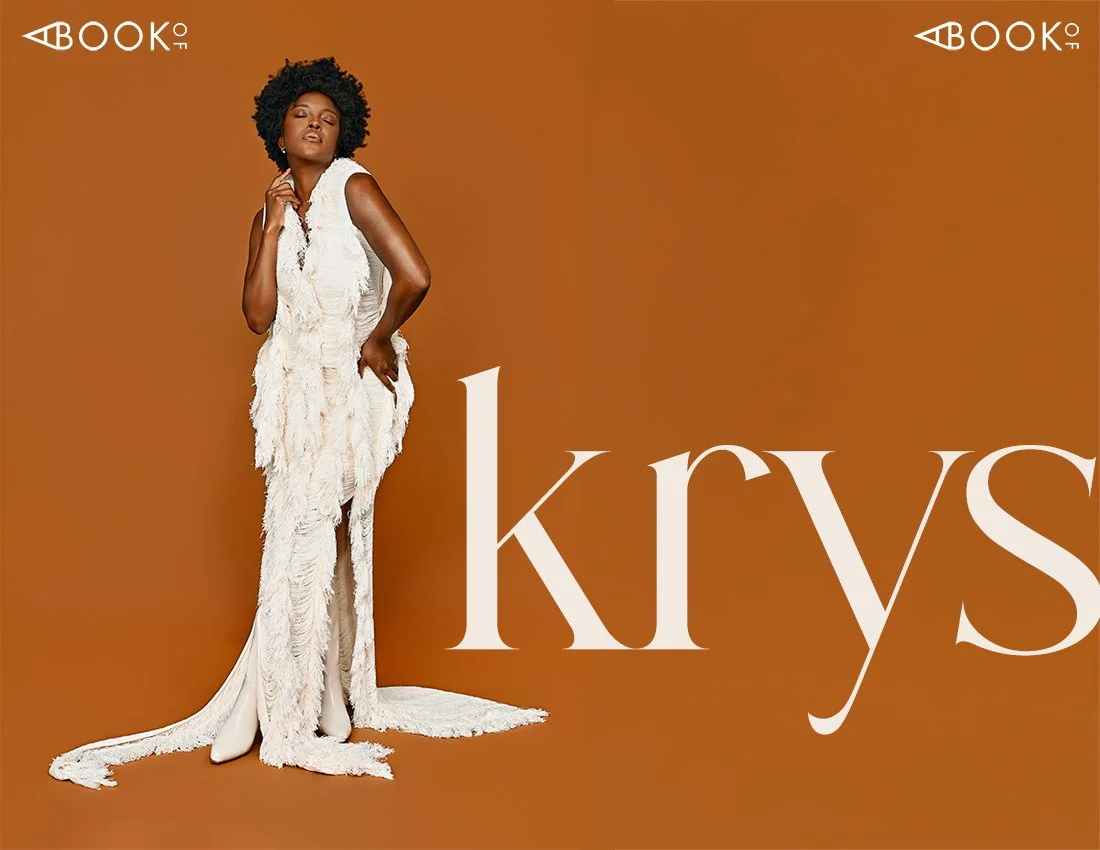
KRYS MARSHALL makes Paradise hit harder. In Hulu’s sleek, nerve-jangling political thriller from creator Dan Fogelman, led by Sterling K. Brown, Julianne Nicholson, James Marsden, Sarah Shahi, and Marshall, she plays Nicole Robinson with the kind of control that makes you lean in closer, even when the world around her is falling apart. There is nothing flimsy about her presence. She brings steel, restraint, and a simmering emotional intelligence to a character caught between duty and disillusionment, and that tension feels even richer once you hear Marshall speak about where it all comes from. Raised in Atlanta in what she describes as a matriarchy, she grew up watching women lead with love, authority, and grit, and you can feel that inheritance in every woman she plays.
What makes Marshall so compelling, though, is that she never talks about ambition as performance. She talks about endurance, about unseen labor, about the cost of staying true to yourself when the world keeps nudging you toward compromise. In conversation, she moves easily from representation and climate anxiety to motherhood, purpose, and the hard-earned art of asking for more, all without sounding rehearsed for a second. That is what gives this interview its pulse. She is not just reflecting on power; she is examining what it takes to keep your humanity inside it. By the time Marshall says, “What a missed opportunity to tell a story without trying to teach at the same time,” the line does more than tease the pages ahead. It opens the door to a woman thinking deeply about art, responsibility, and the kind of legacy worth leaving behind.
You grew up in Atlanta, came through a performing-arts track at Pebblebrook, and then trained at UNCSA. When you think about the first version of yourself who wanted a creative life, what did your hometown give you that still shows up in the women you play now, especially women as composed and commanding as Danielle Poole and Nicole Robinson?
I grew up in a matriarchy. Both of my grandfathers died relatively young, so I saw the women in my family as the leaders; they hosted gatherings, delegated responsibilities, loved hard, and held the family together. From an early age, I made an unconscious vow to be like them and worked to create a life as a woman who leads. Since that value is woven in me, and in the fabric of my upbringing, it’s natural that it comes into the characters I play.
You have spoken so thoughtfully about not believing in the fantasy of the “big break,” even though For All Mankind arrived through a last-minute audition that changed everything. How did that moment reshape your relationship to preparation, instinct, and the kind of courage it takes to make a strong choice before you feel fully ready?
I think any successful career can be likened to an iceberg; the part you see is minuscule compared to the rest beneath the surface. So, of course, there are jobs or moments that progressed my career, but I think it’s the unseen work, the years of toiling and dedicating to this craft, that put me in a position to capitalize on that “Big Break”; you can’t have one without the other. I think if there’s anything “Big breaks” have taught me, it’s to never give up. It’s a reminder to stay the course, no matter how difficult it is, or how close you feel to letting it all go. Your game-changing opportunity could be around the corner.
Before these larger, defining roles, you were building a career one job at a time. When you look back at the version of Krys who kept showing up anyway, what do you think she understood about endurance that the industry still struggles to respect?
I remember my first day at drama school: our Dean told us to look at the person to our left, then look at the person to our right, and know that at the end of these next 4 years, one of you won’t be here. It terrified us to hear it put so plainly, but he was 100% right.
Because in the beginning, you won’t make much money, you won’t have fame or accolades, and you won’t get acknowledgment or respect for your work. You have to do it for love. You have to love it so much that when all those rewards come (and eventually go), you have staying power because you love it and don’t want to be anywhere else.
Danielle Poole and Nicole Robinson feel like two very different kinds of authority. Danielle leads with steadiness and earned trust, while Robinson is tougher, more guarded, and eventually more renegade. What have those two women taught you about the difference between serving a system and surviving one?
Danielle Poole and Agent Robinson share an allegiance to truth and honor, but how they go about serving that allegiance is what makes them very different women. Danielle loves to explore and has dedicated her life to science and the space program. As the first black woman in an all-white, all-male environment, she uses her patience, her intellect, and her compassion to play the game and stay the course. Robinson is also the only black woman in this all-white, all-male, bureaucratic world, she masks and almost abandons her humanity and compassion because in this environment, those vulnerabilities could get her killed. What I find exciting about both of these characters is that, over time, they are pushed to the brink and forced to break free.
One of the most moving things you have said about For All Mankind is that a scientist or astronaut can look like you. When you hear from girls and women in STEM, or from Black viewers who feel newly seen in these futuristic worlds, what responsibility do you feel, and what freedom do you feel, in carrying that kind of representation without letting it flatten the character into a symbol?
I feel very privileged and humbled to play a character that black and brown girls can look up to. For most folks, if you asked: “What does an astronaut look like?” They’d point to Tom Hanks or Ryan Gosling... Matt Damon or Brad Pitt. And all of those men did wonderful jobs playing astronauts, but they don’t represent the full truth of what the space program is, and what it could be. Seeing is believing, and the more we normalize women and people of color in STEM, the more young people will pursue STEM careers. Representation matters.
With Robinson, what fascinates me is that her moral compass does not disappear when the world collapses; it sharpens. At what point did you realize she was not just a loyal insider, but a woman who would eventually choose truth over order, even if that choice cost her everything?
At about the midway point of Season 1, we see Robinson at a real low; she’s lost her man, she’s been lied to and led astray by this system, and she’s lost faith in Leadership.
She sees that the folks who were meant to serve and protect us have a hidden agenda, and that the only way to see through the mission of protecting the only people left on earth is to do things differently. It’s a real crossroads for the character: to follow the path of least resistance or to charge ahead into uncharted territory, and she chooses the latter.

Paradise hits especially hard because its fear does not feel abstract. You have spoken about the eerie overlap between the show’s climate anxiety and the real fires in Los Angeles. As an artist, how do you hold the line between storytelling and warning, between making something entertaining and making something that asks people to wake up?
Because of the success and popularity of my shows, I’ve been given a platform to speak my mind and ideally effect change. So whether it's championing women’s rights, protecting the LGBTQ community, or speaking up for Black and Brown folks, undocumented immigrants, and other vulnerable groups, I feel very called to use my moment at the microphone responsibly. Speaking specifically about climate change, I’ll admit that it wasn’t my most immediate concern when so many other aspects of my identity were under attack. But when the LA fires literally arrived at my doorstep, I saw then how real climate change is and the damage mankind has and continues to do to this planet.
Storytelling is truly the oldest form of entertainment. We learn through example, through mimicry, through empathy, and by seeing ourselves in others. What a missed opportunity to tell a story without trying to teach at the same time.
In more recent conversations, you have discussed self-advocacy, fair pay, women uplifting women, and mentoring young people to find their voices. What lesson did you have to learn the hard way about asking for more, and what do you now refuse to apologize for wanting, whether in your work or in your life?
I had to learn the hard way that when you abandon yourself and your morals and desires in favor of pleasing others, that in the end, it’s always you who pays the price. It’s not easy to advocate for yourself; every day we are given incentives not to rock the boat, not to push the envelope, to keep calm and carry on. So, whether it’s asking for more money in a negotiation or asking for more time on my turnarounds to accommodate being the mom of a newborn, every day in my career, I’m challenged to advocate for myself while also being thoughtful and respectful of others. It is indeed a delicate balance, but one that is worth trying to strike. And when I fight for myself, I’m always rewarded. Even when I don’t get exactly what I want, I’m getting more than I would if I hadn’t asked at all.
You have also said motherhood made you feel more creative, more driven, and more grounded in purpose. How has becoming a mother changed the way you measure ambition, and what parts of your younger self has it actually brought back to you?
Being a mom has activated my sense of play and adventure. As an adult, you spend so much of your day trying to do things right and operate with efficiency, but when you’re playing with a kid, there is no way to get it right or wrong. Their imaginations run wild, and they pull you into living in the now, which is both so foreign and also so fun. And that translates to my work because I find myself so much more daring. I’m not afraid to look silly or make wild choices. And most of all, I feel very rooted in my purpose. As an actor, you’re constantly met with rejection, and the slings and arrows of this industry can really wear you down. But knowing that I have my family, and my children who remain constant, in a home where I am loved and valued, I’m no longer looking to the industry to validate me. My worth is with them and within myself.