WILSON BETHEL ON BULLSEYE, CONTRADICTION, AND THE CHARACTERS WE CANNOT QUIT
BY IRVIN RIVERA
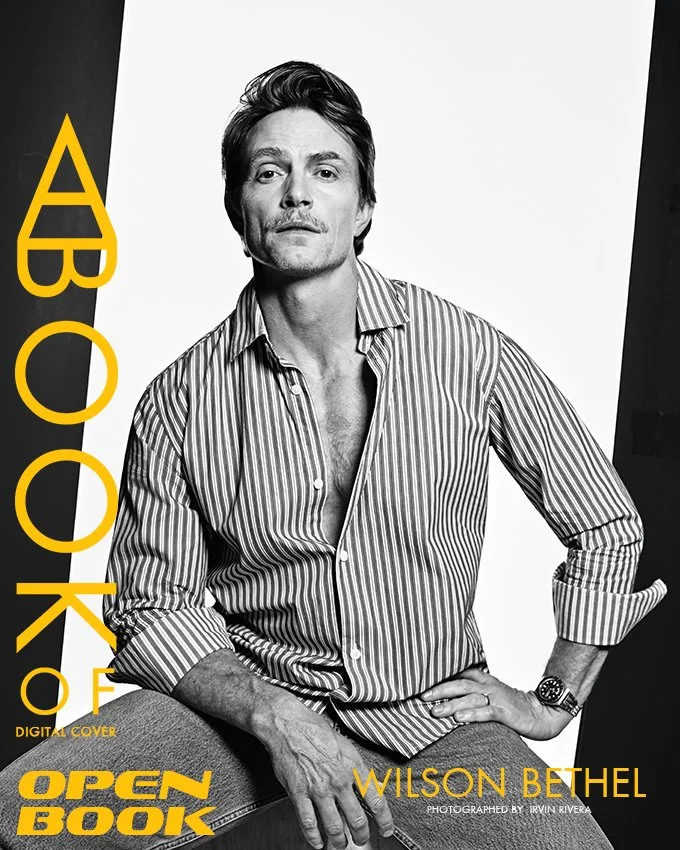
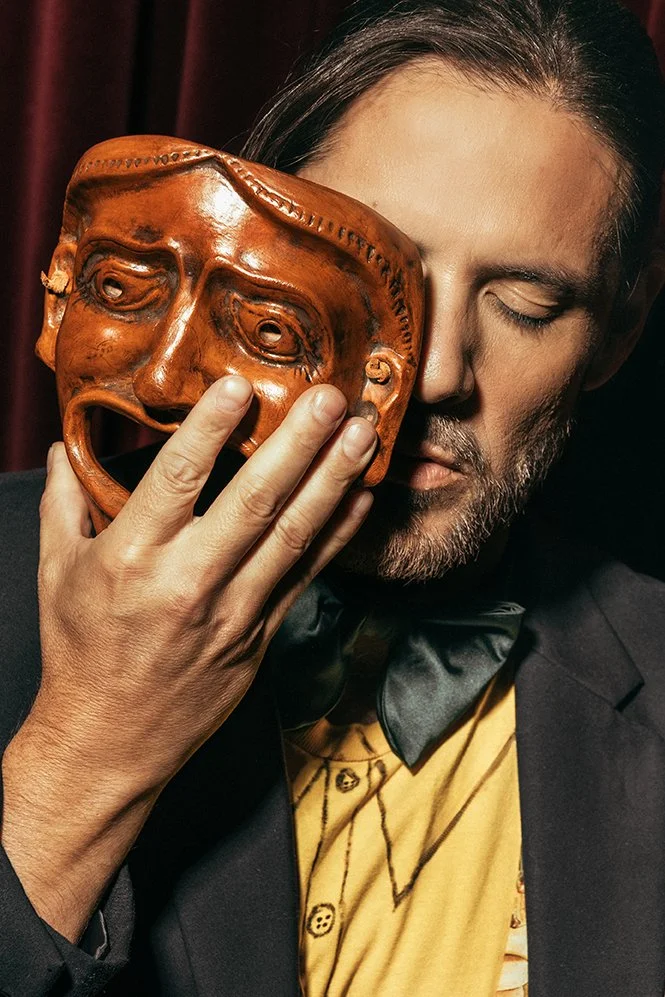
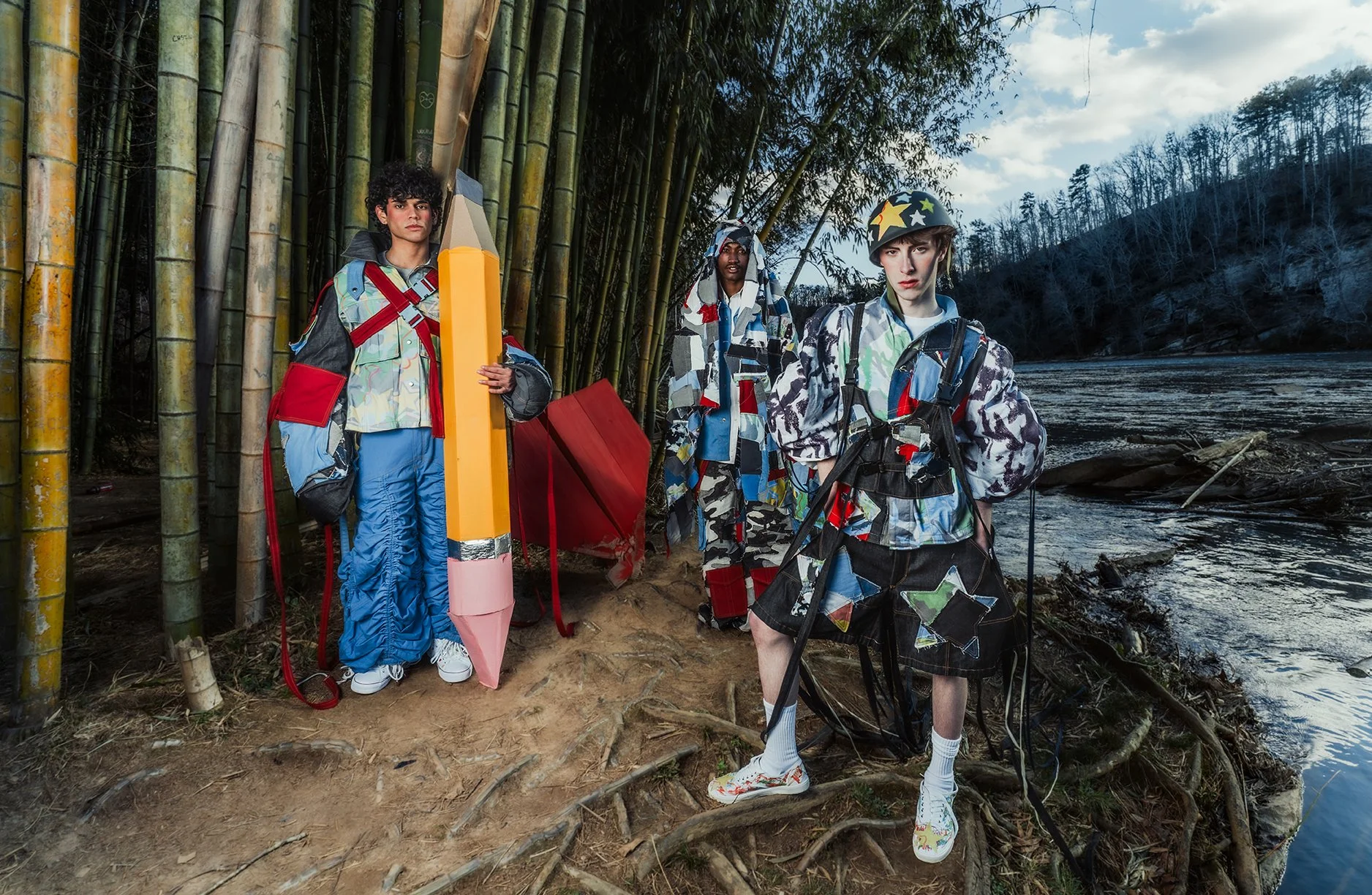
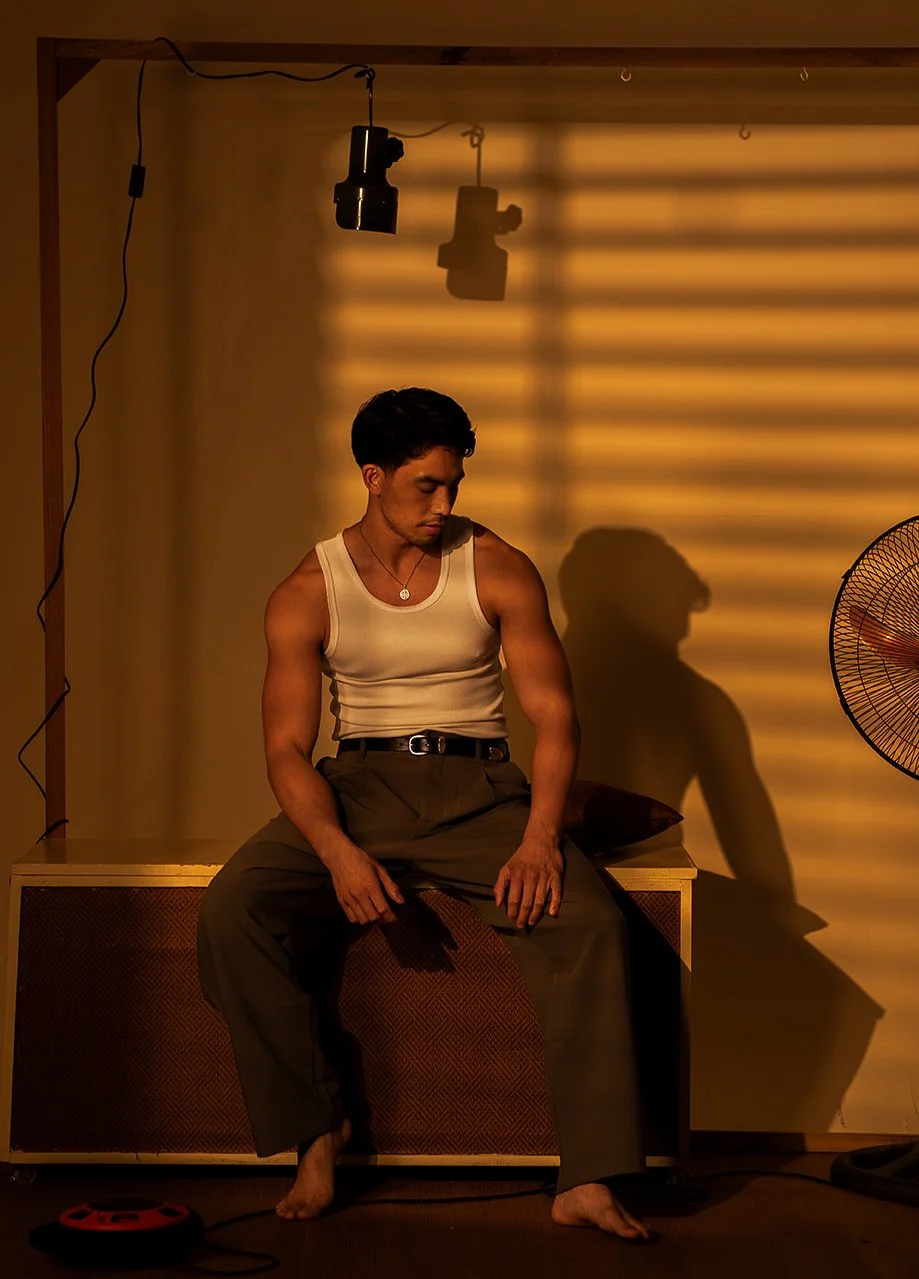
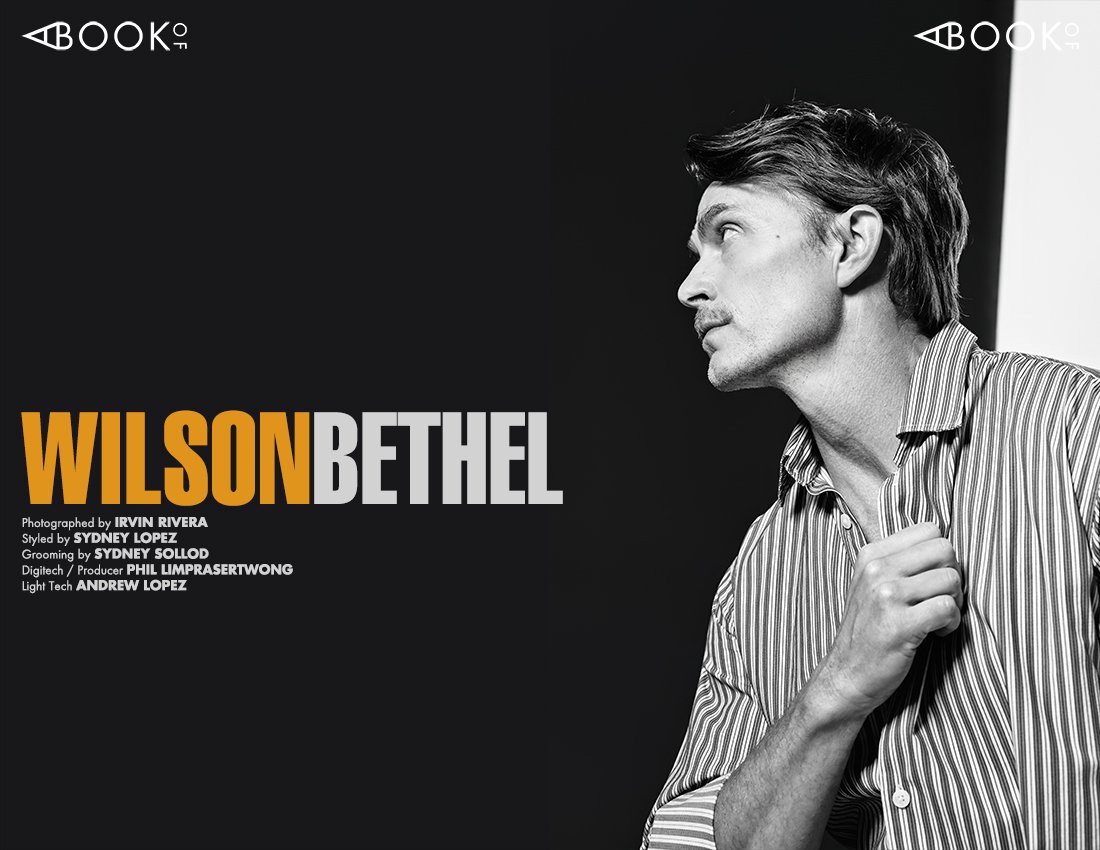
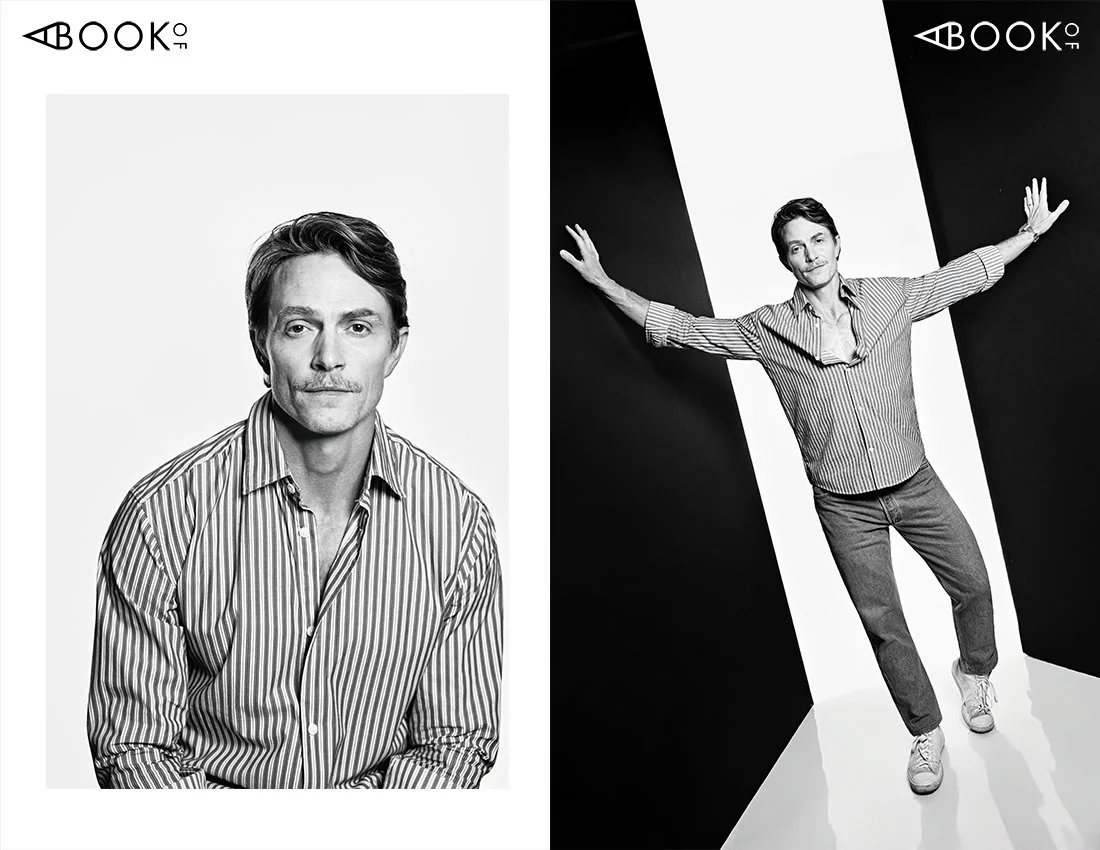
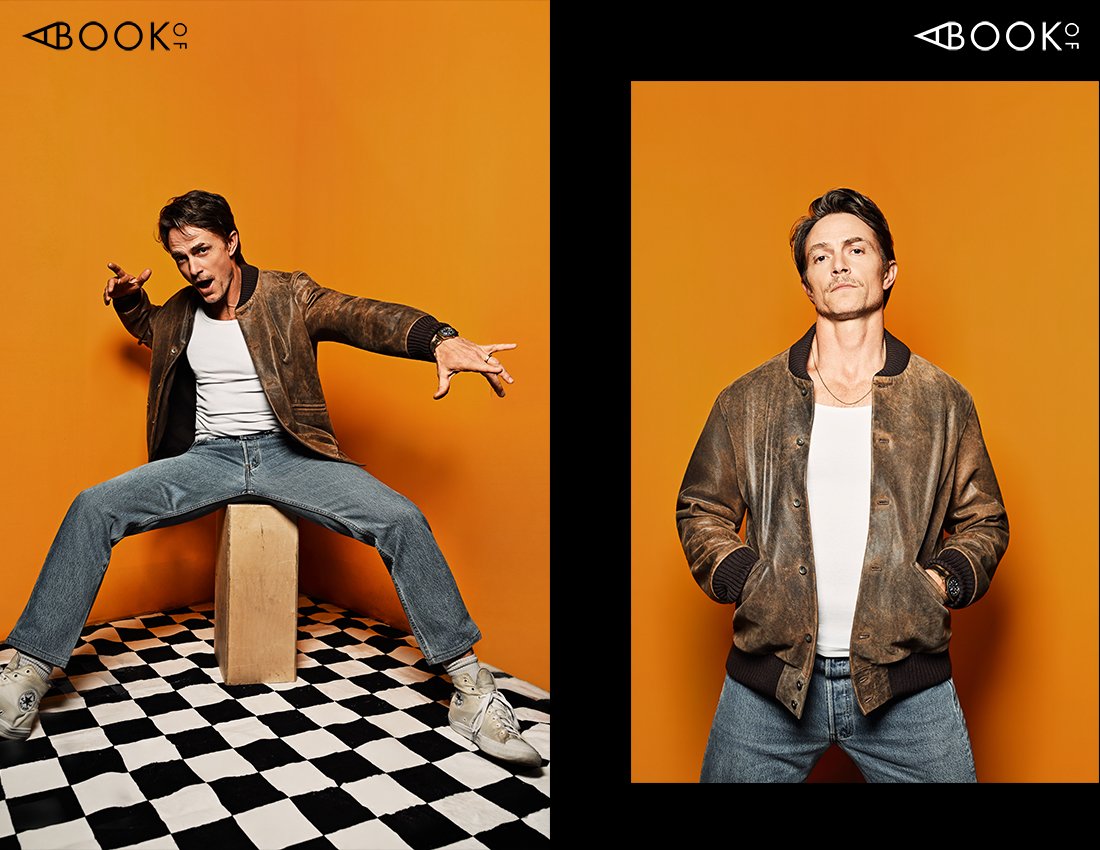
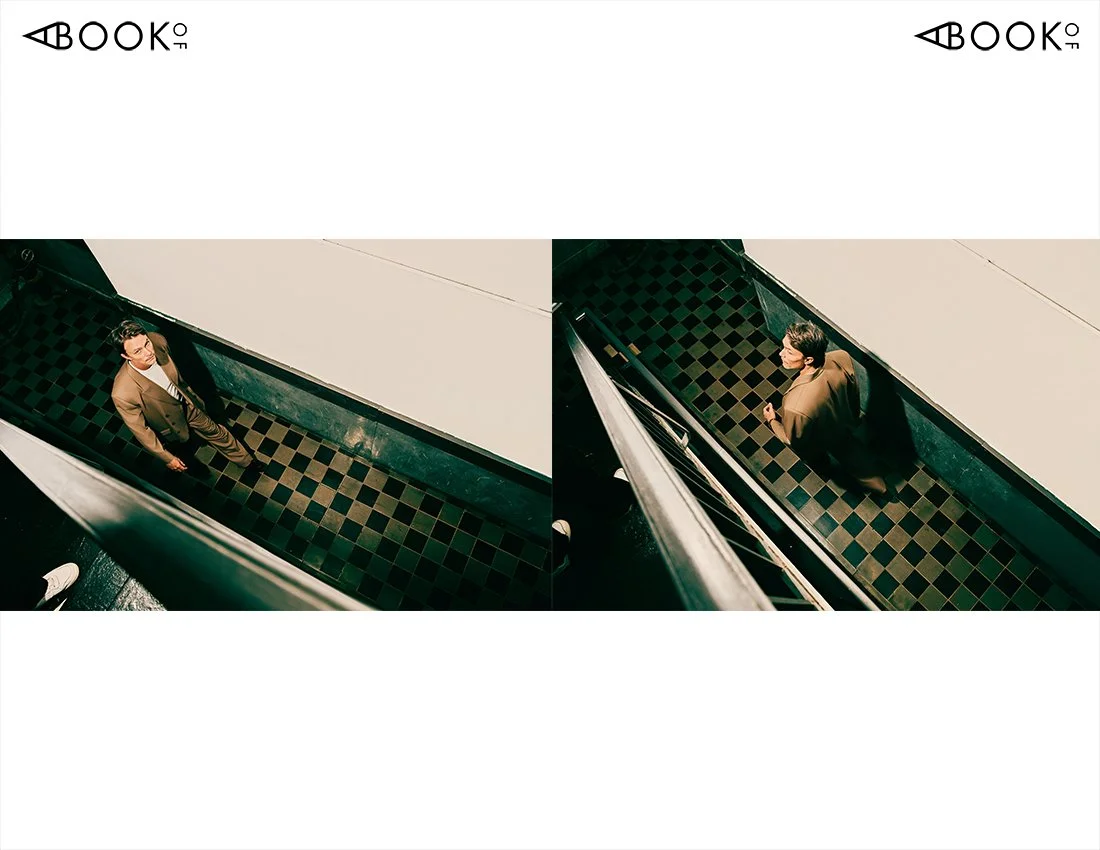
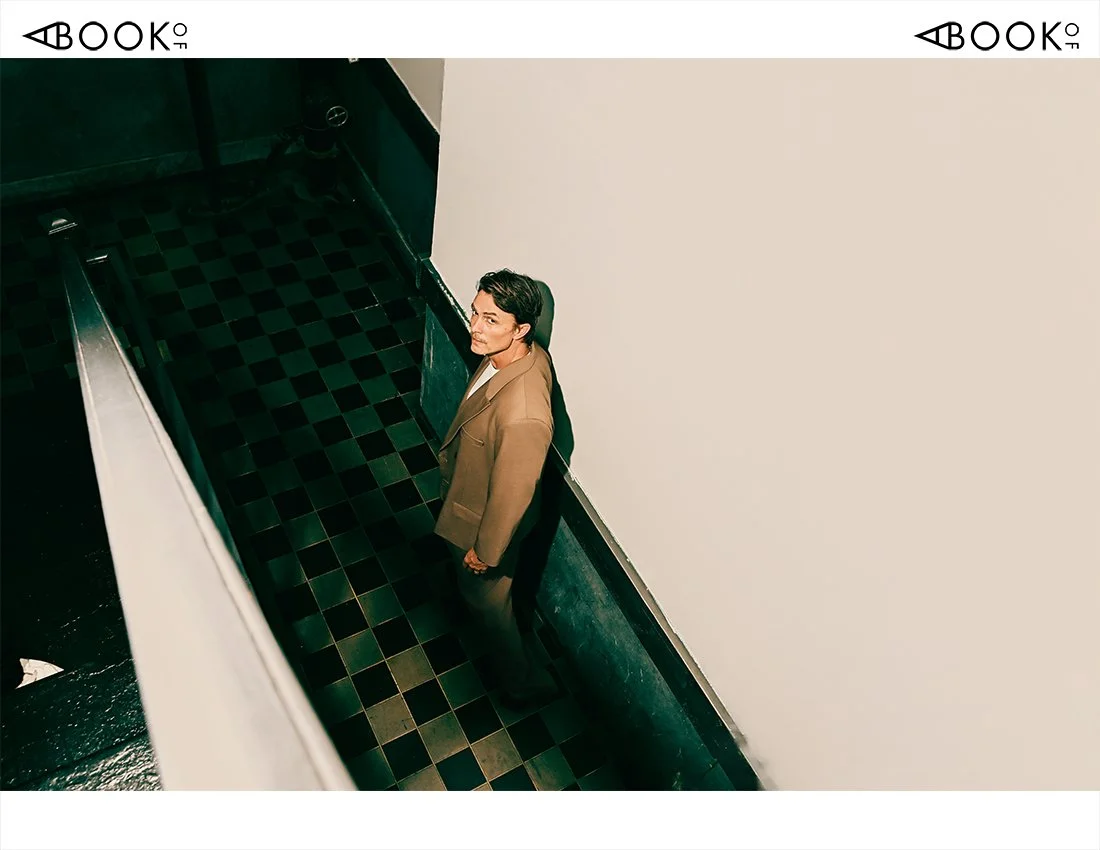
PHOTOGRAPHER: IRVIN RIVERA, STYLING: SYDNEY LOPEZ, GROOMING: SYDNEY SOLLOD, DIGITECH/PRODUCER: PHIL LIMPRASERTWONG, LIGHT TECH: ANDREW LOPEZ, LOCATION: STUDIO METROPOLIS
WILSON BETHEL has a way of making danger feel personal. Across his work, he has built a career out of characters who carry charm and damage in the same breath, men who can shift the emotional temperature of a room without asking for permission. In DAREDEVIL: BORN AGAIN, the Marvel Television series led by Charlie Cox as Matt Murdock and Vincent D’Onofrio as Wilson Fisk, Bethel returns as Benjamin Poindexter, better known as Bullseye. But what makes his performance so arresting is not only the precision, the violence, or the comic-book mythology. It is the quiet ache he finds underneath it, the broken logic of a man who is terrifying because he still feels painfully human.
Raised in the rural solitude of New Hampshire by a family of artists, Bethel traces the roots of his imagination back to nature, make-believe, and the freedom to treat creativity as more than a hobby. That same restlessness has carried him through cult-beloved television, legal drama, theater, writing, music, and now, the beautifully damaged chaos of Bullseye. In conversation, he is funny, thoughtful, self-aware, and refreshingly allergic to staying in one lane. He talks about contradiction, creative hunger, fatherhood, and the private work of getting unstuck with the kind of clarity that sneaks up on you. As he puts it, “If somebody else isn’t putting it in front of you, you’d better be the one to see it yourself to get yourself unstuck.”
You grew up in New Hampshire in a place that offered space, solitude, and artistic chaos. When you think about Hillsborough and those early years, what part of that world still shows up in the way you read people, the way you build characters, and understand loneliness?
That is an interesting question. The town where I grew up is very rural. I was blessed to grow up in nature, spending time outdoors and playing with my siblings on the land there. Much of my creativity comes from that experience. I credit my career to an early childhood deeply engaged with nature, playing outside, and creating with make-believe. My brother and I were very close. We did a lot of play fighting and stuff like that. We performed simulated action sequences, which are not far from what I do now at 42 years old, where I dress up for work. Beyond the location, I grew up in an artistic family. My mother is a writer, my dad is a visual artist, and both of my siblings make art. There was total encouragement and freedom to explore yourself creatively. Compared to households where creative fields are taboo, mine was the opposite. It was an accepted path to be on and encouraged from a very young age. It was an amazing gift to give a young person- that their creativity does not need to be siloed into just a hobby, but it can actually be a lifelong pursuit and a career.
Families must be aware that art and creativity have value. Fostering that environment helps children go far. Speaking of your career, you have moved between characters who are charming, damaged, funny, dangerous, or hiding something in plain sight. How did you learn to trust contradiction as an actor? When did you realize that the most interesting characters usually do not explain themselves too quickly?
Thank you for those thoughtful questions. I think I have always trusted contradiction; I had an underlying belief that there is real truth to that, because I am full of contradictions myself. I think we all are. As I have gotten better acquainted with my own maddening dichotomies and contradictions, I have been able to lean into characters representative of those qualities.
It is not coincidental that people like those characters. Many people feel those same internal conflicts. From an audience perspective, a character at odds with themselves, and struggling with themselves in some way, makes a performance dynamic. I feel fortunate to have played those characters at various points in my career. I guess that’s a reflection to a degree of who I am, for better or worse, I guess. I’m glad that people keep paying me to do it.

It’s incredible, right? I think it also makes your performance so much layered and relatable to the audience, because sometimes you have that feeling of, "Am I hating this person or am I rooting for this person?” And then you feel it at the same time. That makes you like that character more. So I think that's what really makes it great in its own.
Yeah, right, exactly. Yeah. And, you know, one of the things that I sort of take pride in is if and when a character that I'm playing does do something odious or destructive, then I also get the opportunity to try to win the audience back, is incredible. I see it as a real opportunity, and it creates a really dynamic relationship with an audience where there's a sort of push-and-pull: I love this person, but I hate this person. And I think it makes it feel a little bit like a conversation as those relationships deepen and develop between the character and the audience.
Yeah, it makes it more alive. I love it when you're, like, watching something and it makes you think, like, "hold on a second, wait." Like, this character may have a different intention.
That's cool
Then the conversation goes on after the show.
Exactly, exactly. Yeah.
I always love it when that happens. So now let’s talk about Bullseye. Bullseye is terrifying not just because he’s lethal but because he operates by a private logic. How do you find humanity in someone whose moral compass is so broken without softening what makes him frightening?
The fact that his moral compass is so broken, that he is so broken, is what makes me love the character so much. It makes me so compassionate toward him. He is a murderer. Yes, he’s terrifying. Yes, his way of seeing the world is super fucked up, and his worldview is distorted, but those are symptoms of someone who is fundamentally broken. And to me, that's the access point for the character, and sort of always has been, I think, since the earliest incarnation of it. And you know, part of that I owe to some great writing that this character has gotten over the years, in terms of really fleshing out his backstory and making sure that all of his, all the various story beats that he is tracked have really made a lot of consistent logical sense. But, yeah, I think that this character, to me, is really sympathetic.
My performance or whatever aside, I think the way that the character has been written is sort of a tragic character.
Obviously, fans of the comics and fans of this character from back in the day may or may not take umbrage with that because he occupies sort of a different space historically in the comics, of being a little bit more one-dimensional and just sort of the psychotic, ruthless killer. But as an actor, I just think it's the biggest gift in the world to get an opportunity to take that archetype, and then flesh in everything around it, and give real life and pathos to that type of person. So, yeah, I have a huge well of love for this character, and as long as they keep writing it, as well as they have been, it'll just be another joy to play. And I hope that it's part of what people really respond to with the character.
I think so too, because, like, as an audience member, it's fascinating to watch and learn more about the character and their backstory and motivations. Because, like what you said, it's not just one-dimensional anymore. You're a more nuanced and layered.
What fascinates me about your work is that "Daredevil: Born Again" and "Imperfect Women" both place you near the wreckage people leave in each other's lives. How do you approach playing a man who can alter the emotional temperature of a story simply by walking into a room?
Look, I think it's sort of your dream. That is an actor’s dream. Short of being the lead, being the character on whom the emotional rollercoaster hinges is the best thing you can want.
I think that's the next best thing that you could want to be, or maybe it is even the best thing that you could want to be, even over the main character, sometimes, is being the character on whom so much of the emotional roller coaster of a story hinges. Certainly in Daredevil and, I guess also, to a degree, in Imperfect Women and some other stuff, I guess I've done. That's who these characters are. The story rises and falls based on your presence. In Daredevil, many major story beats revolved around Bullseye’s actions, specifically in killing people. He is an agent of chaos, and his presence in the story is fun.
There's an undeniable darkness in there that adds layers and flavor to the entire narrative. Speaking of darkness, many actors describe it as something they visit, but your performances suggest an understanding of how shame, desire, power, and self-deception live in the same body. How do you map a character's inner life when the most important thing about them is what they refuse to name?
A sort of way that I, without sort of getting into sort of nerdy, stupid, boring details, the way that I sort of think about any character that I'm approaching is usually as it is relative to myself. And that tends to be my access point for a character. I approach every character relative to myself. I tend to dial certain elements of my own personality up or down. Each character represents different facets of myself, magnified or diminished. With a character like Dex, I dial up my own biggest fears, insecurities, and needs for control, and what happens when I lose control. Getting in touch with those things allows me to see the character clearly. Once I drop those elements into the story's circumstances, the logic of a scene becomes apparent. Dex is fun because he is constantly evolving. His mental landscape is always shifting, so I never get particularly comfortable with how Dex is, which keeps me on my toes.
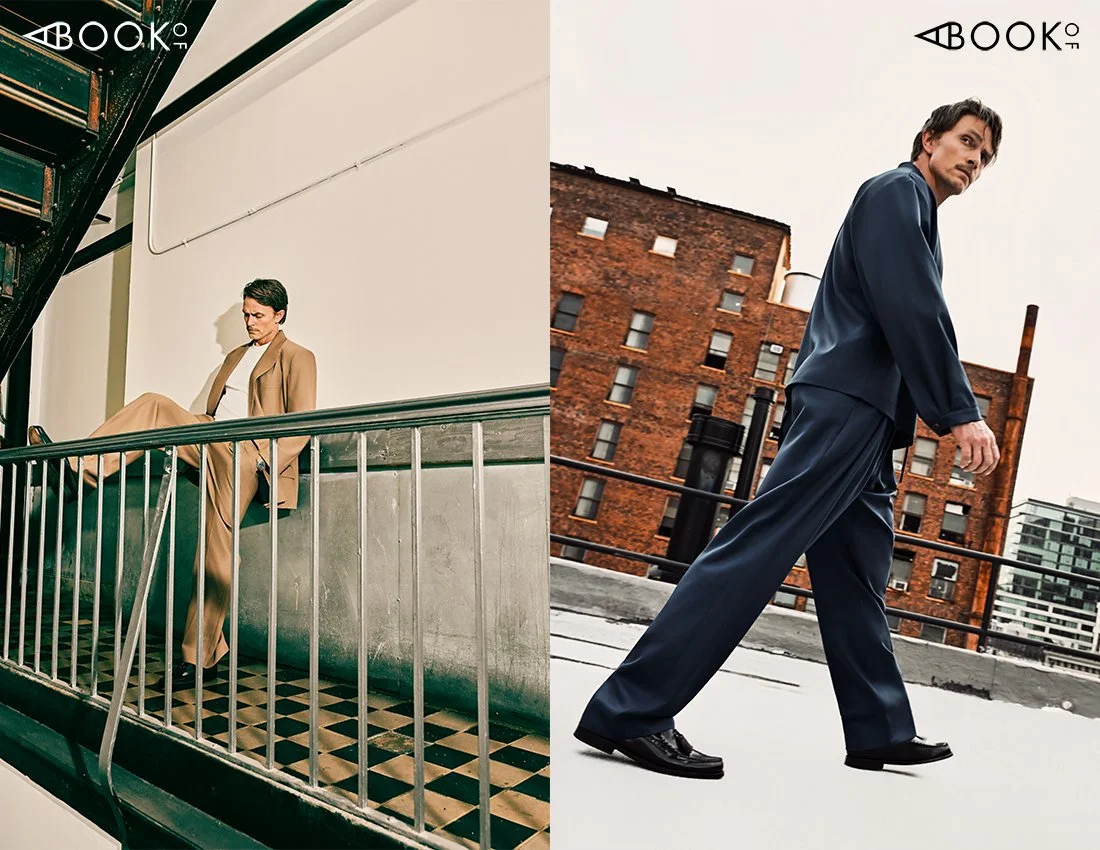
I love hearing that from you because you said it's keeping you on your toes, and it's also keeping the audience on their toes.
Exactly.
Because, yeah, you have these thoughts of like, okay, I know what Bullseye may do, and then you watch it, you're like, Oh! It’s something else. So that's cool when you have those moments.
Your career has included cult-beloved network shows, genre television, legal dramas, theater, and prestige streaming. How have you protected your instincts from becoming too polished or too strategic?
Much of it is instinctual, based on the material I respond to at a given stage of my life. A lot of it has to do with the writing of a given project. I'm so writing-centric in terms of how I access material. If the writing does not grab me, I cannot get excited. And then it's a lot of it is just sort of the good fortune that I've had, I think I have different types of opportunities that I really had a chance to sink my teeth into. I also have a general creative restlessness. I am never really satisfied staying in a single lane. I feel like I am always pushing myself to try new things, to experiment with different kinds of characters, different kinds of shows, different tones. I am also a writer, so if I am not offered a project that explores what I want, I write it myself. I mean, the creative restlessness, I think that's baked into who I am.
And, you know, one of the things that I've always thought is just this incredible gift- I've managed to do a number of shows now, Daredevil being my third. I have been part of a TV show for years, so I've gotten to really explore these characters in different ways and from different angles, and grow. But I've never been on a show for like, seven years, which to me would feel really stifling. I need to just constantly be exploring new stuff. My longest run on a show was four years, which was perfect. Anything longer and I would start repeating myself. It's a very conscious thing for me, at least a very natural one, to want to push myself, explore, and try new things. The fact that my career has allowed me to do that, whether through choice of choosing not to do certain projects or then having other ones come my way, I think I've been very fortunate to have these various evolutions that certainly keep me very creatively engaged and excited about the future and my own inner creative life.
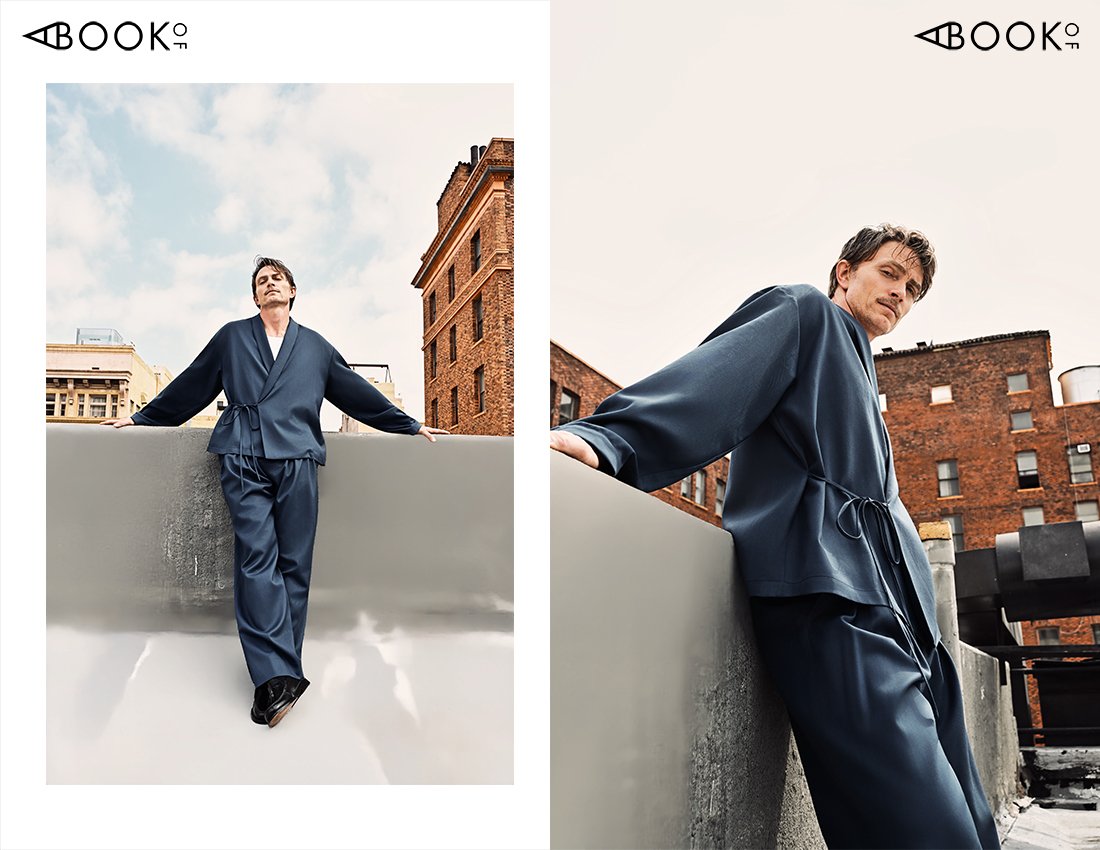
This is just so inspiring to hear. And I feel like a lot of creatives need to hear this as well, because I keep hearing people say, over and over again, like, "Hey, I'm stuck." Like, I'm this and that. Like what you said, you just have to have that drive to keep doing something creative so you don't feel stuck.
And if somebody else isn't putting it in front of you, you'd better be the one to see it yourself to get yourself unstuck, to start tinkering around with something new that unlocks that creative drive again. There have been periods where I was sort of stuck creatively and not feeling particularly fruitful in my acting or whatever. But then it drew me back into writing, or it drew me into making music, or it drew me into visual art. The amazing thing about art, capital A, like creativity capital C, is that it all informs itself, right? And if you're open to the creativity in general, and the way that it sparks for you, like taking in a painting at a museum, or reading a certain book, or watching a movie, can all end up being the fuel for the next creative pursuit that you have, whether or not it's related to any of those things. Creativity is just creativity.

1000percent. People need to hear more inspiring things like this, especially at a time like this. Wilson, if the world ends tomorrow, what are three things you want to be remembered for?
I would like to be remembered as a joyful person. I think I would like to be remembered as a loyal person. And I'd like to be remembered as somebody who brought happiness and light into other people's lives.
Beautiful.
If you were a book, what book would you be and why?
I don't know. I have a three-and-a-half-year-old, so I'm, you know, I'm reading a lot of children's books. And the truth is that so many of these children's books are so deep. The wisdom in these books is so timeless and just epic.
I'll tell you what book I would aspire to be. How about that? Yeah, I aspire to be The Giving Tree.
I am not that selfless yet, but it is my aspirational goal. It’s a children’s book, but you’ll be crying in the end. Children keep you very much in the moment.