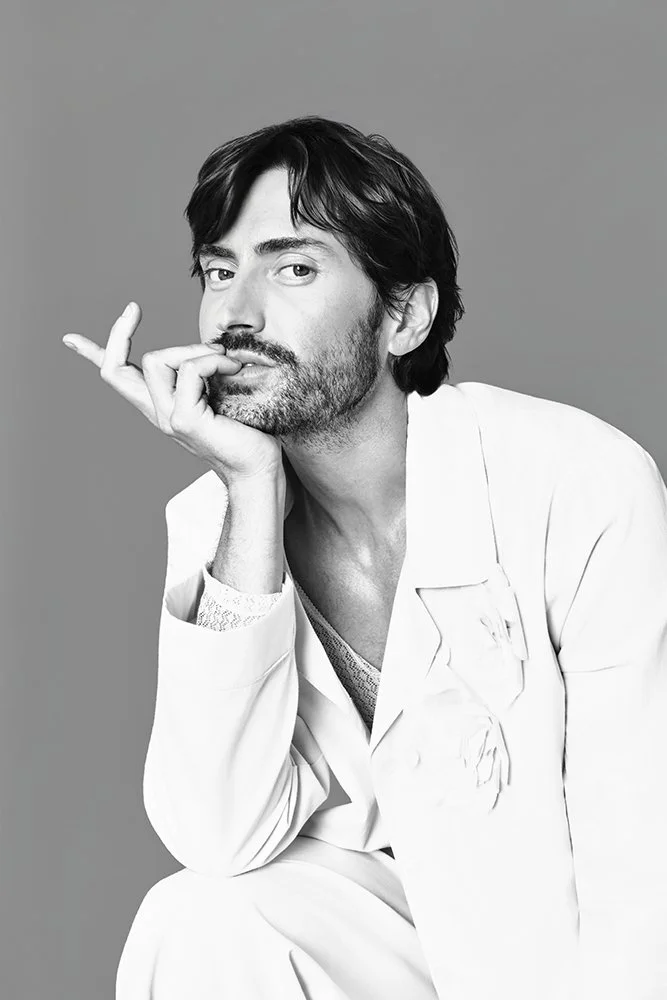
JOE AZZOPARDI
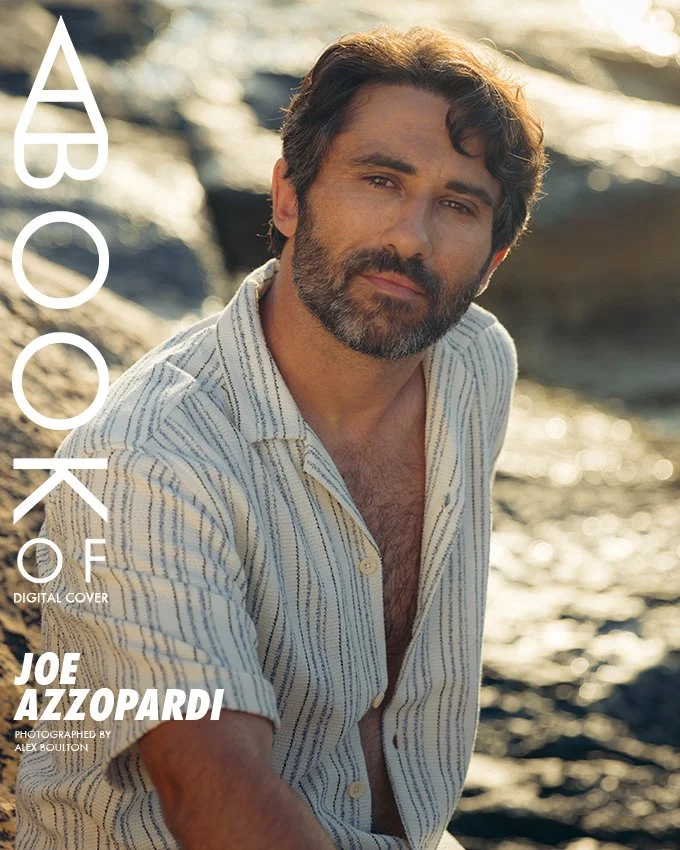
JOE AZZOPARDI grew up learning that the sea can be both compass and mirror, and this interview moves with the same tide: from a Maltese childhood of saltwater freedom to the sharp, secretive current of a global mystery franchise. He speaks of Malta not as a backdrop, but as a living thing, a rock of promenades, bike rides, seabeds, and social codes where a wave can say as much as a conversation. In Netflix’s Enola Holmes 3, directed by Philip Barantini and starring Millie Bobby Brown, Louis Partridge, Henry Cavill, Himesh Patel, Helena Bonham Carter, and Sharon Duncan-Brewster, Azzopardi joins the adventure as Mikiel Mizzi, a Maltese “James Bond type” who enters Enola’s path with charm, danger, and motives worth questioning.
There is something beautifully disarming about the way Azzopardi talks about ambition. He left Malta to chase the world, only to realize the island had been shaping him all along. London hardened him, The Boat tested him, and Enola Holmes 3 brings him back to Malta with the kind of full-circle poetry actors rarely get to live out in real time. He is funny, grounded, quietly philosophical, and just dramatic enough to compare himself to “the most relaxed book on the shelf” because his pages “wouldn’t close... they would hug.” Still, beneath the wit is an artist who understands endurance, mystery, and the thrill of staying open, especially when the water gets cold, the set gets loud, and the role asks you to “question everything.”
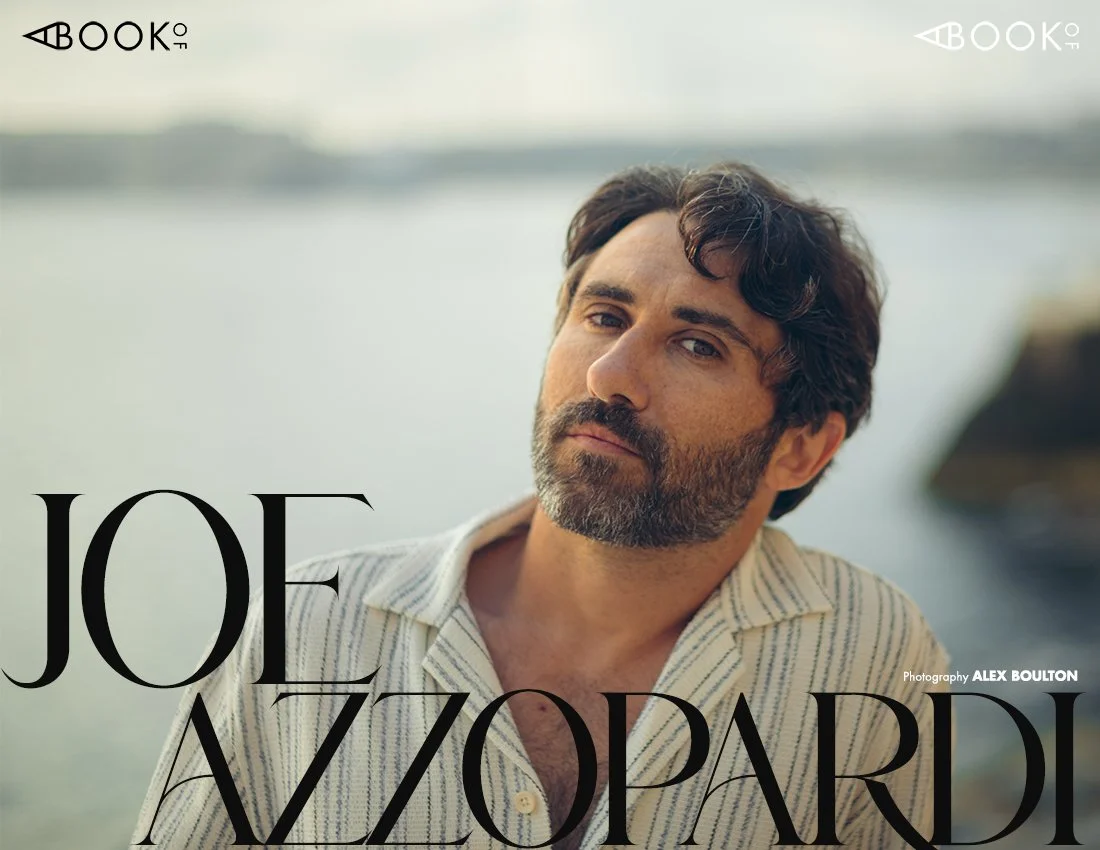
When you think about the Malta of your childhood, not the postcard version or the production location version, what details come back first? How did that hometown teach you to read danger, humor, silence, and motive before you ever learned to perform them?
For much of my childhood, I felt like I was growing up in Neverland. Malta was still fairly undiscovered back then. It was raw and rustic. We may not have had as many things in our shops as the UK stores did, but we had a beautiful connection to the sea that surrounds us. It was incredibly safe. Spending the day riding your bikes with your friends without your parents having to worry about you was standard. Snorkeling to new spots was always an adventure. There are some areas of Malta where I know the seabed better than the shore. Then, when you get older, diving down to the seabed and experiencing the tranquility below taught me to find peace in what may seem dangerous to some. The social life is unlike anything I have found anywhere else in the world. It’s very hard to feel lonely in Malta. Even just walking along the promenade, you’ll run into a bunch of people you know. And there is also a mutual understanding that if you don’t fancy a chat, you just give them a casual wave and carry on without it coming off as rude. I had Sky TV growing up, so I could watch all the English television shows, which gave me a humorous edge over my mates in school. I feel incredibly lucky and privileged to have grown up on that rock.
You trained in London, but so much of your work seems to keep circling back to Malta, the sea, and stories of survival. How did leaving home sharpen your ambition, and how did coming back change the way you understand yourself as an actor?
Well, growing up, I was convinced that the only way to make it was to leave Malta. Later in life, I readjusted my definition of the phrase ‘made it’. Moving to the UK when I was 18 was exactly what I needed at that stage in my life. Not just for my acting training, but to really experience the danger of the big city. London definitely hardened me up. It also made me realize what a gem Malta was. How incredible the slow-paced living really was compared to the chaos of London. Though I was fortunate to work right out of drama school, I questioned whether I wanted to live the city life or embrace being the island boy I knew I was. My ultimate happiness did lie in Malta. The question was: did I want to give up my dream for the sake of my quality of life? Thankfully, before I got to that decision, the universe answered it for me. Malta began offering financial incentives for films to come to Malta, and the industry was really picking up. I found I was getting far more acting opportunities there than I was in London. So, I got to embrace the best of both worlds.
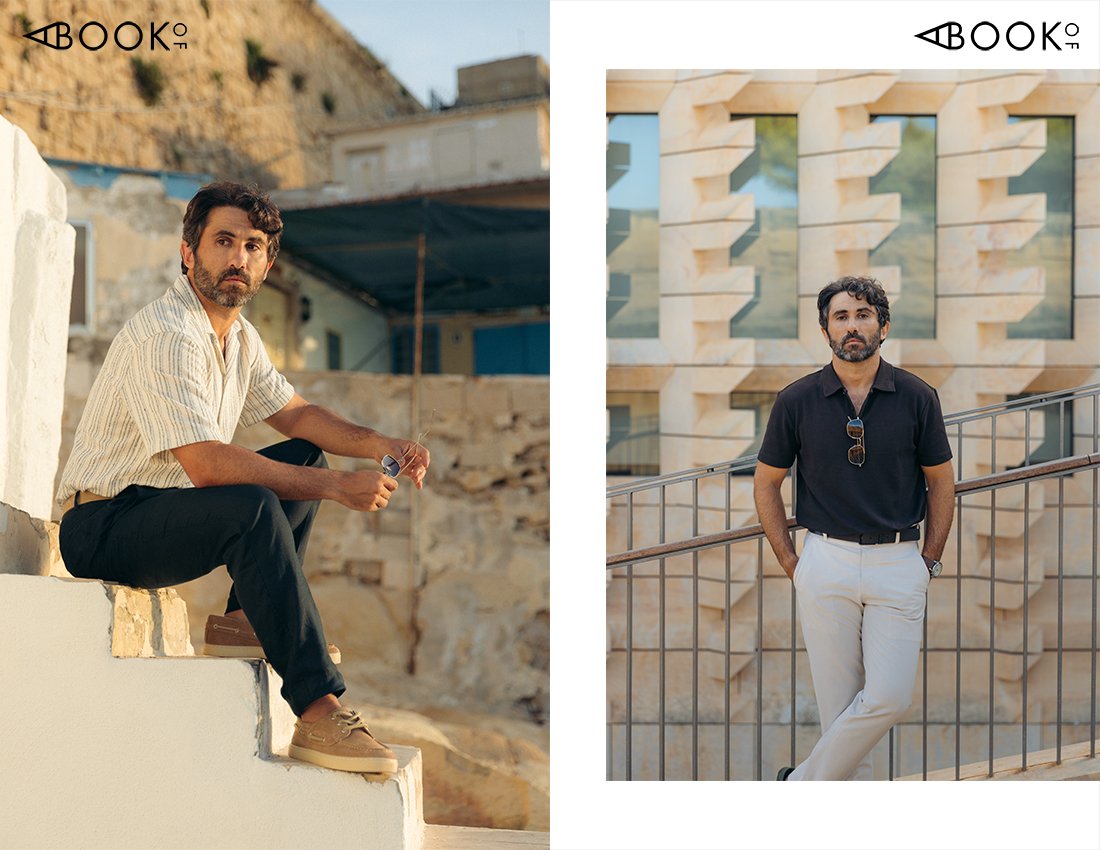
Enola Holmes 3 brings the global franchise to Malta, with you playing Mikiel Mizzi, a Maltese man whose motives are not immediately clear or simple. How did you approach a character who enters Enola’s path with secrets without making him feel like a device in her story?
Well, upon hearing that I got the role, my first reaction was pure excitement. He is the character any Maltese guy would dream of playing. He’s described as this Maltese 'James Bond type' character. He’s essentially a bit of a chameleon of a spy who knows how to fight himself out of a bad situation but can also charm you into telling him your secrets.
The Enola Holmes world is built around observation. People are rarely what they first appear to be. How do you build an ulterior motive as an actor without overplaying suspicion?
When you first meet my character, you think he is going to be your typical bad guy that Enola will need to break for information. It’s only through further discovery that you find their motives are somewhat aligned. You become less of a device when the audience understands your character a bit more and what you are fighting for. In a mystery-driven story, you are constantly asking yourself the question of a character's intentions. You have to be a bit of a spy yourself as an audience member, which is great. So, do what she does — question everything!
You have done the intimate pressure cooker of The Boat, the scale of films like Jurassic World: Dominion, and now the heightened mystery of Enola Holmes 3. How do you recalibrate your body and focus when the frame gets bigger, the machinery gets louder, and the job still depends on one honest impulse?
From an acting perspective, it doesn't really change my performance or how I conduct myself on set. The difference is being more social on these bigger shoots with loads of people involved. The social life surrounding the production is just a bit more fun, but can also have less of a family feel. When doing small indie films, it feels like you are part of a crew on a small boat crossing a huge ocean. You know everyone’s name, and it becomes quite similar to regular office life. On these huge sets, you will be introducing yourself to new people till you wrap and still feel like you don’t know half the crew. When it comes to what changes you within, it’s more the character that dictates that than the set. For example, The Boat is entirely situation-based, focused mainly on playing the moment in a smart and truthful way. My character, Mikiel, in Enola Holmes 3, required extensive research into the era and the character's roots. Though I must say, having other actors to play with during scenes is a lot easier than carrying a whole film all by yourself, where you have to rely on inanimate objects as characters.
The Boat asked you to carry almost an entire film with minimal dialogue, cold water, physical exhaustion, and no co-star to bounce off in the usual way. Looking back now, what did that experience teach you about endurance that still shows up when a set gets difficult?
With a one-man film, inanimate objects suddenly become characters. You're not just memorizing lines; you have to memorize every action, down to the most meticulous detail. In The Boat, what he hears on the boat is what makes him believe someone is toying with him. But those sounds don't exist on the day of; they're all added in post-production. So, you have to create that entire psychological reality in your head. You're reacting to something that isn't there, which requires complete commitment and belief. The Boat really taught me about pushing myself through the pain of a scene to achieve the most real performance. There were times when the water was freezing, but I got in anyway, so there was no ‘acting’ per se. You are watching the real deal. You discover a lot about yourself when you are put in uncomfortable situations, and they better you as a person. I like to stick to the philosophy that aging is the rapid pursuit of comfort. So, the more you push yourself out of your comfort zone, the younger you keep your mind and body.
You have spoken publicly about the need to invest more deeply in indigenous Maltese film. Now you are part of projects that connect Malta to international audiences in very visible ways. How do you hold both truths at once, the pride of global attention and the responsibility to protect local storytelling?
I think Malta has achieved what it needs to with servicing these foreign films. When I was growing up, Malta would get a film shot there once every couple of years. The crew only had a month or two to learn from their HODs before they had to wait a few more years for a film to come along. We can’t expect to grow our indigenous industry if we don’t have good, experienced crews that know how to deliver. Thankfully, since Malta has become a hot spot for filmmaking, we have been inundated with all these projects. From small independent films to huge studio-driven films, we have learned how to service films of any scale and bring that wealth of knowledge into telling our own stories. Starting an industry from scratch takes time. Growing up, I could count the number of Maltese feature films on one hand. We are lucky enough now to see a couple of films come out each year. Not enough to fill out cinemas, but it’s a start.
Xelter places Malta’s history, fear, and buried memory inside a horror framework, while Enola Holmes 3 uses Malta as part of a mystery adventure. How do you think genre can sometimes tell the truth about a place more freely than realism?
I think it does the best job of making it attractive for an audience. Xelter will appeal to the horror fans and teach them about what Malta went through in the war, while also showcasing a bit of Maltese folklore. Sometimes you need a combination of genres to break through to one side for the other. Enola Holmes 3 is another great example of teaching a young audience a bit of Maltese history. Especially since it’s a combination of British and Maltese culture living together, and the struggles they faced.
You have stage roots, screen survival instincts, and a life outside acting that seems drawn to water, movement, and risk. How has adventure outside the work taught you to stay loose inside the work?
That's a great question. I feel like it’s almost reversed. I was always very adventurous and liked to push myself to take adventurous risks. Though when I was younger, there was always much more hesitation and doubt about whether the risk would bring a reward. But since I’ve come into my own as an actor, I’ve actually become more fearless. My reason being that if I can walk on to a set or stage with hundreds of people watching me, crawl on the ground, and start crying like a little boy… well, then, is doing this cliff jump really that scary? Or diving down 20 meters. Or building up the courage to take on the really big wave with a surfboard. So long as you keep yourself fit and trust your own body, your mind will follow suit.
If you were a book, what book would you be and why? It can be a real title, a made-up title, a type of book, a genre, or even a book no one else is allowed to open yet.
If I were a book, I’d be the most relaxed book on the shelf because my pages wouldn't close... they would hug.