LINE OF FIRE'S KAT CUNNING: A LIFE OUTSIDE THE LINES
INTERVIEW BY IRVIN RIVERA
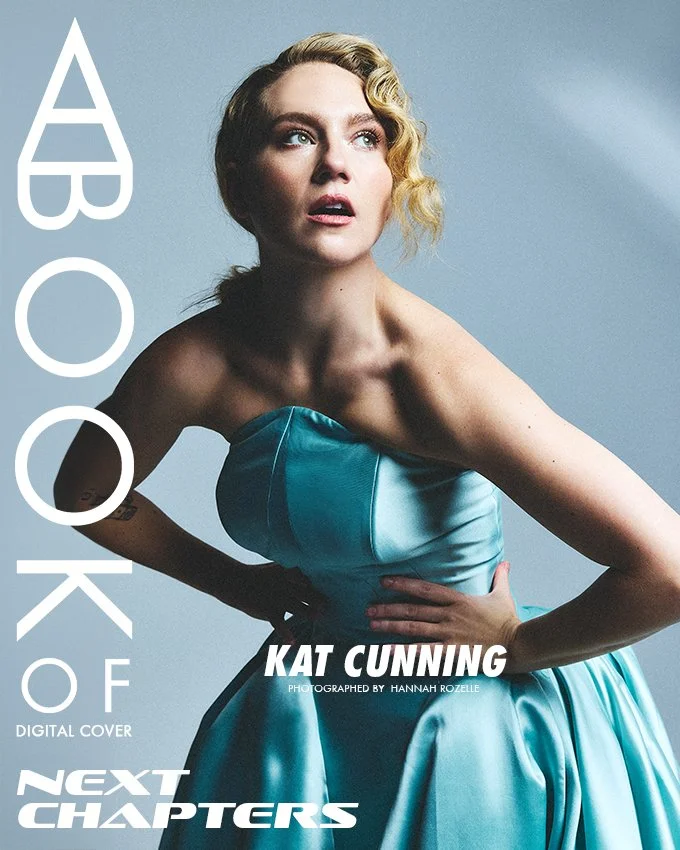
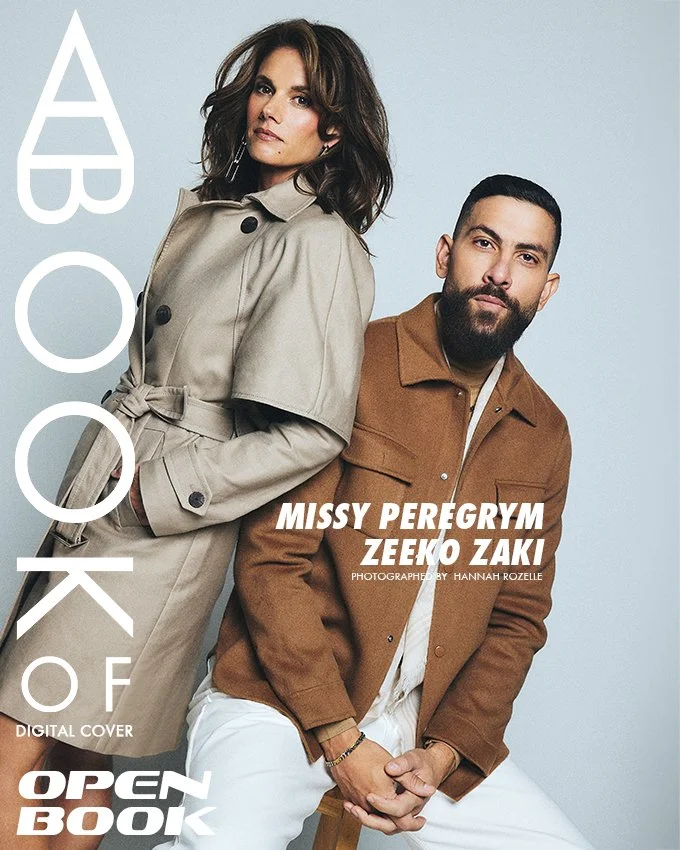
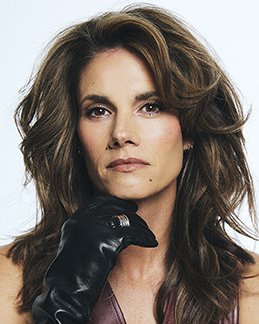
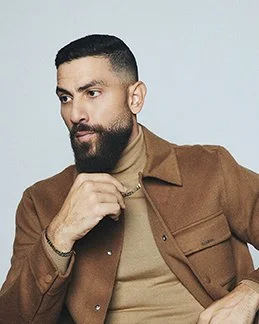
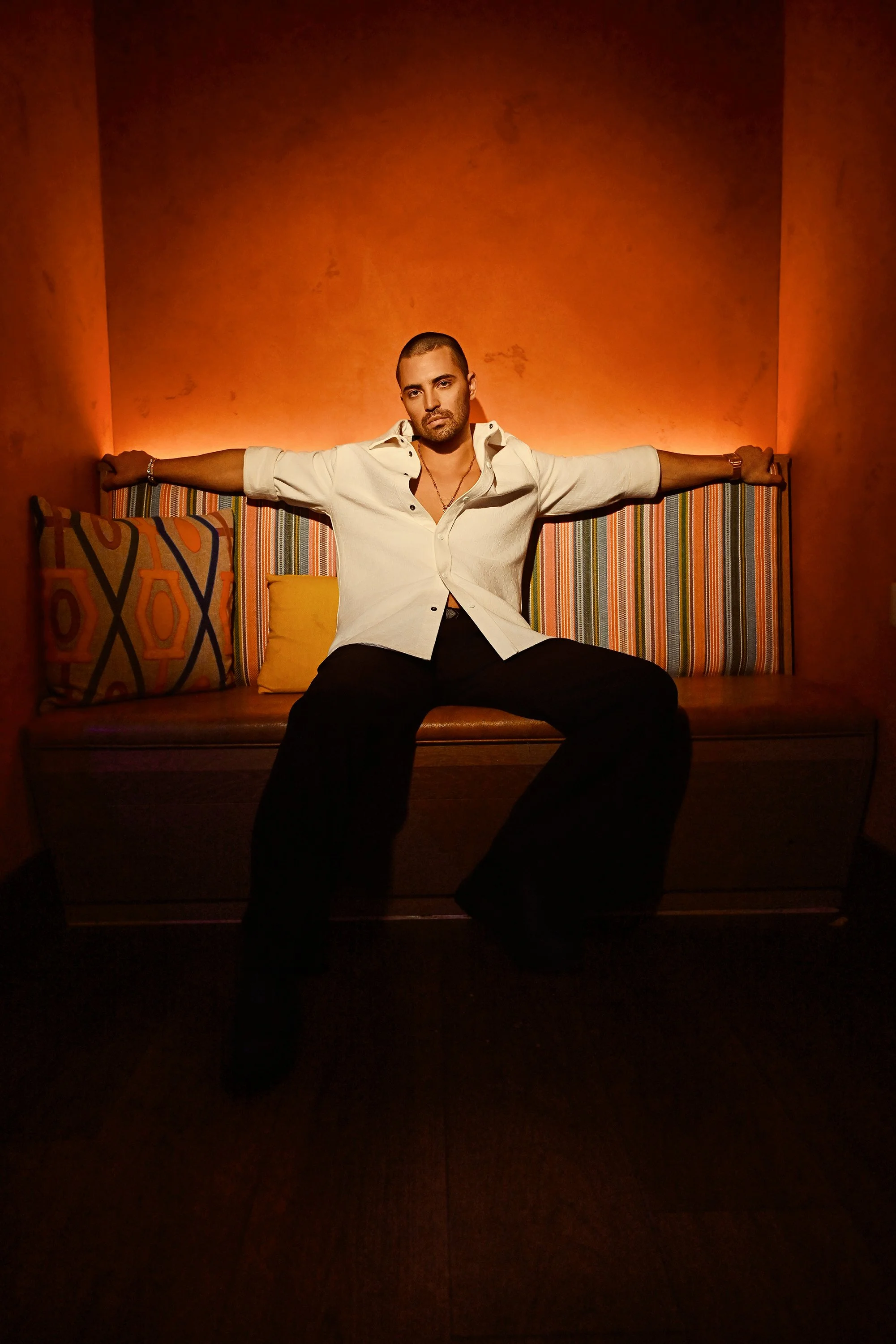
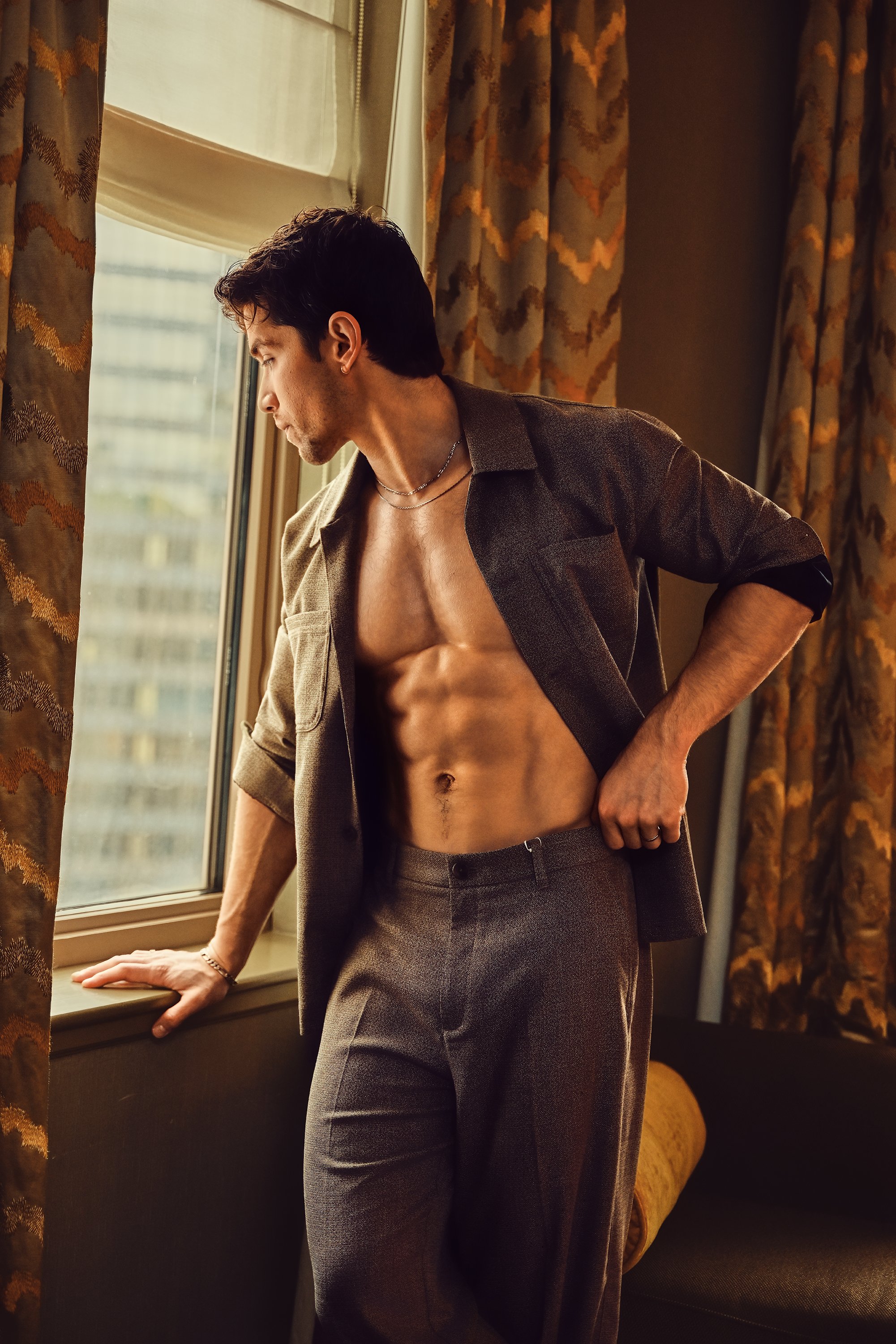
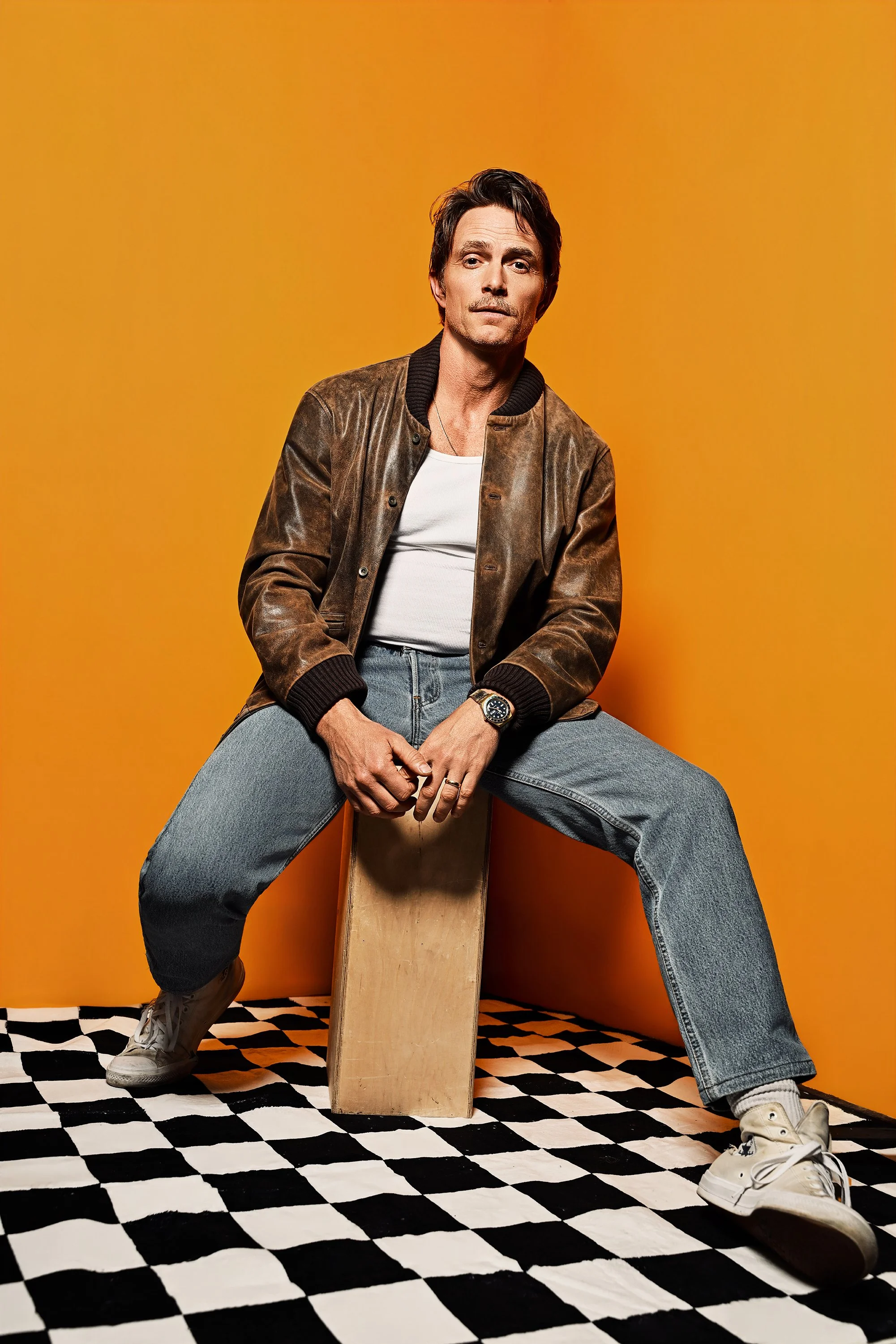
Photographer: HANNAH ROZELLE, Styling: ALLISON HERNON @ EXCLUSIVE ARTISTS, Makeup: LIZ OLIVER for Exclusive Artists using VIOLETTE_FR, Hair: SARAH POTEMPA, Photo Asst: CHLOE COPPS, Art Director, Producer: PHIL LIMPRASERTWONG
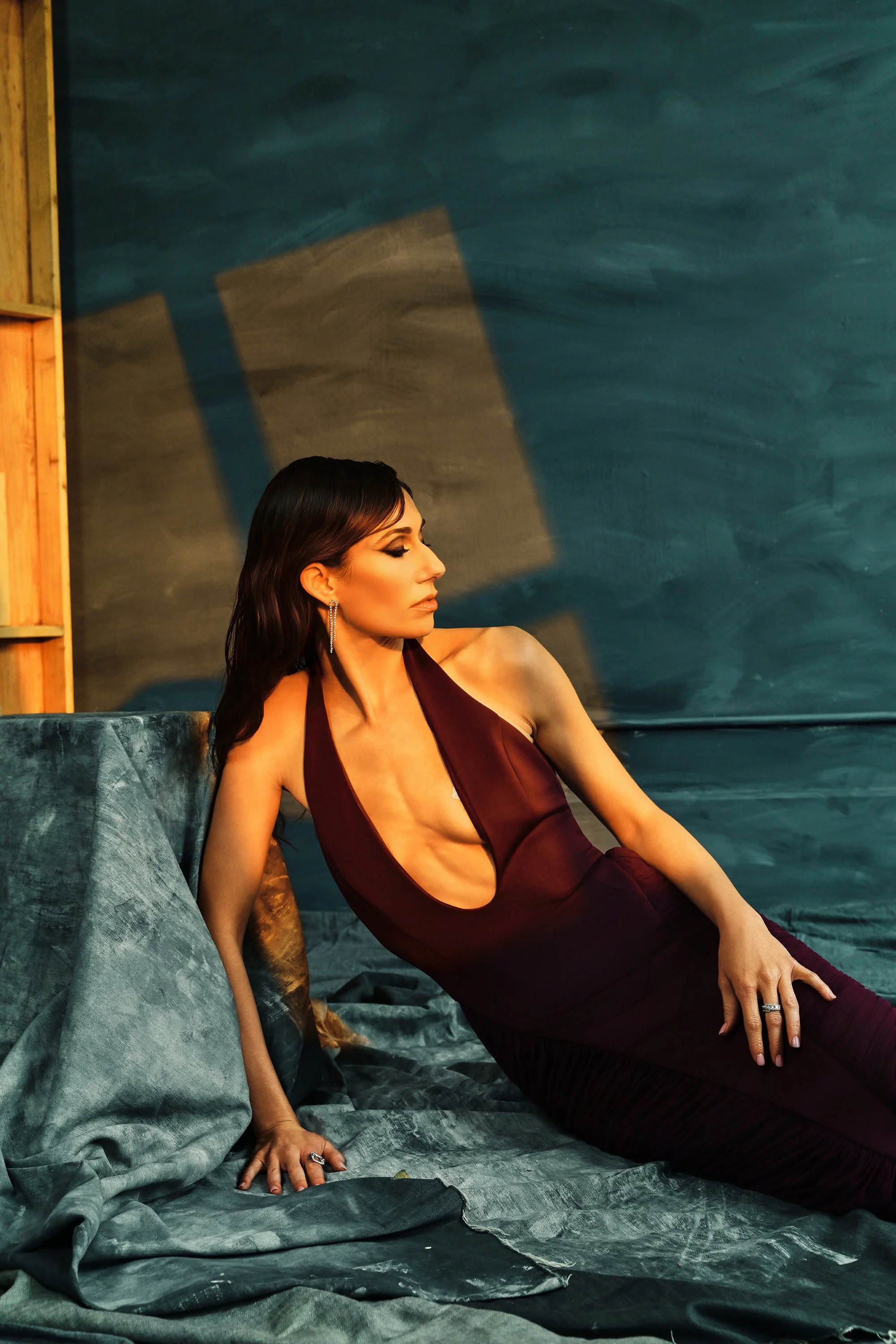
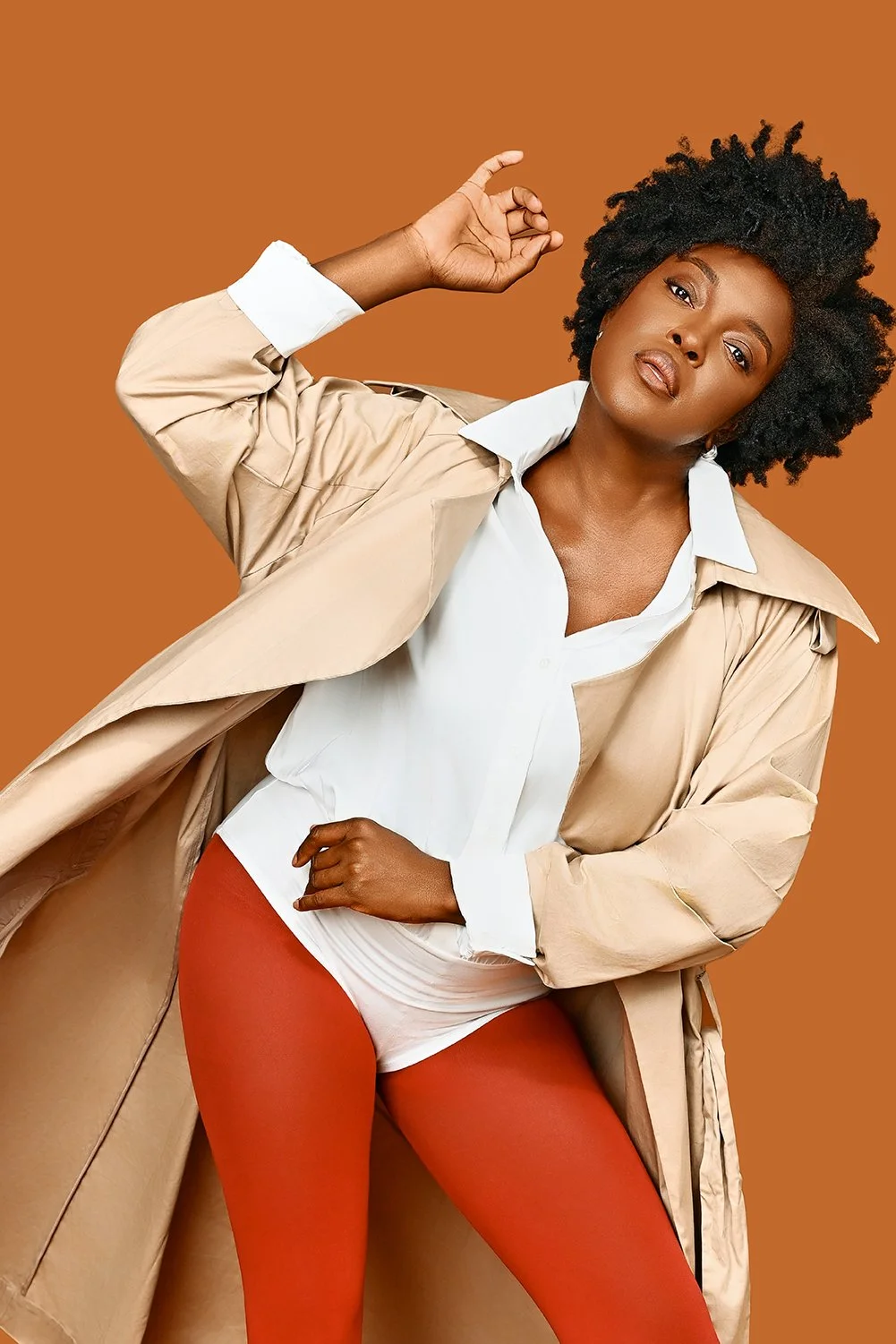
Dress: CHUKS COLLINS
KAT CUNNING learned early that following your dreams doesn't always mean knowing where they'll lead. Growing up in a small Oregon town, they found inspiration in movies, music, and performers who made the impossible seem within reach. That curiosity eventually carried them to New York City, where dance, theater, music, and a colorful cast of characters became both their education and their chosen family. There were years of waiting tables, singing in subway stations, and finding creative freedom in unexpected places, all while learning that an artist's worth isn't measured by how often someone says yes. Now starring as FBI agent Clare Hollingsworth in NBC's LINE OF FIRE, Cunning finds themselves in unfamiliar territory, trading theatrical extravagance for the quiet discipline of a woman navigating the complicated loyalties of a law enforcement family. Yet beneath the badge and buttoned-up exterior is something deeply familiar: the determination to follow an instinct, trust a vision, and find meaning in the work itself.
For Cunning, the journey has never followed a straight line, and perhaps that's what makes it so interesting. From portraying flamboyant personalities to exploring the complexities of queer identity and representation, they've built a career around transformation without losing sight of the person underneath. Their latest role reveals a different dimension of that artistry, one shaped by restraint, responsibility, and an opportunity to explore a character whose strength comes from conviction rather than spectacle. In this intimate conversation with A BOOK OF, Cunning reflects on finding belonging beyond expectations, the creative freedom that comes with experience, and learning to make art without measuring it against someone else's success. The child who once looked toward the stage with wonder has become an artist who understands that the magic isn't necessarily in the applause, the recognition, or even the destination. It's in the irresistible need to keep creating. "I'm not comparing myself to anyone. I'm just making the art because I have to," they share. And perhaps that's the most liberating discovery of all: when you stop waiting for the world to tell you who you should become, you finally get to enjoy being who you are.
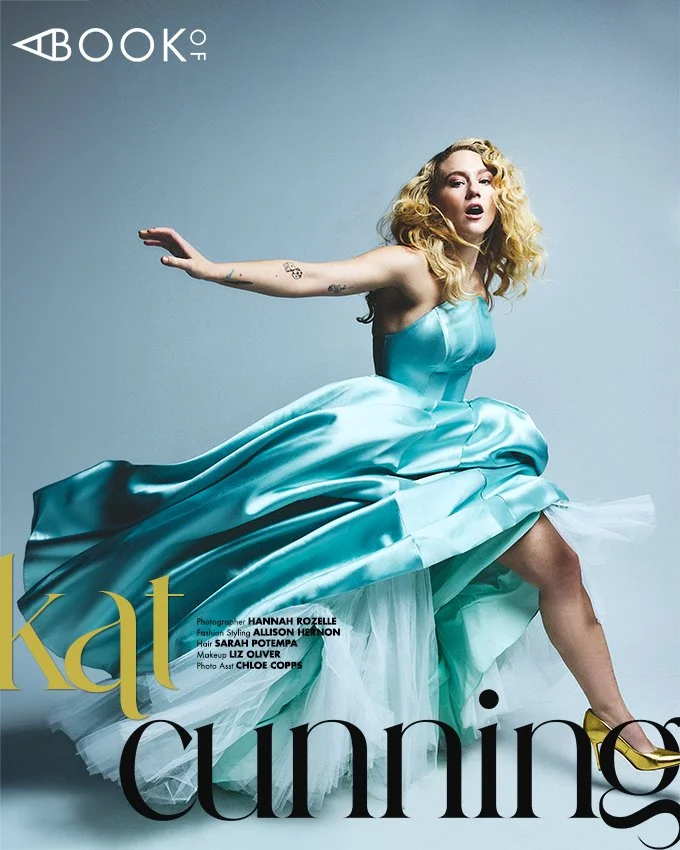
Dress: CHUKS COLLINS
You’ve described growing up in a small Oregon town with water towers and cul-de-sacs, then entering the different worlds of New York dance, theater, circus, and nightlife. How did those two environments teach you different things about who you could become, and what part of the Oregon version of yourself have you made sure not to lose?
I love that question. Thank you for doing your research, first of all. Yeah, I feel really grateful that my young childhood was in Oregon because it's such a spacious, rural place. I feel like I'm especially connected to and obsessed with media because I know what it feels like to be in an essentially small town, to find your heroes in movies and in songs, and to feel connected to... I always think of the quote from Beauty and the Beast where she says, “There must be more than this provincial life.” That's what kids in small towns feel when they get a whiff of something. Like, the first time I watched Moulin Rouge, I was obsessed, and my dad was freaked out because he was like, “I'm scared that you're attracted to this lifestyle.” And I'm like, “Why?”
The freaks are so beautiful. And I've essentially created that life for myself. I feel like the part of Oregon that I will never lose is the fact that all of this is still so romantic and exciting and enjoyable for me, in that core sense of earnestly, optimistically being obsessed with... I watched these ballet movies from the '70s, like The Turning Point and White Nights with Baryshnikov and Gregory Hines, and they were broke dancers. And I was like, “I want that. I want to go be broke with them.” And I did that. I came to New York and literally found myself, and found my culture, and found my chosen family. It was an IRL version of The Wizard of Oz for me, where everything sort of becomes technicolor, and you find your friends in the great wide world.
But the part of me that I will never let go of is the fact that when I walk into press or when I walk onto set, I'm just really in awe. It's still magic. Yeah, totally is.
You learned performance through your body before becoming a screen actor. Dance came first, followed by Company XIV, Sleep No More, and Paramour. When you meet a character like Clare, how much do you understand through her body before you understand her psychology? What does the way she moves tell you that the script doesn’t?
I learned so much about Clare by just living in her physical body and her clothes. I mean, for one, because I don't have a lot of points of reference in my own obsessions with film and TV. They're also, like, hyper-theatrical and dramatic, and procedurals have never really been in my wheelhouse. So I don't have a lot to draw from, from my own zeitgeist. I'm learning so much every day by just living in her circumstances.
For example, putting on her slacks, I have a badge and a holster and a gun and an ID thing and whatever. Just the way that you move when you have that much harnessed to your hips, when you have three coats on to go through any kind of weather in order to solve the case. You leave the house, and you're out all day, following leads for however long it takes, you know?
So I learned a lot about her, honestly, through the clothing. And Eric Daman, our costume designer, is incredible. I was really sort of nervous to play FBI because I thought that I was gonna be in weird, sexy cop-girl outfits with a blowout, and he... I feel like it's just so spot-on, and it's so comfortable when the clothes move with me. And I learned about what she protects, too. I've played a lot of characters where a lot of skin is out, and a lot is, like, just really flamboyant and flaily. And Clare has such a really powerful, under-the-surface, buttoned-up energy.
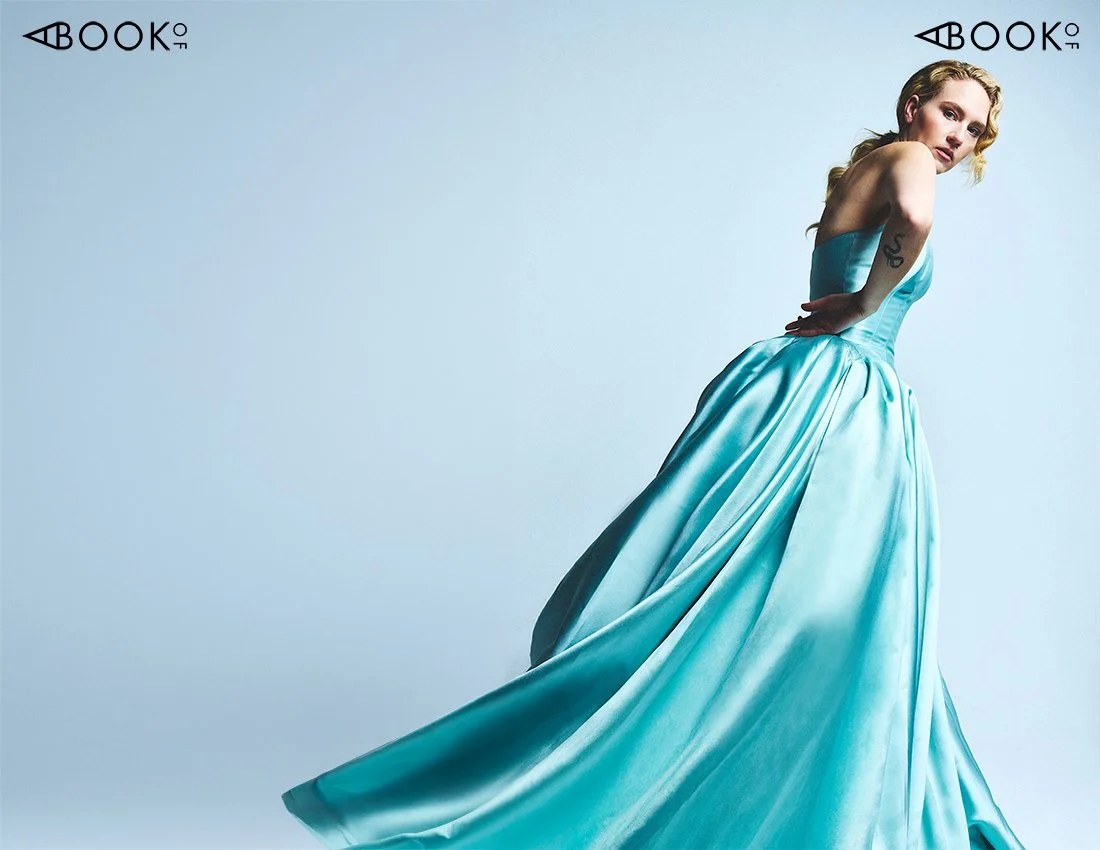
Dress: CHUKS COLLINS
You’ve said that when acting begins to feel like begging someone to give you a job, you make something else creatively. How did years of moving between dance, theater, music, and acting teach you to build a career that doesn’t depend entirely on being chosen?
These are such thoughtful questions. You're a great interviewer. Yeah, I think a lot of it was circumstantially necessary. I just really wasn't good at any of the things I didn't care about. I was a waiter for many years, and they kept giving me the small corners of the restaurant where no one came because I would just get distracted, and I just didn't care. So, at least with all the strange little jobs that I found, I had some source of joy or pleasure or curiosity in them.
I remember right before I booked On Swift Horses, which is an indie film I did with Jacob Elordi and Daisy Edgar-Jones and Will Poulter, a bunch of really amazing actors. I had a small but mighty role in that, and it's a period piece. The weekend before that, I was singing at a weird corporate Gatsby party with my friends, where we get hired to be the characters in their Gatsby fantasy. So I was just, out of my own volition, singing and acting like I was in the '20s.
And I think that all of the characters that I have had the pleasure of playing are because I have some version of life's research behind them. I don't like to really overread or come from an analytical perspective. So I've just really followed my pleasure, followed my nose. And even when it comes to auditions, I don't, to my detriment to some degree, probably, read all the facts about an audition until somebody likes my tape. I just go from my gut. I say the words the way I envision them. I play it the way I want to play it, and then if they get back to me, I'm like, “Oh, I'm sort of attached now. Who's making this?” You know? But yeah, there's not a lot of analytical structuring in this career.
There's just a lot of following my nose and following my heart, and making sure that whatever I'm doing doesn't grate on my spirit. Yeah, and protecting the ability to be inspired. Even when I worked in restaurants, I would work for so many hours that I'd get on the train on the way home, and I'd have to sing. And the acoustics were so good in the train stop. What am I trying to say? Down in the train. The acoustics were so good. I would sing to release everything I had to hold on to for so many hours, in my exhaustion and everything. So I just think there's no shame in wherever the journey of surviving takes you, as long as you are in conversation with your own arrow, and you kind of know where it's pointing.
Yeah, and even if it is, you never know how that dream, once you get it, makes you feel. Even when you see people and you compare yourself to people who have a straight line from a school to a school to a job to a job. Everybody has a... I think the thing worth saying is that you should never sleep on your peers, and you should never judge other people or compare yourself to other people because you just don't know what it feels like to be in their shoes. And all you really have is how you feel about your own journey.
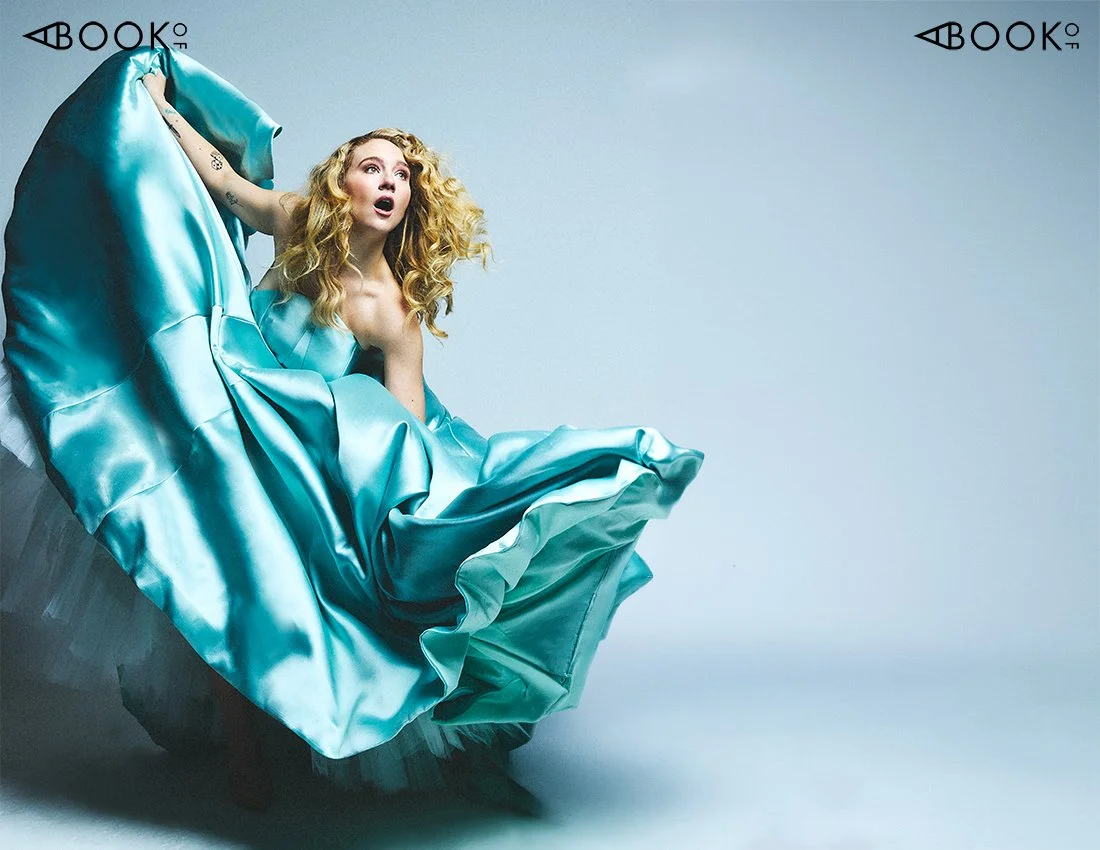
Dress: CHUKS COLLINS
One of the things I find compelling about Clare and Jane is that they can compete like colleagues and hurt each other like family, sometimes within the same conversation. How do you and Hope Davis find the moment when Clare stops speaking to a U.S. Marshal and starts speaking to her mother?
This is one of the coolest things about this show in general: we as actors get to dance with those two different dynamics in almost every scene. We get to choose, like, “Am I a brat who wants something from her mom, or am I an FBI agent who needs to stand on business right now?” And what are the layers of those two things? Same with some upcoming scenes I have with Pete, where we got to figure out what our version of that is on the fly. Everybody always has a different relationship to each parent, and how that colors the situation. But really, the writing tells us a lot. And mostly, Hope Davis is just an amazing dance partner. I always feel like I can throw stuff at her, and she's gonna throw it right back at me.
And we also really want to honor the writing. Oftentimes, if something feels a little weird or whatever, we will ask a question and they'll have a great answer for us. So we're working with some really great source material, and we just get to play with the colors within it. But yeah, playing with that, I feel like every single scene could be played inverted, where it's either a brat or an FBI agent. And somewhere in the middle is where it lands.
To be more specific, the time where I know I need to be soft and her kid, like in this latest episode, we have a moment where I finally put my head on her knee, which is something I totally do with my mom, cozying up on the couch or whatever. I remember, even if we have big, horrible fights, at some point, like, that's your mom. And I try to follow the opportunities in the writing that feel like they're opportunities for Clare to take all her armor off and just be there. But I also love how much we show parenthood and kids in that relationship, how much it can endure, and how much people really do fight. But, you know, you're still there at the end of the day.
Everyone in the Hollingsworth family has inherited this idea of service. Yet Clare rebels by leaving the family lane and joining the FBI. How do you play rebellion in a family where rebellion still looks suspiciously like becoming exactly what your parents raised you to become?
That's interesting. I don't think I have ever consciously tried to play rebellion. I think what I relate to about her going off on her own is the fact that I did in my own life. I don't... None of my family has lived a life as an artist. I think they're artistic people, but I literally came out of the womb being like, “I'm going to New York and I'm going to be a dancer.” And they're like, “Where did you come from?” And that was the first thing that was written, that was given to me for the audition: Clare's family is like, “Where did this person come from? They're so smart.”
I like the idea of the FBI, in general, being a little bit more of a rebellious, creative arm. They can get away with stuff a little bit if they solve the case. They're given a little more freedom than the average bear, and that speaks to me. I think Clare is rebellious accidentally because she'll do anything to get to the answer or to solve the case. I think she'll break rules to do that, but I think in her mind she's following her own moral code, which is to do what she came to do, because she's smart and she has a vision, and she's gonna achieve what she's doing.
But yeah, I'm also glad that she has a little bit of a rock-and-roll spirit because I wouldn't be able to relate to her if she was just a goody-two-shoes. Rules are made to be broken. Ask for permission, not forgive... No, ask for forgiveness, not permission. Which I appreciate because, you know, sometimes you gotta cut the red tape to do the right thing.
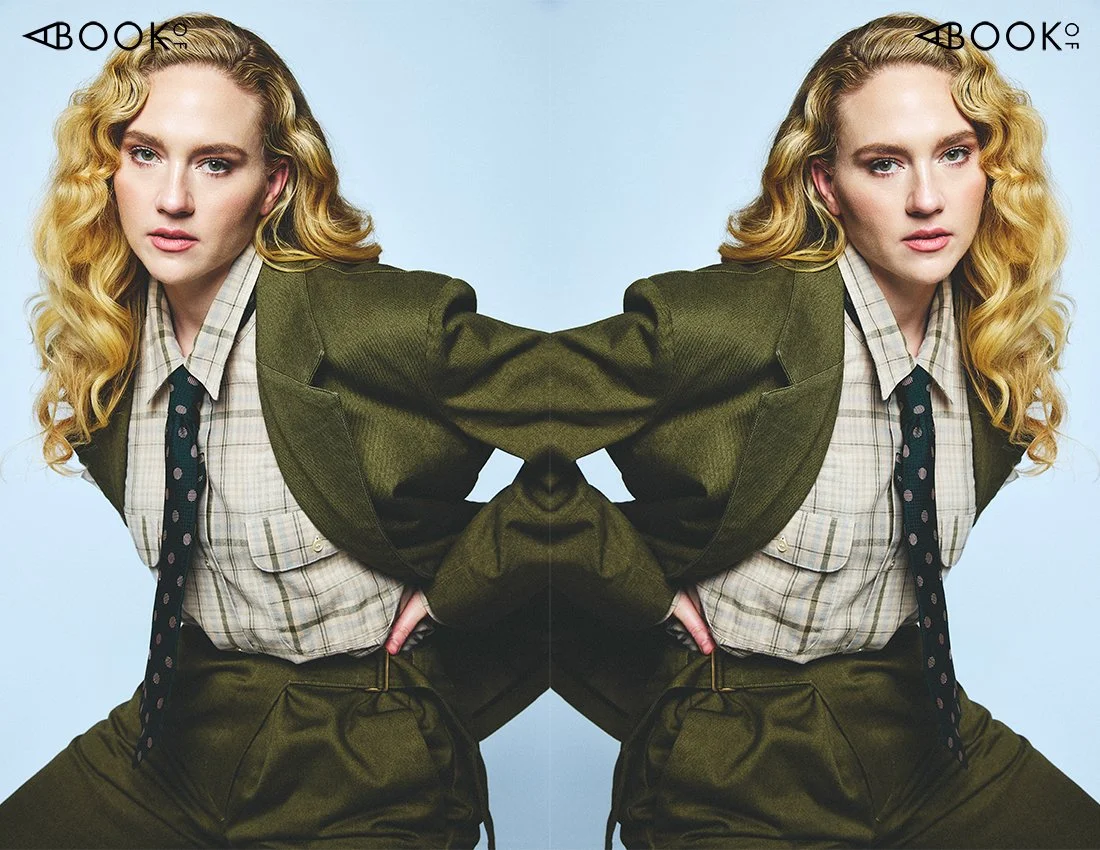
Olive Suit: VINTAGE BRUSHED DRILL BY SIVAN, Tie + Pocket Square: STYLIST ARCHIVES, Shirt: BUCK MASON, Shoes: RALPH LAUREN
Across The Deuce, Trinkets, Rap Sh!t, and On Swift Horses, you’ve played people whose relationships to desire, performance, or self-invention shape how they move through the world. Clare’s authority feels different. It comes largely from competence and conviction. How did that change the tools you reach for as an actor?
I feel like it's just sort of due time for me to play with this side of myself. I think that while I love all the characters that I've played, and I love being sort of hyper-feminine or sexually empowered or other things that I've played in the past, a lot of the time that was also a tactic to get the attention of casting directors because they didn't know me from Sam. And I was willing to be crazier and louder and more of a caricature, like when I played Raina Rain, the rapper. I just don't know that there were a lot of people who had the audacity to do that the way that I did it.
And so that willingness and the ability to push it that far is something that has helped me get in a lot of doors, to have the chance to have a small role that I turn into something bigger because, turns out, I also can act. And now I feel like I finally have a stack of roles that I've played, and there's a little bit more trust in this industry in me or whatever.
Maybe it's just a serendipitous moment where I get a chance to shine a light on something different. But what I bring to Clare feels like so much more true to the discipline it takes for me to even pursue playing all those crazy characters I've played before. It's just the sort of behind-the-scenes version of me that people don't see. That's not a fun party. That is, like, “I will drop everything to learn the lines to go to the next thing.” I care about work so much, to a detriment. Anyone in my close sphere knows that. I feel it is my soul's purpose to do justice to these roles that I'm playing.
So anyway, I feel like I can relate to Clare's sense of duty. I can relate to how she's harnessed in her identity as a smart person, and I haven't really gotten to express that in a character that I've played before. It's just really exciting for me to get to show that side of myself and also be learning so much while I'm doing it.
I've literally never had this much text, let alone exposition, to say on screen. So it's a huge opportunity for me to figure out what the balance is between that awesome task of saying a bunch of facts in a story and also making that a person, and bringing the same agenda that I've had with every other character I've played, which is to make sure that, as much as I possibly can, I'm being honest as a person would be in that situation so that people can see themselves in me and hopefully empathize. Even if it's a crazy, far-out character or somebody who you've seen in a bunch of procedurals to some degree... Thank you. Yeah, I mean, I think I'm really thirsty to live out these situations, to have an opportunity to be a person who has different dynamics.
She gets to be really angry, and then she gets to be really sincere, and then she gets to take care of people when they're in pain, and then she gets to be a hero who saves the day, and then she gets to be in love, and then she gets to have a heartbreak. I've just never had this breadth of human experience to get to move through as a character, and so I'm just really cherishing every second of living that.
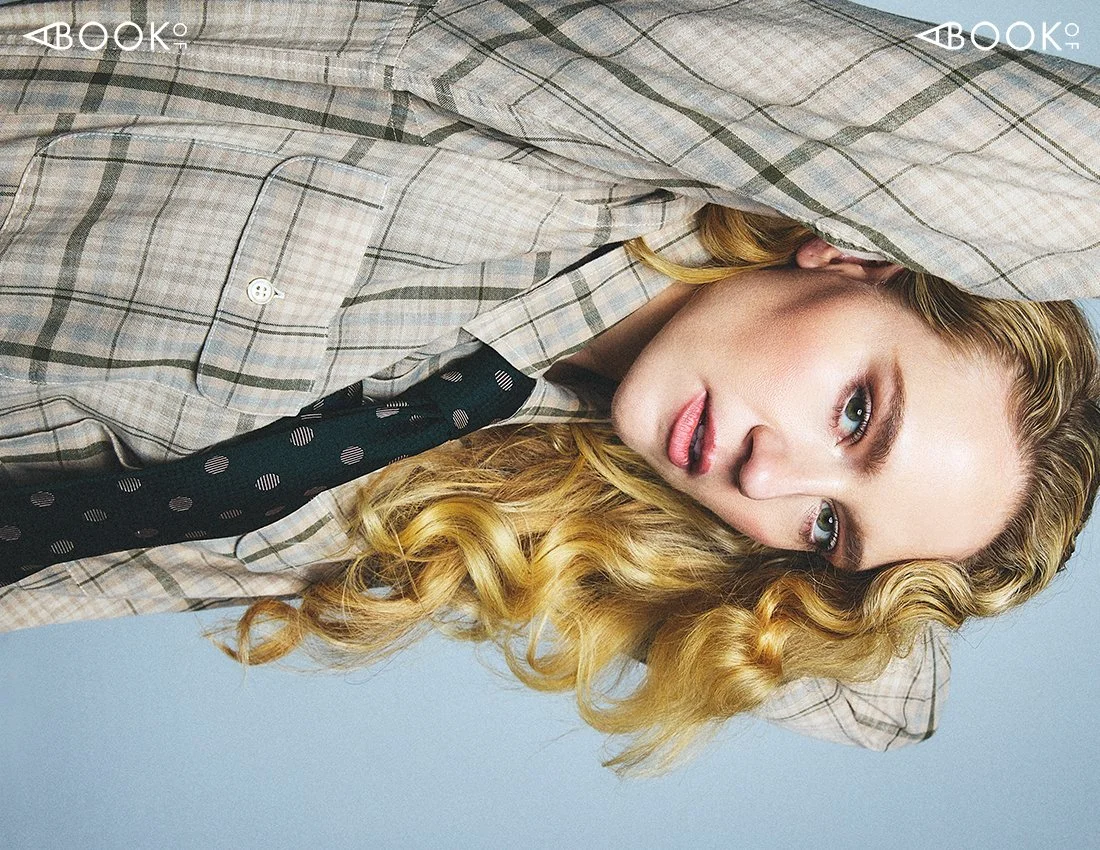
Tie + Pocket Square: STYLIST ARCHIVES, Shirt: BUCK MASON, Shoes: RALPH LAUREN
American Hostage presents almost the opposite acting challenge. Ibby Hall was a real woman, but some of the emotional material surrounding her, particularly her developing relationship with Barbara, was invented for the series. How do you honor the boundaries of a real person’s life while permitting yourself to make the parts of history never recorded feel completely truthful?
So with American Hostage, as you said, it is a real thing. There was quite a lot I could research, and I researched as much as I possibly could. I watched everything made about it so far, and I did a deep dive on any information or documentation of the cases that happened. And I still found so little of the real Ibby Hall. What I did find is that she looks very different from me and, from what I can tell, is probably very different from me. So I still took a lot of liberty in playing Ibby, and I think we all sort of allowed ourselves to honor that it's not, you know, a one-to-one biopic on Ibby. More so, what spoke to me about her role was the opportunity to represent a woman in Ibby's position at that time in the world.
I mean, she had, from what is written about her so beautifully in the script, such high ambitions and was set to live an upper-class, highly educated, worldly life. And then, sort of, from some perspectives, you could say, got the short end of the stick that most women did in that era, of just putting all of those ambitions into a man who often disappoints them.
So I think there were really obvious boundaries and ways that we didn't want to disrespect the real Ibby Hall. For example, when we go to the bar, she's not throwing back martinis, which would have been really fun for me to have acted. She's delicately sipping a Shirley Temple. There are ways that we're not... We didn't take it to a caricature place of a woman off the rails. And so, well, yeah.
To be honest, I don't think that there was really much of a difference in how I approached respecting her real life, given that there was not a lot of information about her that I had access to. But mostly because even if it was just a female character written from the '70s, I would want to honor that woman as much, because that woman is my mom, my grandma. You know, people who lived through the constructs of that time. That's really what I had in mind playing her, knowing that there were so many affectations expected of them, and they were stuck in the clothes, and they were encouraged to have so many kids without any support and all of that stuff. I was just really attracted to the idea of a woman who was trying to uphold her presentation in the world and her own standards for herself while sort of watching all of those dreams crumble and mourning them in real time.
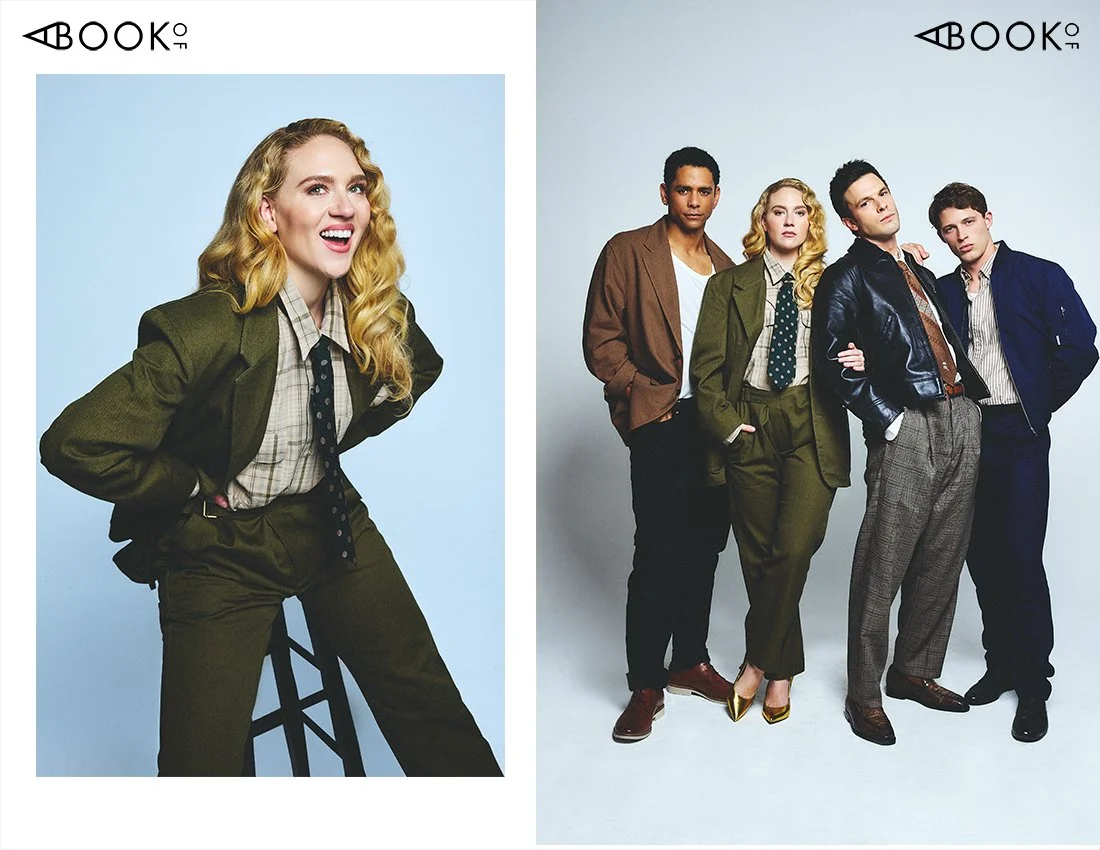
LEFT: Tie + Pocket Square: STYLIST ARCHIVES, Shirt: BUCK MASON, Shoes: RALPH LAUREN
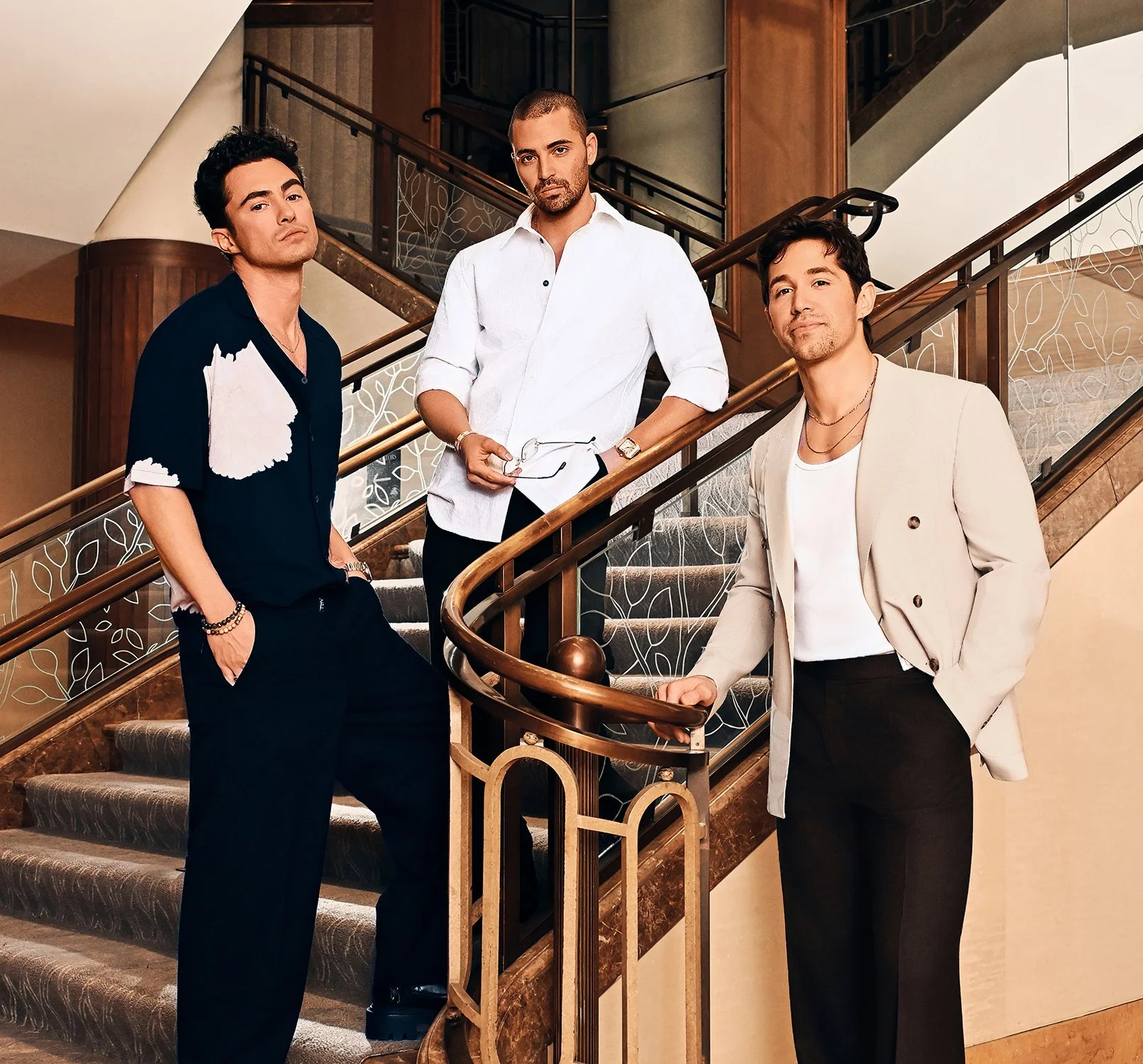
RIGHT: CHARLIE WEARS: Jacket: BUCK MASON, Tank: BUCK MASON, Pants: BUCK MASON, Shoes: FLORSHEIM KAT WEARS: Gown: ET OCHS, Liquid Lucite Wafer Post Earring + Asterales Open Nugget Ring: ALEXIS BITTAR TOMMY WEARS: Jacket: BUCK MASON, Shirt: BUCK MASON, Pants: BANANA REPUBLIC, Belt: Stylist Archives, Tie: STYLIST ARCHIVES, Shoes: QUE SHEBLEY TAYLOR WEARS: Bomber: BEN SHERMAN, Shirt: BEN SHERMAN, Tank: CALVIN KLEIN, Pants: BEN SHERMAN, Shoes: BRUNO MALI, Belt: STYLIST ARCHIVES
Years ago, while making the music video for BOYS, you talked about how queer and trans stories are often framed through death and adversity, and how simply depicting joy can be radical. Your career has moved much closer to the center of mainstream television since then. How has your definition of meaningful representation changed? And what do you think audiences need from queer artists now that you may not have understood five years ago?
Okay, good question. I don't think my concept of what good representation means for the queer community or for any marginalized community has changed. I think more is more. If you can't see it, you can't be it. We need to see queer characters. But I think one of the things that I struggled with around the time that I made BOYS as an actor was that I was really emphasizing wanting to be in queer work and wanting to play queer people. And I had gotten the opportunity to play Sabine in Trinkets, who was sort of a queer heartthrob musician, and it felt very aligned with my actual presentation. It was this amazing time in the world of conversation about pronouns and sex positivity and all of these things that were really flourishing, and I still hope that we are going in the direction of a world like that.
But at the time, I was having a really hard time getting anybody to see me for nonbinary characters. And when they did, I didn't get anywhere near being cast. So I realized I had to reckon with the fact that even if we are representing queer people, we're, even within some queer spaces, not really progressing to the point where we understand that you don't have to behave within a gender norm to be nonbinary. Like, I was not nonbinary enough for the nonbinary roles.
So I think what I have centered myself in appreciating, and also learning that I really enjoy, because I contemplated, like, “Do I shave my hair off? Do I get gauges? Do I wear a leather wristband so people know I'm queer?” And in my center, in my core, my arrow said, “You're the canvas, and what you enjoy is shapeshifting.” And that's a great power because you can play all sorts of people. You can represent all sorts of women who feel the way that you felt when you were identifying as a woman, or the way you still feel when you're perceived to be one. So I just kind of anchored down in my powers of being an alien shapeshifter.
And I overall have a resounding yes and bravo to any queer person being themselves while working in any capacity. Like, in playing Clare, who is not queer, it is so exciting to me how many people have come out of the woodwork from my queer community who are so excited for me to have this opportunity. Queer people are saying that they really appreciate that I'm playing this woman, this straight woman, with so many similarities to the way that I move through the world.
At the end of the day, I think we all need to empathize and realize that we are so much more the same than we are disalike, and to empathize with each other. So I'm really grateful that I have this opportunity, that I'm surrounded by queer people, and that is representation. I have representation when I go to work while telling this story. I think we just have to keep cheering each other on for being queer and alive. Yeah, exactly. And we need to cheer each other on when we all get those little moments.
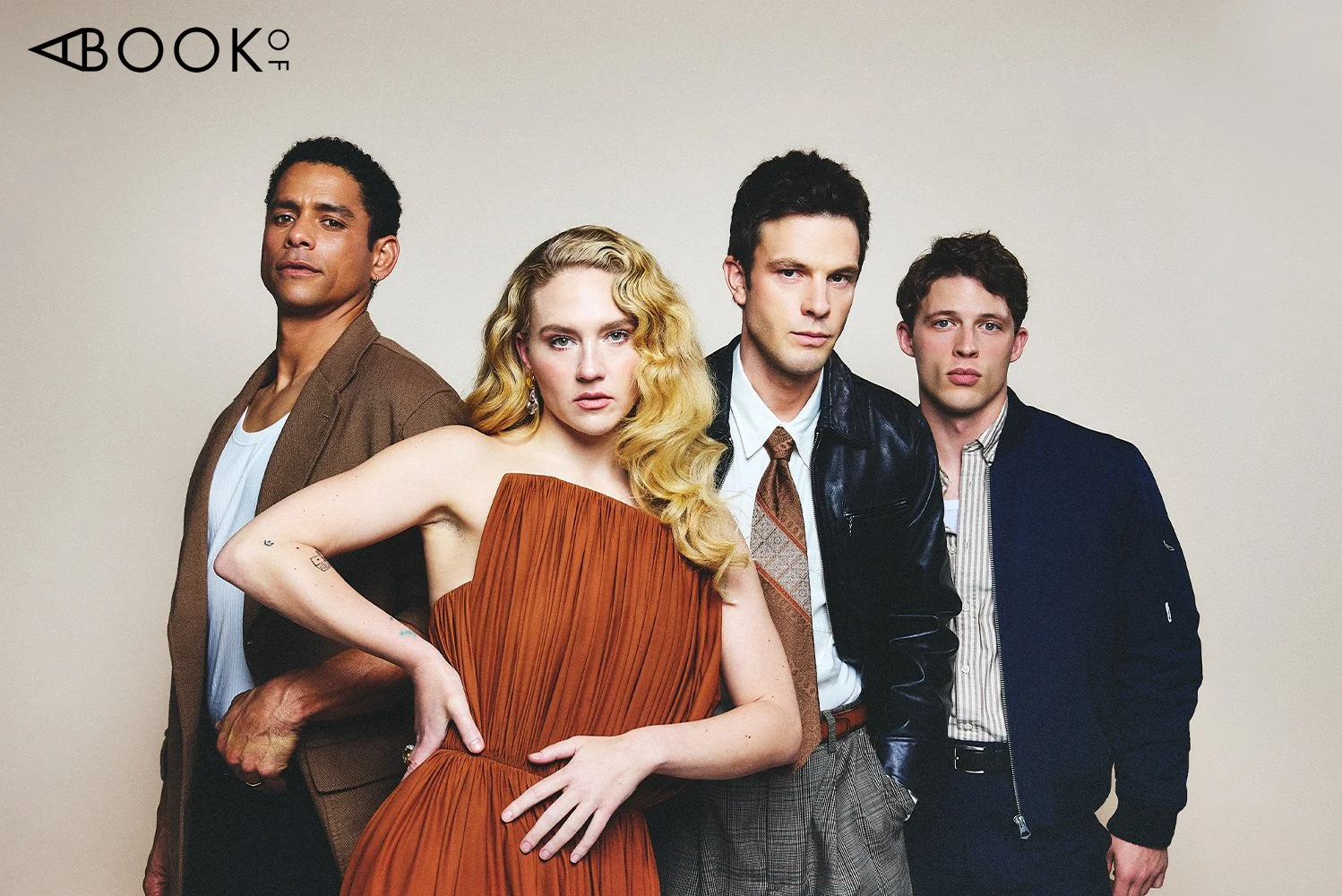
CHARLIE WEARS: Jacket: BUCK MASON, Tank: BUCK MASON, Pants: BUCK MASON, Shoes: FLORSHEIM KAT WEARS: Gown: ET OCHS, Liquid Lucite Wafer Post Earring + Asterales Open Nugget Ring: ALEXIS BITTAR TOMMY WEARS: Jacket: BUCK MASON, Shirt: BUCK MASON, Pants: BANANA REPUBLIC, Belt: STYLIST ARCHIVES, Tie: STYLIST ARCHIVES, Shoes: QUE SHEBLEY TAYLOR WEARS: Bomber: BEN SHERMAN, Shirt: BEN SHERMAN, Tank: CALVIN KLEIN, Pants: BEN SHERMAN, Shoes: BRUNO MALI, Belt: STYLIST ARCHIVES
Your career keeps moving between other people’s scripts and your own songs. Acting asks you to inhabit someone else’s truth. Music gives you the opportunity to name your own. At this point in your life, what are you finally learning to author for yourself that you once waited for someone else to permit you to become?
I feel like, well, acting is still... I'm still just joyfully on the ride of being given more authored work to become. But in the music world, I feel like I'm not trying to convince anyone I'm a pop artist anymore, or any kind of genre artist, or any kind of anything. And I have to say that the place I'm in as an actor right now is super helpful for that because I feel so grounded by the opportunities I have as an actor that I'm like, well, what's left of music is not me desperate to get on the road all year, because I'm busy making a show. But I am desperate to express myself as a musician, and I have this much time to do it, and so I'm going to do it exactly how I want to. And it's going to be aesthetically what I like to hear and what I want out of these songs.
And I... I essentially got a grant from Canada because... And I made my record in Canada, days before I started the pilot. So this has been, like, an incredible season. I literally was directing a harpist in the last hours before I got on the plane, and I made it with some friends. Brian West is an incredible producer. Elliot Bink is an incredible producer and friend who's toured with me and been my guitarist for the last, like, eight years. And I recut songs from the beginning of my career, from 10 years ago, that, for whatever reason, I didn't think were good enough pop hits, that have stuck with me over 10 years. And I decided to recut them as well as write about as many new songs.
And I'm just in an awesome place of being like, this is who I am as an artist right now, and there's no pressure for it to be bigger than Lady Gaga or weirder than, like, I don't know, other references of mine. You know, I'm not comparing myself to anyone. I'm just making the art because I have to, like I used to when I got out of the restaurant and I had to sing. So I'm not waiting for permission in that arena anymore.
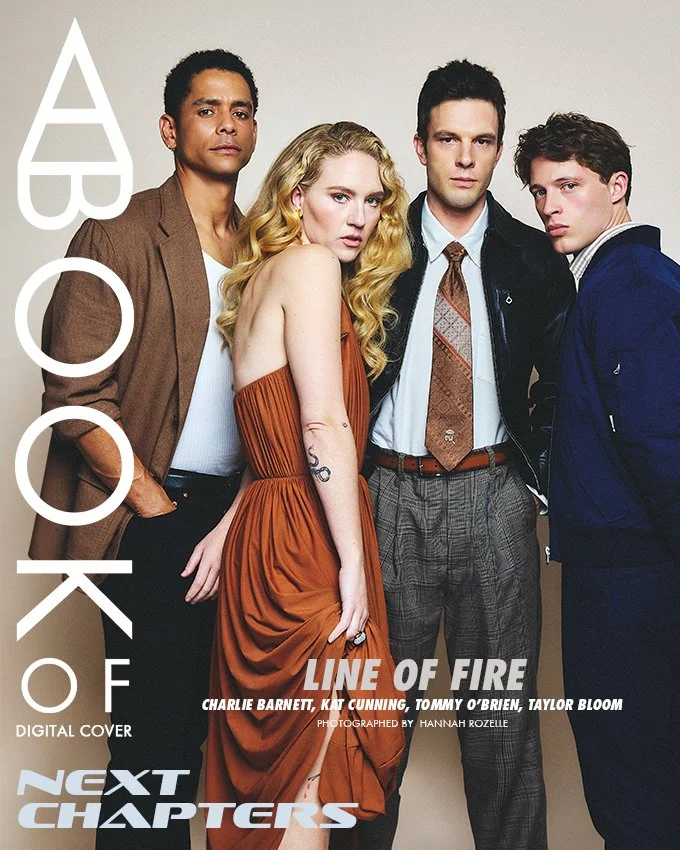
CHARLIE WEARS: Jacket: BUCK MASON, Tank: BUCK MASON, Pants: BUCK MASON, Shoes: FLORSHEIM KAT WEARS: Gown: ET OCHS, Liquid Lucite Wafer Post Earring + Asterales Open Nugget Ring: ALEXIS BITTAR TOMMY WEARS: Jacket: BUCK MASON, Shirt: BUCK MASON, Pants: BANANA REPUBLIC, Belt: STYLIST ARCHIVES, Tie: STYLIST ARCHIVES, Shoes: QUE SHEBLEY TAYLOR WEARS: Bomber: BEN SHERMAN, Shirt: BEN SHERMAN, Tank: CALVIN KLEIN, Pants: BEN SHERMAN, Shoes: BRUNO MALI, Belt: STYLIST ARCHIVES
And lastly, if you were a book, what book would you be, and why?
I'm sure I have another answer, I mean, more than this, but what's coming to mind is Kurt Vonnegut's Welcome to the Monkey House. I have this vivid memory of sitting in church as, like, a 13-year-old and reading Kurt Vonnegut instead. And one of those stories, I'd have to look at what the actual title of it is, but it's kind of like the mission statement of that book of short stories. It's about this society where everyone has to come down to the common denominator, and people have to wear handicaps to empathize with each other. If you have a talent, you have to bring it down so that everyone can be alike. And by the end of the story, one of the ballet dancers just takes all of her handicaps off and dances, and it, like, changes the world.
And that story ended up being what I choreographed my senior project at SUNY Purchase Dance Conservatory about, and I was so proud of that choreography. And that was a moment where everyone realized, like, “Oh, you're... We didn't know what to do with you as a dancer because you're a storyteller.” And that was sort of an inception moment for me to learn, like, there's more to other arts and other kinds of crafts for me. And that book was just a really good friend in a world where people told me to believe in a god. I believed in a monkey house instead.