BTS AT THE SCALE THEY BUILT
BY; JESSE ZAPATERO
pHOTOS: HYBE/BIGHIT MUSIC
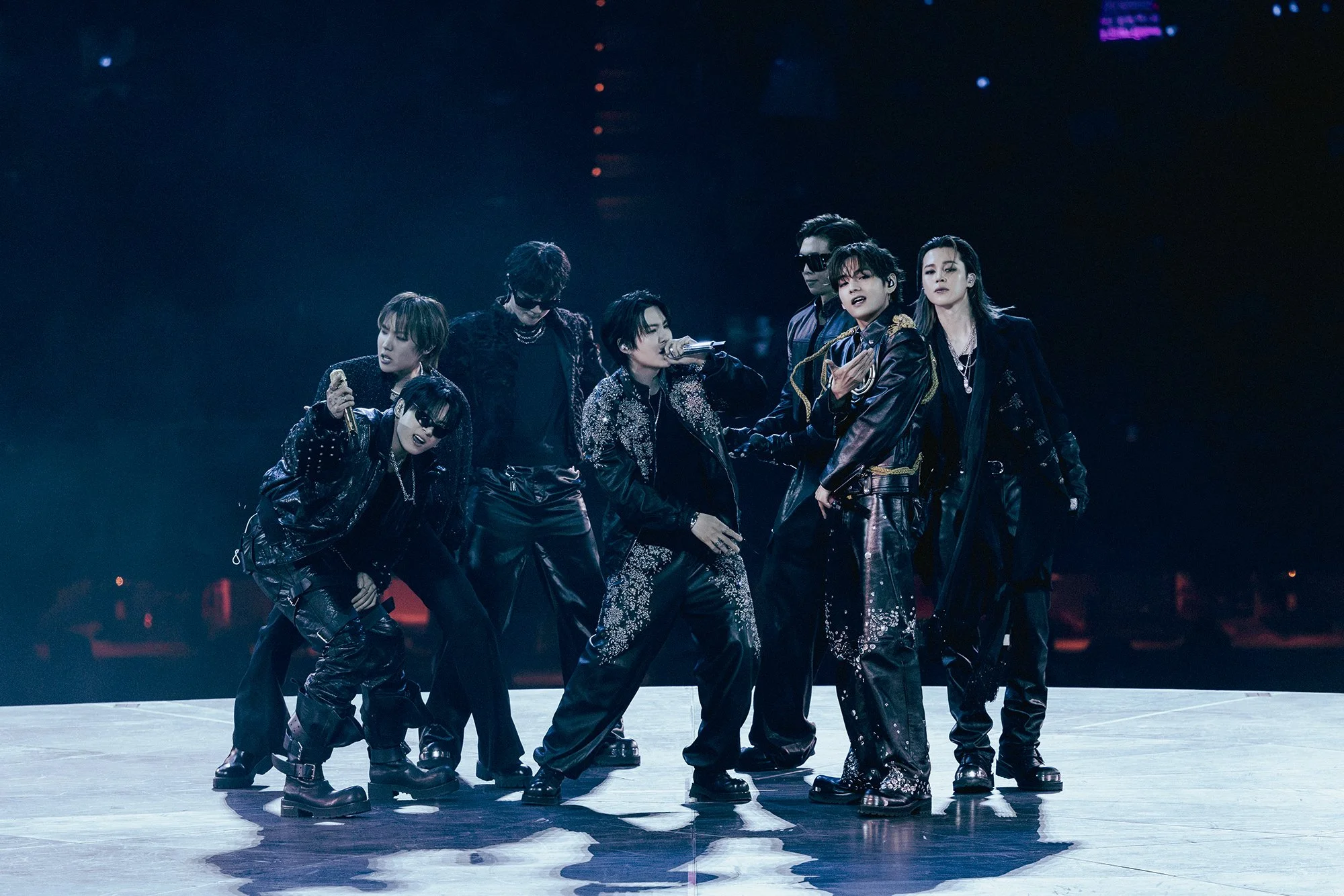
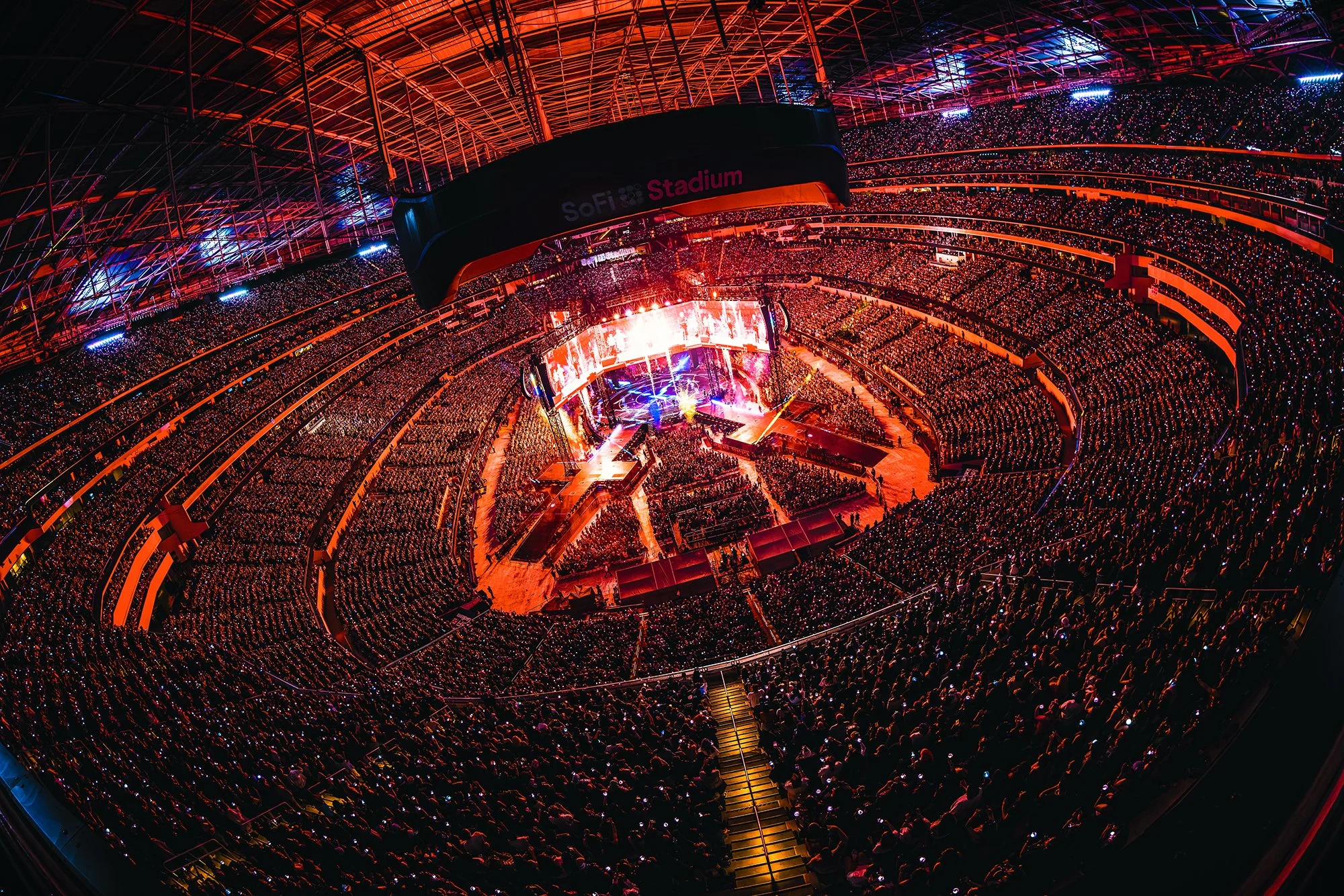
Picture this: nearly 70,000 lights flickering across the darkness of SoFi Stadium, stretching floor to ceiling until the audience itself looks like part of the production. Seven figures occupy the center of it all, surrounded by towering screens, bursts of fire, sweeping beams of light and four catwalks reaching into different corners of a stadium that suddenly does not feel quite as enormous.
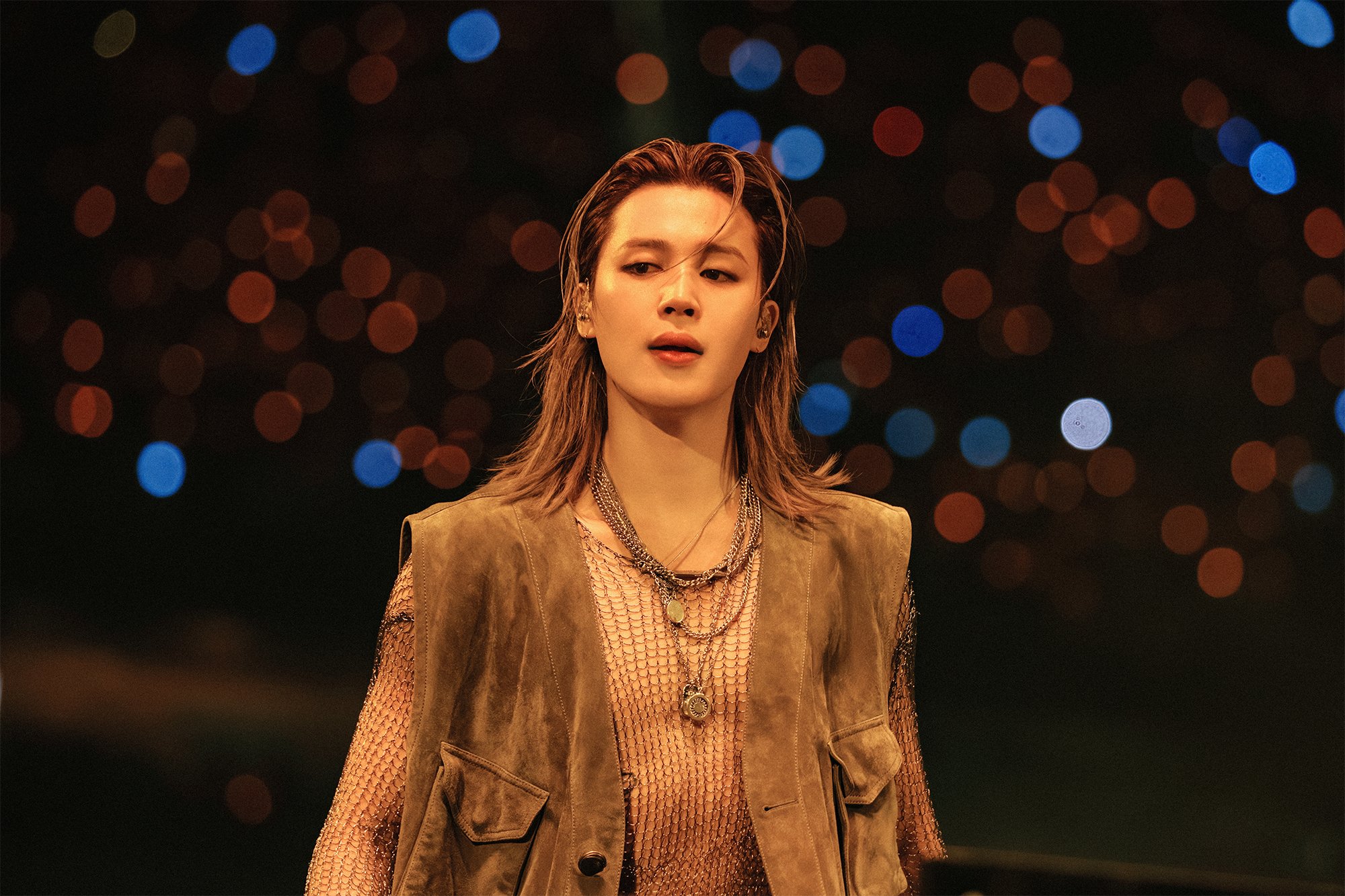
The opening intro plays and the screams follow minutes later, rolling through the building in waves as RM, Jin, SUGA, j-hope, Jimin, V and Jung Kook appear together in Los Angeles again. There is something almost overwhelming about seeing BTS at this scale. Not simply because of how many people are watching, or how large the stage has become, but because the scene represents what the group spent more than a decade helping make possible. A Korean group performing primarily in Korean, commanding one of America's largest stadiums across multiple nights, no longer feels like an anomaly. On September 1, opening night of their Los Angeles run on the ARIRANG World Tour, BTS stepped into SoFi with little left to prove and plenty left to show. After years spent apart completing military service and building individual careers, their return did not feel like an attempt to recreate what existed before. Instead, the seven members walked back onto a stage large enough to hold everything BTS has become, delivering a show that made one thing particularly difficult to ignore: as K-pop continues expanding its ambitions around the world, BTS remain one of the acts that established the standard everyone else now gets to build upon.
The production matched that stature without allowing its size to swallow the performers inside it. Built around a 360-degree stage with four extending catwalks, the show was designed to reach nearly every corner of the stadium rather than treating the floor and front sections as the only places worth playing to. Pyrotechnics, massive screens, lighting, dancers and tightly constructed transitions gave the first half the precision associated with BTS at their most theatrical, but the seven members remained the focal point. Hooligan and Aliens opened the night before Run BTS immediately brought the audience back to one of the group's most physically demanding performance tracks. The newer material established the current era through they don't know 'bout us, Like Animals, SWIM, Merry Go Round, 2.0 and NORMAL, while reworked versions of FAKE LOVE and Not Today connected the production to earlier chapters of their career without turning the concert into a retrospective. That balance became one of the show's greatest strengths: BTS did not need to rely entirely on nostalgia to generate stadium-sized reactions, but they also understood the weight certain songs carry after years of becoming part of the group's history.
By the time MIC Drop, FYA, Fire, Body to Body and IDOL arrived in succession, the concert had entered its most relentless stretch. It was also where the scale of BTS as performers became easiest to understand. Stadium performance requires a different kind of command than an arena; choreography has to read across enormous distances, individual personalities have to translate through screens several stories high, and energy has to reach people sitting hundreds of feet away.
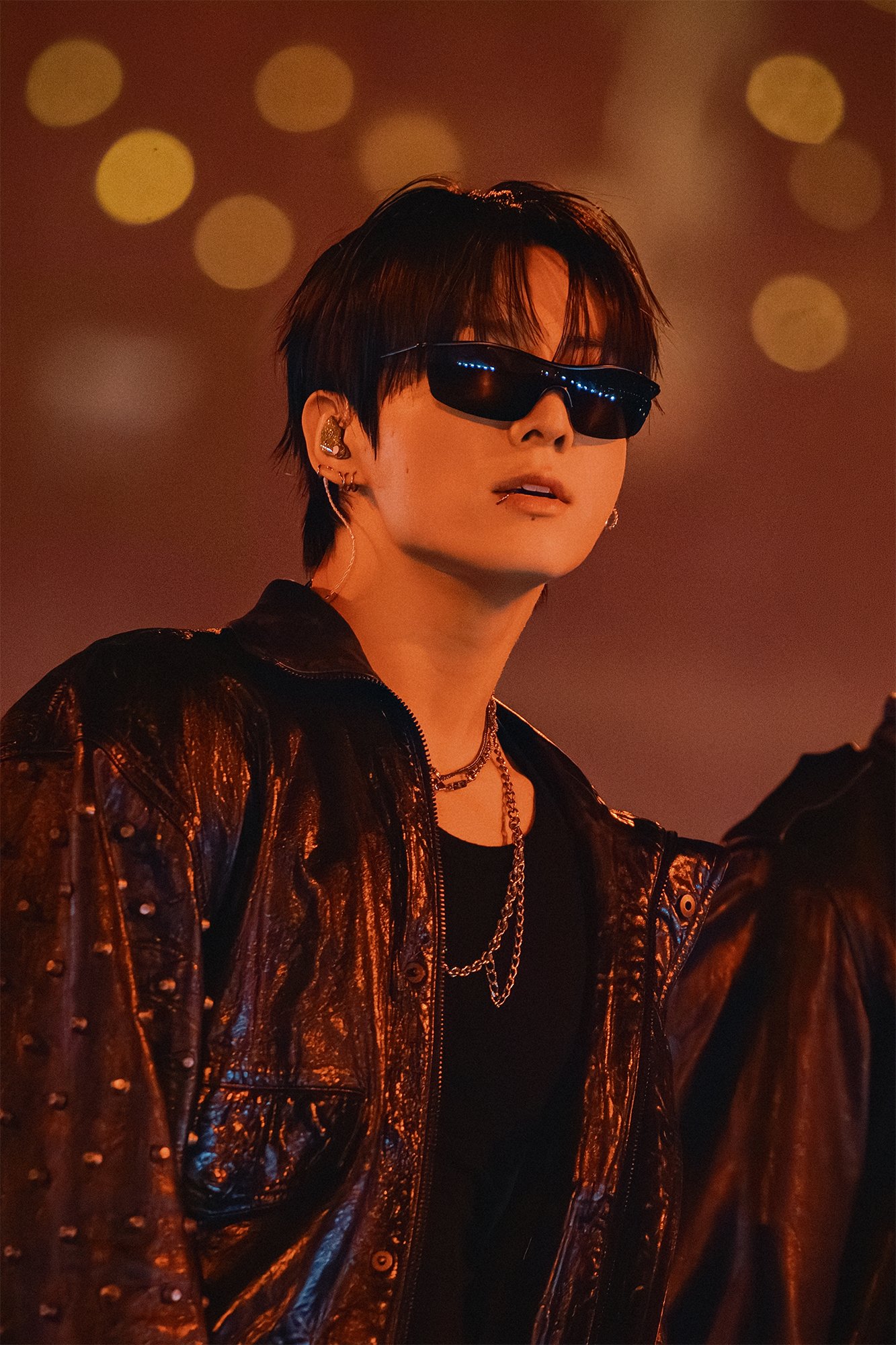
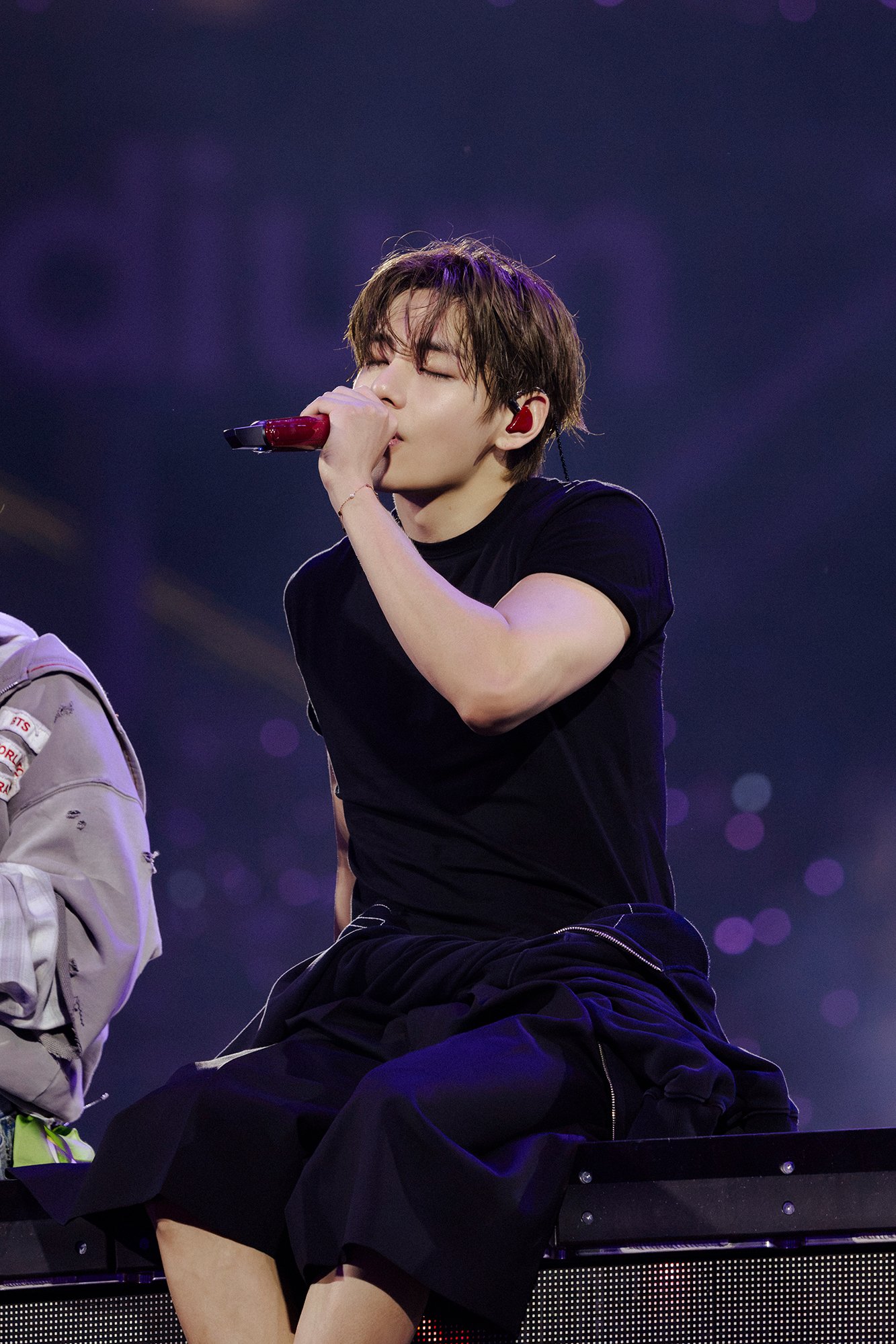
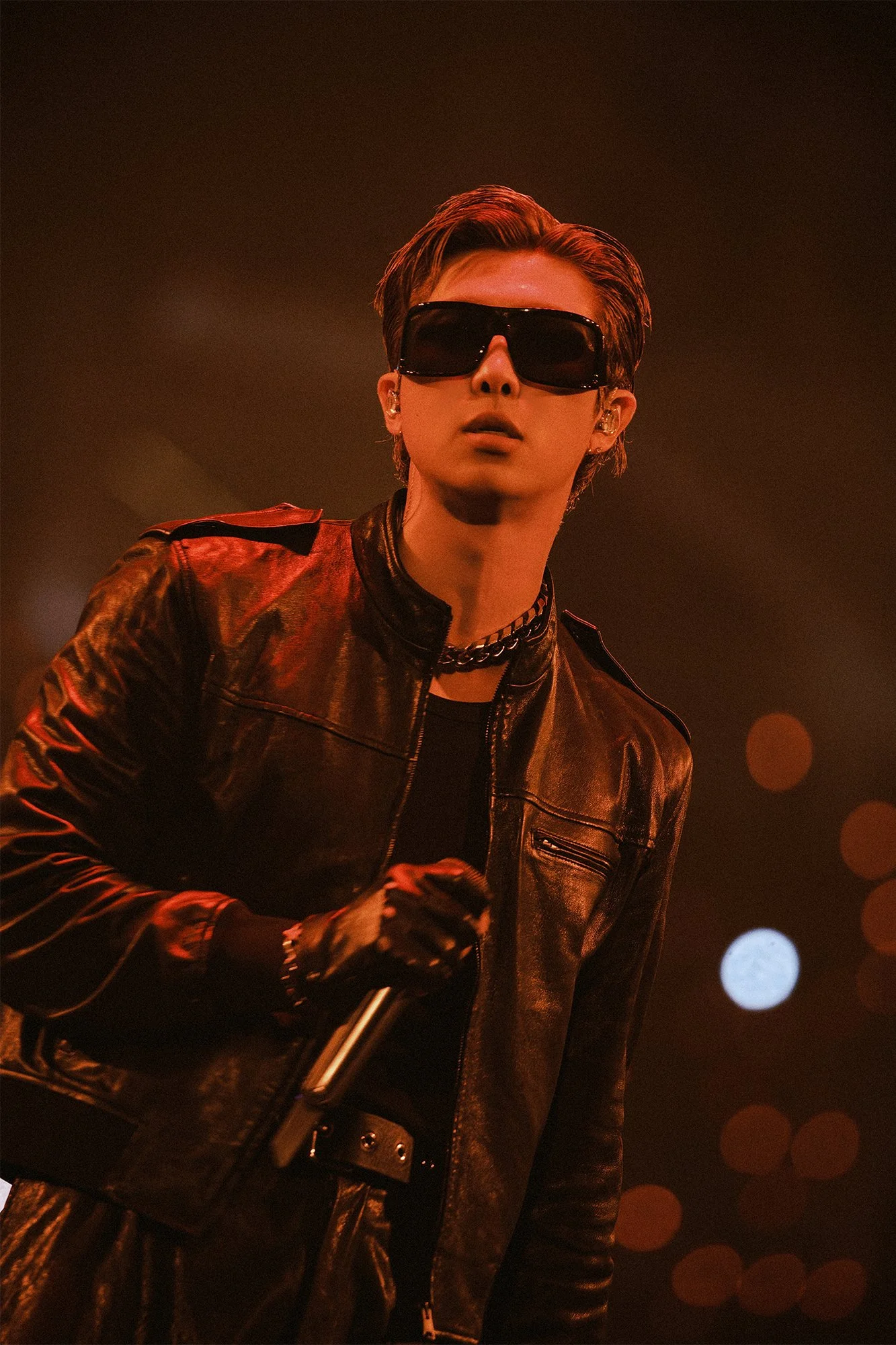

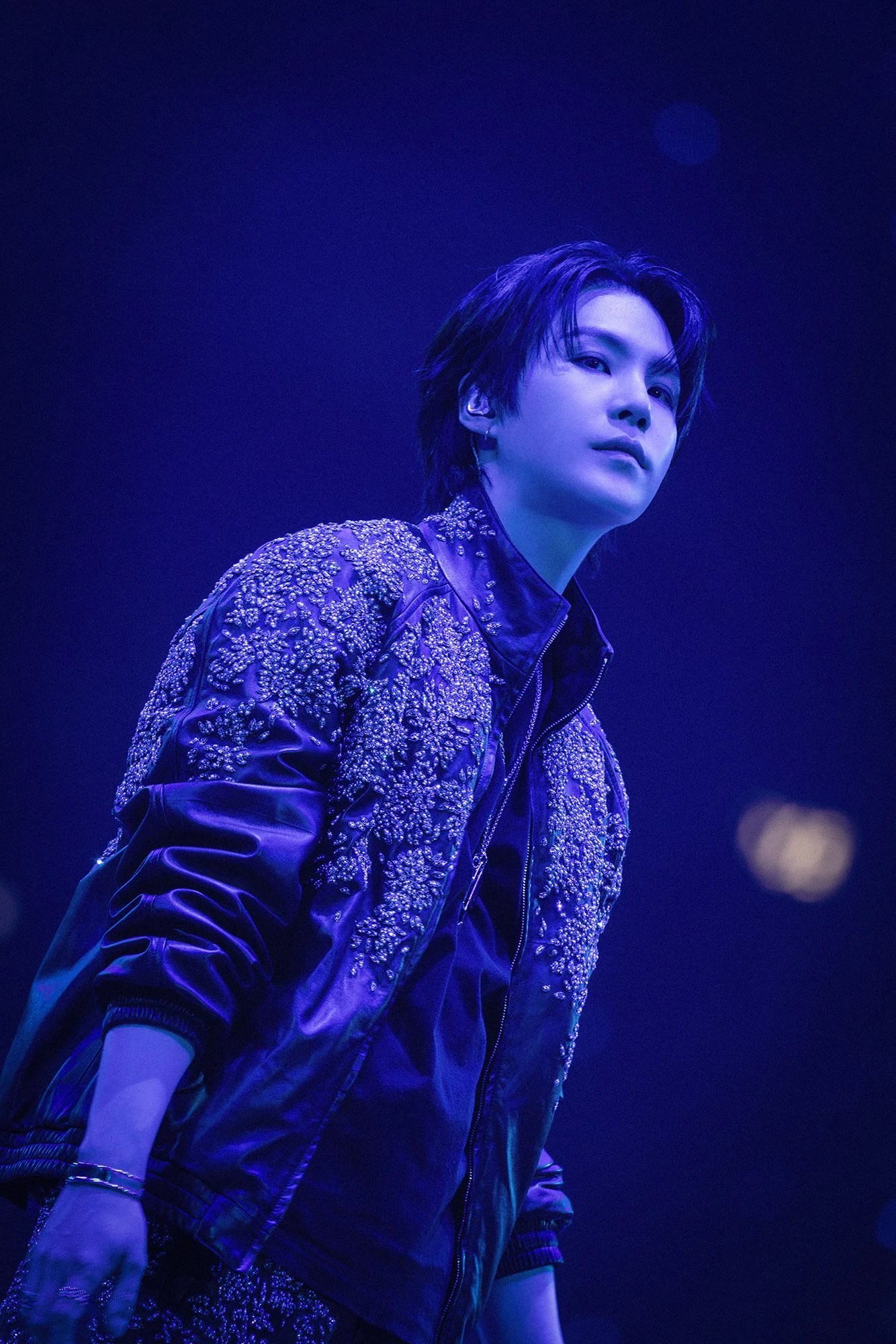
BTS have spent enough of their career operating at this level that those demands no longer appear foreign to them. The choreography remained sharp when the production called for precision, while the spaces between songs gave RM, Jin, SUGA, j-hope, Jimin, V and Jung Kook room to interact without every second feeling programmed. That distinction matters. Plenty of K-pop tours have become technically impressive, and the genre's production standards continue to rise, but BTS helped establish the expectation that a Korean pop act could mount a stadium production without compromising the language, performance style or identity that brought audiences to them in the first place. At SoFi, the group demonstrated why they continue to sit at the center of that conversation: not simply because everything was bigger, but because they knew how to occupy something that big.
SoFi Stadium itself deserves its own mention because a building of this scale can be both an asset and a challenge.
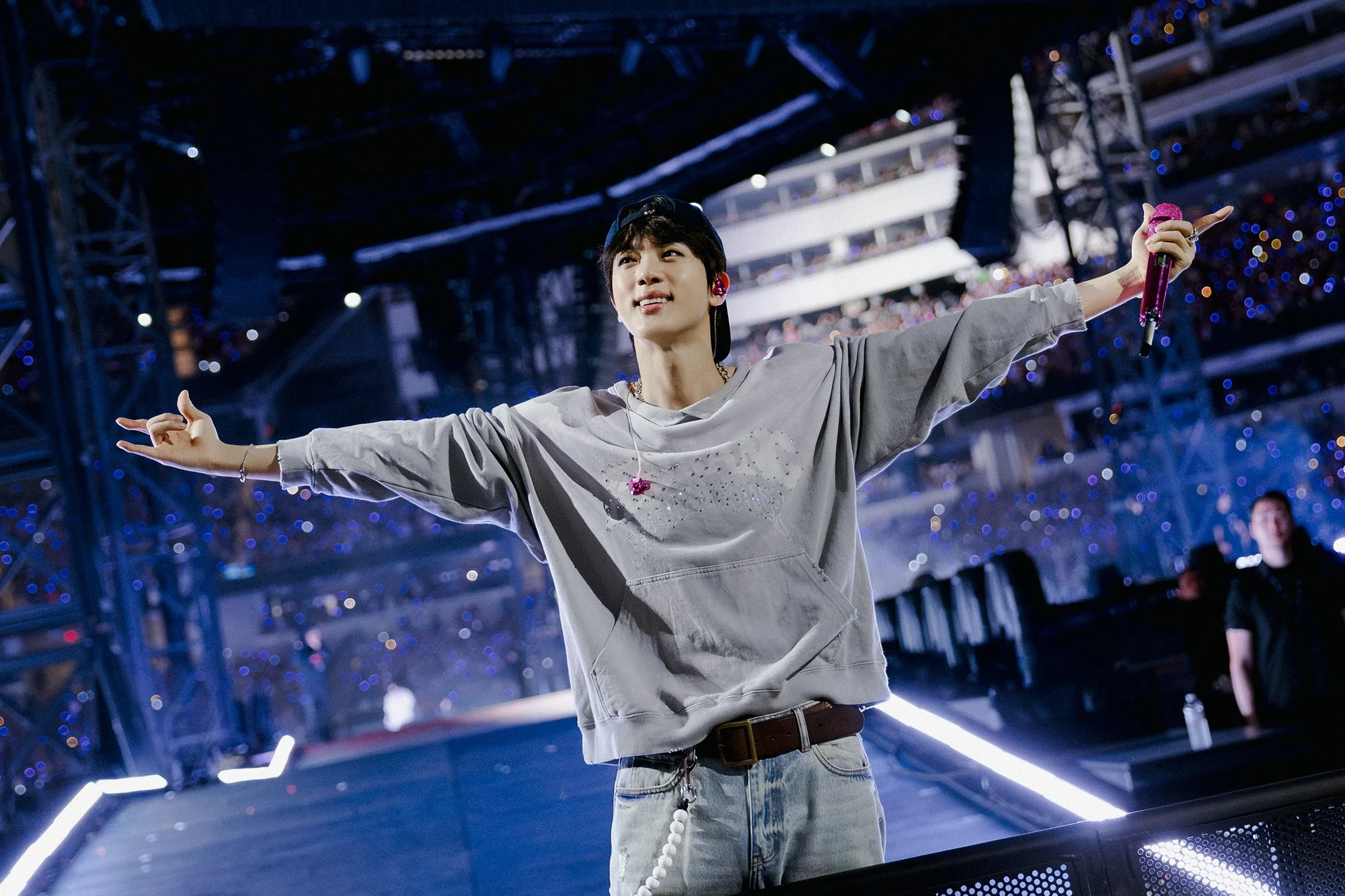
The Inglewood venue is enormous, and its sheer verticality can make the distance between the upper levels and the field feel extreme. For BTS, however, the stadium became another component of the production. The 360-degree configuration helped eliminate the traditional "back" of the stage, while the screens and extended runways allowed the members to continuously redirect their attention throughout the building. More importantly, tens of thousands of ARMYs transformed all that concrete and steel into something visually specific to BTS. Light sticks stretched upward through the seating bowl, reactions traveled around the stadium, and songs that might feel intimate in another setting became enormous communal moments. SoFi is built for scale; BTS understood how to give that scale a personality.
September 1 also meant that this particular stop could never be just another date on the tour: it was Jung Kook's 29th birthday. Fans arrived wearing party hats, his bandmates placed a crown on his head, and the stadium joined them in singing "Happy Birthday," temporarily turning one of the largest venues in Los Angeles into a birthday celebration. What made the moment work was its looseness. For a concert filled with cues, choreography and technical precision, the celebration offered a glimpse of the chemistry that has always existed underneath the machinery surrounding BTS.
The members laughed, teased one another and allowed the moment to breathe. That energy carried naturally into an encore that loosened the structure even further. Come Over, Butter and Dynamite gave way to opening-night additions Boy in Luvand Magic Shop, before Please and Into the Sun closed a 24-song set that stretched a little over two hours. Magic Shopwas particularly fitting for a night built around reunion and connection, bringing an older fan favorite into a set otherwise heavily anchored by ARIRANG.
More than anything, BTS' first Los Angeles night showed how much the definition of a major K-pop concert has changed, in no small part because of the group standing on SoFi's stage. Stadium dates, global campaigns and increasingly elaborate world tours have become part of the ambitions surrounding today's biggest Korean acts, but BTS reached that level by repeatedly expanding what the industry understood to be possible. Their influence does not mean K-pop begins or ends with them, nor does the genre's continued global growth belong to one group alone. What BTS have done is establish a benchmark that subsequent generations now have the opportunity to challenge and expand upon. This show was proof that the benchmark itself is still moving. The ARIRANG World Tour carries the precision and scale expected of BTS while leaving more room for seven individual personalities who have spent years developing outside the group to meet again on the same stage. Between the pyrotechnics, choreography, a setlist connecting their present to their past, and an entire stadium singing for Jung Kook on his birthday, night one in Los Angeles felt less like BTS reminding anyone what they had accomplished and more like them demonstrating what comes after it. For more than a decade they have helped push K-pop toward bigger rooms, bigger audiences and bigger possibilities. At SoFi Stadium, they still looked completely at home setting the standard.