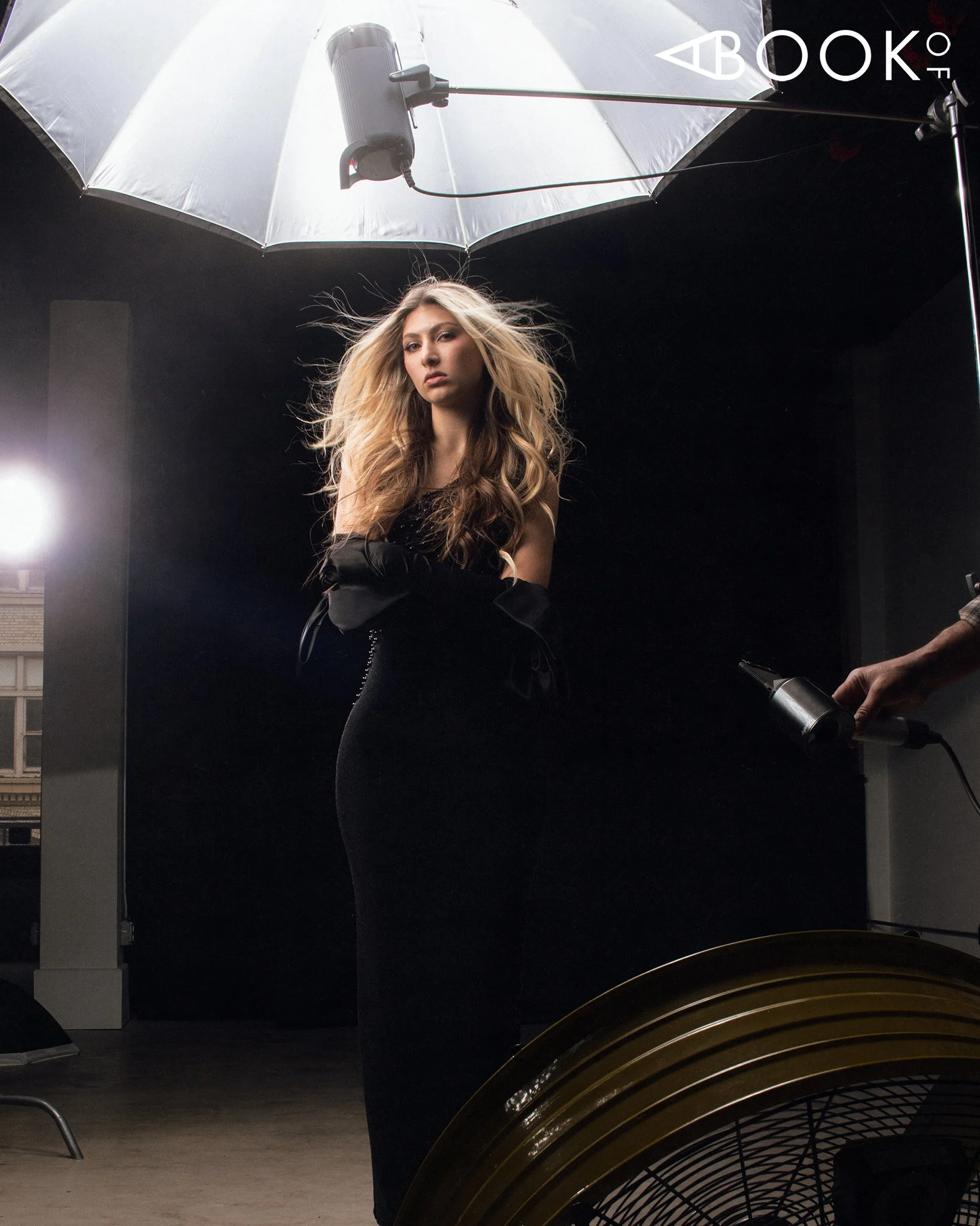
Michelle Joy on Learning to Glow Without Burning Out
BY: JESSE ZAPATERO
There’s a moment in every band’s career when everything either clicks—or quietly begins to fade. For Cannons, that moment doesn’t arrive at the beginning. It arrives now, years in, shaped by exhaustion, reinvention, and an unexpected reckoning with self. Their newest album, Everything Glows, isn’t just another release—it’s a recalibration. And remarkably, it might be their most powerful work yet.
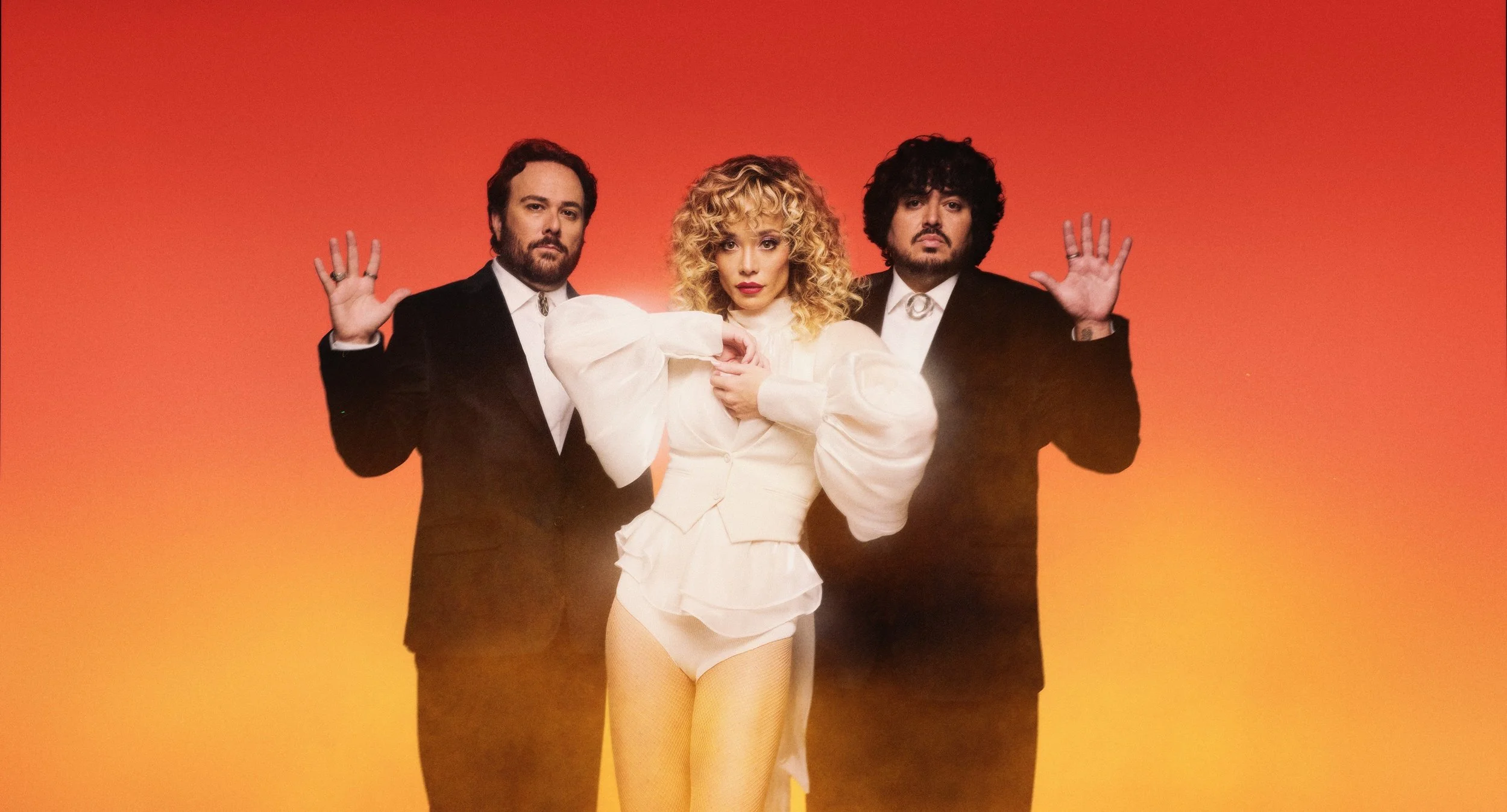
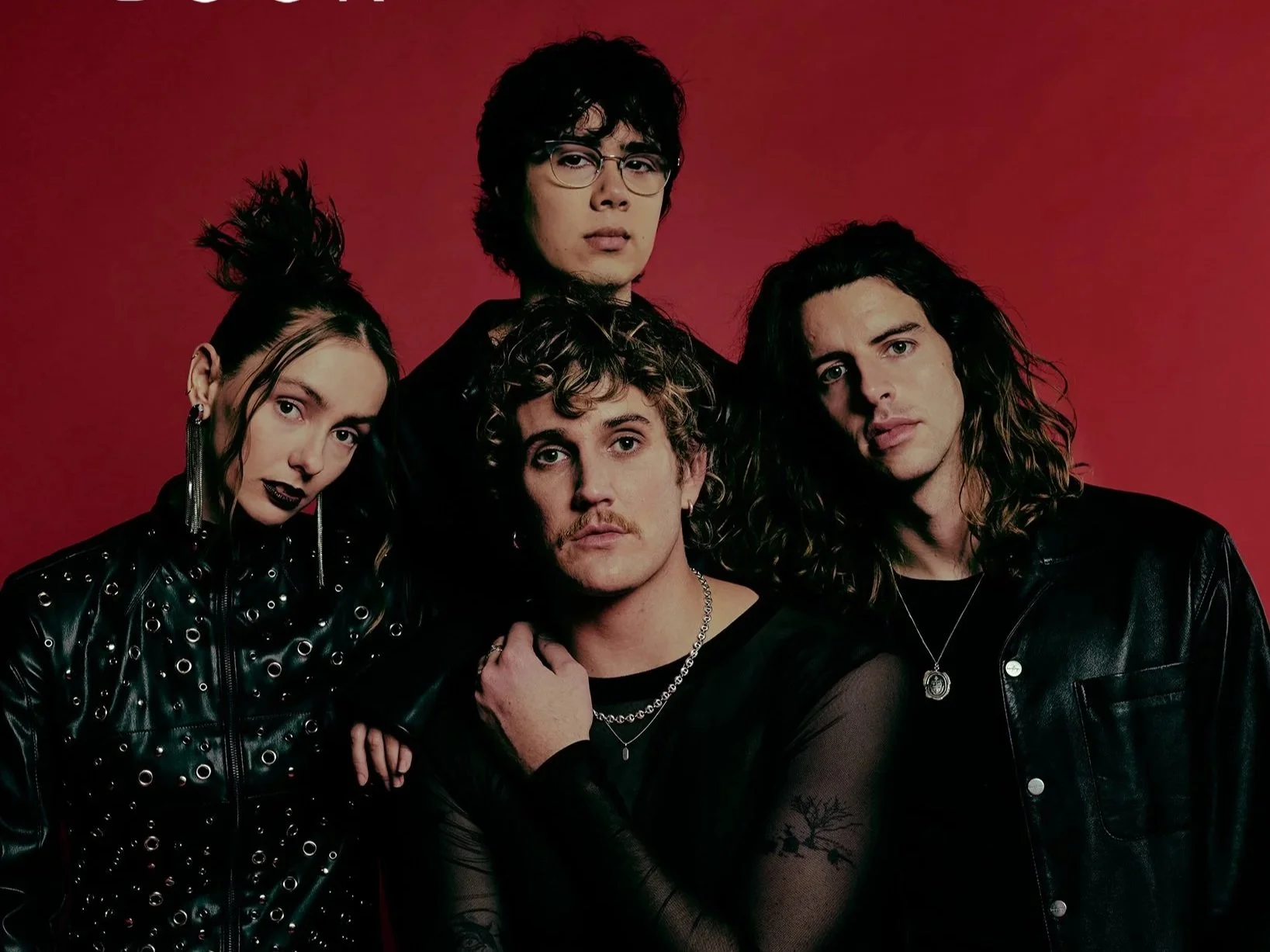
Formed as a three-piece built on hazy synths, nocturnal grooves, and Michelle Joy’s unmistakable, dreamlike vocals, Cannons have long thrived in atmosphere. But Everything Glows pushes beyond mood into something more intimate and hard-won. Written in the wake of relentless touring following the breakout success of “Fire for You,” the album emerged during a period where the band was forced to confront not only burnout, but the very way they create. For Joy, that confrontation became deeply personal—what began as lingering exhaustion revealed itself as serious health issues, ultimately forcing her to pause, recover, and reevaluate everything.
Instead of fracturing the band, that pause reshaped it. The dynamic between Joy and bandmates Ryan Clapham and Paul Davis evolved into something more instinctive, more empathetic—an unspoken understanding that bleeds into every track. There’s a palpable sense of trust across Everything Glows, as if each member is not just contributing, but actively holding space for the others. The result is a record that feels both expansive and deeply human, capturing the tension between vulnerability and resilience.
At its core, Everything Glows is about returning—to your body, your voice, your sense of self—after losing sight of it. It’s an album born from pushing too far, then learning where the line should have been all along. And as Michelle steps into this new chapter—clearer, more grounded, and unafraid to take up space—it becomes evident that even the hardest moments can lead you somewhere brighter.
Michelle, I want to thank you so much for taking the time to speak with me. It’s truly an honor. I’m such a big fan. Lately, you’ve been going through such a transformative period, both personally and as a band. In this moment, what does this new chapter feel like for you?
This new chapter feels like a new version of myself emerging, and me allowing myself to be more vulnerable, more myself, more honest. I feel like Everything Glows is about coming back to myself—the moment I stopped running from how I feel and just faced a lot of my fears head-on. I went through quite a bit over the last year that helped this album emerge and this new version of me come through.
I have to say, Everything Glows—I’m honestly obsessed. It’s such a powerful project, and in my opinion, your strongest yet—not just sonically, but emotionally. Was there a moment during the making of this record when you realized you weren’t the same band anymore?
Yeah, definitely. There were a lot of those moments. After we finished our last tour and got home, we were supposed to start working on the album. That’s when I realized what I thought was tour exhaustion was more than that. I thought everyone is burnt out for a few days, but I wasn’t getting any energy back.
I found out I was anemic and needed surgeries, and I had to actually take care of my health in a serious way that I never had before. We had this pressure of needing to work on a new album, but I wasn’t physically or mentally there. The guys were really patient with me, and my new management too, in ways that made it possible to keep the project going smoothly.
One specific moment was after I had surgery. I couldn’t meet up for six weeks, which is a long time when you’re supposed to be writing a record. I told the guys to keep going to the studio and work on whatever they felt, and I’d come in later and adjust things so it still felt like my story.
They worked on a song with a songwriter, and when I heard it, I was shocked. It felt like my experience—things I care about, words I would use. I felt really seen by them in a new way, because that had never happened before.
That’s beautiful. If I may ask, what song was that?
That one is “Good Luck Charm.”
With Ryan and Paul, you’ve been together long enough to see real seasons of each other. What version of yourself do they bring out of you now that they couldn’t years ago?
I think they bring out a better version of me—a more creative and fearless version. Over the past ten years, we’ve gotten to know each other so well. They understand how I think, how I work, what shuts me down, and what kind of communication gets me excited to keep going and try new things.
The communication between us has grown so much, especially over the past year when we really needed it.

Going through health challenges like that really changes someone. How has that experience reshaped your relationship with yourself—your body, your voice?
It’s given me a completely different perspective on this whole experience. Over the past four years is when we really started touring, and before that I never thought music would be my full-time job. I thought we’d just do it for fun.
After “Fire for You” blew up, we hit the road and didn’t stop. I always want to take every opportunity and show gratitude, so I said yes to everything—every festival, everything—until I got burnt out.
I realized I have to pay attention to my body and take it seriously. If I don’t, I can’t show up for anyone. I learned that the hard way.
That takes a lot of discipline—knowing when to push through and when to stop. Where do you now draw the line between what once felt like dedication and what you now recognize as burnout or self-abandonment?
I physically know my limit now. I know how much I can handle and how much time I need between shows. I can’t do four or five in a row—three is good, four is my absolute limit.
Now when we schedule shows, radio, or interviews, I give myself more space so I can be present. I don’t want to push myself and then give only half of what I have. I’d rather take the time to recover from the physical and mental stress of the job.
I’m curious—have you ever looked back at footage of yourself performing during that period of burnout? What do you notice now that you couldn’t see then?
I’ve looked back a little bit, and I honestly feel bad for that version of me. I was pushing so hard and I knew I didn’t feel good, but I thought everyone was exhausted and that I’d just be complaining.
I was really struggling. When I got my blood work done, I found out I had almost zero iron. My red blood cells were tiny and deformed, and I had no oxygen going to my brain. They told me that level of anemia presents as severe depression.
It was a tough experience, but a good one in a way, because now I know my limits and how to protect myself on the road.
It’s honestly incredible, because I’ve seen you perform multiple times—ACL, The Troubadour, Coachella—and you would never know you were going through that. Was there a specific show where it felt especially difficult?
ACL was the hardest physically. I remember being so exhausted that I couldn’t even stay awake while getting my hair done before going on stage. I asked if I could just sleep through it.
But once I got on stage, something switched. I don’t know how long that can last, but adrenaline carried me through the show. Afterward, I was completely depleted.
After everything you went through, Everything Glows feels like such a meaningful title. Was that a realization about your experiences, or an intention you were setting for yourself and the listener?
We usually come up with the title after finishing the album. I realized that all the experiences that led to it were really difficult.
Right before we started writing, we knew we couldn’t keep working the same way. We were all burnt out. We changed our entire team—new management, new business management, new people at the label. Those changes were really hard, especially letting go of people we had worked with for so long.
But all of those difficult situations brought so much light into our lives. I realized that even the hardest moments have something to teach you, and they can lead to something beautiful.
There’s a song I have to ask about—“These Nights.” It feels so good and makes you want to move, but lyrically it touches on feeling overwhelmed by everything. Was that the intention behind it?
That was one of the first songs we wrote after coming home from tour. I was in a confusing place and didn’t know what was going on with me yet. I thought I was depressed and felt like I had nothing left to give.
I remember sitting at my desk and just writing about how I felt—those late-night thoughts where you question if you’ve lost your spark or who you used to be. I think that’s something a lot of people can relate to.

With everything you went through—burnout, constant touring after “Fire for You”—has your relationship with success shifted?
Definitely. Before, I was in survival mode. I didn’t want to waste any opportunity because it’s rare to get to this level as an artist. I felt like I couldn’t say no to anything, and everything had to be perfect.
Now I realize the most important thing is showing up as a whole person. I’m not really worrying about success anymore. I just want to focus on making meaningful art.
I want to talk about “Light As a Feather.” It feels like a moment of release—especially that sense of freedom. Did writing it feel like stepping into a new version of yourself?
Yeah. I was thinking back to a relationship I had ended a few years ago. I realized I had been repeating patterns—being in relationships where I had to work for love and attention.
After that ended, I remember waking up and feeling free. I didn’t have that constant stress anymore. I had changed what I allow into my life—relationships, friendships, everything. It felt like I could finally breathe.
It feels very intentional that you close the album with “Take Me to Tokyo.” Why was it important to end the record with that song?
That’s one of my favorites too. When we played Tokyo, it was one of the coolest experiences. When I got home, I kept thinking about it—not just as a place, but as a feeling.
It felt like something new and beautiful that I could sink into. I want people to feel that with our music too—like they can escape into it. That’s what that song represents to me.
After everything—the pause, the reset, the clarity—what excites you most about this new era of Cannons?
I’m excited to show up fully as myself. I don’t have the same fears I had before.
After finishing the album, I had this dream where I saw a glowing Earth below me. I was scared to fall, but I did it anyway. When I got there, I felt like a new person—like I wasn’t afraid anymore.
That dream felt like what this album is about: not being afraid of the fall, because it’s the only way to reach the light.
Last question—when we spoke before, we asked which book you’d be and why. You said The Rainbow Fish, because the main character shares its beautiful scales with the world and you wanted to do the same with your music & shows. Do you still feel that way, or has that changed with everything you’ve experienced since?
Partially. I think I was giving too much of myself before, to the point where I burned out.
At my core, I still want to share what brings me joy and peace with others. But now I know I have to take care of myself too. So yeah—I’m still the Rainbow Fish, just with more balance.