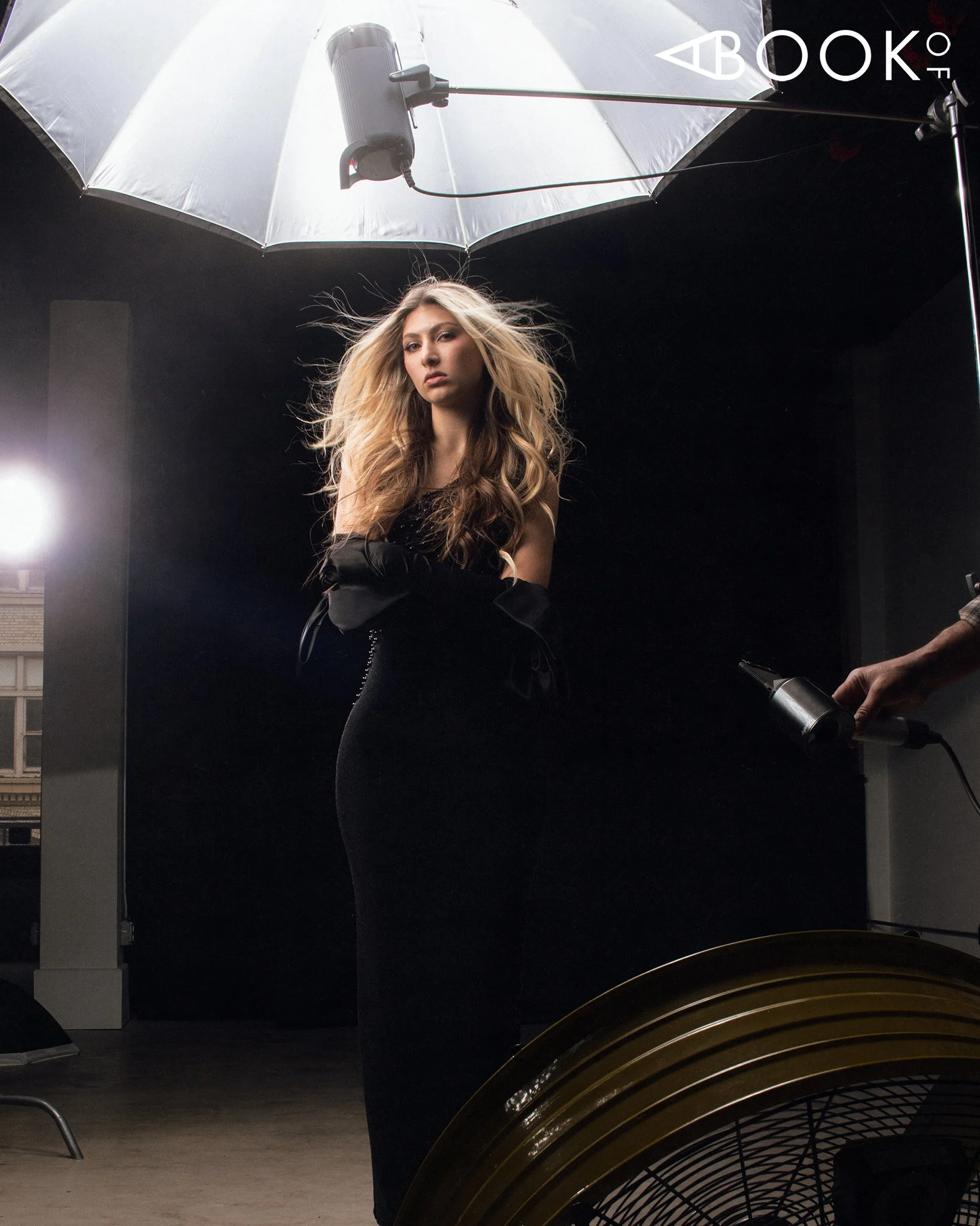
AZZECCA: Pulling the Dance Floor Into Her World
Interview: Alexander Sintic
Words: Jesse Zapatero
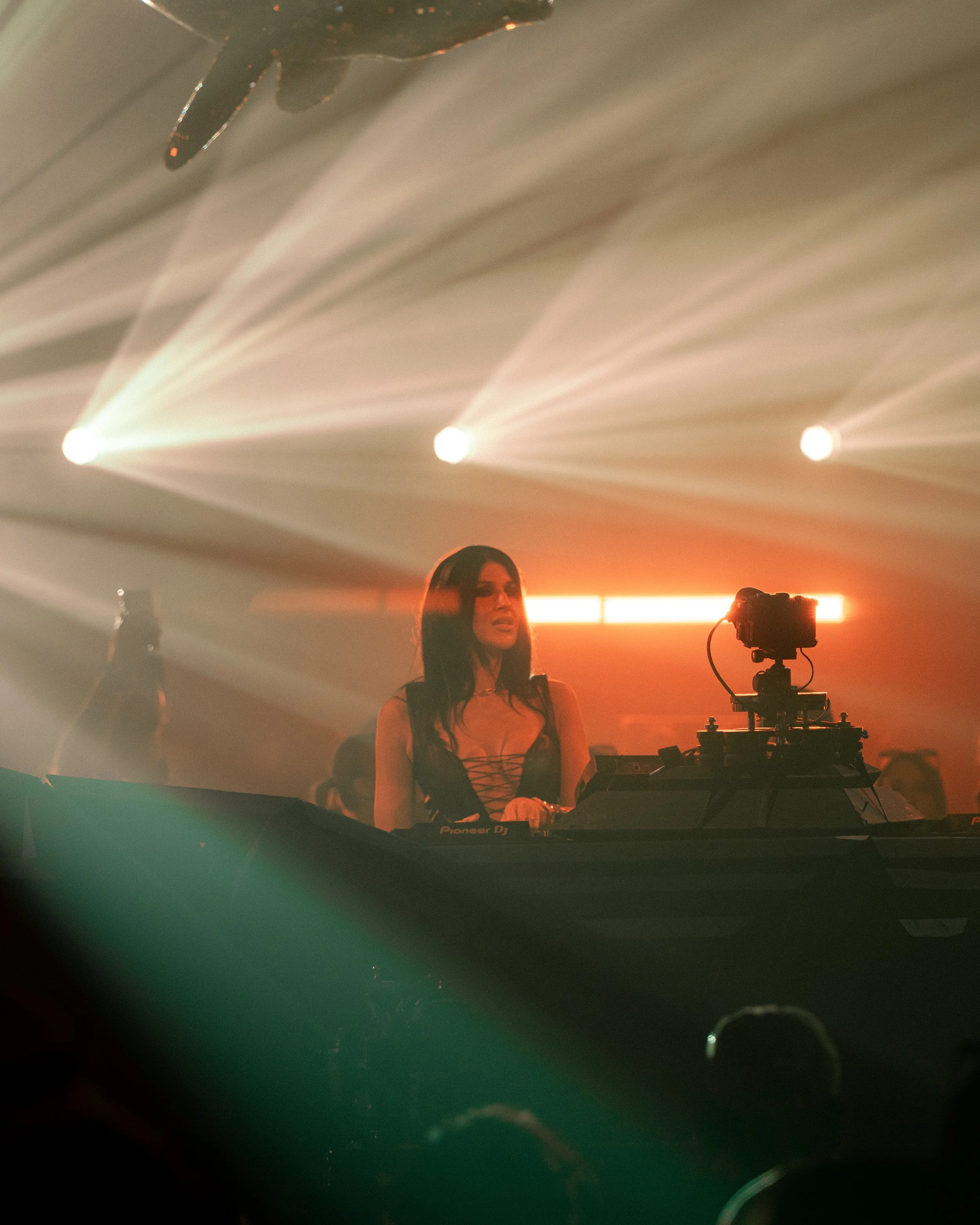
Photo: @byrachelkupfer
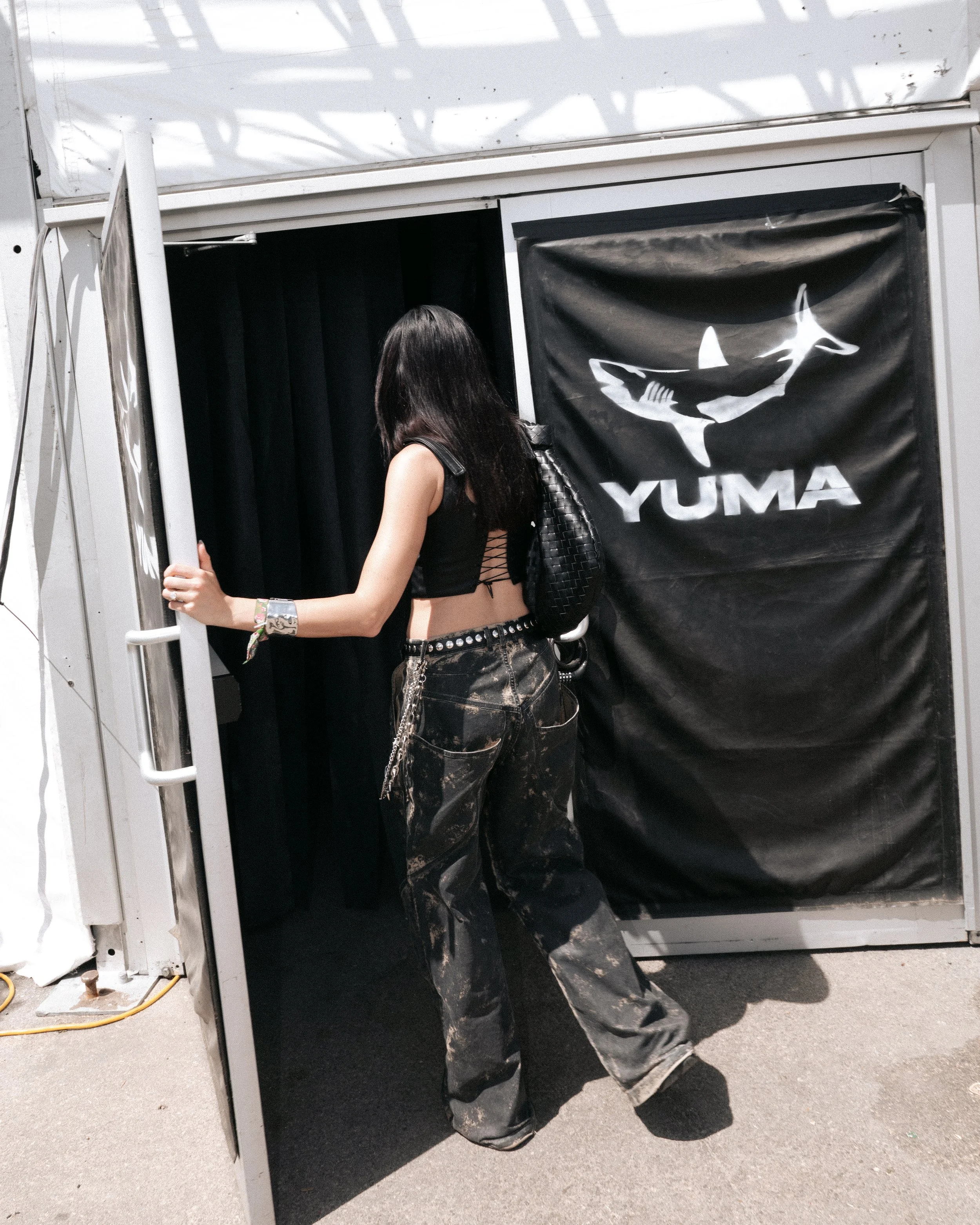
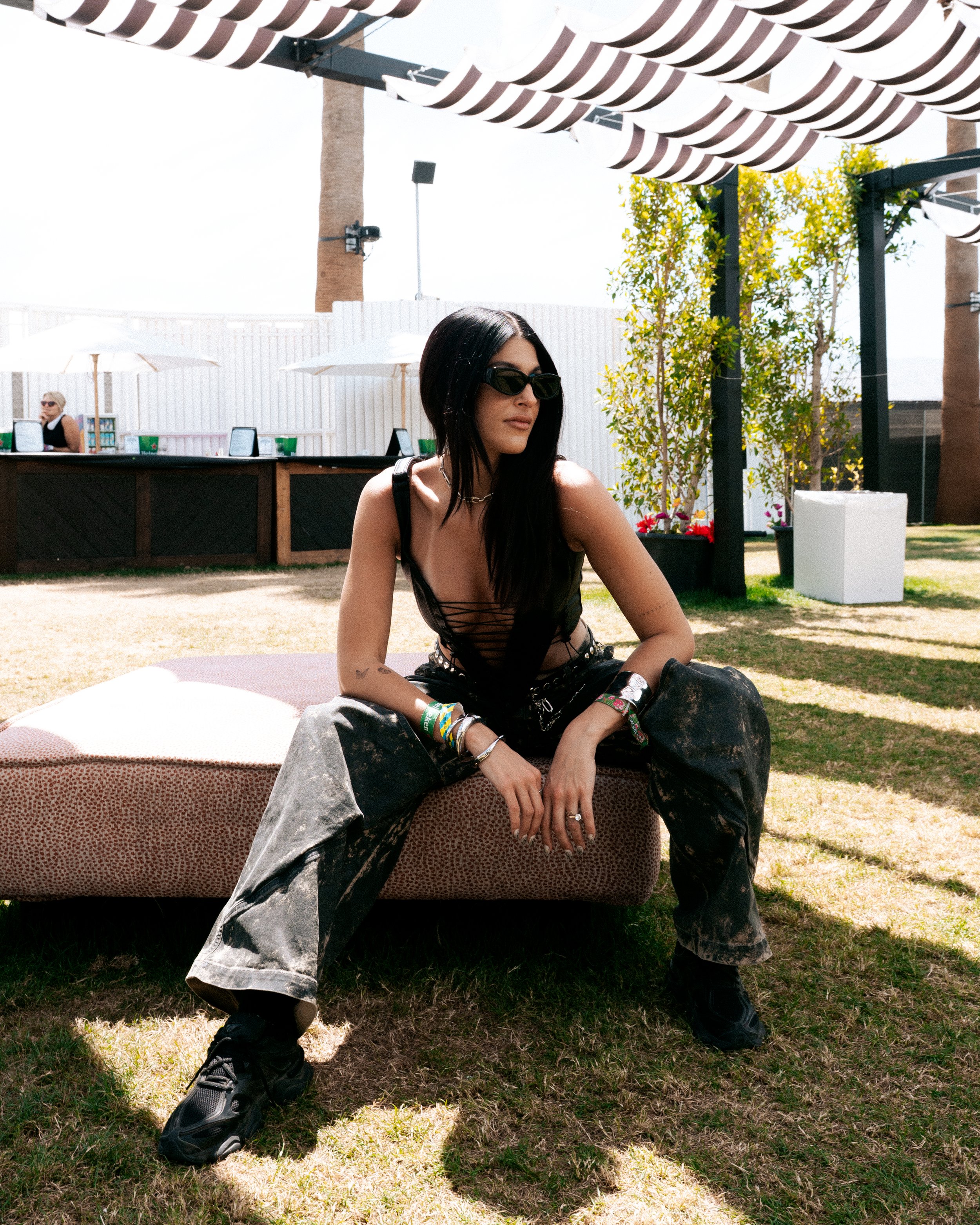
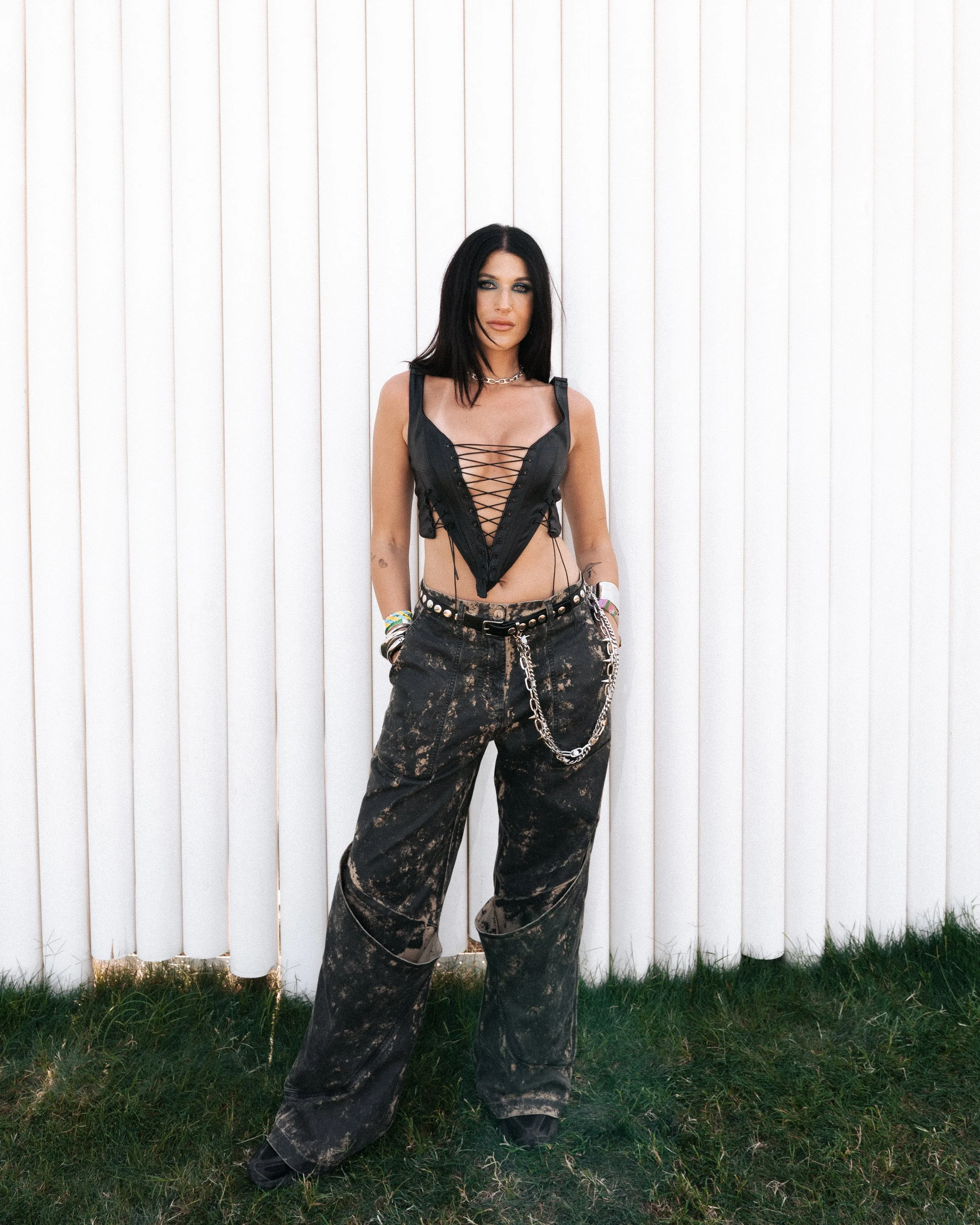
AZZECCA is rapidly carving out her place as one of the most exciting rising names in house music. The Chicago-born DJ and producer blends the city’s foundational sound with a darker, more psychedelic edge—balancing rolling low-end, shadowy textures, and moments of pure euphoria. With a return to Coachella this year on the Yuma stage, her trajectory continues to push firmly onto the global stage.
With a background in classical training, she brings a unique emotional depth to her productions and sets, treating dance music as both a physical and psychological experience. That perspective translates into dynamic, unpredictable performances that prioritize discovery over familiarity—pulling audiences into her world rather than simply playing to the crowd.
Beyond the stage, AZZECCA continues to shape her own lane through COSIMEA, her party series and label focused on immersive, otherworldly club sounds. As she expands her footprint worldwide, she stands poised to become a defining voice in the next wave of house music.
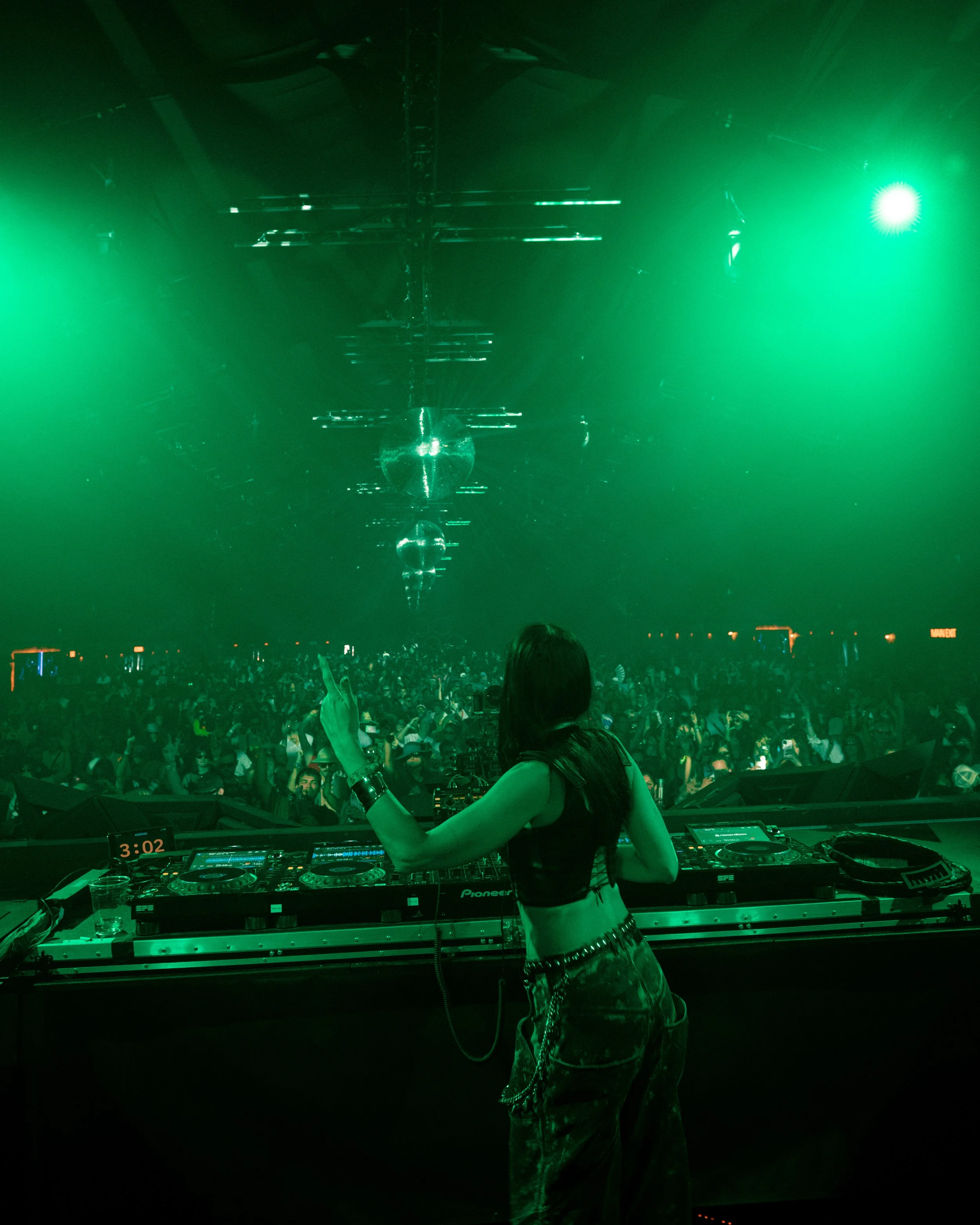
Photo: @byrachelkupfer
You were musically trained, right? You played piano and flute early on, and bass as well. Do you think having that musical training has significantly separated you from people who got into the field later—started DJing and mixing because they liked music, but didn’t have that background?
I think being a more classically trained musician taught me the way music can impact you emotionally, because classical music is very emotionally moving. So having that skill and ability to understand that aspect of music has helped me, I think, set myself apart from many artists. When I'm making music, I have an inherent knowledge of how certain sounds will evoke certain feelings, and I think baked into everything that I make, even though it might be a party track, there's always going to be a moment that makes you feel something. And that is a skill that I think is a little bit unique.
It’s a lot more than just composition and theory, because that’s like the first few levels. Then there’s actual emotional manipulation.
Exactly, yeah. No, that’s really logical warfare.
Then from there, at what point in your life did you start to feel like you wanted to move from classical training into more of a party, warehouse, club scene?
I moved to Chicago right after I graduated from university in 2011, and right when I moved there, I started going out to clubs with some of my best friends. We were going to Smartbar and Spybar every weekend, and sort of tucking myself into this institution of house music and getting to experience what I consider some of the golden days of the collective community and culture of dance music ignited something in me that I had never felt before. From that point forward, I felt like I wanted to be a part of this in whatever way possible—even if it was just sharing music with my friends, being an aux cord warrior. I felt like I had a unique perspective on dance music and wanted to share it with people. Then it just sort of snowballed into learning to DJ, learning to produce, and putting my own twist on everything that was going on.
You’ve spoken a lot about Chicago before—the impact it has on the music scene, the history, the samples, everything. But more recently, conversations have shifted toward safety and security in these spaces. When you think about those sweaty warehouse environments, do you feel like things are starting to change in terms of safety?
I feel like for a couple of years post-COVID, there was a very big emphasis on trying to make more diverse, inclusive, safe dance floors. After a couple of years of that, I feel like we’re now sort of moving back toward very male-dominated dance floors—very straight dance floors—and I think it’s doing such a disservice to the culture of what this is. I know there are still tons of people trying to keep pushing forward, creating diverse dance floors and pushing for diversity in lineups, but it feels like the industry as a whole has taken some steps backward. It’s definitely one of my biggest goals to always try to push for inclusive lineups and diverse dance floors, because that’s when people have the most fun.
When you’re on a dance floor with people who are so different from you, and you’re all experiencing something moving together, you connect in a way that’s so unique. You leave that experience with a new level of empathy and understanding of the world. So I think we have a lot of work to do, honestly. But as long as more people keep stepping up and saying we need to make a change, hopefully things will move forward.
Post-COVID, it feels like a lot of people forgot how to interact face-to-face.
Exactly. A lot of younger kids never had the experiences we had—being 18 in a warehouse, doing things we probably shouldn’t be doing, hanging out with people completely different from us. That’s how we learned about other people. A lot of kids lost that opportunity because of COVID. So as artists, we have a job to keep explaining the culture and the history—these are the roots of what you’re attending. There’s a real depth to it, and people should understand where it all comes from.
It’s more than just music—it’s a culture that sometimes feels forgotten
Exactly. It’s a culture, and people need to do their part to remind others that there were people before us who started this. We need to pay our respects to what they created.
You’ve gone from those warehouse spaces to playing a bright, hot Coachella stage in front of a huge, diverse audience. How are you approaching your set? Are you catering to that audience or going all in on your own sound?
I feel like I’m in a unique position where I can introduce people to things they’ve never heard before. As a DJ, that’s the number one goal—show people new music and open their minds to sounds they’ve never discovered. So I’m going in with boldness, like, “Here’s some stuff you’ve probably never heard before,” and hopefully something resonates and makes them want to explore more.
So instead of reaching out a hand, you’re pulling them in.
Yeah, exactly. Hearing something familiar is always fun, but I take my job seriously—I want to show you things you don’t know and teach you something new. That’s the best flex. Everyone loves grabbing the aux and showing someone a song they found. As a DJ, that’s how I approach it.
It’s risky on a stage that big.
It is, but I’d feel like I was shorting myself if I didn’t do that. I’d leave feeling like my artistic integrity was compromised just to please a crowd, and that’s not something I’m going to do.
You’re getting close to an album release—how’s that process going?
Last year, I worked on an album and made all these demos with the intention of releasing it. But as time went on, the pressure of making an album made me lose myself a bit as an artist. So I took a step back—that’s why I launched my own label. I realized I was trying to make music to fit another label, and that wasn’t authentic to me.
I started my own label and began making what I think is the best music I’ve ever made—music that feels genuine and authentic. I’m releasing it myself, without worrying about a big label. I still have those album songs, and when the time feels right, I’ll release them. But right now, I’m enjoying creating my own world without boundaries.
A good example is “Ego Death”—that felt like a no-pressure creative moment.
Yeah, I was stuck in the UK over Christmas with no clothes—wearing the same pajamas every day—and I just worked on music. I made “Ego Death” in three days, and it felt like a turning point in my project.
Even my earlier tracks like “Other Side” were low-pressure. I was just making music for fun, doing local shows in Chicago, and needed something to play. The creativity was wide open. Then the pressure started building, and it got harder to create. That’s when I realized I needed to reevaluate. So I paused the album, launched my label, and started making music I actually want to play. It changed everything.
That mindset—bringing people into your world instead of catering—feels less pressuring
It really is. Once you convince yourself to be confident in that—making music you want to hear, even if it’s a little scary—you realize how many people are looking for something different. When you build your own world as an artist, people latch onto that. It’s nerve-racking but also freeing.
If you were a book, what book would you be and why?
I’ll just say my favorite book—Dark Matter by Blake Crouch. I’m obsessed with quantum physics, time travel, psychological thrillers, and mystery. As an artist, I’m quite mysterious—people can’t really pin down what I am or what genre I belong to. That book captures that sense of mystery and slight witchiness.
It’s that middle ground between darkness and euphoria—that’s where I like to exist.
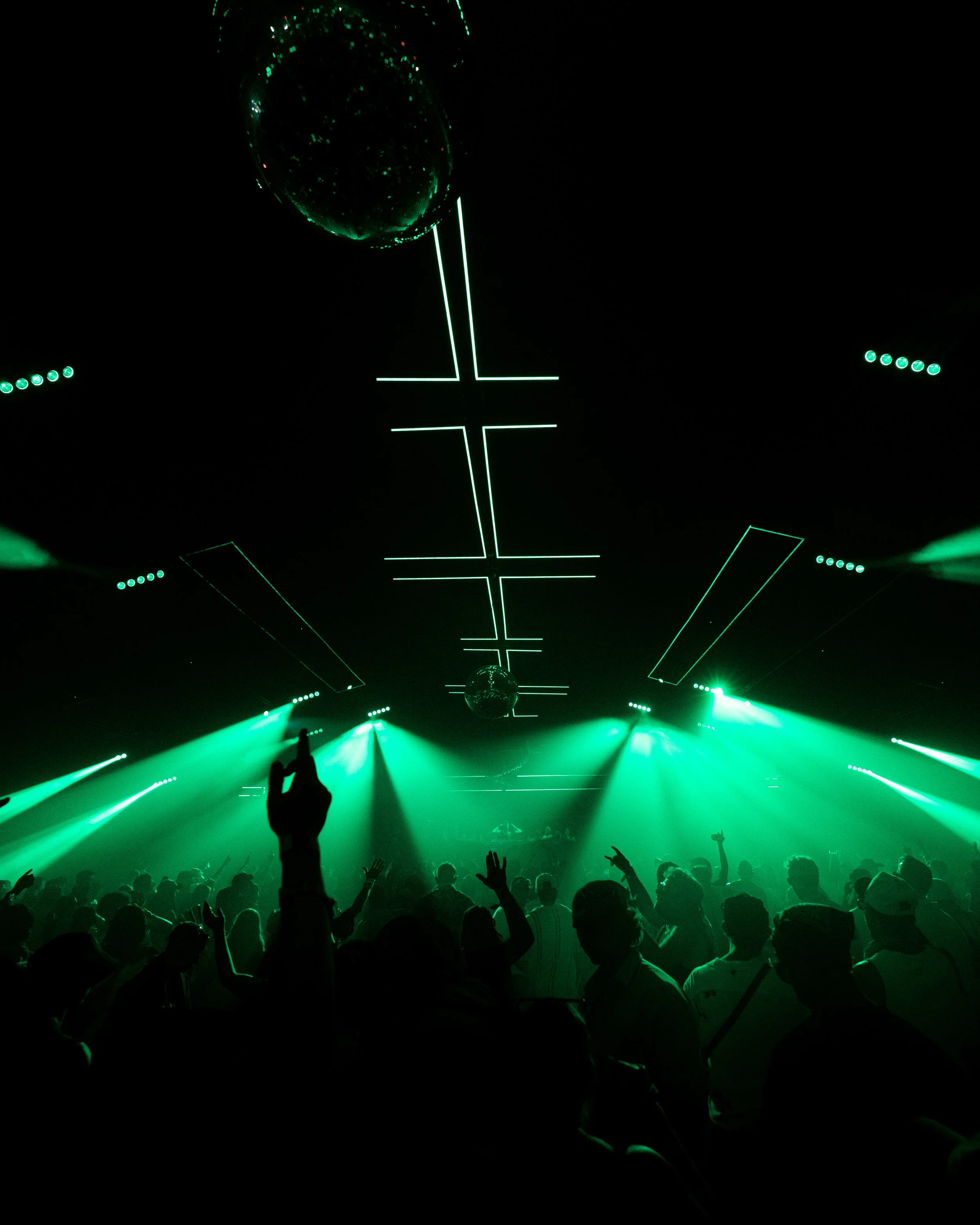
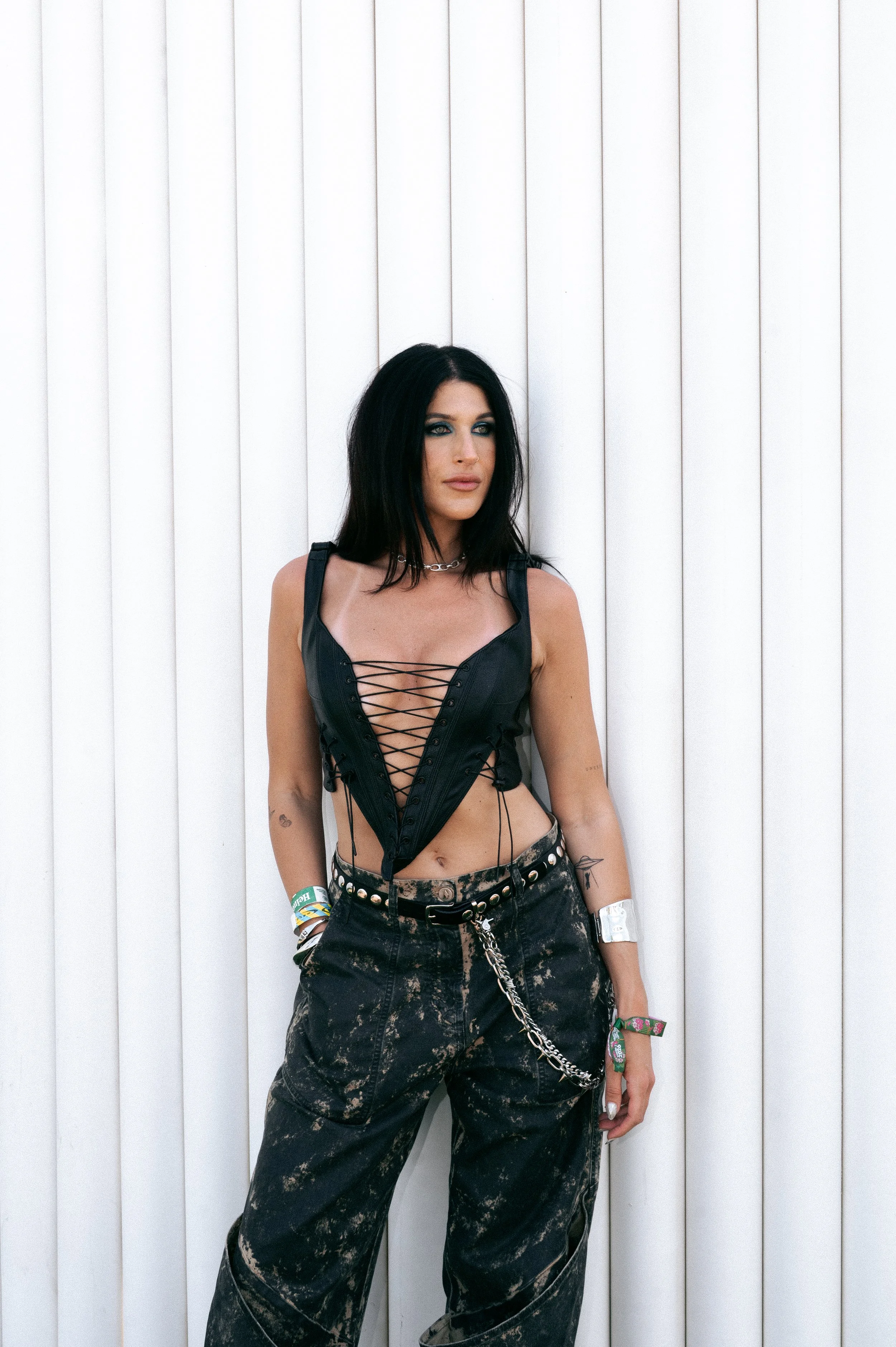
Photo: @byrachelkupfer