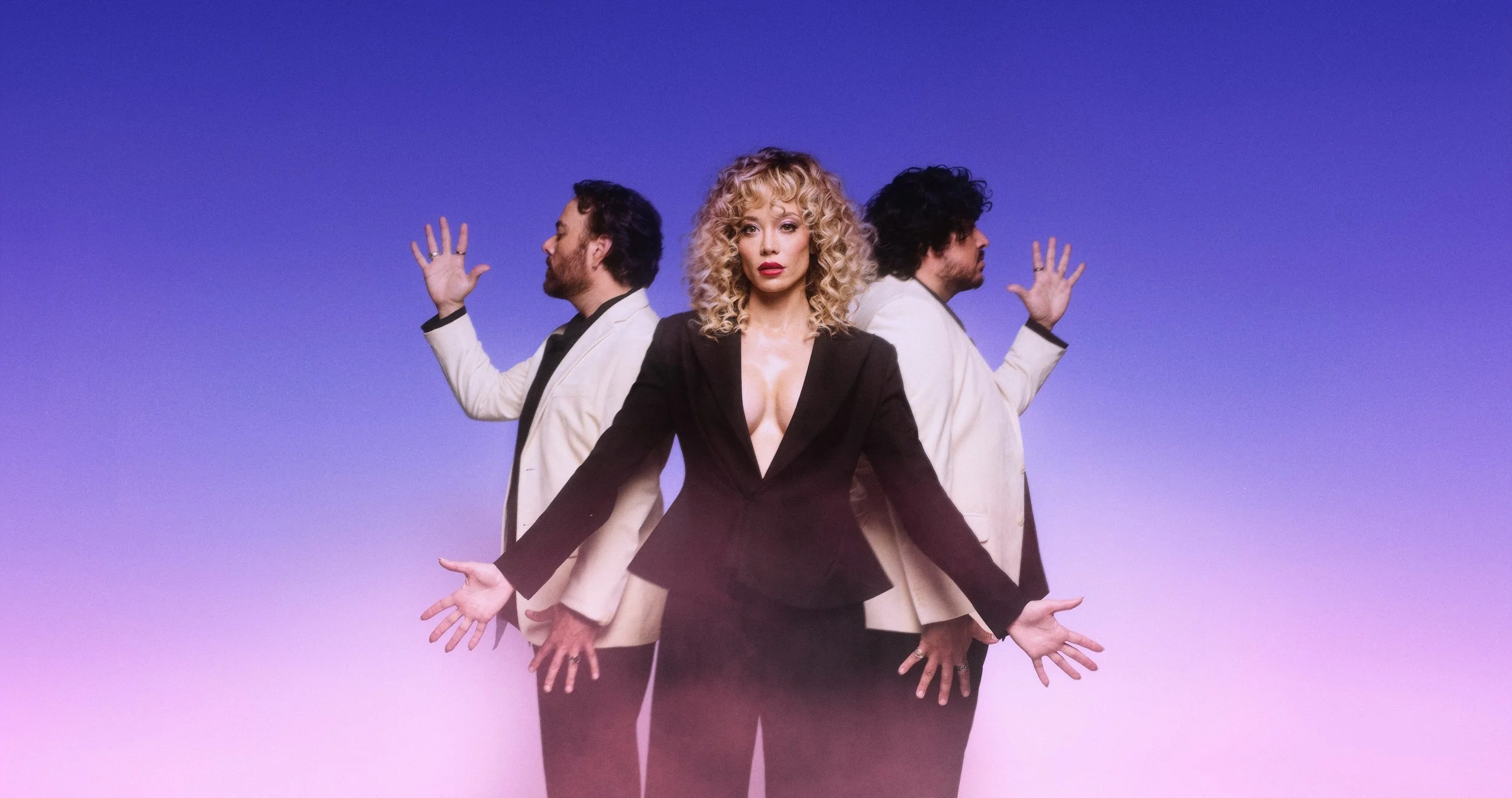
THE FANTASY AND FREEDOM OF THAT KID'S SO FAMOUS
BY: JESSE ZAPATERO
For years, That Kid has existed in a lane of his own, building a world where hyperpop excess, Y2K nostalgia, and internet culture collide with razor-sharp self-awareness. Long before So Famous, he had already cultivated a devoted audience through a steady stream of mixtapes, collaborations, and moments that refused to fit neatly into the traditional rules of pop music. Rather than chasing trends, he's spent the better part of the last decade creating a universe where camp, chaos, and sincerity can all occupy the same space—a balancing act that has become one of his defining strengths.
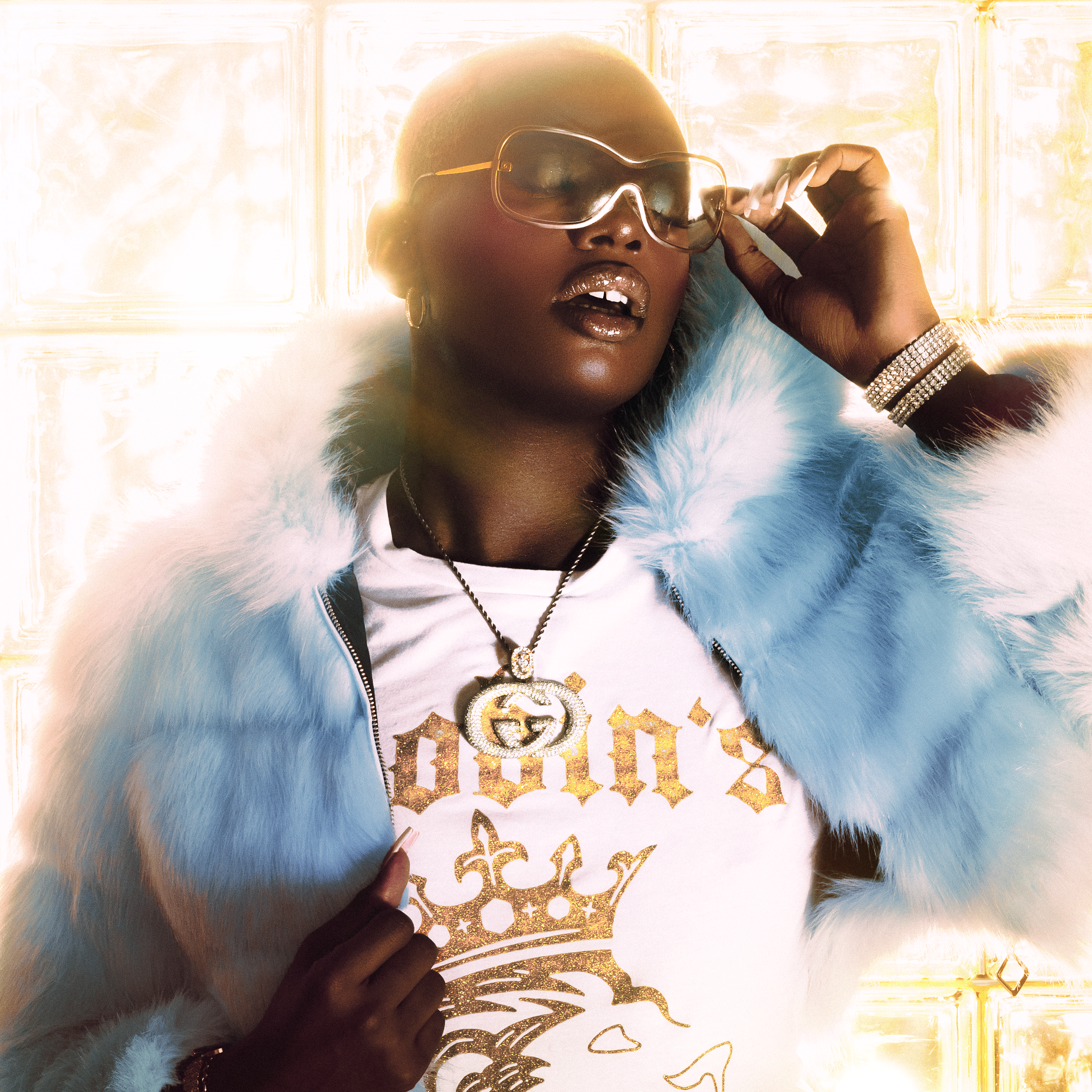
With So Famous, that world reaches its grandest scale yet. The album doesn't simply mark a career milestone; it feels like the realization of an idea that's been quietly taking shape since the beginning. Armed with the resources to match his ambitions, That Kid leans fully into the fantasy of pop stardom, constructing a glossy, larger-than-life spectacle without losing the irreverent personality that first drew listeners in. Every detail, from the visual aesthetic to the sequencing of the record, serves a carefully considered vision of what a modern pop icon could look like when the rules are rewritten.
But beneath the neon lights and tongue-in-cheek bravado lies an artist more interested in authenticity than perfection. Throughout our conversation, That Kid spoke less about innovation or legacy and more about trusting his instincts. Whether he's writing an outrageous club anthem or a stripped-back love song, his creative process is rooted in making music that feels honest to him in the moment. Humor becomes a storytelling device rather than a disguise, allowing moments of vulnerability to land with even greater impact when the glitter settles.
That balance is what makes So Famous such a compelling listen. It's an album that embraces contradiction, celebrating excess while quietly pulling back the curtain on the person behind the persona. The same artist who delivers unapologetic, maximalist pop spectacles is equally willing to close the record with a heartfelt reflection on love and connection, reminding listeners that even the biggest fantasies are grounded in something real. It's a testament to That Kid's growth—not just as a songwriter and performer, but as someone increasingly confident in his own artistic voice.
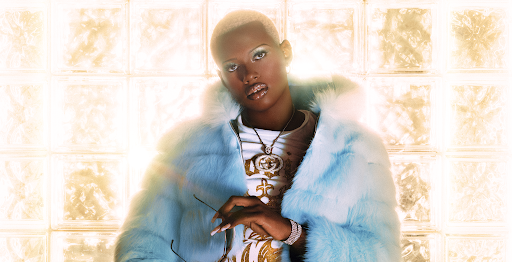
So Famous is your debut album, but you've spent years building the world of That Kid through mixtapes, singles, and collaborations. What made this the moment to finally call something your debut album?
To be honest, I’ve always said I’ll drop the debut album when I have the budget to do it in the way I’ve always envisioned. I’ve always self funded everything in the past. I was always recording my vocals at home and such. This was the first time I had the budget to do music videos, record in a real studio, use a real set, etc. I like the grittier aspects of my past projects and plan to lean into that again but for my debut record the plan was always to do something really pop and polished. I did exactly what I set out to do years ago and I couldn’t be happier with the outcome.
You've built a career by embracing hyperpop, Y2K nostalgia, and internet culture. Looking back, what parts of your artistic identity have remained consistent, and what parts have completely transformed?
I think probably my vocals and songwriting have evolved the most. I still love hard autotune, I’ll always consider that a huge part of my artistry but there’s no way I would’ve been able to sound this way even like 2 years ago. I think songwriting wise, I’m a lot sillier now, I’m more creative as well. I’m also learning how to produce now so I think that’s a testament to the fact that I’m always growing artistically.
The album feels intentionally larger-than-life, but underneath the glitter and humor there are moments of genuine self-awareness. How do you balance irony with sincerity in your songwriting?
I’ve always kind of valued having little moments where I actually let the listener in and I value that as a music listener as well when artists do that. I find it really important to just know when to actually pull back for a second, I think it also enhances the listening experience.
You describe pop stardom through a distinctly queer lens on this record. What aspects of queer culture did you feel were missing from traditional pop-star narratives, and how did you want So Famous to challenge those conventions?
I think by just existing I already challenge a lot of conventions so I think that naturally bled into the music.
Many artists spend years trying to be taken seriously. You've often used humor, camp, and exaggeration as creative tools. Why do you think people sometimes underestimate comedy as an artistic language?
Honestly, I think a lot of people get wrapped up into trying to be seen as the smartest or the most esoteric person in the room. I don’t care to pretend that I’m just another pseudo-intellectual on everyone’s timeline honestly. Sure, I can be pretentious as well at times but I like things that are fun.
The opening run of singles—"Denim," "Lip Service," "Super Hot Bitch," and "Tan Lines"—immediately establishes the album's attitude. What story were you trying to tell before listeners even heard the full project?
I feel like I really wanted to showcase some of my favorites from the album more so than tell a story. I kind of picked the singles by which ones I had the strong visions for visually.
Why was it important for Super Hot Bitch to serve as the opening track of the album? What does that song communicate about the world of So Famous that made it feel like the right introduction?
It was written with the intention of opening the album actually. When I started thinking of the concept of the album, I was super inspired by The Idol, The Substance, Black Mirror, and Popstar Never Stop Never Stopping. I felt like I really needed a song to kind of establish this weird parody of a pop star I wanted to portray across the record. It’s brash, it’s egotistical, it’s a bit nonsensical but that was the whole point! Of course, there’s some real moments on the album but I wanted to really lay out the landscape on the first 2 songs.
You've collaborated with artists like Slayyyter, Ayesha Erotica & many more… How have those creative relationships shaped your understanding of pop music?
I feel like every time I get to work with another artist, it’s a learning experience. In regards to Ayesha for example, she has been one of my closest friends for 8 years now, we’ve worked together for nearly a decade, she’s able to bring a lot of references and ideas I would never think of. She’s kind of instilled this sense in me of writing what you want to hear and what you think is cool. Slayyyter’s rise has been amazing to watch. She’s incredible at world building and I think that in turn, it makes me think about my own world building a lot more. Seriously, her whole roll out for her latest project has been inspiring. I’ve worked with so many incredible people and have so much respect for everyone who has ever collaborated with me. Every collaboration is a blessing!
This album features no guest vocalists, What was the significance of keeping the spotlight entirely on yourself for this project?
I think a big chunk of it was I just couldn’t imagine anyone else being part of these songs, it just didn’t make sense to me at all. I love collaborating, it’s something I find a lot of joy in and something I will always do but for this project I don’t think I could’ve done it any other way but solo.
Did making a solo-focused album feel liberating, intimidating, or both?
I don’t think I felt any particular emotion about it, it just felt natural really.
Production-wise, So Famous jumps between hyperpop chaos, glossy club records, Y2K-inspired pop, and even R&B influences. How did you keep the album cohesive while embracing so many different sounds?
Track sequencing! You have to think about sequencing and what flows, when I do tracklists for all of my projects I tend to kind of group songs by what they have in common. I also think it helps that I worked with only a small handful of people on this record, I think people have their own little signature things that they do that end up bleeding into other songs.
"Bubblebath" and "Oaxaca" showcase some of the album's most maximalist moments. What attracts you to music that feels almost overwhelming in its energy and texture?
I think I like when things feel a bit excessive, I actually find more maximalist beats easier to write to than something more minimal or traditional.
On the flip side, "Romeo & Romeo" stands apart from much of the album's larger-than-life energy. What were you hoping to say about queer love through that song, and why did it feel important to tell that story in such a stripped-back way?
Honestly, I just wanted to write a song about my boyfriend! It was the last song MkX, Myylo, and I worked on during the writing camp. We were so tired of writing uptempo pop songs so we figured let’s write a ballad. I’m really happy we did, I think if we had tried to do something really maximalist for that it wouldn’t have felt as tender.
You've cultivated a fanbase that deeply understands your references, humor, and aesthetic. How has your relationship with that audience evolved as your career has grown?
I feel like we kind of tend to just treat each other as regular people online which is really cool! Of course there are a few really like hardcore fans but for the most part it’s just really easy going, we chat about whatever on Twitter with like a few boundaries but for the most part, I think we try to just treat each other as people.
As someone who has helped define an entire corner of internet pop culture, do you feel pressure to keep innovating?
No, not at all. I’ve never really thought about being innovative. I just make whatever I like at the moment, I kind of see making music as something deeply spiritual and personal for me. I share it with the world but ultimately I’m creating for myself.
Fans often see an artist work as an escape. When you were making So Famous, were you creating a fantasy world for yourself as much as you were creating one for your audience?
I definitely was. I feel like I got to play this character I’ve always wanted to on this project which made it a lot of fun.
If someone listened to your catalog from Crush all the way through So Famous, what emotional or artistic growth do you hope they would recognize?
Hopefully how much more confident I am now in my abilities as an artist! I think I believe in myself a lot more now and you can really like hear that in my opinion.
The final song, Can We Go Dancing, strips away much of the album's bravado and ends on a surprisingly sincere note. Why was it important for that track to close the album, and what did you want listeners to be left thinking—or feeling—after the music stopped?
I felt like for the last track I just wanted to kind of break the whole fantasy a bit. I wanted to end on something a bit more grounded in reality. I love that song a lot and I think I really placed it perfectly in the tracklist. I hope people come away from it feeling like they got a really fulfilling listening experience.
Lastly, if you were a book, what book would you be and why?
You know what I’m not sure, a lot of the books I love are a little too dark for me to want to be! For example The Sluts by Dennis Cooper. Love that book but would never want to be it. I think I’d be an alternative literature novel. Or maybe a poetry collection.