KIAWENTIIO ON THE ART OF STAYING GROUNDED IN AVATAR’S GLOBAL FANTASY
INTERVIEW BY IRVIN RIVERA
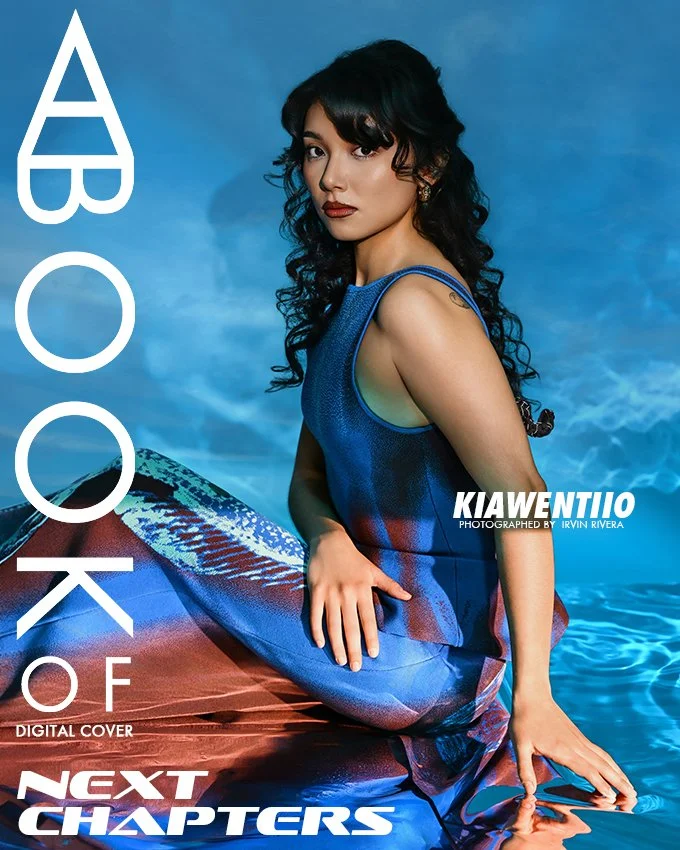
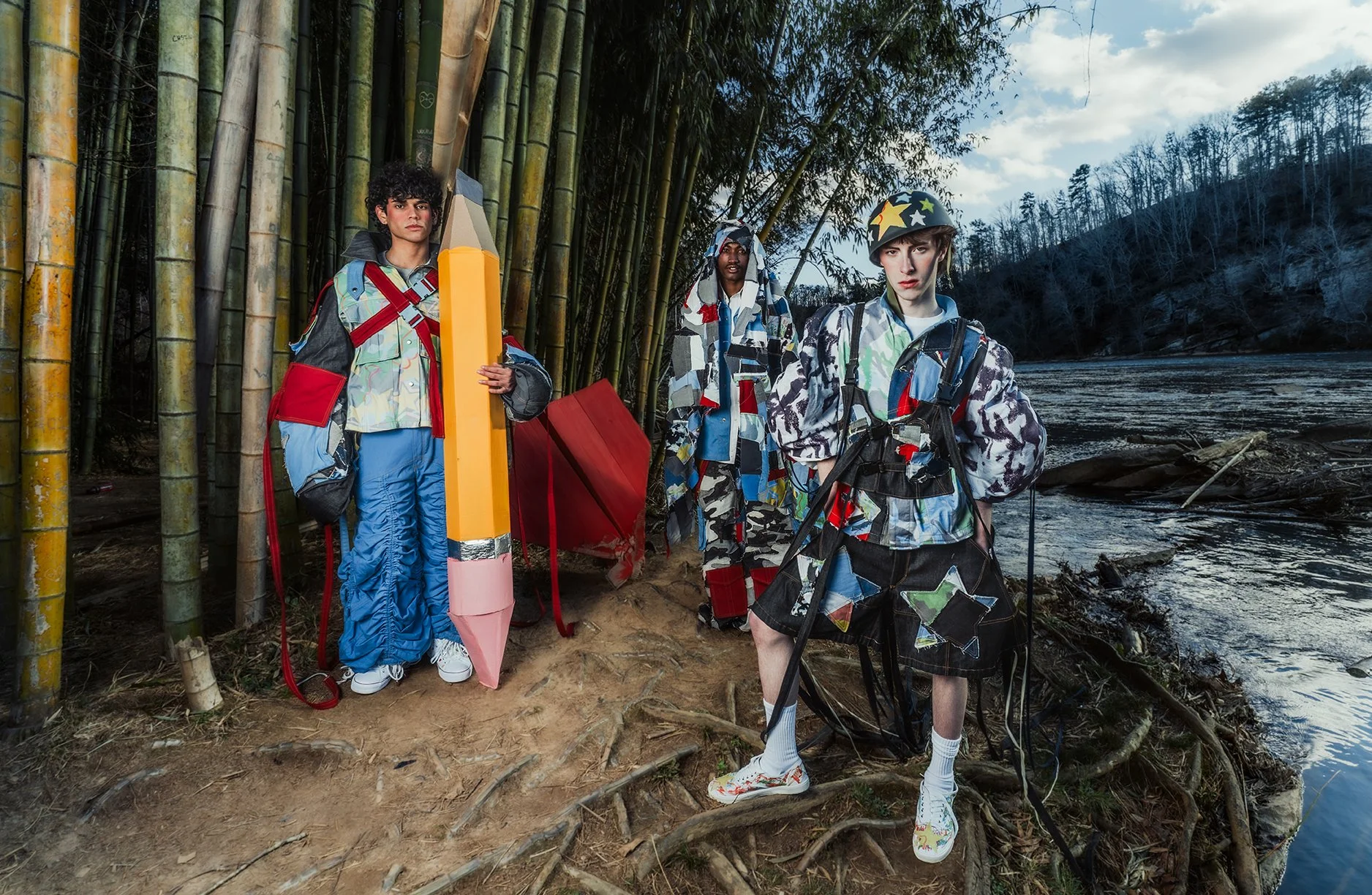
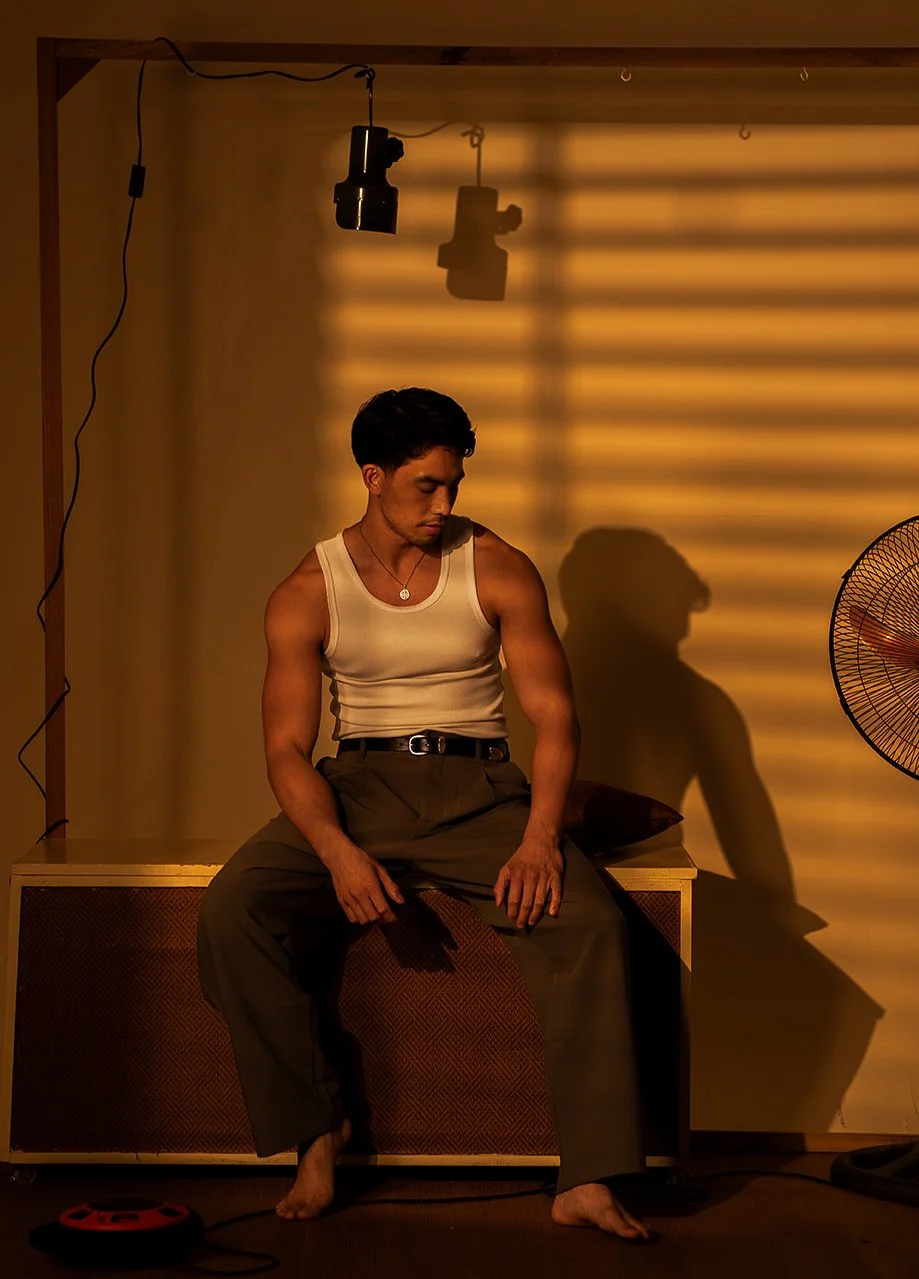
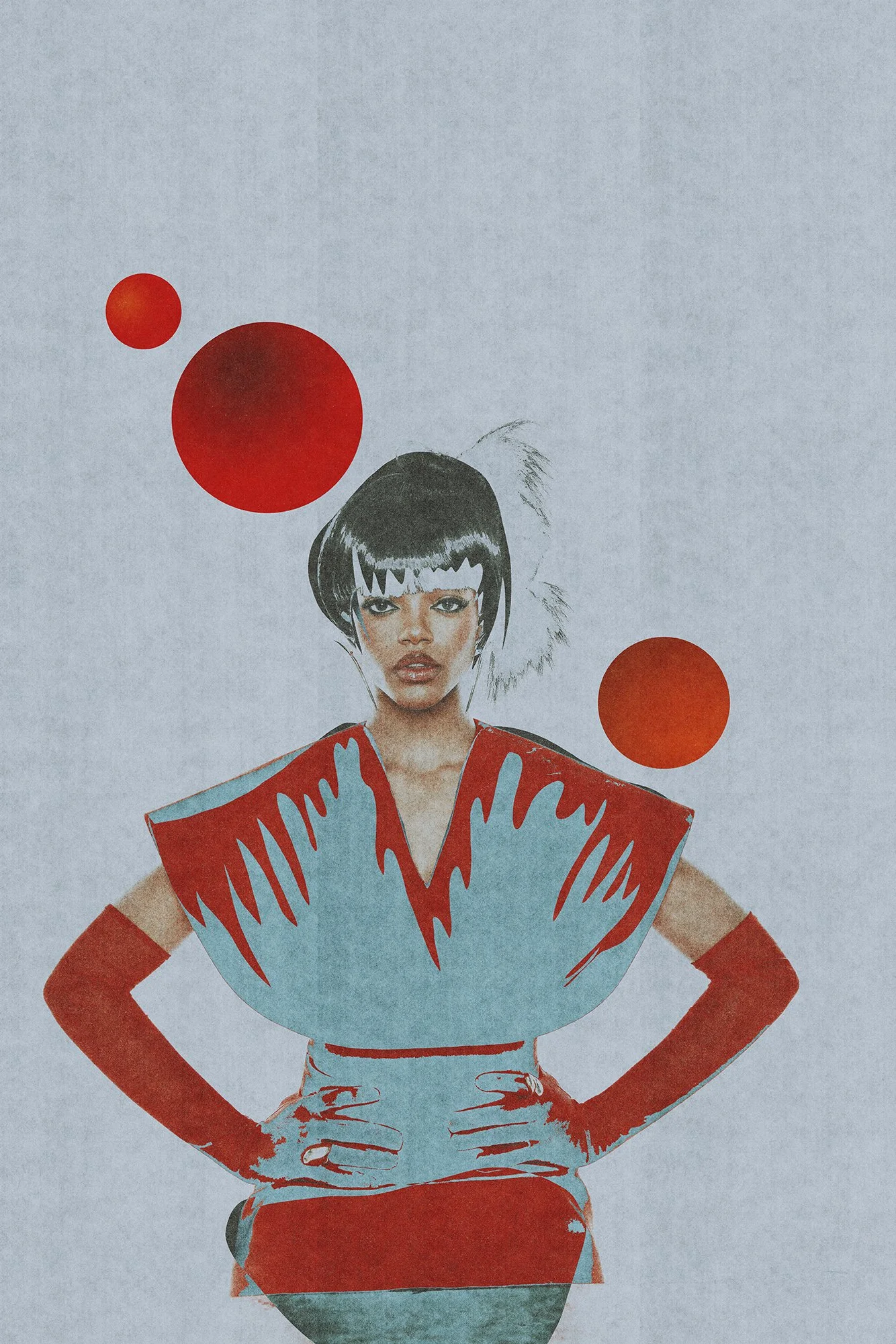
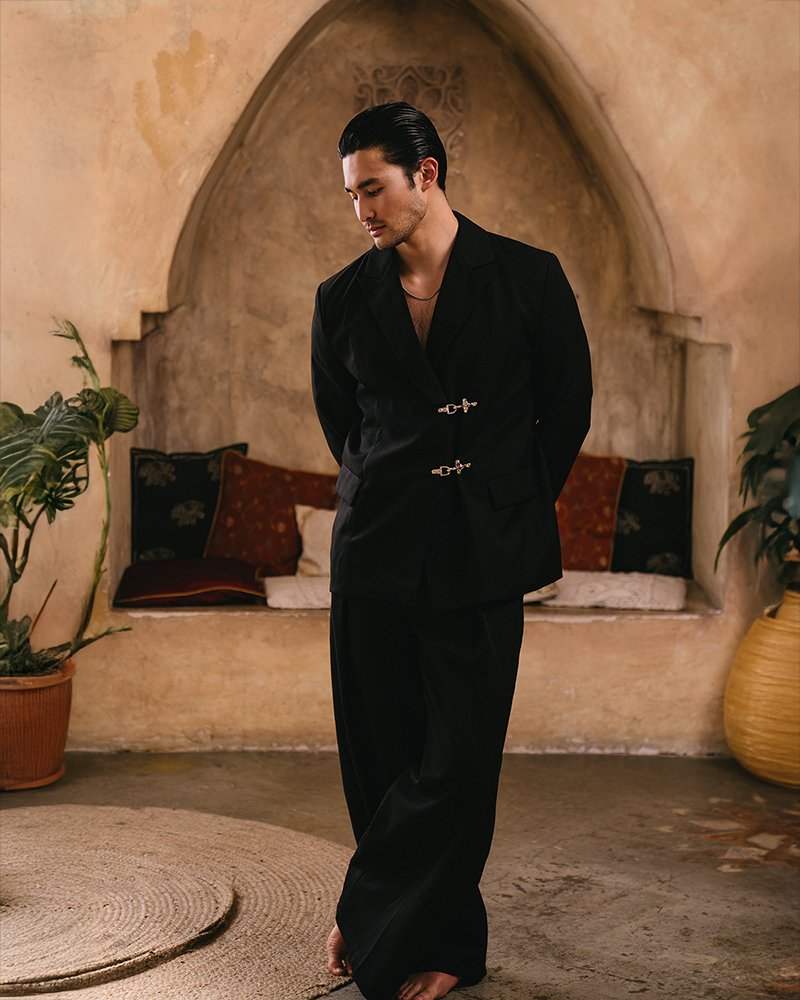
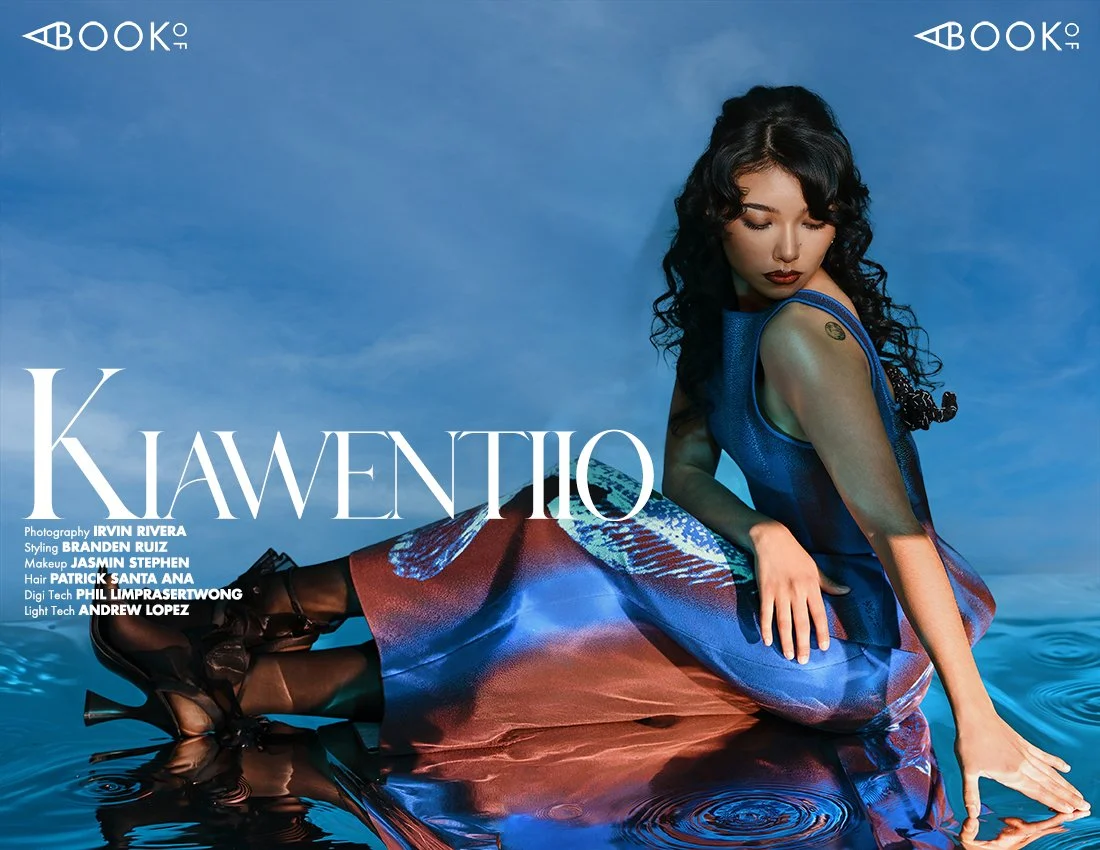
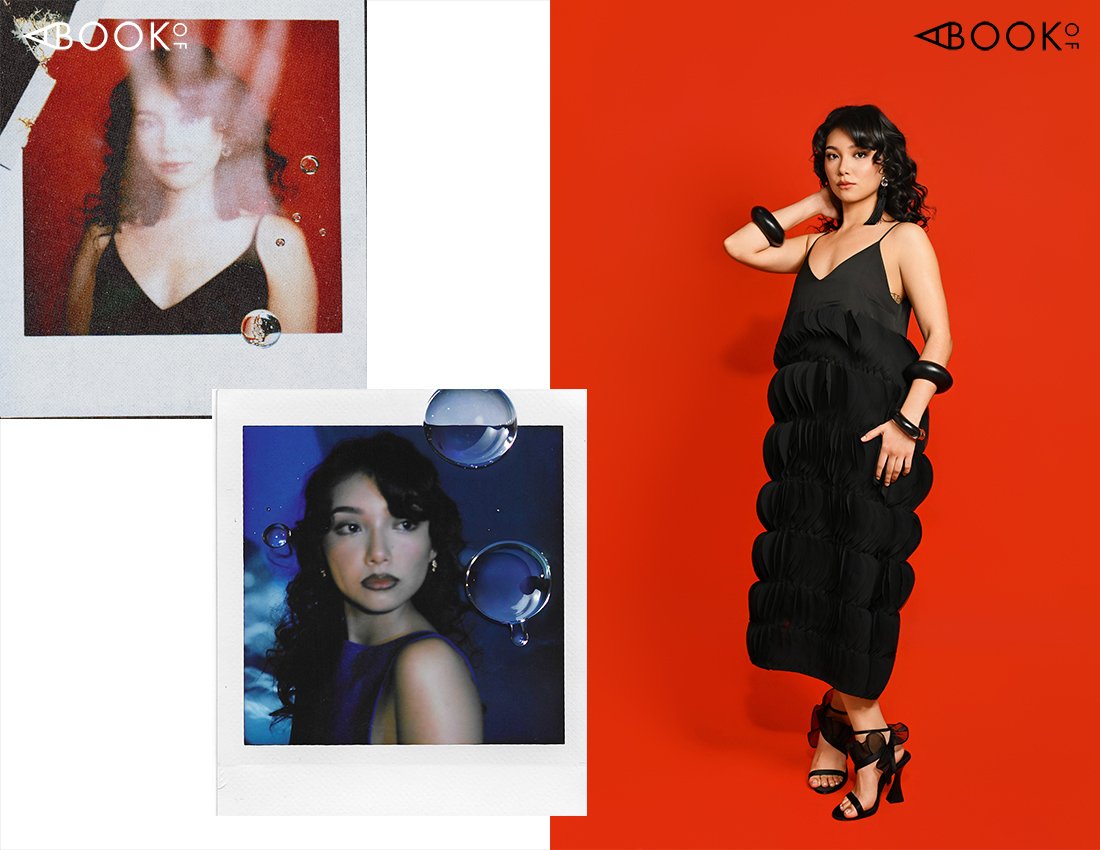
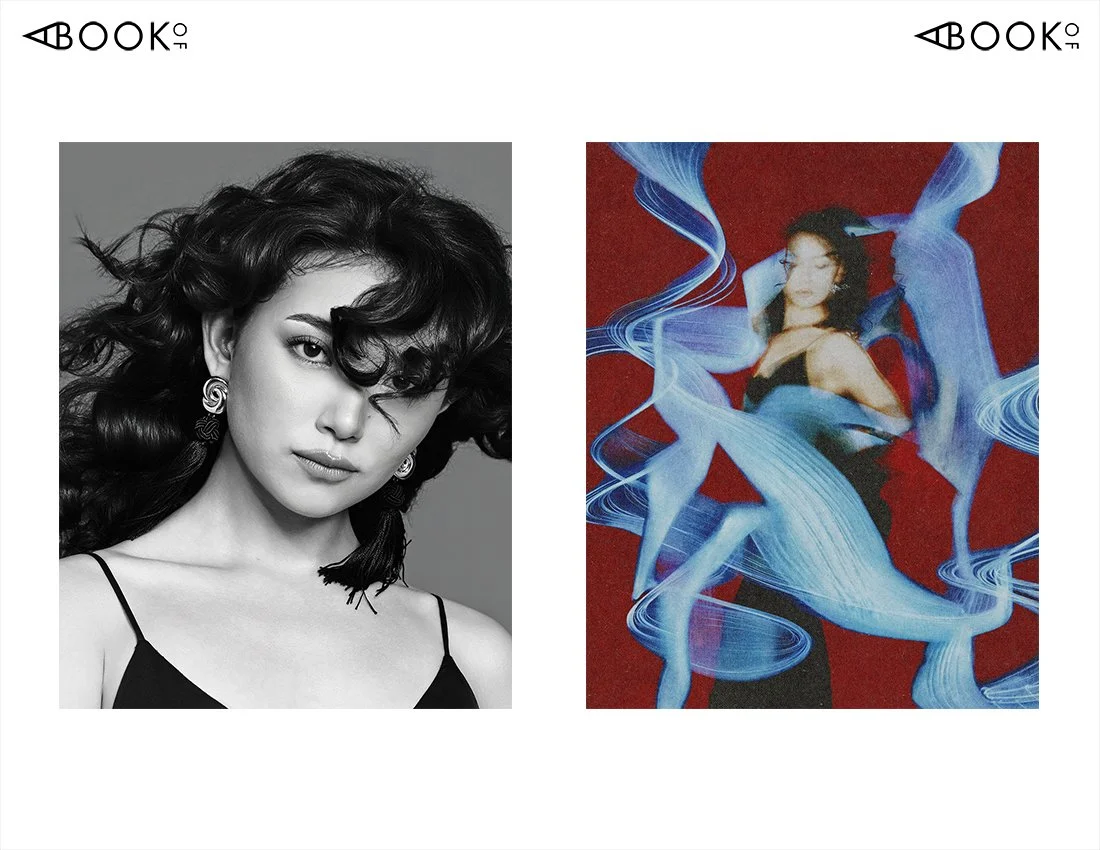
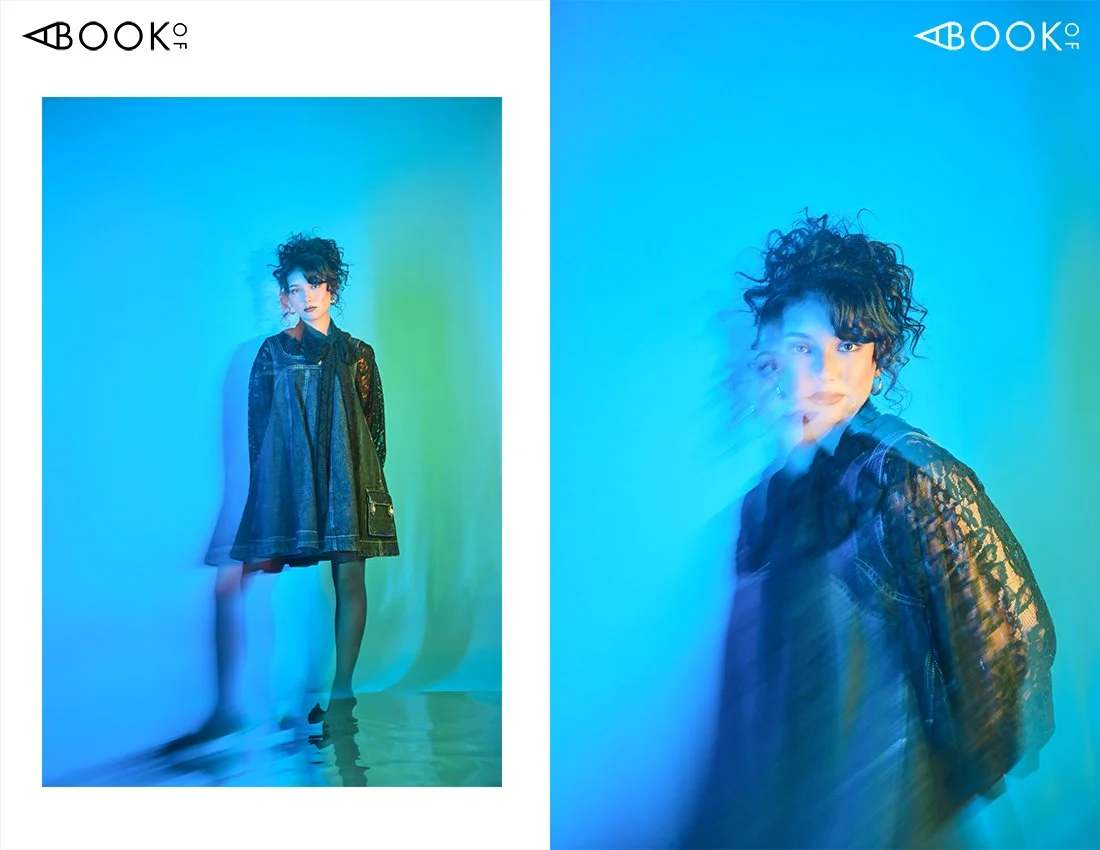
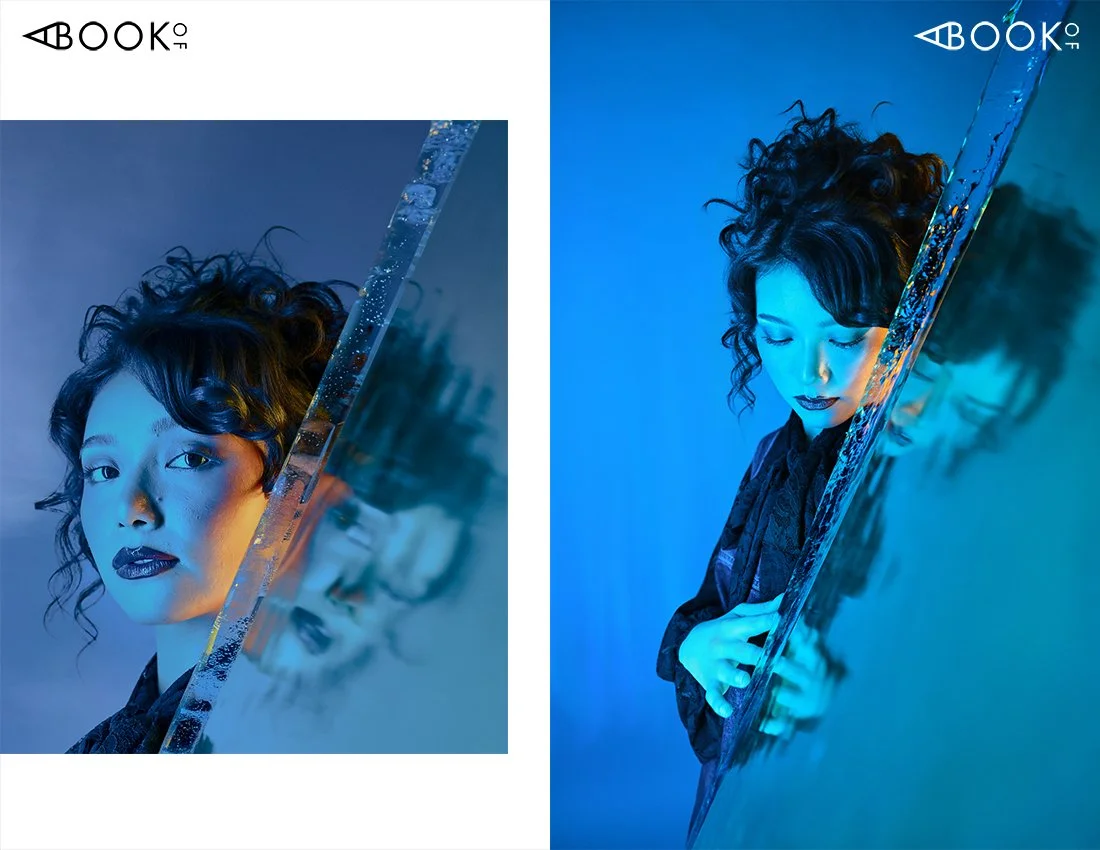
PHOTOGRAPHER: IRVIN RIVERA, FASHION STYLING: BRANDEN RUIZ, MAKEUP: JASMIN STEPHEN, HAIR: PATRICK SANTA ANA, DIGITAL TECH: PHIL LIMPRASERTWONG, LIGHT TECH: ANDREW LOPEZ, LOCATION: STUDIO METROPOLIS LA
KIAWENTIIO comprehends the power of water because she knows the power of coming home. From Akwesasne to the vast, elemental world of the second season of Netflix’s “Avatar: The Last Airbender,” the Mohawk actress carries Katara not like a costume, but like a current, something ancient, emotional, disciplined, and alive in the body. The new season, led by showrunners Christine Boylan and Jabbar Raisani, brings Gordon Cormier back as Aang, Ian Ousley as Sokka, Dallas Liu as Zuko, and Kiawentiio as Katara, now stepping deeper into her strength as Team Avatar journeys into the Earth Kingdom and the war grows louder. But in conversation, Kiawentiio is most revealing in the quiet spaces between all that spectacle, when she talks about home as the place where she can “take it all off,” rest, and be “emotionally naked.”
There is a lovely contradiction in Kiawentiio’s rise. She is part of one of the biggest fantasy franchises in the world, yet she speaks with the grounded clarity of someone who still knows where to put her feet. After early turns in “Beans” and “Anne with an E,” she describes acting as something she stumbled into, or maybe something that found her, and Season 2 as a kind of school where tai chi, stunt work, color, movement, and instinct all became part of Katara’s evolution. She talks about waterbending not as choreography, but as resistance, weight, warmth, and flow. She talks about representation not as a slogan, but as a responsibility, something little girls from her community can see and feel. And when asked what book she would be, she does not reach for grandeur. She reaches for something more intimate, more revealing, more Kiawentiio: “I think I would be a sketchbook.”
You grew up in Akwesasne, a place with its own sense of land, language, community, and borderlines, and now you are part of a story being watched all over the world. How has your hometown shaped the way you understand belonging, especially when your work keeps asking you to step into worlds much bigger than yourself?
I would say that being from Akwesasne, growing up surrounded by community, and just growing up the way I did really built a strong foundation for me in knowing who I am and our culture and traditions. I think it's shaped a really beautiful foundation that I can always come back to when I'm coming out of these big worlds. It’s the feeling that I could come here and kind of take it all off and rest and feel that sense of being home and comfortable, and be able to be myself and be emotionally naked.
I love that you always had a home to come back to, which keeps you grounded. Isn't it amazing when you can separate those worlds, the world of filming a TV show and your own home?
Yes, because they’re also very different. The home I have here isn't something I have seen in any of the places I've been to already. Sometimes, it feels almost like being on another planet, like Mars, a place where I can disappear and take a much-needed break when I need it.
That's good. Many people need that kind of separation, and it is an incredible gift to have a home to return to. Before Katara became a global role for you, you had already played young Indigenous girls in stories shaped by history, survival, and community, from Ka’kwet in “Anne with an E” to Tekehentahkhwa in Beans. How did those early roles teach you to carry difficult stories with care, without letting the character become only a symbol or a lesson?
You know, I started with “Beans” and “Anne with an E.” Those were my firsts. That was my introduction to acting and becoming a different character. I was very young, maybe around twelve. Honestly, at that point, the only thing I really knew was that acting was fun, and being in the environment of a TV show or an independent film was exciting.
I did not yet know the exact procedure or language for acting as or being those characters. I didn't have that understanding yet. I think my approach at that point was very simple. I knew it was acting and not real, so I just tried my best. I knew these events weren't actually happening. I just had to do it. It was very surface-level then. You just try to fully embody the character and become someone else.
And I think much of my understanding of how to navigate the acting world came much later, as I began to reevaluate my feelings and experiences with greater knowledge.
How has this changed throughout your years of experience? How would you say you have evolved as a person and as an actor?
When I started, I didn't know anything, really. I felt like I stumbled into this world, and thank goodness I did, because I love it, and I love doing it and growing from it.
But it was really a miracle that it happened. I found acting, or maybe it found me. And as I've grown through it, one aspect has been natural growth. With age, I became more curious and open-minded.
Through filming the show, I feel like I learned so much while being Katara. I definitely feel like there's a much stronger educational side to it. It’s like being in school; it’s like studying for a scene, a role, a character, and then the homework that it takes to really break things down into trying different things- whether it be your own ideas, or the producers or the directors, having that added into it, and how to find that kind of flow and do the same things. Also, like how to not get lost in that, I feel like I was really lucky to have had the show go on for the way that it did, because it really was like school for me, and everyone on our set was so kind and giving and allowed that space for me to learn.
It's good to hear that you're saying that, because a lot of people are not aware that there's a lot of process involved in being on TV, like portraying a character. It's much like waterbending in a way, because you have to learn all these different skills and aspects of it. Like what you mentioned, flow- so you, as Katara in the show, are all about the flow.
When you first stepped into Katara, she was still discovering the force inside her. In Season 2, she returns with more skill, more responsibility, and a deeper sense of command. How did your preparation change when Katara’s waterbending had to feel less like discovery and more like mastery?
Yeah. I went into the season really wanting to feel the difference of the waterbending and the levels that Katara is at. Even from the last episode of the first season, as I came into the top of the second season, I wanted it to feel more just in her body, more fluid. So, yeah, I put in a lot of time into learning tai chi and water bending and trying to feel it out with my own.
You know, surprisingly, I didn't forget everything. I was expecting to get in there and be flopping around because it had been so long, but I actually felt very comfortable off the bat with the tai chi exercises and the different movements. I felt very comfortable in it, and so it actually became what grounded me with Katara. What brought me back to her feeling was the tai chi and the waterbending; it was like something I would do all day, just because it felt so much like her. You know, I think it started in season two and then continued on as we were filming. Yeah, that was something that I wanted to do to feel bigger and better.
It's great because when you do your bending, it seems like it's coming from you, from inside Katara, and not just choreography with the actions. How do you do that? I mean, you said tai chi, but you make it seem so natural; it's so cool how it translates on screen.
You know, it's funny, sometimes I'm not sure if it started in season two, it could have been season three, but sometimes we would be outside in these costumes, and we have to pretend that it's not freezing in November in Vancouver, BC. If we were cold, we would exercise to keep ourselves warm, and tai chi was always something I liked to fall back on when I felt revved up and warm, you know. I think we had one night shoot that was like that. I was in the corners doing tai chi, rounding my arms. Whenever we had a fight coming up, I would go to stunts and learn the choreography itself, depending on what kind of fight, like once or twice, and then on the day we'd run it a lot. Personally, I did as much as I could, like I think I took it home to the big gym mirrors to see \how I looked and how to improve. But in terms of the energetic stuff, I think I did the choreography in pushing out as much as I had, because that was also something that I tried to be mindful of- how the power itself felt.
Are these benders? Does it feel like physically picking something up? Does it feel like you're holding the weight inside? That was something that I actually had a hard time with: what is the practicality of the feeling with bending? I think one of the things that I had discovered in that was to just really feel the weight of different things, like sort of like when you are in water and you feel your hand, and you feel the force of it. Yep, sort of what I was aiming for.
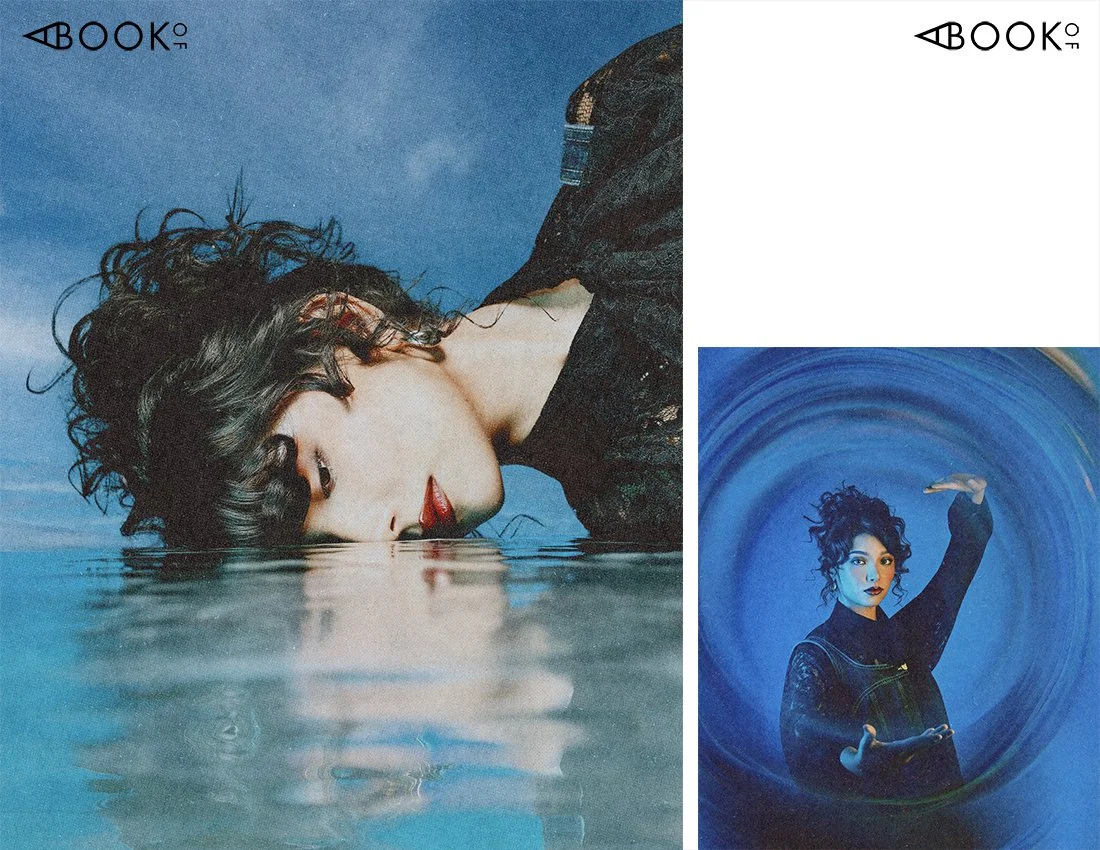
That's so good to hear. Glad you mentioned that, because I'm imagining it in my head as you're saying that, like, when you do anything in water, there's always resistance, and then eventually, there's also flow.
I'm curious, what version of Katara are you bringing into this season and the upcoming seasons?
I really wanted the season to feel like the gang has grounded themselves, even though you know they're running. You know, trying to fix something or help other people, or they are constantly pulled in all these different directions themselves and their relationships to feel like they have solidified. And with Katara, I think, in that aspect, she is sort of just full, like she is fully herself, and you know, she has this sort of like this like left eye glimmer of being Aang’s teacher, so there's like that, you know, looking at him and their journey as a whole, like there's a part in that, for sure. I wanted it to feel like the engines are just starting, and then I think the engines continue to run.
She's gonna get more powerful and more grounded,
Now, speaking of power, there is something powerful about seeing an Indigenous young woman at the center of a massive fantasy series, especially in a role that is not written as small or decorative. How do you carry the beauty and the pressure of that visibility without letting it limit who you get to be as an artist?
First off, it's great, it's incredible. I loved being Katara, and I think that she could be the best thing that I've ever done, and will ever do, like she's unapologetically going through life, and I just loved being her, and you know some roles that I come across are like the glorified friend of the main girl, you know, like things like, that I come across, and I think with this show, I have the opportunity to be something that my community can be proud of. And the girls, the little girls who see me, can be inspired by me, and I find that role to be a responsibility. Yes, but all you can do is your best. You know, so I think that with that mindset, I don't get too caught up in the pressure of it. I just do what I think is best and what my support system feels is best for me, and the rest is sort of like a ricochet, so I think the answer is to have a good support system.
And you're right, it is what it is. You do your best, and you're, since you're the actual representation of anything that you are embodying, and all of it just emanates from you, and it goes through the people you inspire globally. You are not only an actor but also a singer, songwriter, and visual artist. How do those other forms of expression help you stay connected to yourself when acting asks you to disappear into someone else?
I love this. Yeah, you know, art will help me come back to myself, to what I love, and to my creativity. If I were to come home from a bad day and draw, paint, or even sing, it would help me work through things. They also help me figure out a character or a story, like I started dabbling while we were filming season three of the show. I started dabbling a lot in painting and drawing, and I felt what big emotions and big scenes felt like. I have a really strong connection to different colors, and those colors are correlated with emotions and expressions. It was actually very helpful, so it's interesting that art and visual art are both helpful, you know, to me coming back to myself and diving further into a character.
I feel like, as an artist, you travel among different worlds, right? And it's really cool. You travel, and then you express yourself in these different worlds and forms, and it's great that you can do so many things and just jump between them.
If you were a book, what book would you be and why? Open question. It can be a title, a made-up book, a type, a genre, or something only you could write.
Okay, I'm thinking of a couple of things here. My first response would be, I think I would be a sketchbook. I have one sitting right here, and I feel like this is pretty good.
I feel like the vibe would probably be that.
As an actual book. Do you know The Spiderwick Chronicles? Now I'm not as familiar with the books as I am with the film, but I feel like I would love to be the guide, the creature's guide.
I think I know what you're talking about. The Companion book, the guide to the Spiderwick Chronicles.