SINCLAIR DANIEL IS A WOMAN OUT OF TIME IN THE COPENHAGEN TEST
BY IRVIN RIVERA

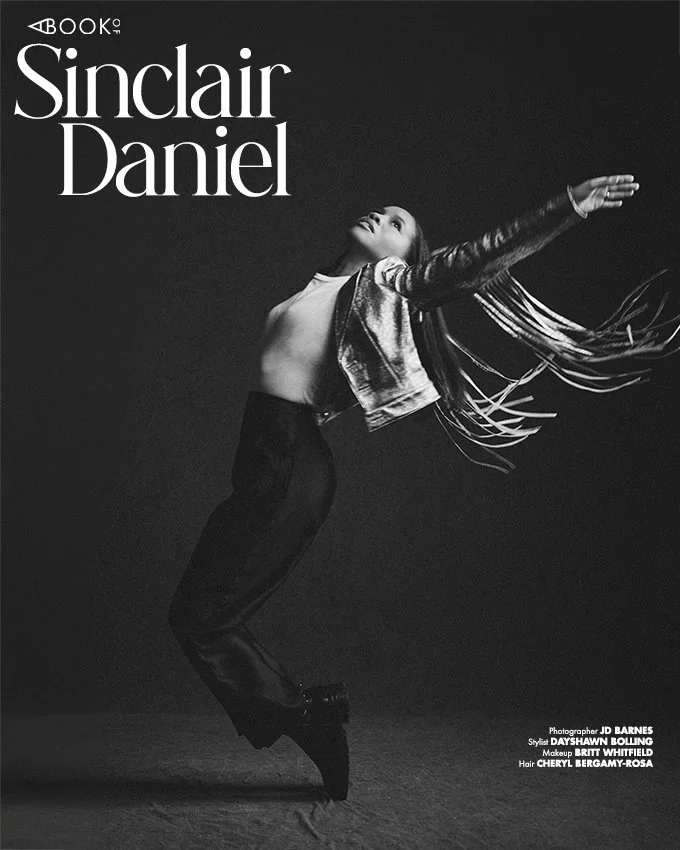
PHOTOGRAPHER: JD BARNES, FASHION STYLING: DAYSHAWN BOLLING, MAKEUP ARTIST: BRITT WHITFIELD, HAIRSTYLIST: CHERYL BERGAMY-ROSA @EXCLUSIVE ARTISTS USING CONTENTS HAIR CARE
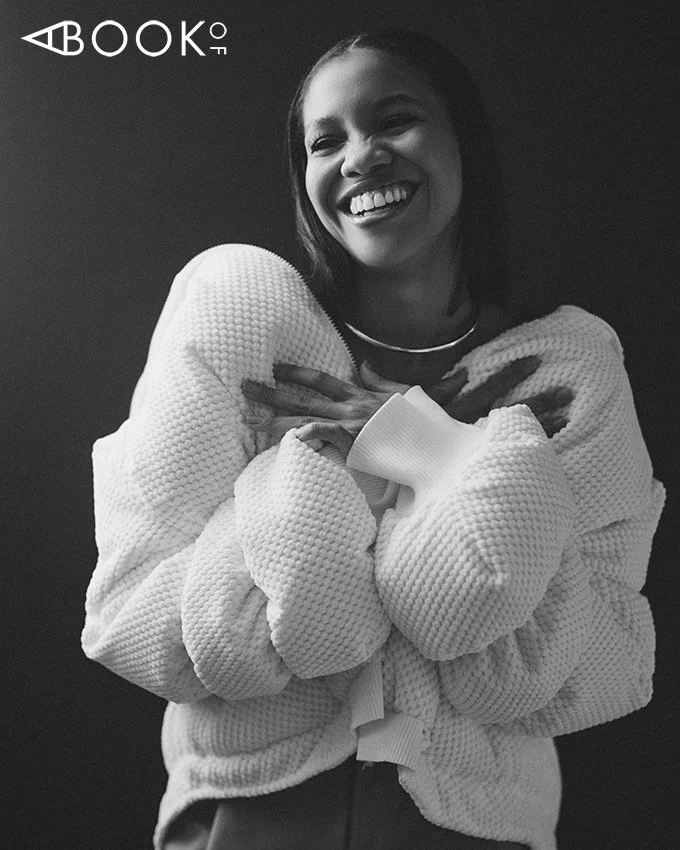
Sinclair Daniel has the kind of presence that does not ask for attention so much as quietly command it. In The Copenhagen Test, Peacock’s sleek, psychologically charged thriller starring Simu Liu, Melissa Barrera, Brian d’Arcy James, and Daniel, with the first episodes directed by Jet Wilkinson, she plays Parker, an analyst whose job is to watch, anticipate, and subtly shape someone else’s reality, and she does it with a restraint that feels all the more powerful because of what simmers underneath. Off-screen, Daniel is just as magnetic: sharp, thoughtful, funny, and deeply attuned to the invisible tensions that shape how people move through the world. In conversation, she speaks about home not as a fixed location, but as something she learned to build while constantly in motion- through new schools, new cities, and, most enduringly, through theater.
That idea of learning how to belong while standing slightly outside of the room gives this conversation its pulse. Daniel reflects on growing up in institutional spaces, on the survival skill of observation, and on the fine line between performance and protection, all of which make her such a natural fit for Parker, a character who knows someone intimately even though “he does not even know she exists.” What emerges is not just an actress talking about craft, but a woman who understands when to reveal and when to withhold, when to lean in and when to protect what is hers. By the time she says, “If the show taught me anything, it’s that private is the right track,” the line lands as more than a takeaway, it becomes an invitation to keep reading, to meet the person behind the performance, and to understand why Daniel feels, in her own words, like “a woman out of time.”
Well, first off, congratulations on the Copenhagen Test.
Thank you so much.
Stellar performance, of course. Thank you for your time today.
Now let's talk a little bit more about you. So when you think about like home, what place do you claim first, and how did the version of you who grew up there learned to take up space before you even learn how to act?
Honestly, when I think about home now, I think about where I am right now, in my apartment in New York City. When I was a kid, I moved a lot, and so the physical home was often like a changing space.
But one of the things that I learned how to do was take up space while also moving a lot and having to reintroduce myself a lot, and that was through theater. Whenever I switched schools or went to a new place, we always looked up the children's theater, or if the school I was going to had a drama program, I was always looking for plays. And I did some community theater as a child, and I found that it was a really quick and easy way to meet people, to get comfortable, and to reintroduce myself to an area through the theater space
I love that. That's like, the arts theater, acting totally all became part of your identity, your home.
love that.
And then speaking of acting and your career so far, you have played women navigating systems that reward performance, whether in the workplace, family, or institutions. How did your own upbringing shape your radar for power, belonging, and who gets to be considered safe in a room?
My mom is a teacher and has been one my entire life. And there are many members of my family, specifically the women who are also teachers. So growing up, I was very familiar with the institutional space, and I also usually attended private schools on scholarship, so I was always in these spaces that I felt I had to work a little harder to be in and earn my place in.
And it was interesting because I'd be at school, then my mom would pick me up, and I'd go to her school. So I spent a lot of time in an academic building.
And it was, it was fun, because when I was at school, I had to kind of be you have to get the grades, you have to show up and be the best student to earn your scholarship. And then I go to my mom's school, and I'd be running around the teacher's lounge like sneaking sugar packets, so very free in one space and very, you know, calculated in another, but the balance was important for me. And as far as getting to see who gets to be in these spaces, I really got to see behind the curtain with my mom as a teacher at private schools, as a student on scholarship at private schools, and friends with wealthy children. So the academic play space was where I learned a lot of that those dynamics.
I love, that you're like, you have this exposure to that that could help inform you with all these different spaces of power,
Right? Demystified it a little bit.
The exposure helps a lot, for sure.
Speaking of the academe, NYU Tisch is often where actors learn craft, but life teaches different rules. So how did your training change once you entered real sets with real stakes, and what is the one technique that you still reach for when you feel exposed on camera?
Well, in school, everything takes longer, you have… I went to theater school, so we were rehearsing plays and doing theater, and it would be weeks or months of rehearsal to get to know who you're working with and feel comfortable, and days of table work and text analysis, and usually the set isn't like that. Usually, set is you get there a few days to a few weeks beforehand, you're in a bunch of meetings, but it's not necessarily rehearsal. So a lot of that preparation you're doing on your own, and then for television, especially once you begin, you might have had a rehearsal for episode one, but that doesn't mean you're sitting down to rehearse episode seven.
So one of the things that I think about when I feel like maybe it's all running away from me a little bit is in drama school, they really tell you, if you feel untethered, just start paying attention to the person in front of you, like whoever is opposite you in that scene, just really put all of your energy and listening into them, because if you're really listening, then you can really react, and that's a helpful thing to remember when you just feel like everything is moving so fast and like it's, you know, your craft is slipping. So that's a, that's a nice grounding technique.
I was gonna say, like, it's nice that you mentioned grounding, because that's, that's like, where my thought is going. It's a nice grounding thing when you just focus on that person in front of you, and
I've been very lucky with the people who have been across from me. So it's, it's, it's been very easy to just be like, okay, okay, it's not all about you. Like, make it about them.
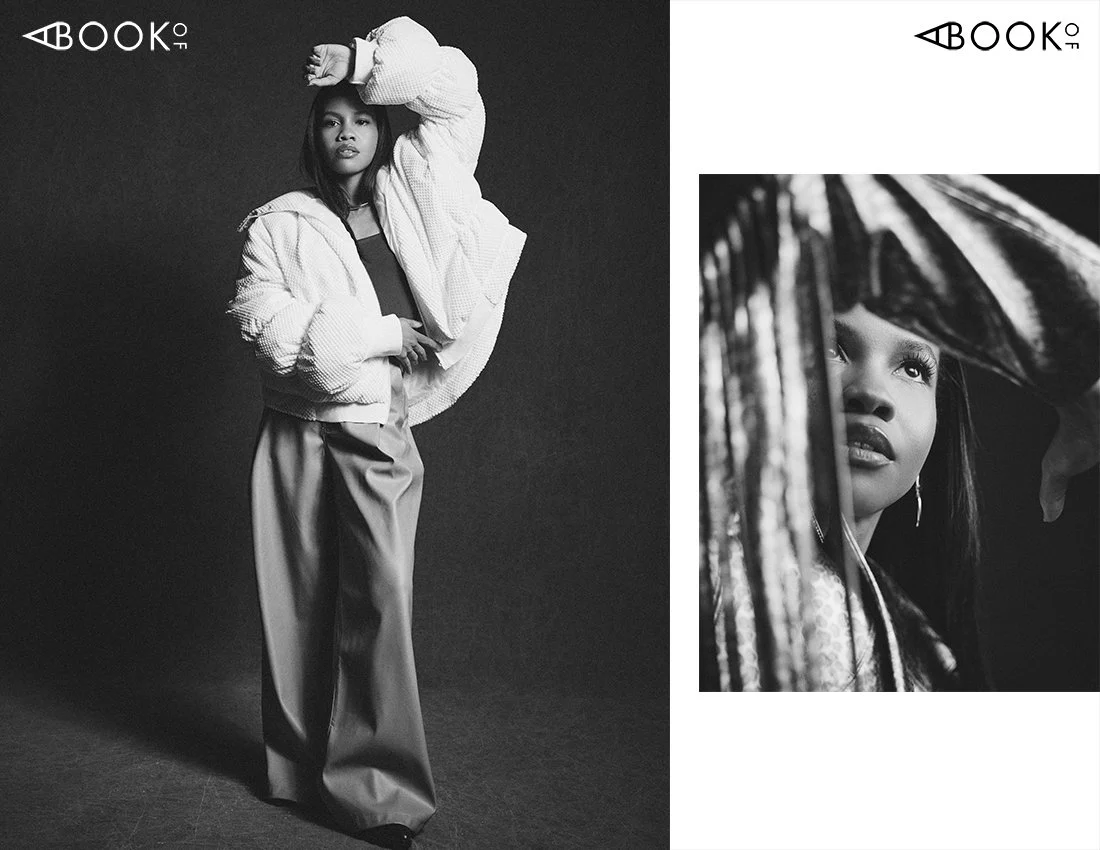
Yeah. Now let's talk about Copenhagen Test. So in Copenhagen Test, Parker's job is to watch, anticipate and quietly steer someone else's reality. Now, how did you construct a full inner life or a character spend so much time behind screens, and what did you do to keep her from becoming just the person with the information.
Yeah, I think kind of similarly to my previous answer, I am my job in this show is to really observe another person, and when I was feeling like that might be a difficult thing to do, and mostly just do that. I just started to get very curious about the person I was observing and tried to really listen to what they were saying. In this case, it was Alexander Hale, played by Simu Liu, and it made it a lot easier for me, because you're not really just sitting there doing nothing. You are sitting there listening to somebody trying to learn their tics and their quirks and their facial expressions. So it became a very active task in that way. So instead of Parker just miraculously having all of these insights and information, you can see she is learning along the way how to extract information from her observations. It didn't start to feel dull for me in that way.
And that's, I think, what makes your performance of the character really, really dynamic. Because you can tell how your character is really, like, paying attention and, as you said, like, deciphering all these things and then presenting you with the knowledge and information, which is amazing. It's effortless, like, it's seamless in that regard.
Parker knows Alexander deeply, and he's does not even know she exists. How did you play that imbalance, and where did you locate Parker's dignity inside a dynamic that easily turned her into a ghost?
I think that the thing about Parker is she's like the last person on her own mind, and she wears her heart on her sleeve a little bit. So to watch Parker exist is to kind of experience all of the people she's coming into contact with, because she's kind of just, she's wearing everybody on her and I think that actually ends up making her a very interesting character, instead of just a person in the shadows, she's a fly on the wall. So, you know, maybe some people might say an empath at her best and sociopath at her worst, but you know, she's either like a completely open book, just like a strong gust of wind will take her out, or she has to shut it all down just to get through the day. And watching somebody go through those extremes, I think, keeps it dynamic and less ghost-like, because it is, if you were to pitch this character, it could have very easily been like, this is just someone who's standing quietly in the corner of every room, and they don't really engage. But I really enjoyed how they made her active like this and made her truly care about Alexander and her work.
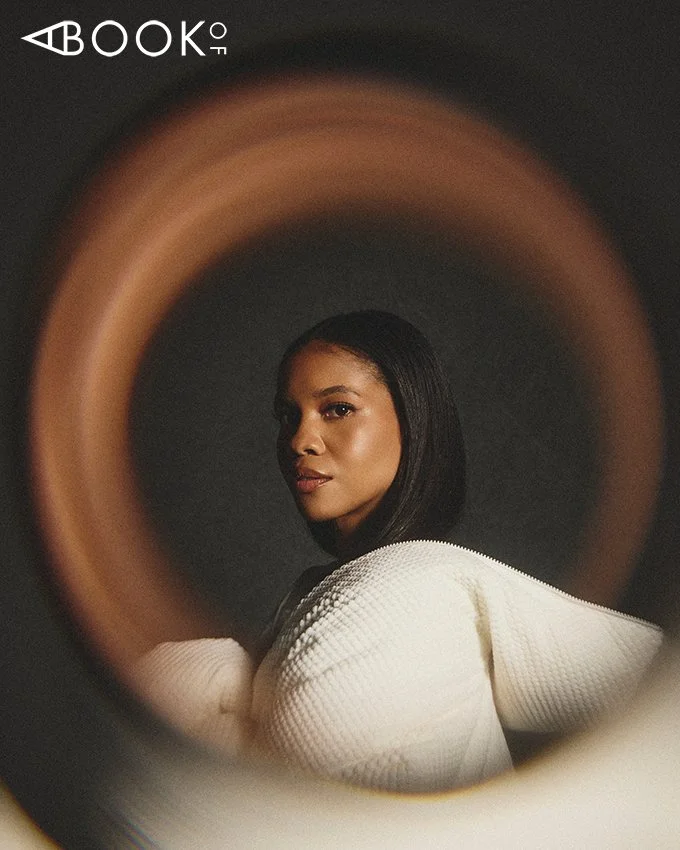
And it shows- that care translates well when you like watch this as an audience, so good. We can see that for sure.
So this, the series, lives in that Truman Show discomfort reality stage, and the audience is complicit. Now, how did you decide where Parker draws her moral lines and what moments made you personally question whether she's protecting someone or is she just controlling them?
Yeah, I think Parker, for me, it was about staying present and dealing with whatever task was being presented to her in the moment, and then letting the feelings about it, the moral feelings about it, come later. So as soon as something is posed to her, she's like, okay, assignment, I have to do work. And then, after the fact, IS when she was like, Okay, maybe that was a little morally ambiguous. How can I correct that in my next my next task? Because, you know, she's given these big, big jobs, and she's just so eager to impress. And as the season goes on, she realizes that maybe she should have been asking a few more questions and allowing her own judgment to shine through a little bit more. And I think those scenes are in there where you really see her struggling between what she feels is right and what she's told is right, like anybody, I think, who's young and eager to impress at their fancy new job.
But yeah, those moments, they sometimes crept up on me.
It makes it relatable as well, because like, what you said, like as other people, they experience that as well. People do experience that.
Of course they do. And you know, we do what we do we have to do to get through the day. But especially at the orphanage, everybody's been there much longer than she has. So when everyone is acting like this is run-of-the-mill. This is how we handle things. She's looking around almost like a child trying to behave like the adults around her, and she doesn't realize that they are jaded, or maybe they've already made some moral compromises, and so she has to learn to follow her own instincts and not just the behaviors of the people around her.
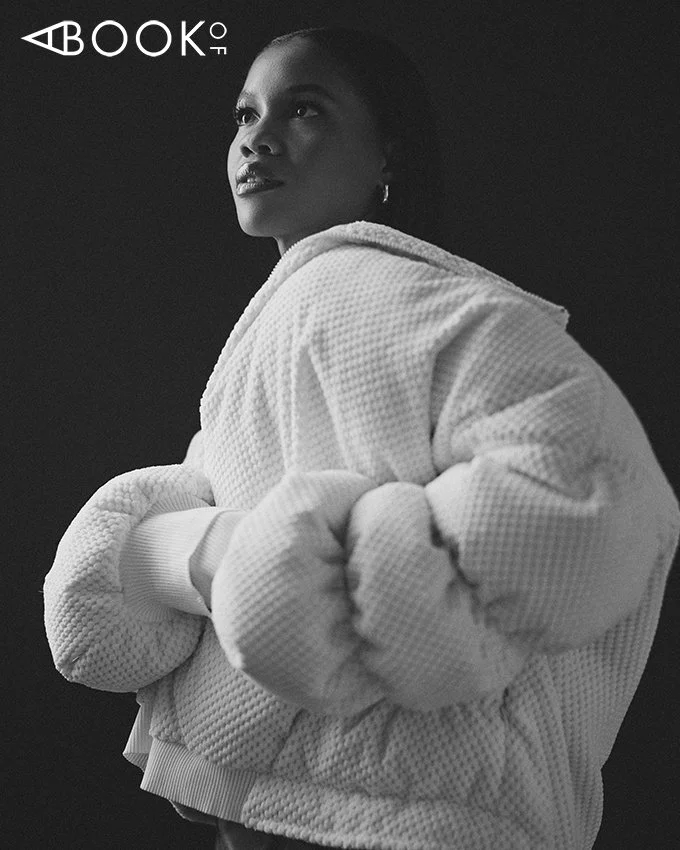
Yep, and that's really what makes this character so interesting. There are so many layers, yeah, to it.
Now in a world where the premise is someone can access your eyes and ears, privacy becomes a kind of luxury. So, how does playing this story change the way you protect your own interior life, especially in an industry that constantly asks artists to be accessible?
I was already a pretty private person. I've always been a pretty private person, not secretive. But how did one of my friends put it? She told me I was mysterious once, and I was like, What do you mean? And I guess I had gone on a vacation with my mom or something, and I didn't post about it or tell anybody, and I didn't think to it as just, you know, hanging out with my mom, and she goes, that was so mysterious. I was like, I just don't know if everyone needs to know where my mom and I are having dinner tonight. Like I don't. I've never really felt the need to provide that level of access. But at the same time, I understand why people are curious about that level of access, because the technology exists, and the inclination to share and be seen exists.
But this show obviously takes it to another level, where no consent involved, and it really made me covet the consent that we have left, because who knows where that's going, but I like knowing that I am comfortable in keeping some parts of my life private. It's not a struggle to do that, and they don't take that for granted. I love sharing things in my life, but yeah. If the show taught me anything, it's that private is the right track.
Yeah. I mean, you curate what you want the world to see, especially if you think like you have no control and whatever access the outer world have with you. I guess, now and in the near future, Pretty wild.
When a project puts identity, power, and surveillance on the table, it tends to wake something up in the audience. How do you decide what conversations you want your work to start and what social costs you want to be associated with, even when it might cost you an opportunity?
I don't think that I get to decide what kind of conversations the work I'm a part of starts. I can decide to be a part of it, the work, and that is my decision. And so far, I've been very proud to be a part of the work that I've gotten to be a part of specifically the Copenhagen Test and the other black girl for their own reasons, more overt or less overt, I think the message it sends is one of inclusivity and diversity and exploring New Voices and putting you know, different looking people on display and telling those type of stories. That wasn't necessarily my decision. I didn't write the show or cast it, but I wasn't part of it, so I was very happy that I got to be a part of it. And, you know, I think that we're, this goes back to the public, private conversation. But if you feel strongly about things, if they're going wrong or right in the world, I think you should absolutely be able to talk about it, and it might cost you an opportunity. You know, freedom of speech is not freedom of consequence, but I think that we have the freedom of speech, so if you feel strongly about it, and it's you know, whether it's like a social justice issue, racial injustice, like I said, I come from a long line of educators, so I have a lot of institutional education qualms and and things that I think aren't aren't going the way that they should be. And I have, yeah, I would tell anybody who asked about any of that stuff, and if it cost me a job, then I probably wouldn't have enjoyed being in that job in the first place.
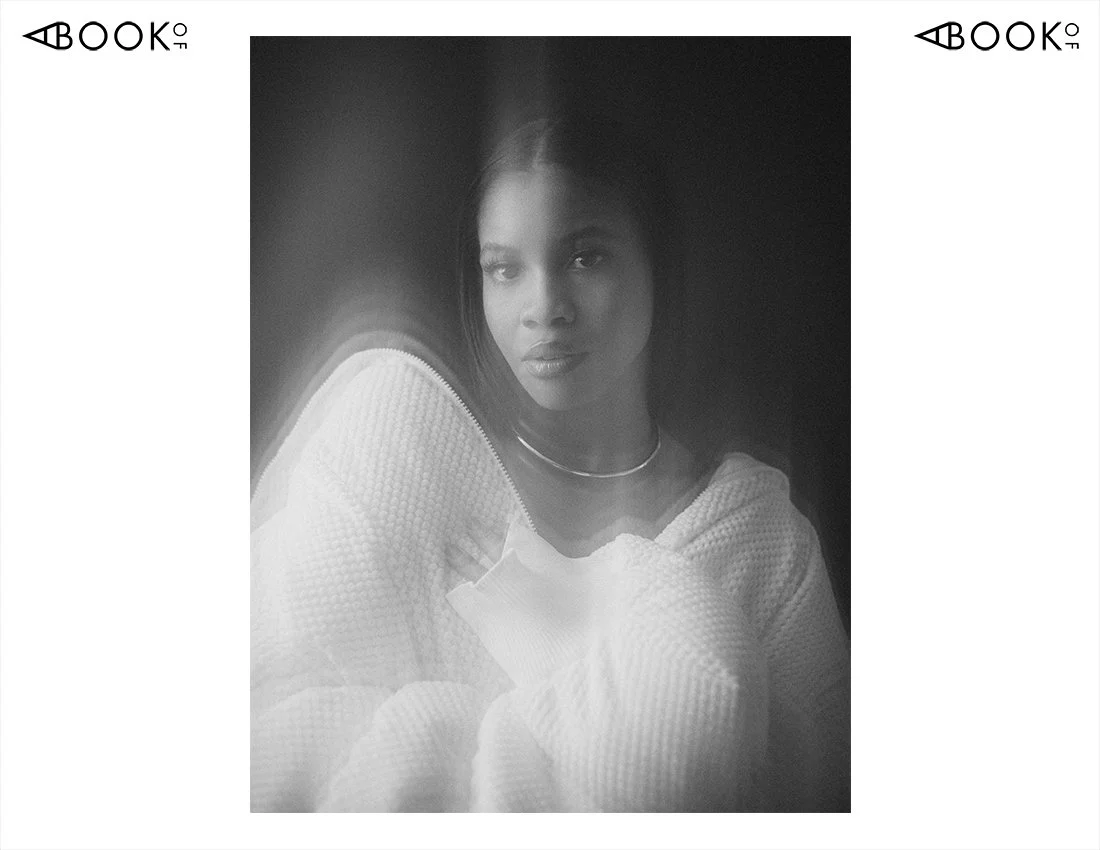
Makes sense.
Do you have a project that you're either working on and trying to develop, like something on the horizon that you're really excited about?
You know, I've recently gotten excited by the producing space, and I've been doing a lot more research and talking to people about that side of things in the grand scheme of my career, it's not been very long, but I think I always thought producing is something that comes towards the end of your career, and the more I look around, the more I'm seeing that people are making things happen at any stage in their career. So that's something that's been on my mind lately. So we'll see, yeah,
That's exciting. I mean, we'll be on standby. We'll wait for it.
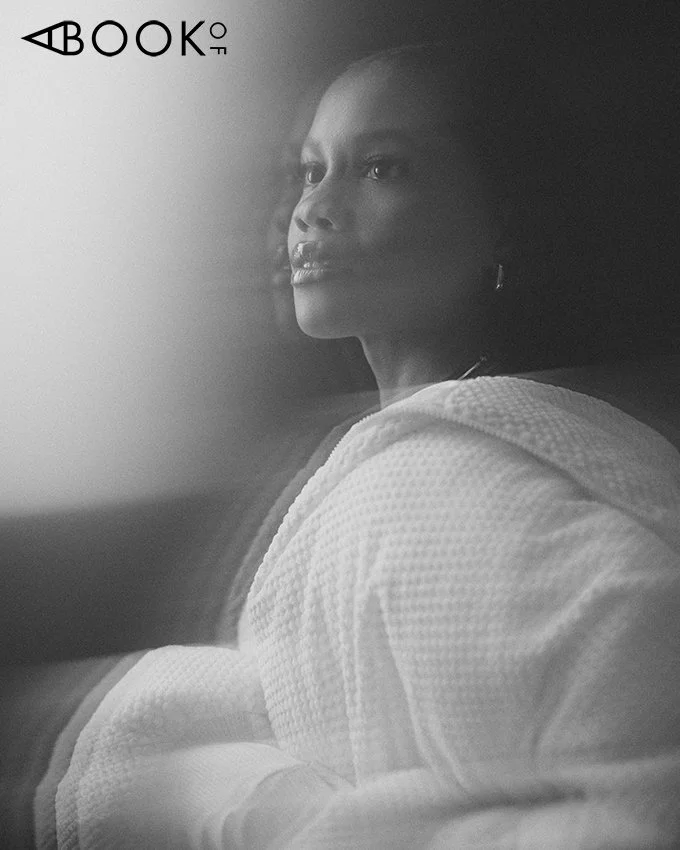
Sinclair, Lastly, if you were a book, what book would you be? And why? This is an open question. It could be a genre. It could be a title. Could be a made-up thing.
They're my two favorite genres, or where I think I would fit best, are like opposed genres, kind of, but I'm gonna say either dystopian future, okay, or historical fiction.
The books that I enjoy the most are- their escapism in the way that they're either, you know, a little further ahead or a little farther behind- different universes. That's the great thing about books: you can read them in escapism. Yeah, I don't know, maybe a woman out of time. That's what we'll call this, this genre, a new genre. Woman out of time.
I love that. The woman who can just go to different timelines.