NATALIE ALYN LIND ON THE WOMAN BENEATH OREANA’S ARMOR
INTERVIEW BY: IRVIN RIVERA
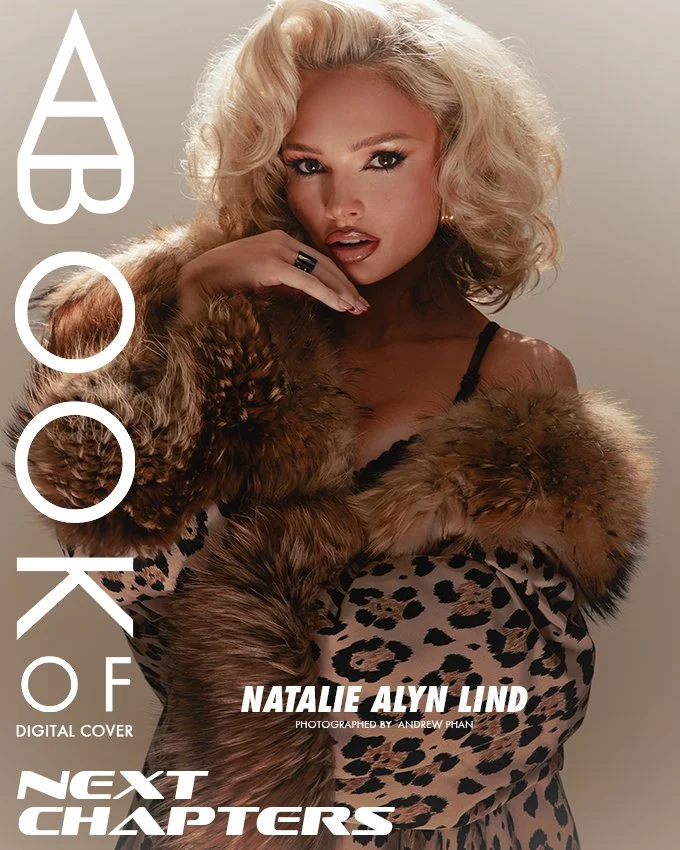
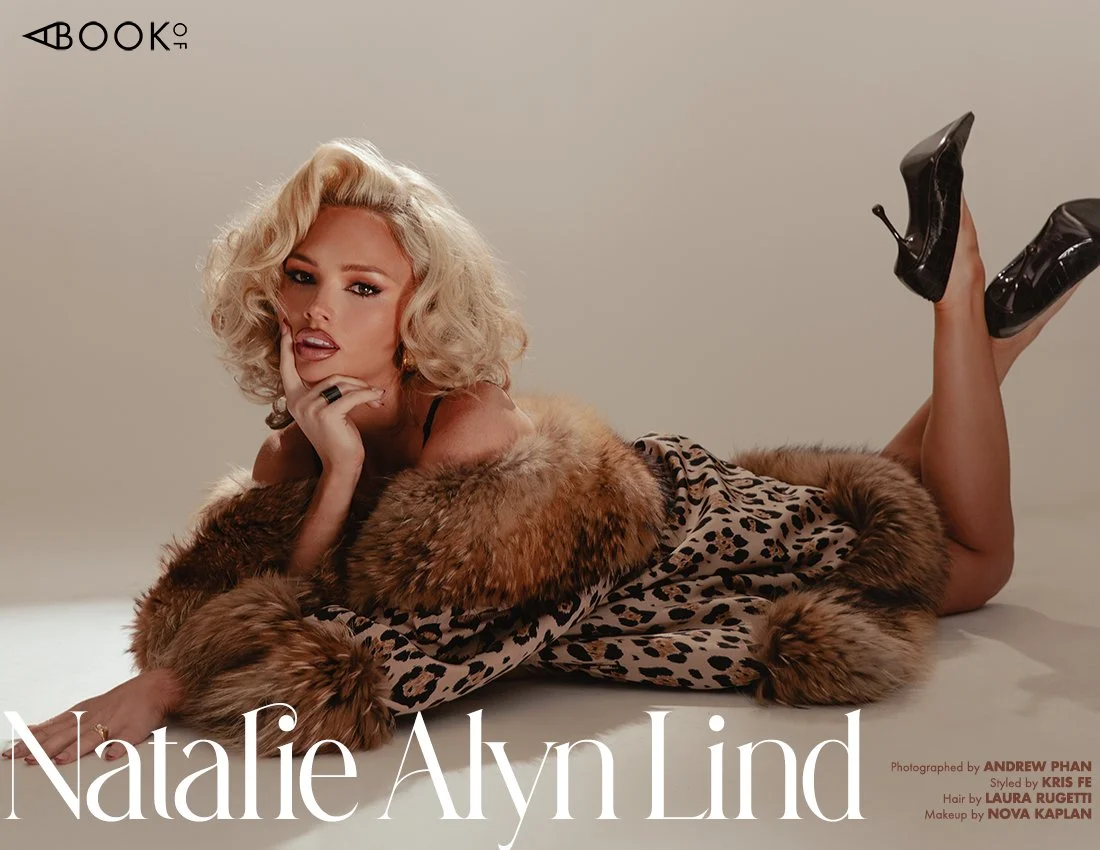
PHOTOGRAPHER: ANDREW PHAN, STYLING: KRIS FE, MAKEUP: NOVA KAPLAN, HAIR: LAURA RUGETTI
NATALIE ALYN LIND steps into Dutton Ranch like a match struck against dry earth, luminous, unpredictable, and carrying enough buried heat to set an inherited world ablaze. As Oreana Jackson, she plays a young woman whose boldness is both battle cry and body armor, someone caught between the open road calling her forward and the bloodlines pulling her back. That conflict burns at the center of Dutton Ranch, the Yellowstone continuation starring Kelly Reilly and Cole Hauser as Beth Dutton and Rip Wheeler, alongside Ed Harris, Annette Bening, and Finn Little. Lind enters its landscape of land, loyalty, and survival not as a reckless outsider, but as a bruised, wild-hearted woman fighting to escape a life that others began writing for her long before she could hold the pen.
That same tension between freedom and belonging runs through Lind’s own story. Raised around film sets but taught that proximity never guaranteed her a place on one, she learned early to arrive prepared, earn the opportunity, and trust the work. In this candid conversation, Lind reflects on the family lessons that shaped her, the vulnerability hiding beneath Oreana’s confidence, and the resilience she has discovered through playing women who are frightened, flawed, and still moving forward. She also opens up about stepping behind the camera as a producer on Halloween Store, where she is creating space for actors to follow their instincts and help shape the story themselves. Beneath the ambition, humor, caffeine, and self-described delusion is an artist who understands that strength does not always arrive with guns blazing. Sometimes, as Lind reminds us, “resilience is just getting through the next hour.”
You were born in Los Angeles, but you spent a lot of your childhood moving between California and North Carolina because of your family’s work. How did growing up between home and set shape your understanding of place, belonging, and the idea of a “hometown”?
I think it taught me that home is less about a place and more about the people who make you feel loved. I spent so much of my childhood bouncing between Los Angeles and Wilmington while my parents were working that film sets became a second home to me. But Wilmington will always hold a really special place in my heart. Some of my family’s closest friends… people who have TRULY become family still live there. My sister Aly’s godmother is from Wilmington (Aly was even born there). It’s one of the places where I feel safest and most grounded. Growing up that way taught me how to build community wherever I landed. I learned that belonging isn’t something tied to a city or a house; it’s something you carry with you through the relationships you build. LA will always be my hometown, but Wilmington helped shape who I am. Looking back, I feel incredibly lucky to have had two places that felt like home because they taught me that home isn’t where you are; it’s who you’re with.
You have said before that your mother made you audition for your first role, even though you were already part of the One Tree Hill world. How did that early lesson about earning your place stay with you when you entered a massive universe like Dutton Ranch?
My mom was very intentional about making sure I understood that nobody owes you anything. Just because I was around sets didn’t mean I automatically deserved a spot on one. Having to audition taught me early on that you have to earn your place. Walking into something as beloved as Dutton Ranch, I carried that lesson with me. The fanbase cares deeply about that world, and I wanted to show up prepared and prove that I belonged there through the work.
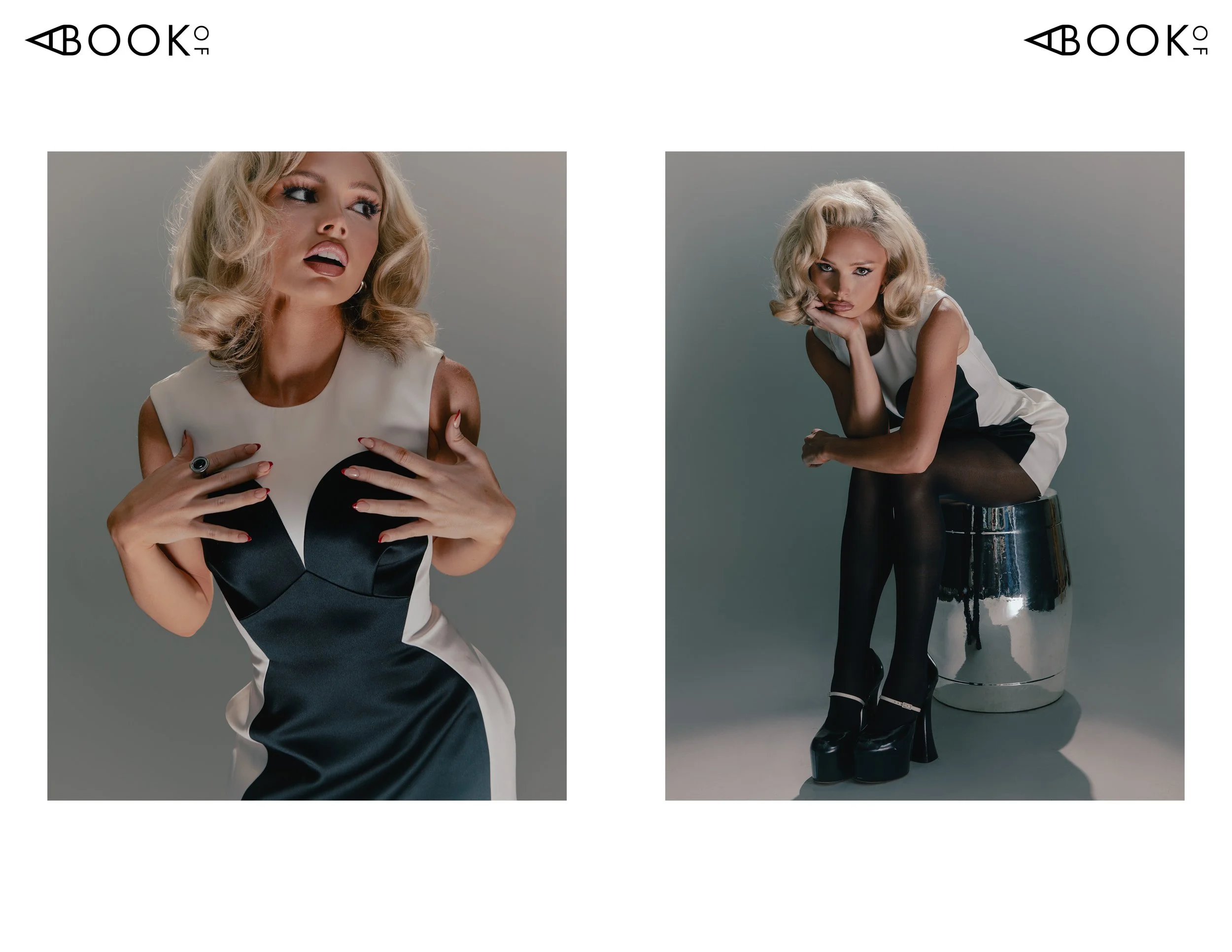
A lot of people grow up around their parents’ work, but very few grow up inside the machinery of storytelling. How did watching your mother transform for a living, and your father work behind the camera, teach you what the audience never sees?
It taught me that the magic people see on screen is built by a huge group of people working incredibly hard behind the scenes. Watching my mom transform into different characters showed me how much vulnerability acting takes. Watching my dad work behind the camera taught me how many moving parts go into creating a story. The audience sees the finished product, but they don’t always see the countless hours, the collaboration, and the passion that it takes to get there.
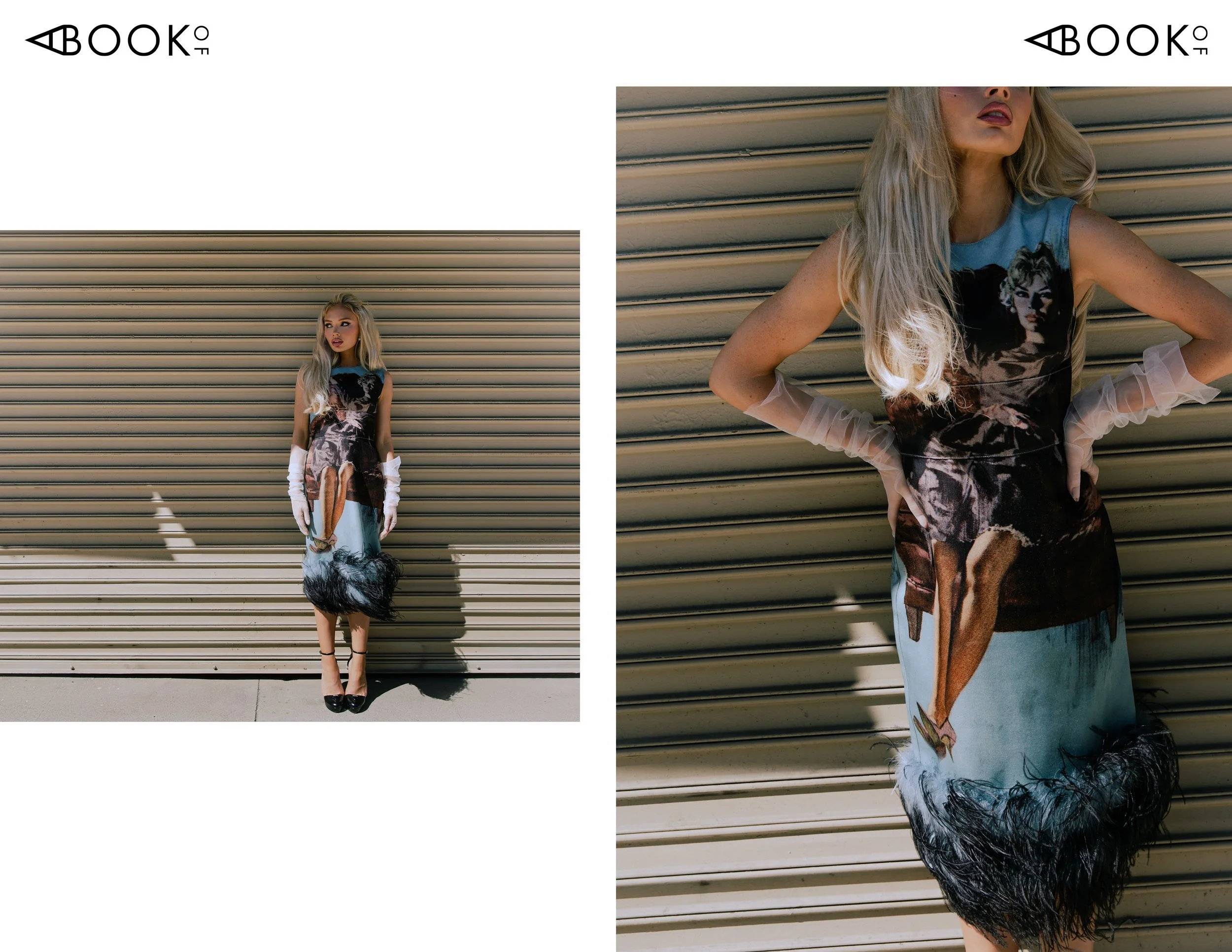
Oreana is described as wild and free, but she also carries family expectations, a legacy, and old wounds. How did you distinguish between a woman who is reckless and a woman who is trying to outrun a life already written for her?
Everything Oreana does is intentional. Deep down, I think she’s a young woman who is screaming internally for someone to truly see her for who she is and to love her for it. A lot of people look at her and see someone wild, impulsive, or reckless, but I never saw her that way. Everything she does comes from somewhere. She acts with her heart, sometimes before her head catches up, but that’s very different from not caring about the consequences. I feel like Oreana is always trying to outrun expectations that had been placed on her long before she ever had a say in them. She wants freedom, but she’s carrying a lot of history, responsibility, and hurt on her shoulders. So much of her boldness comes from a desire to protect herself while also desperately wanting connection. That constant push and pull between wanting to run and wanting to be loved is what made her such an interesting and emotional character for me to play
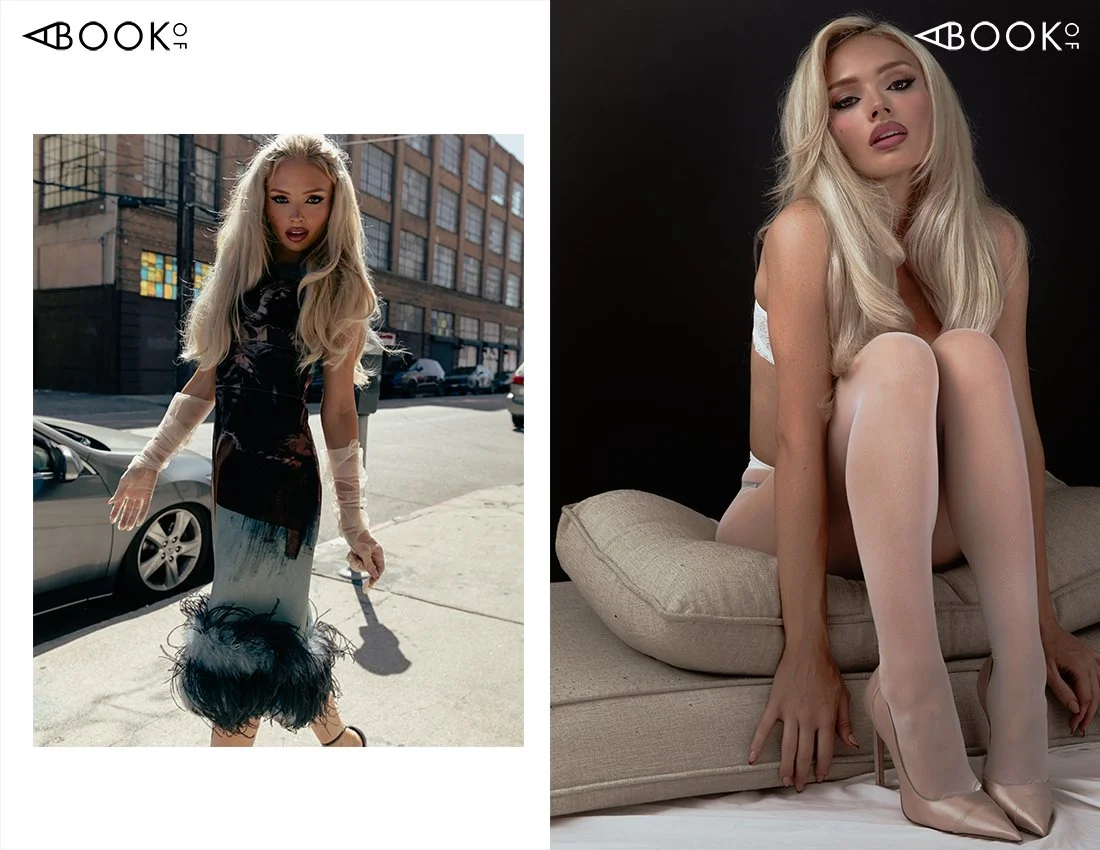
Dutton Ranch is about land, inheritance, survival, and the cost of keeping something alive. How did playing Oreana make you think differently about what we inherit from our families, and what we have to fight not to inherit?
Playing Oreana made me think a lot about what we actually inherit from our families. In the world of Dutton Ranch, so much revolves around land, money, legacy, and what gets passed down from one generation to the next. Watching how those things can divide people and create so much pain made me realize that the only thing I really hope to inherit from my own family is their heart and their love. At the end of the day, land can be lost, money can come and go, and family histories can get complicated. What stays with you is how people loved you, how they showed up for you, and the values they passed down.
Oreana lives in a world where power is often loud, physical, and territorial. How did you build her softer private life, the part of her that still wants to be loved, protected, and understood?
I think that’s actually the heart of Oreana. The loud and fearless version of her is what people see first, but underneath all of that she’s somebody who desperately wants connection. She wants to be understood. She wants to be chosen. She wants to feel safe enough to let her guard down. I was always interested in the moments where her confidence cracked a little, and you could see the vulnerable person underneath.
You have played characters who survive danger in very different forms, from Danielle in Big Sky to Ashley in Tell Me a Story to Norma in Pet Sematary: Bloodlines. How has playing women in crisis changed the way you understand resilience in real life?
It’s taught me that resilience rarely looks the way we think it does. It isn’t always strength or fearlessness. Sometimes resilience is just getting through the next hour. A lot of the women I’ve played are scared, messy, flawed, and figuring things out as they go. That’s what feels real to me. Resilience is continuing to move forward even when you don’t have all the answers.
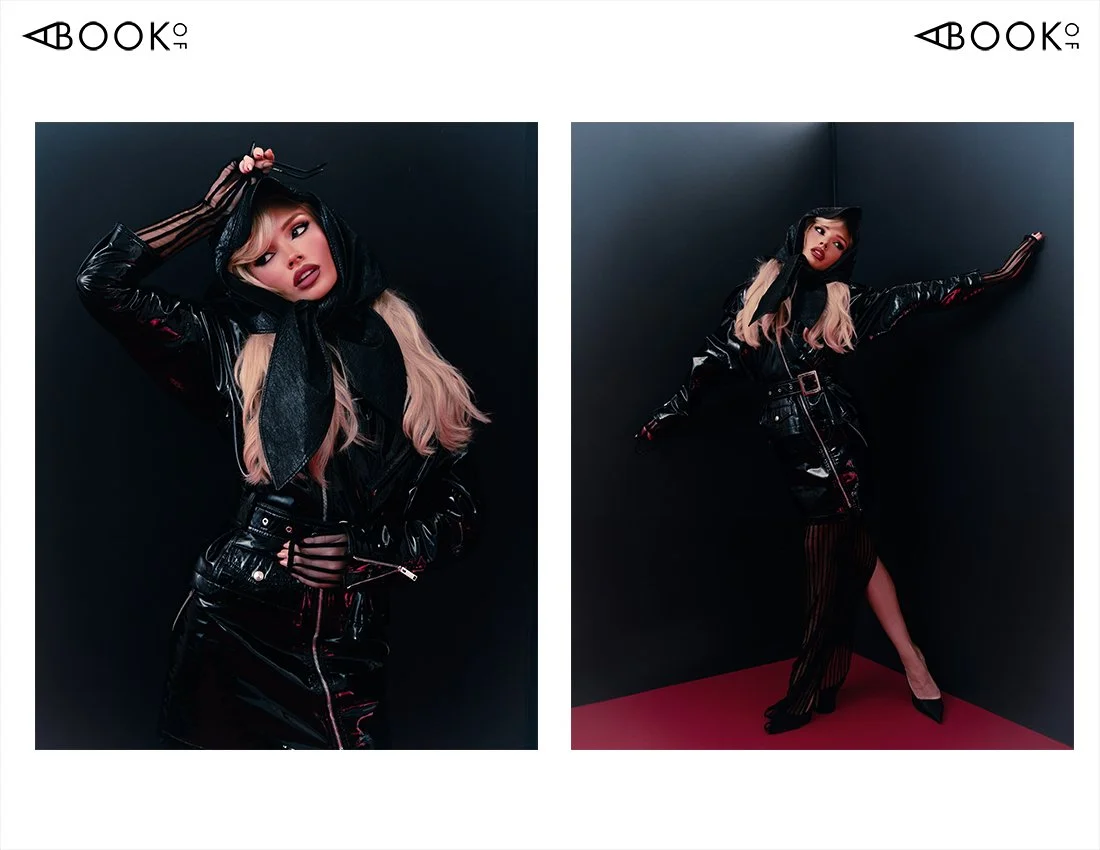
Dutton Ranch asked you to step into a beloved franchise with enormous expectations, while also making Oreana feel new. How did you protect your own instincts when the pressure around the project was so big?
This was actually something I was really anxious about in the beginning because I’m such a huge fan of Yellowstone. Stepping into a world that already means so much to so many people comes with a lot of pressure, and I wanted to make sure I honored what fans already loved while still bringing something new to the table with Oreana. What changed for me was my very first day on set. Working with Annette Bening and Kelly Reilly immediately put me at ease. They’re both such incredible actresses and, without even realizing it, taught me so much about trusting my instincts. Watching them work gave me the confidence to stop overthinking and just focus on being present and truthful in the scenes. After that, I reminded myself that I got the role for a reason. My job wasn’t to imitate anyone or try to fit into a mold.. it was to bring Oreana to life as a real, flawed, complicated person. Once I embraced that, the pressure started to disappear, and the work became a lot more freeing.
Oreana seems like someone who uses boldness almost as armor. How did you decide what she allows people to see, and what she keeps buried because it feels too dangerous to name?
I always felt like Oreana says the things most people are afraid to say. She’s bold, unapologetic, and doesn’t hide her opinions. But the things she keeps buried are the things that matter most. The fear of being abandoned. The fear of not being enough. The fear that if people really saw how much she cared, they could hurt her. Those were the parts I tried to protect and reveal slowly. I also have to give major credit to the material and the creative team because we are truly blessed with some of the best writing and collaborators you could ask for. So much of that emotional depth was already there on the page. My job was really to trust the writing, trust the people around me, and find those quieter moments underneath all of Oreana’s confidence.
To me, her boldness is a form of armor. It’s the version of herself she presents to the world. But underneath that is someone who loves deeply, feels deeply, and is terrified of being hurt. That contrast is what made her such a fascinating character to play.
In the Yellowstone universe, so many characters are shaped by land, loyalty, bloodline, and survival. How did you explore the part of Oreana that wants freedom, while still being pulled toward the people, history, and emotional debts that made her who she is?
I think that’s Oreana’s biggest internal battle. She wants freedom, but she also loves deeply. The people and places that shaped her are impossible to fully walk away from. I looked at her as somebody constantly being pulled in two directions. One part of her wants to run and break generational curses, and the other part of her wants to stay and fight for the people she loves. That’s a struggle a lot of people can relate to. Blood runs thicker than water.
You are now producing Halloween Store, after years of saying you wanted to create from behind the camera too. How has producing changed the way you advocate for yourself, other actors, and the kinds of stories you want to see made?
Producing completely changed my perspective. It gave me a deeper appreciation for every department and every decision that goes into making a film. It also made me more confident in advocating for ideas I believe in. One thing I’m especially proud of is that I cast the entire film. Every cast member was either someone I knew or someone whose work I admired. On the very first day of filming, I told all of the actors that I wanted them to create the version of the characters they imagined. As actors, we spend our lives bringing other people’s visions to life, so it was important to me that everyone felt empowered to contribute their own ideas and instincts. One of the most incredible things about producing was watching how much magic happens when you truly let actors act and create. It’s fascinating to see a group of talented people read the exact same page and come away with completely different interpretations. Sometimes an actor would bring something to a scene that I never could have imagined, and it would make the moment even better. That collaboration is one of my favorite parts of storytelling. Producing really has made me realize how much I love helping shape stories from the ground up, and it’s definitely something I want to keep doing.
Your public posts and interviews show that you are interested in health, kindness, community, and how stories can make people feel less alone. How do you decide when to use your platform, and how do you keep that from becoming performative?
I try to only speak about things that genuinely matter to me. I don’t think every thought needs to be posted online. For me, it’s less about being seen talking about something and more about hopefully making someone feel less alone. If I’m sharing something, I want it to come from a real place. People can usually tell when something is authentic and when it’s not.
If you were a book, what book would you be and why?
I would say The Little Engine That Could… Because I spend most days running purely on caffeine, delusion, and the phrase “I think I can.” lol