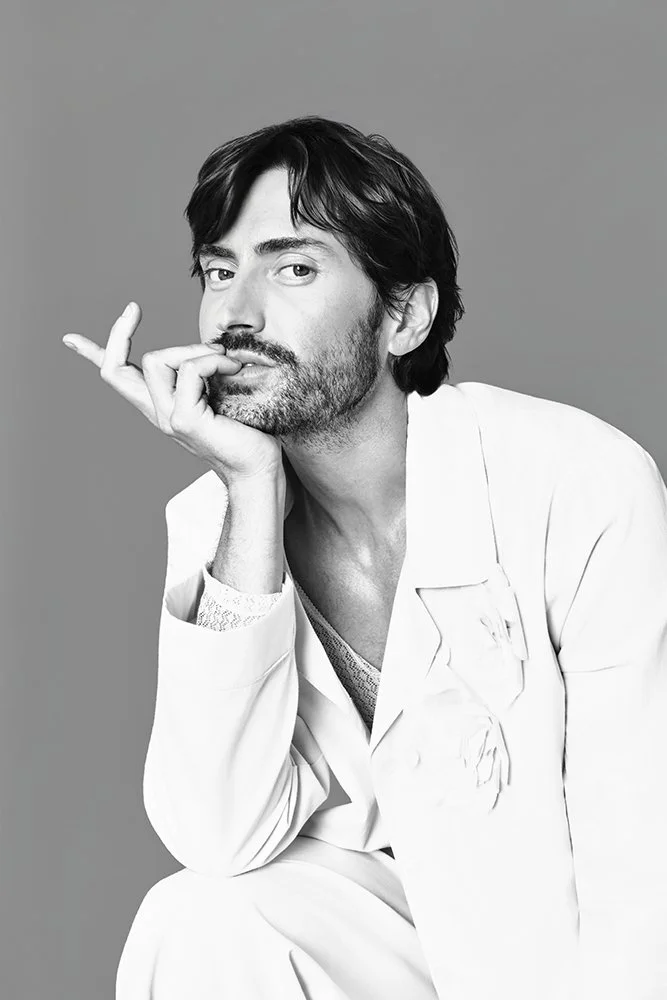
ANA TUAZON PARSONS ON COMEDY, COMMUNITY, AND CULTURAL MEMORY
INTERVIEW BY IRVIN RIVERA

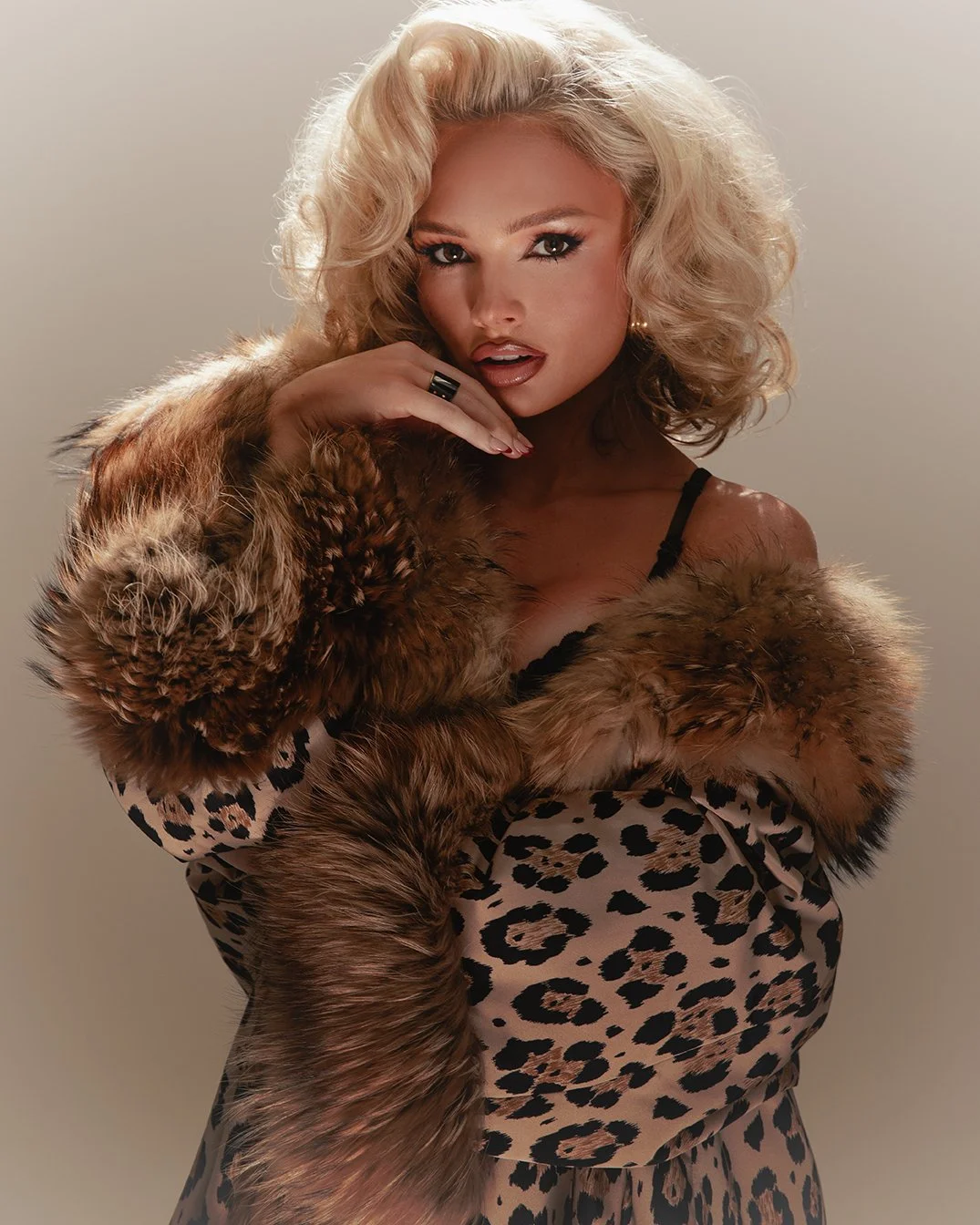
ANA TUAZON PARSONS carries her history like a well-worn survival manual, its pages stained with grief, seasoned with pancit and adobo, and annotated in the margins with jokes sharp enough to cut through silence. Born prematurely in Olongapo and brought to America at two, she grew from a three-pound miracle child into an actor, comic, writer, producer, and “professional truth-teller” who transforms the ache of displacement into rooms where others can finally feel at home. Her work moves confidently between character and confession, from playing Betty opposite Manuel Garcia-Rulfo in Netflix’s The Lincoln Lawyer, the David E. Kelley-created legal drama featuring Neve Campbell, Becki Newton, Jazz Raycole, and Angus Sampson, to producing the all-AAPI comedy series Jokes with JoySauce and writing Pancit, a deeply personal meditation on food, memory, and the mother she could reach when words were no longer enough.
What makes Parsons compelling is not simply that she survived the rooms that failed to recognize her, but that she began constructing better ones next door, complete with queer and trans voices, radical honesty, lavender lighting, and backstage snacks that taste like home. She understands that comedy can expose a wound or disguise it, that ambition without responsibility is merely applause, and that being seen is different from being truly understood. Beneath the wit is a woman still writing the field guide she was never given, one built from resilience, community, cultural memory, and the women who “bet everything” on her. As Parsons puts it, “Nobody gave me this manual, so I’m writing it as I go. And the more of us writing it, the less anyone has to wing it alone.”
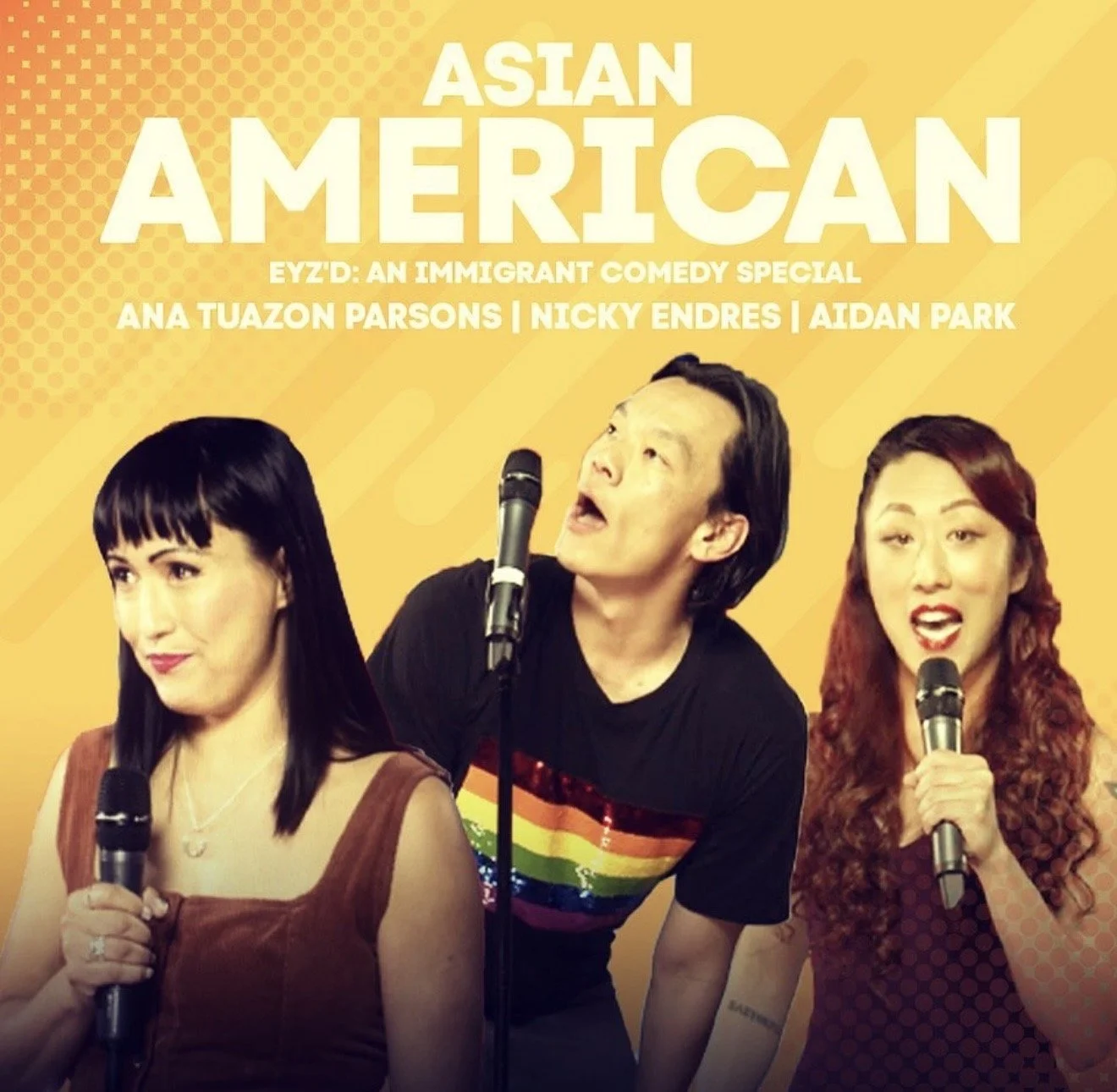
ASIAN AMERICAN EYZ_D PROMO
Ana, being born in Olongapo, Philippines, and eventually becoming an actor, comic, writer, and professional truth-teller, feels like the universe gave you a dramatic pilot episode. How did your origins shape the way you see absurdity, family, identity, and the very Filipino talent of laughing through almost anything?
I love the idea of my origins being the blueprint for a pilot (drama), but I would def say it also had a hint of YA magic interspersed with Filipina folklore, American teen dream coming-of-age comedy with a snippet of underdog "we didn't think you could do it" ending (that continues to unfold as we speak).
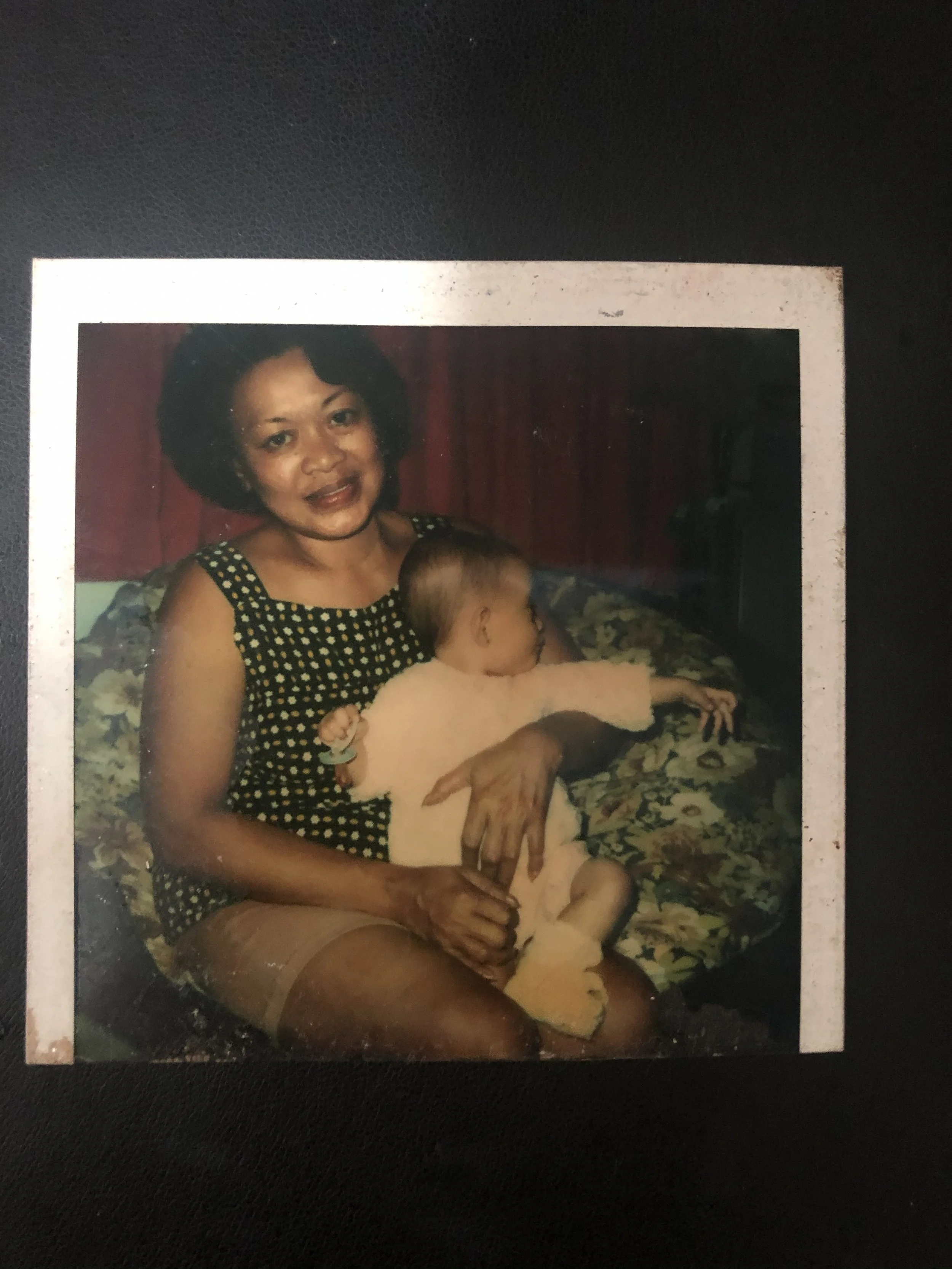
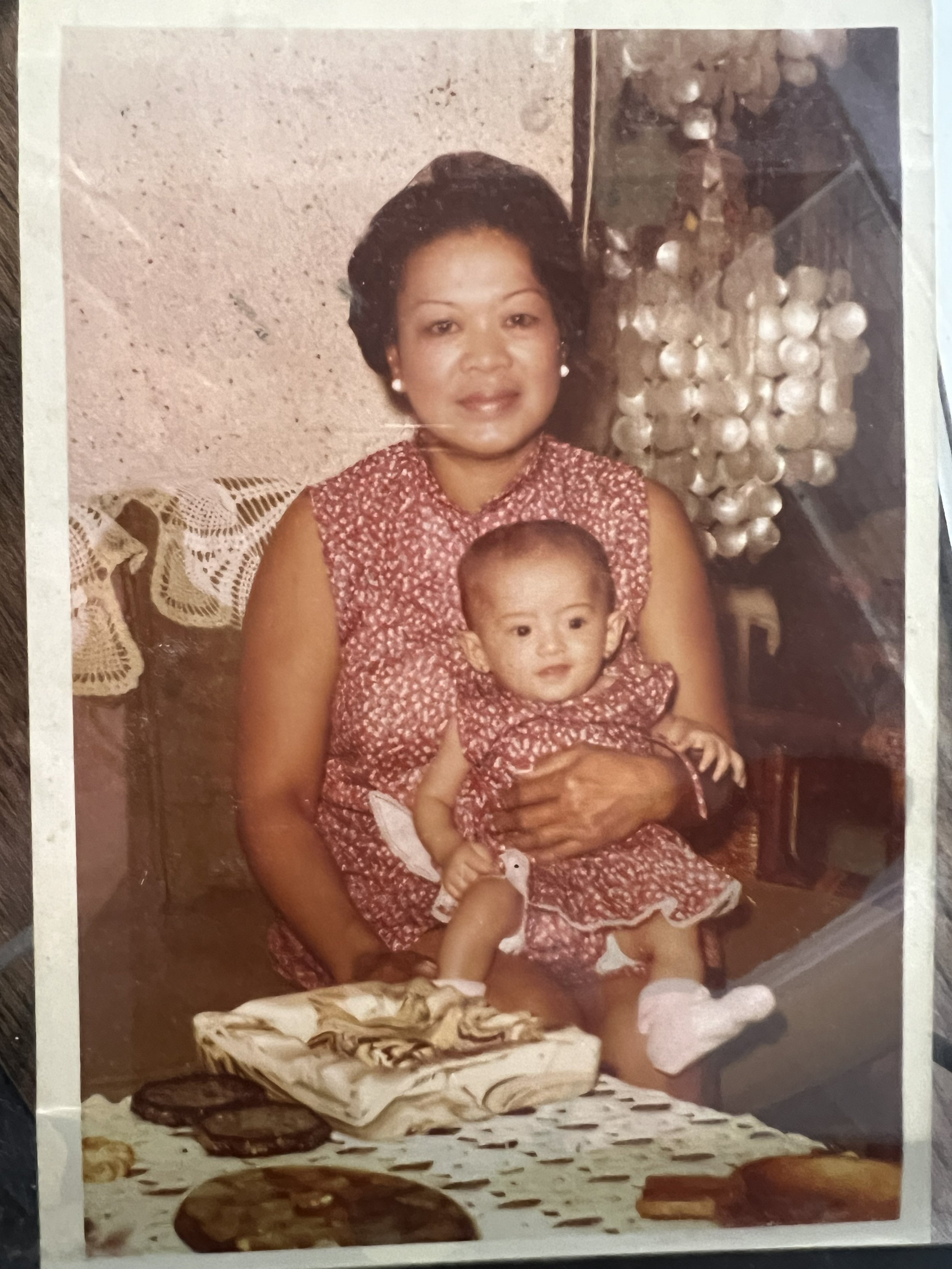
My origins didn't just shape my career and life — they are the blueprint. I was brought here at two from the Philippines, and the way my family tells it I was a miracle child — born premature at 3 pounds 3 oz, my Mom Lou blindsided by the whole thing (she didn't know she was pregnant), and after a visit to the local witch doctor, I came out fighting. Still am.
Everything about how I got here is its own act. Lou paid someone to bring me over the unofficial way because she wanted more for me than she had. She didn't get to stick around for it — she passed when I was seven from a brain aneurysm. Her sister, my Aunt Annie, and my Uncle Ron raised me the rest of the way, from Jersey to Goleta. The long version's in my special Asian American Eyz’d, An Immigrant Comedy Special, but the short version is: I was loved into this country by women who bet everything on me. And landing with Annie and Ron? That's the stuff Disney dreams are made of — without hesitation, I had love, safety, and a new home.
As an actor, I strive to be a storyteller who reflects and embodies the human experience. As a writer, I create the narratives I believe need to be told and so often aren't — many of them rooted in the Filipino American experience. As a comic, the laughs I chase lead to vulnerability, and that's what lets an audience open up. That's what led me to producing work like my show Jokes with JoySauce, building platforms with all-AAPI casts, and creating the kinds of worlds I believe we need to see more of. The origins of my beginning gave me the eyes through which I see the world – absurd, ironic, Fil-Am, and then some.


Your story moves through the Philippines, New Jersey, Santa Barbara, grief, Catholic guilt, and the strange loneliness of trying to belong in rooms that were not built with you in mind. How did those early chapters teach you the difference between being seen, being accepted, and being truly understood?
Growing up, I was one walking identity crisis. Assimilation was Annie's safe word, so I didn't understand who I was or what it meant to truly be me until much later in life.
But the one thing I didn't know - for the longest time - is how much of myself I was missing without even knowing I was missing anything. I'd been acting for ages — theater school/college, every acting class you can name in Los Angeles (I am telling you every, single, one. I was in it for so many years that, in order to cure the boredom, I'd jaunt off back to NY to get my fix of Suzuki training #theatrenerdalert). One fated day I entered BGB Studio (class taught by the incomparable Steven Braun) and stepped up to do a Meisner repetition with Tobit Raphael (soon to be my brother from another mother + future collaborator). I realized very soon why I was drawn to this actor, to come up and do work with him. He was a fellow Pinoy.
This was the first time in my entire acting life I'd ever been in a class with another Filipino actor/artist / creative. I was shook. Fucking shook. Crying. Connecting. Seen.
I'd never had the cultural mirror. I'd been telling stories without the community that could fully understand the stories I most needed to tell.
We saw each other in a way that had never happened in any other class before. There are layers I think of one's ability to fathom, to understand, to accept, to truly be seen. Chapter One taught me I didn't know who the hell I was, Chapter Two I searched for it, Chapter Three found it (and am still finding it), and Chapter Four knowing I am not alone.
You trained at Circle in the Square and worked in theater before moving into screen work and stand-up. How did that classical-stage foundation prepare you for a career where you now have to be an actor, writer, comic, producer, director, and sometimes even your own permission slip?
Circle changed my life. It was the building block, the foundation – and New York City baby! Nothin' like it. I was so, SO, lucky — I got to see the greatest of the greats on stage. I used the hell out of my college ID for those cheap theatre seats daily. New York was my stomping ground and my training ground as an artist.
Circle was the bedrock, the soil of my artistry — Shakespeare, iambic pentameter, the playwrights, the canon. All the foundational things.
But the classical stage foundation did not prepare me for a career (does a theatre degree, really?). In school, you get to do the work. Your job is exploration, play. A career – that, as an actor, is working on getting actual jobs. Your daily life is a 24/7 interview — interview after interview after interview.
I didn't study writing in school. I didn't study comedy in school (a semester in mime maybe counts), but what a classical foundation lacked, I soon discovered the life of a (trying to be a working) NY actor gave me: grueling tenacity, resilience, determination.
That classical foundation also gave me the gift of discipline. Without that, the tenacity, determination, and drive would all just be moot.


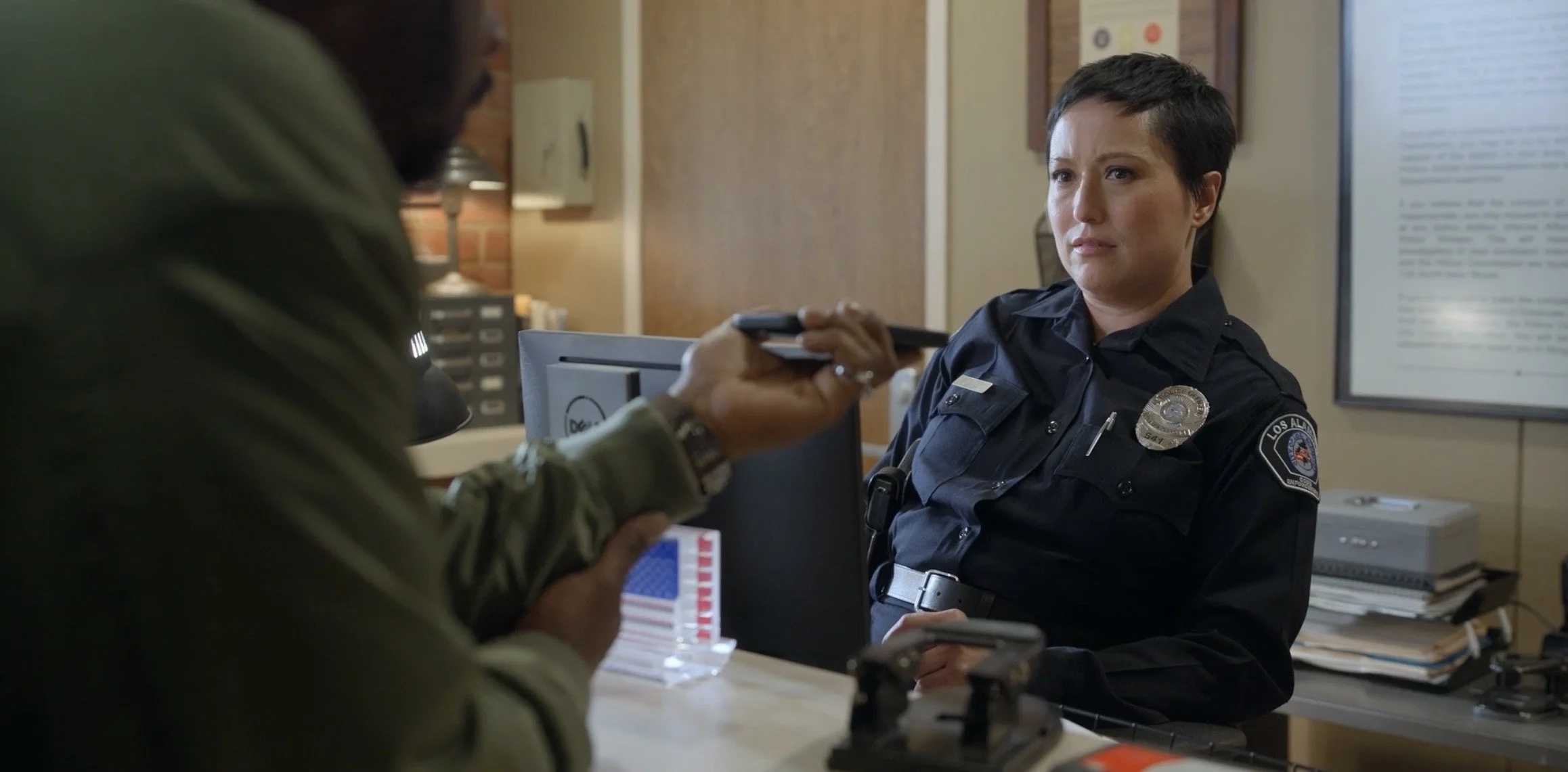
In The Lincoln Lawyer, you step into a world of precision, law, performance, and people trying to control the story. When you played Betty, how did the discipline of that set differ from stand-up, where the story, the rhythm, and the verdict are happening live in the room?
Being on set and being on stage doing stand-up are completely different animals. I joke — but I truly believe — that once you've eaten shit on stage, where you've sat there for seven minutes with zero laughs and completely bombed, you can do anything after that. Anything. And I've had so many people tell me that stand-up seems like the most terrifying thing to them.
Living the life of Betty on The Lincoln Lawyer was so much fun — actually getting to do the work. (Tangent alert! Police uniforms are so heavy! How do people run in them? I was sitting and I was sweating!) I got to do all the things to build a world and stay inside the story (thank you to my incredible acting coaches I love you so hard). Betty listens to Elton John, so all morning I'm jamming to Elton. I had my Betty mug. I had my Betty thoughts. All that super fun actor stuff.
As a comic, I work towards being the most authentic version of myself. Sans acting (there is an element to my work as a comic that leans into storytelling – act outs) but ultimately it's a dive into the deepest, most intuitive part of oneself. You're not layering on character work or backstory. You're stripping it all away. And there is nothing like being on a live stage – like the difference between film and theatre as an actor - totally 2 beasts.
One builds a world around oneself. The other asks you to be the world. Both are the job. Both are a joy.
You have said, in different ways, that you did not want to wait around for someone else to hire you, so you started creating the work yourself. How did you learn the difference between building a door for yourself and building a whole room where other people can enter, too?
The first time it really clicked — when I knew I was building something bigger than just a door for myself — was when I wrote my first stand-up special with two other AAPI comics I met at BGB Studio. I was sitting next to Nicky Endres in class: we'd been working on scenes together, on and off. One morning in my daily meditation (yeah yeah supes cheesy, awfully contrite, and so goddamn LA but for real guys it's what happened), the idea just came to me. We should write and produce an immigrant comedy special. She had just started doing comedy. Aidan Park had gotten us both started in comedy, so what the hell were we waiting for?
With BGB's support (and not gonna lie, my Dad's help - this was a guerrilla, non-network-backed project and everything takes a little money) we filmed it, I hustled and nailed down a distribution deal through Desktop Entertainment. It's now on Amazon, Tubi, and now on Fuse TV (thank you - meditation and Dad).
Building the room is more interesting / empowering / fulfilling to me than just building a door for myself – because, as a human being, you literally cannot survive without community.
With Jokes with JoySauce, you are not just telling jokes. You are creating a pipeline, a stage, and a cultural container for Asian American comedians. How do you decide what makes a comedy space feel genuinely safe without sanitizing it?
Jokes with JoySauce — I'm so freaking proud of this show.
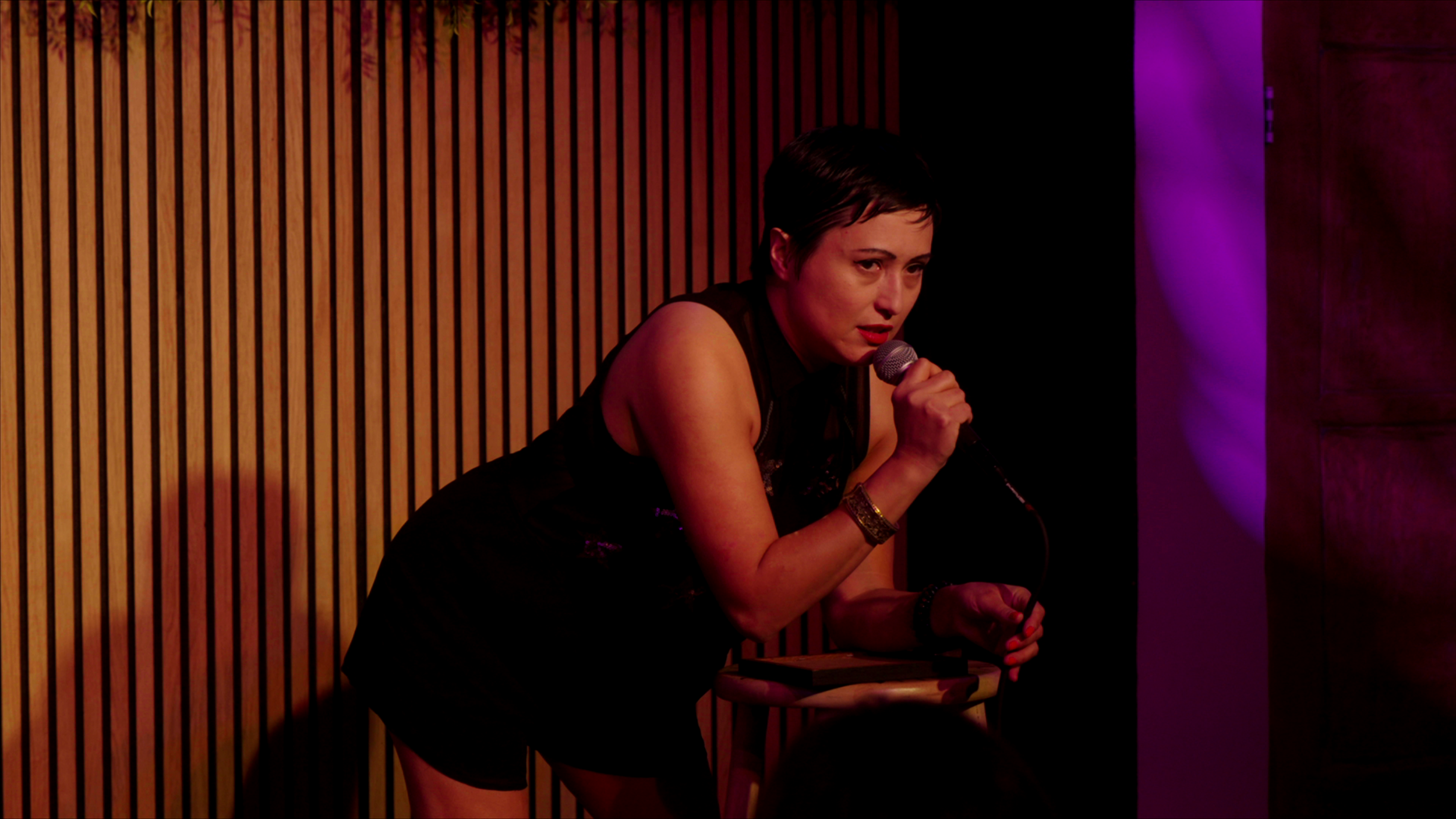
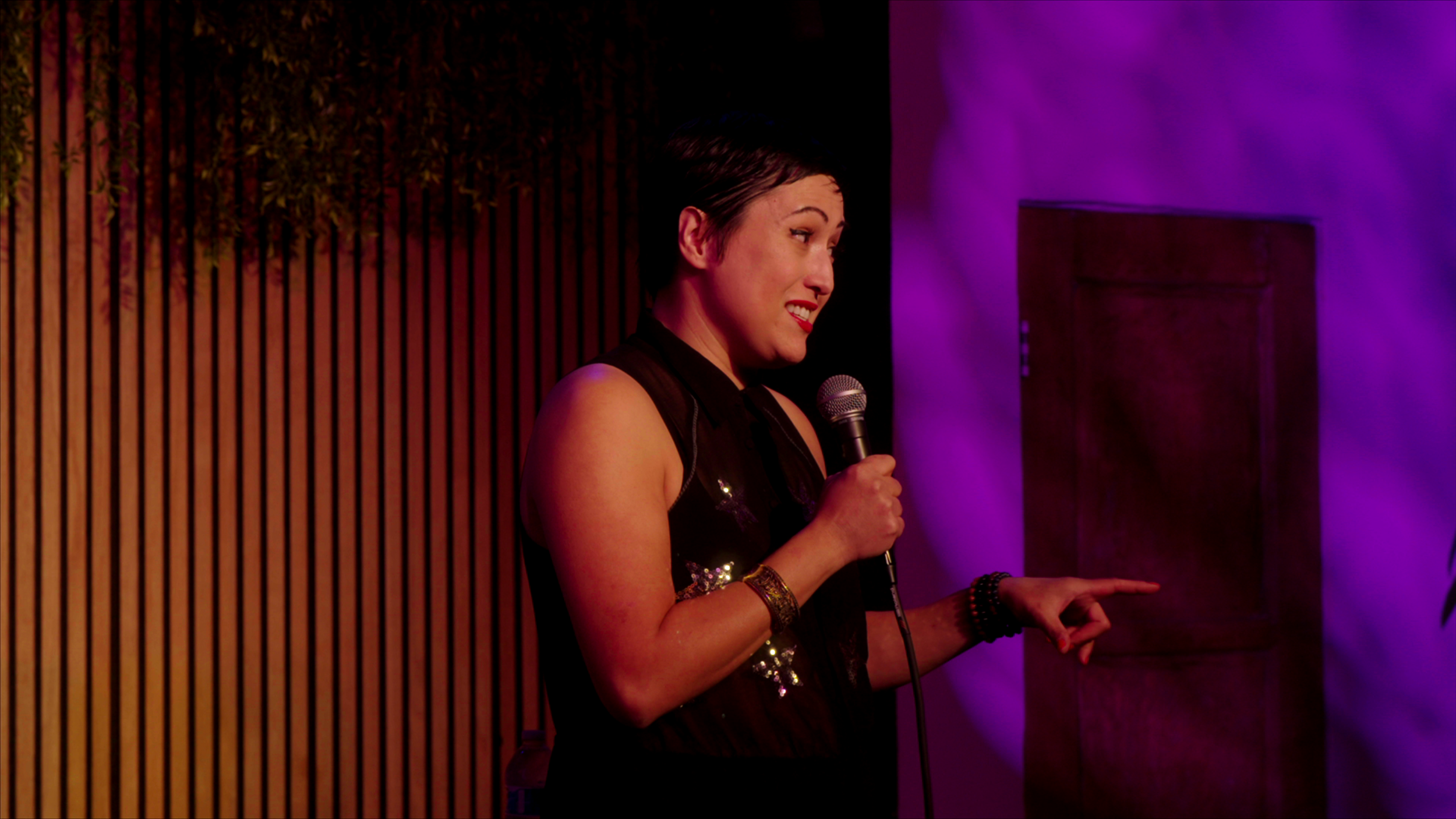
Chelsea Lin and I started on this joyride, and the ride is still going, baby. My team then grew from there: Diego Rubio hopped on as my DP and visually made this thing what it is – a vision lavender (it is truly in the details, my friends). Tobit (Raphael) came on board as my first AD, and together we curated the comics and had in-depth getting-to-know-you conversations (because the last thing you need is a jerk on set, someone with an ego, or someone who just plain straight-up sucks). We wanted to start the show with candid conversations together, connecting about everything: comedy, family, rejection, sex, you name it. I called it The Moth meets Conversations in Cars with comedians, AAPI style.
One of our comedians, Ali Malik — the first thing he pokes fun at is the audience's clearly questionable visage at his attendance/performance there as a comic – he's Pakistani and not the usual visual of your Asian comedian. He quips, "I know why you're looking at me like – why is this guy here? Guys, I'm southside!" It's hysterical. And that's exactly the spirit I wanted: give me who you are, show me your truth, and then some. And I think we are just over the Asian in a box, man. We are over the model minority – sanitation wasn't even on my descriptor when making this thing.
One of my favorite things about the show — and I keep talking about this because it meant so much to me — was making sure craft services backstage had snacks from home - AAPI all day. My dear friend Rainbow Dickerson made the dream come true and scoured every Asian market, got every Asian snack she could find. The comics' heads exploded - the looks on their faces. These are the kinds of worlds I want to keep creating as a showrunner, writer, and producer.
The other thing that was non-negotiable for me this season was making sure we had a wide range of LGBTQ, Queer, and Trans comics in the lineup. Because I want to reflect the actual complexity of who we are.
That's how you build a space that feels safe without feeling sanitized. You make room for every version of the truth, and you bring people their snacks.
A lot of your work turns painful inheritance into something people can laugh with, not laugh at. How do you know when a joke is transforming trauma into power, and when it risks packaging pain too neatly for an audience?
You know it's one of those things as an artist, writer, or comic - you figure that out as you work on material. Like, there is this joke. I feel like when I first started writing and doing comedy, it was one I wrote. It was the classic "Filipino / Asian eats a dog joke" joke (*note this joke is so retired… and I think I did it once), and I only realized later how problematic it is/was. I mean, yeah, like - tropes are funny. Tropes are palatable; tropes make white people LOL in the Midwest, but tropes when we are trying to make people laugh at others' cultural experiences. Funnily enough, I've seen several other AAPI comics who have also done the Asian eat dog joke (and yeah – often it kills), but like this to me is just the cleanest example of the wrong side of that line. Because here's the thing — that joke kills. It works. But who's laughing, and at what? They're not laughing with me. They're laughing at a cartoon of my people that they already had in their heads before I walked onstage, and I just handed it back to them, gift-wrapped. That's not power. That's me doing the dirty work of my own stereotype and calling it a bit. It's where the laugh is coming from. Is it recognition — something true and specific and mine? Or is it confirmation — me telling people exactly what they expected so they get that little hit of being right about us? The first one is power. The second one is just packaging.
You have been connected to work supporting women, children, immigrant rights, anti-trafficking efforts, and AAPI visibility. How has activism changed your definition of ambition, especially in an industry that often rewards visibility before it rewards responsibility?
Well, it's certainly changed my priorities. As a young theatre student, acting was LIFE. Acting was the sole purpose of getting up in the morning. And doing good work was my Everest. I am so thankful for activism because it's provided me with a lens that I didn't see or have when I first started out – what's important both in life and what's important to me as a storyteller. I've recalibrated my priorities, I suppose. It's honed in my purpose – and that purpose is the reward in itself.
Your project Pancit points to food, grief, memory, and the way a dish can become a map back to someone you lost. How does food let you speak to your mother, your childhood, and your Filipino identity in a way that English sometimes cannot?
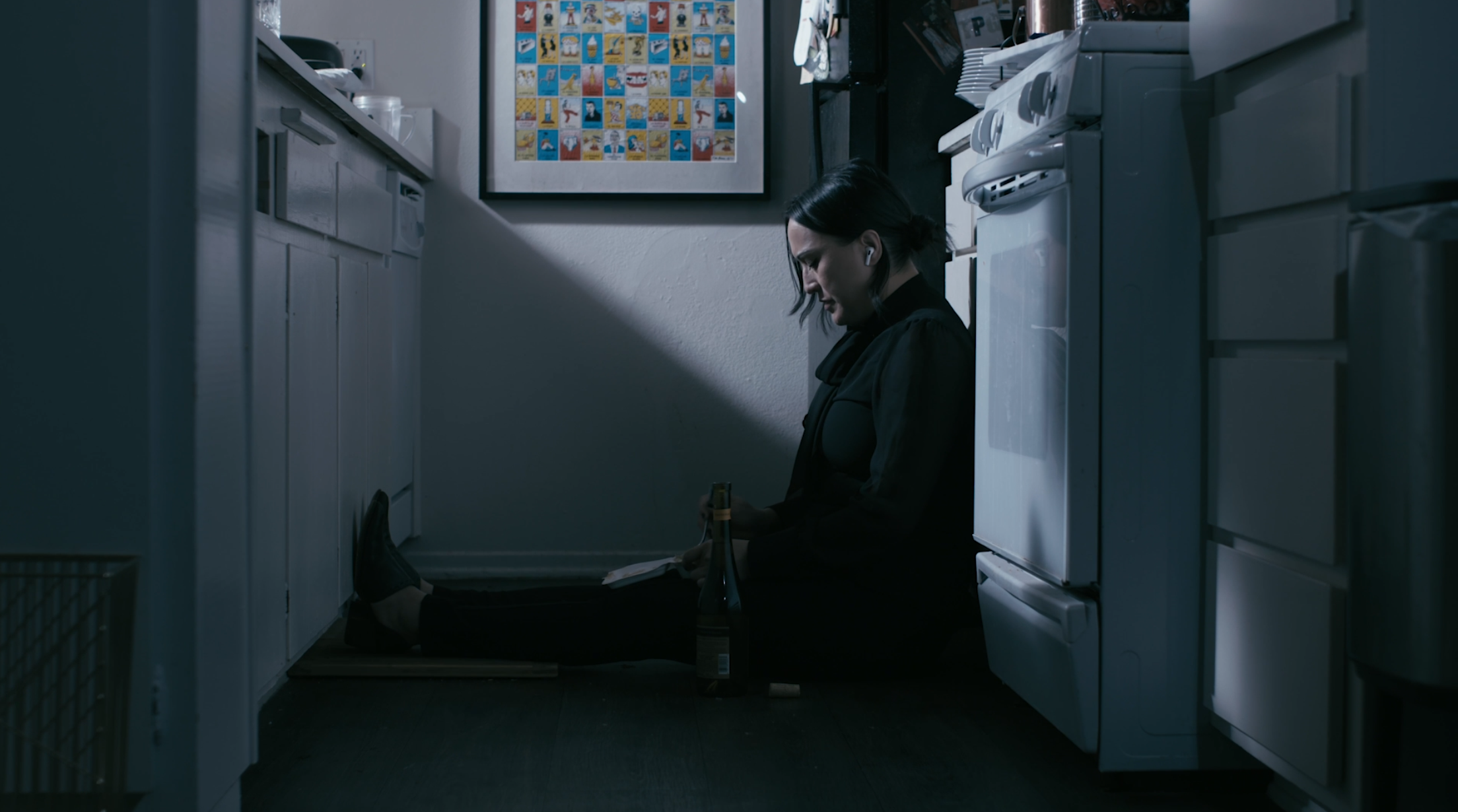
I wrote Pancit during the pandemic. My mom was in an assisted living facility during part of COVID, and it was every grief story you'd read about being separated from a loved one — we couldn't see her, we had to talk to her through a window. It was awful.
She had late-stage dementia by then, and at one point during that time, she stopped eating. She just refused. She almost couldn't remember how to eat, or wouldn't (and the food at the facility was shit). It went on for days, and I began to panic. If she didn't eat soon… (ellipsis, ellipsis)
I ran through the grocery store aisles, grabbing every ingredient I could for chicken adobo (The film was called Pancit – her fav dish – but adobo was what she was able to eat at the time). I made it like a mad woman and brought it back to the facility, and they gave it to her. I stood outside watching through the window.
She opened her eyes. And she started eating.
The familiarity. The smell, the taste, the texture of home and childhood. It brought her back to life, literally and figuratively.
There is something so powerful about food. How culture and story exist inside a dish, how love and memory can be carried in the things we cook. She passed last year, and the beautiful thing is her memory, our family's memory, can be a remembrance in a Wednesday dinner making of bangus. Or when I see pork rinds, I think of her. And I can still honor her with a making of pancit.

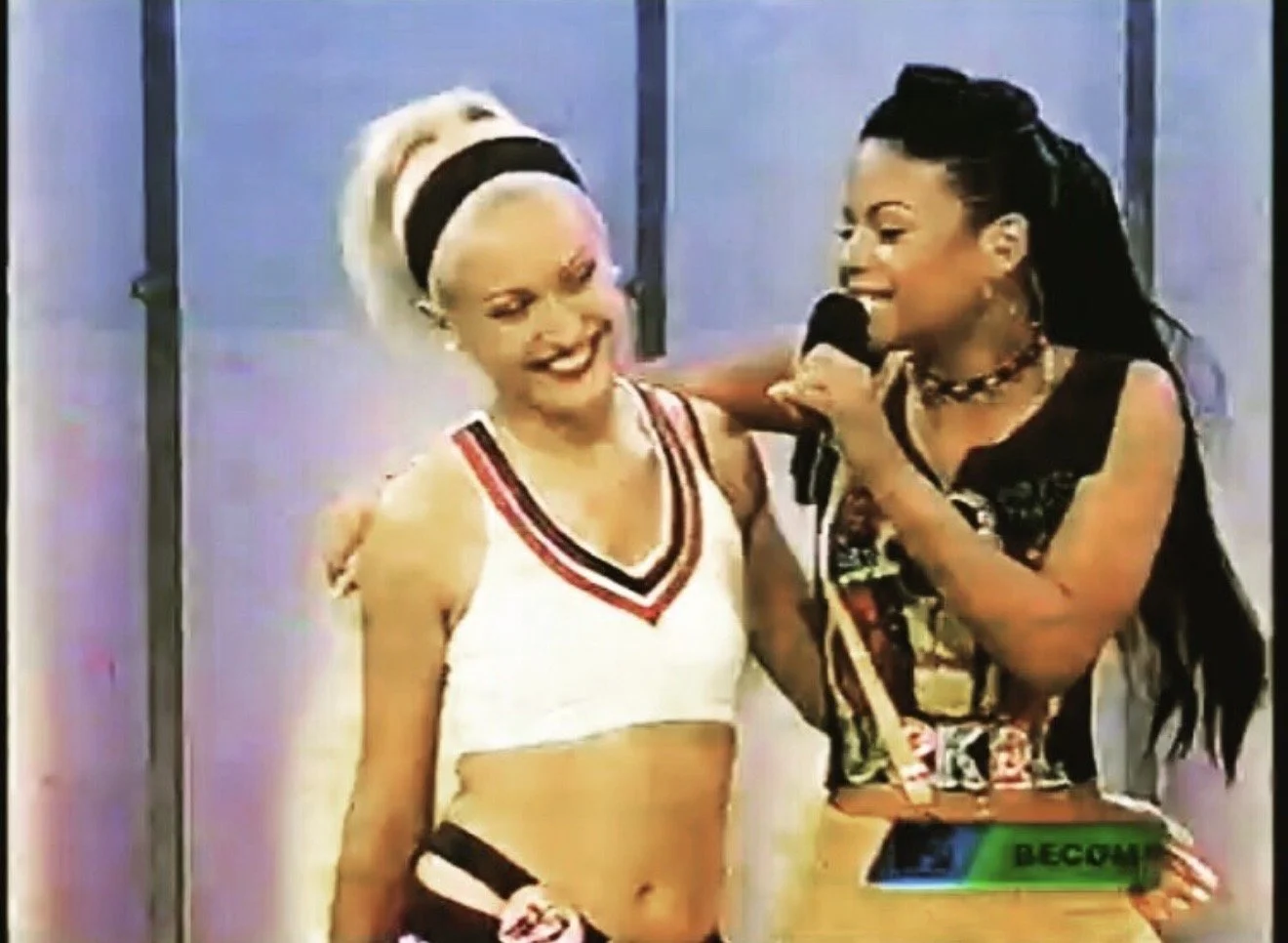
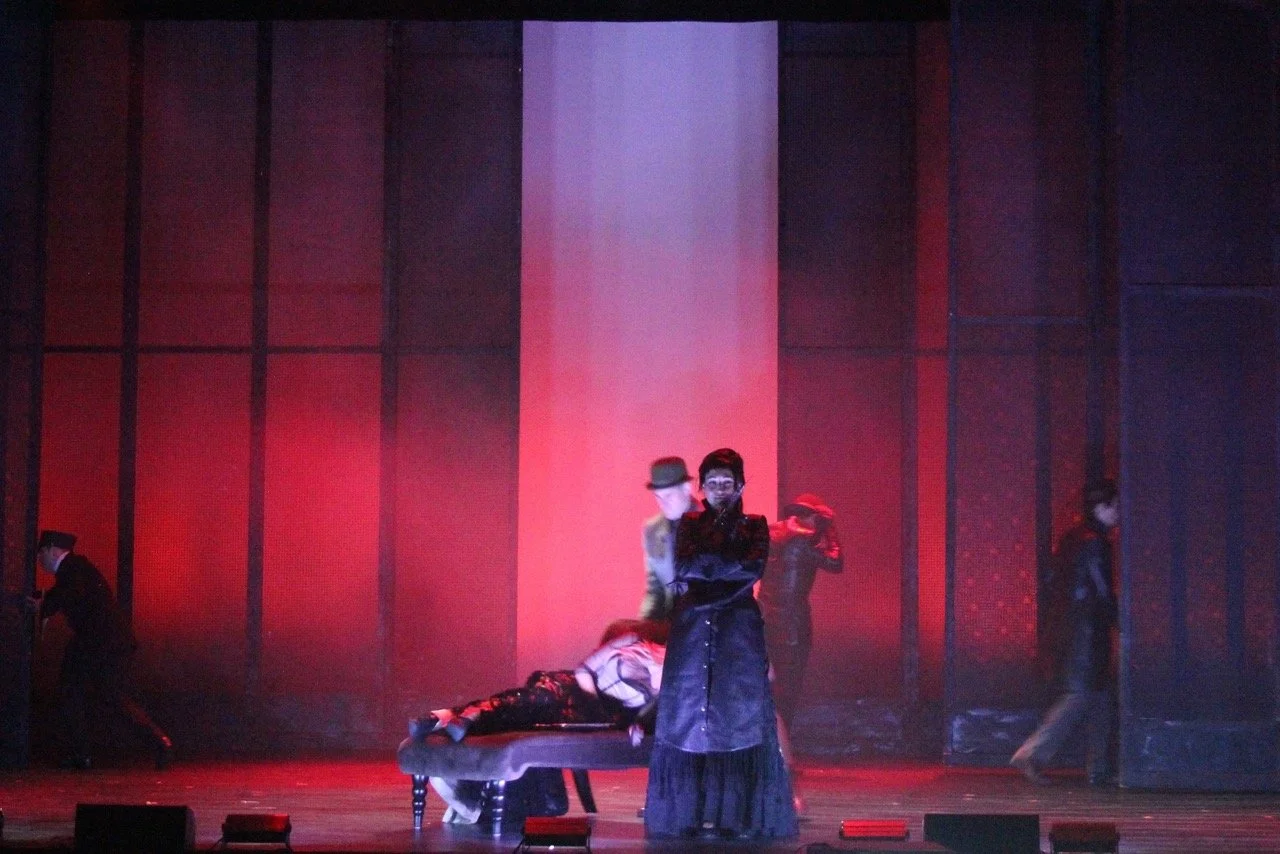
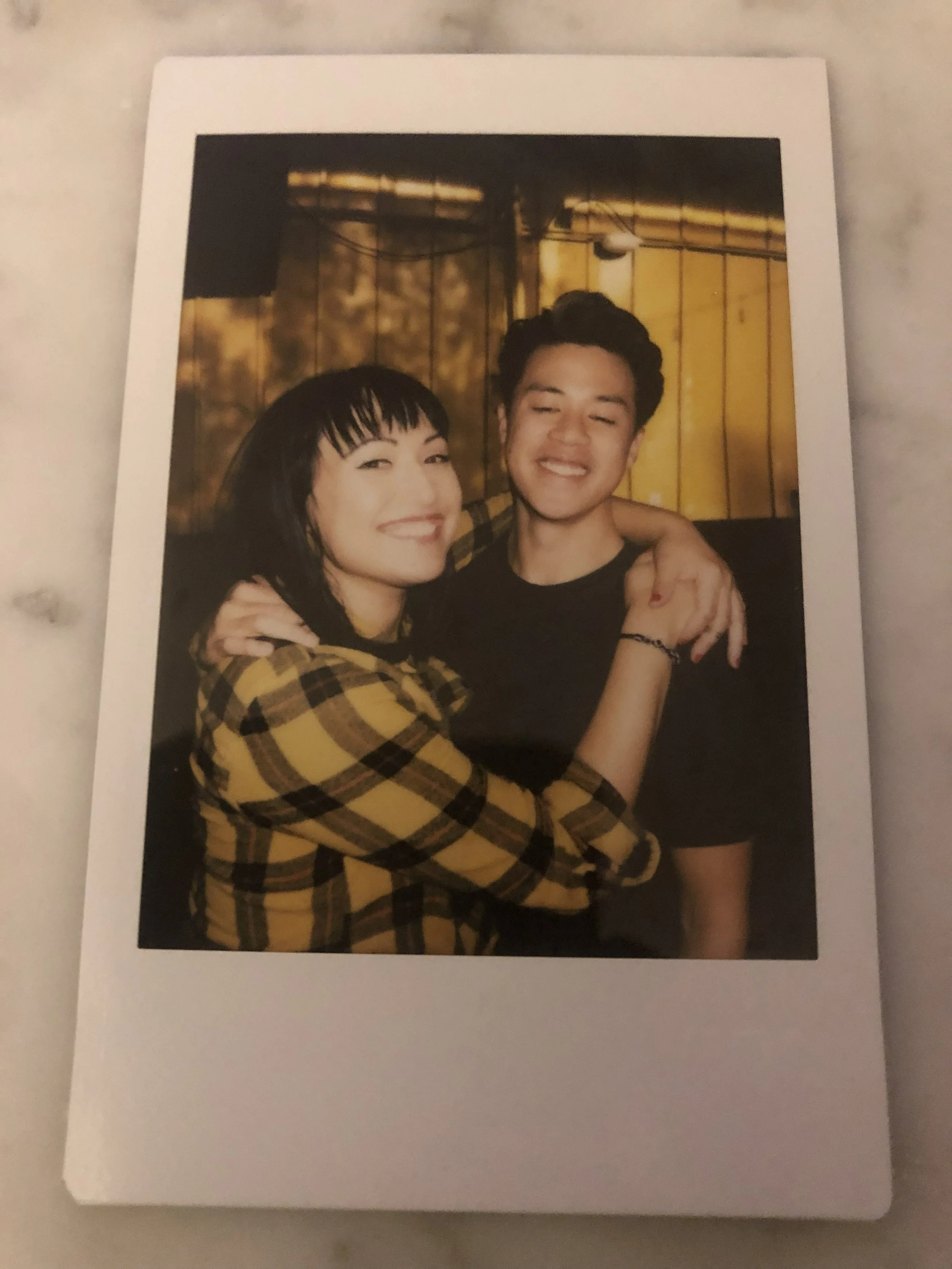
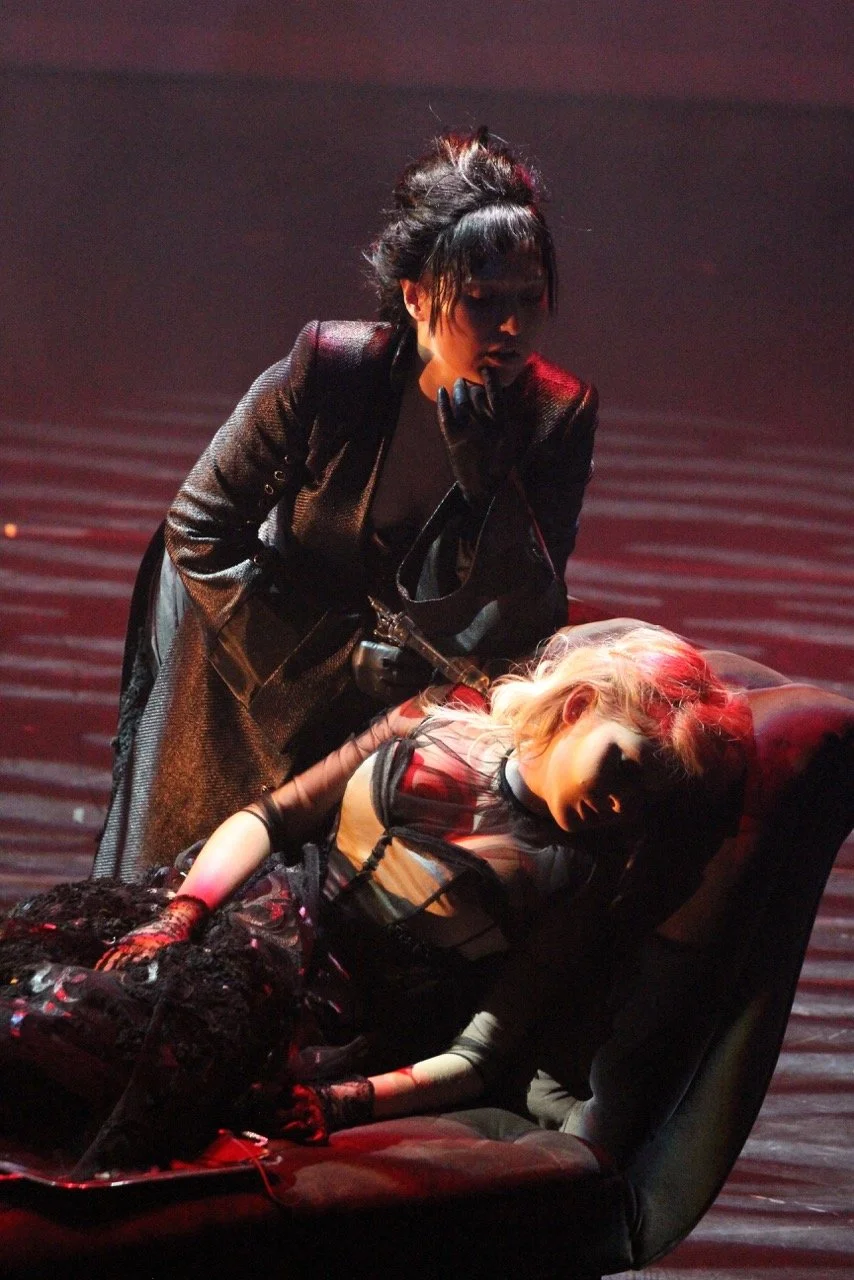
Lastly, if you were a book, what book would you be and why? I'd be the survival manual nobody handed me — the field guide to being a Filipina - Hapa - Mestiza - American woman in Hollywood.
With chapters like What to Pack (resilience, a rice cooker, determination) and Phrases to Know ("Mahal kita," "pu tung," "I'm passing on this audition," "always check the parking signs by 200 South La Brea"). Places They Won't Let You In (and how to build your own room next door). Snacks to Bring Backstage (Resilience in Tupperware, Unshakeable and tasty Radical Optimism in ziplocs, lots of H2O) and Customs and Traditions (always break a leg!! Never good luck! Honestly way more important than the don't-say-the-Scottish-play rule — because how often are you really saying the Scottish play anyway?). Local Wildlife (the gatekeepers, the allies, the ones who say "I see you" and mean it and cheer you on — ahem, my incredible, patient husband, Sephton, whose unwavering faith in me and my work is one of the reasons I’ve remained sane on this journey — then on the opposite side of the spectrum, the ass kissers, the ladder climbers, and the people who are just not your people).
Nobody gave me this manual, so I'm writing it as I go. And the more of us writing it, the less anyone has to wing it alone.