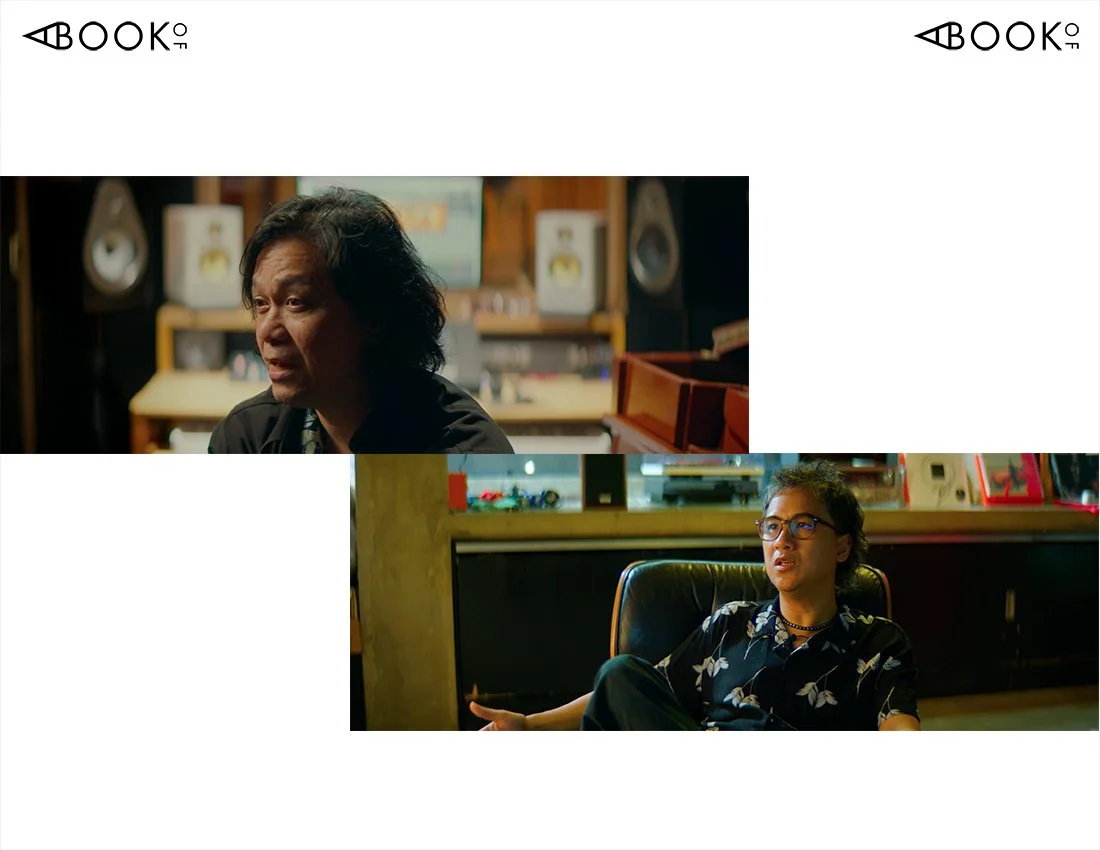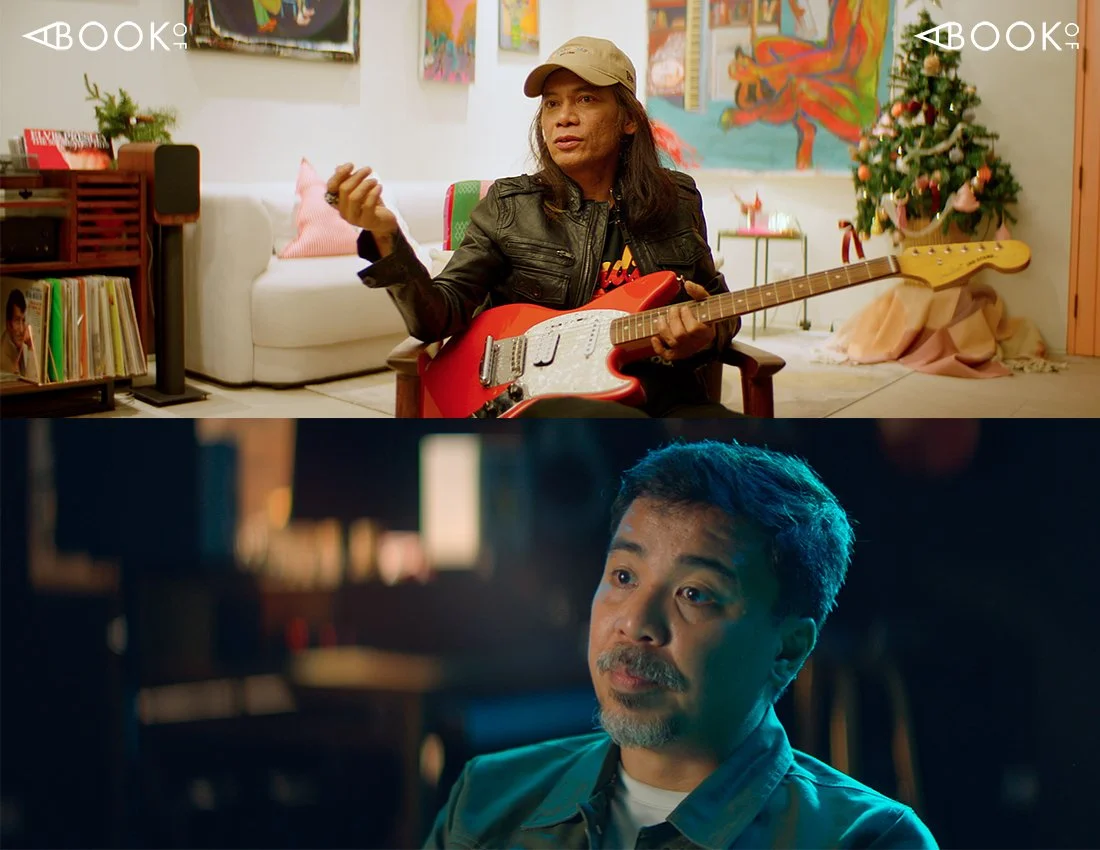
ELY BUENDIA AND DIANE VENTURA ON THE MUSIC, MEMORY, AND MYTH OF ERASERHEADS
INTERVIEW BY IRVIN RIVERA
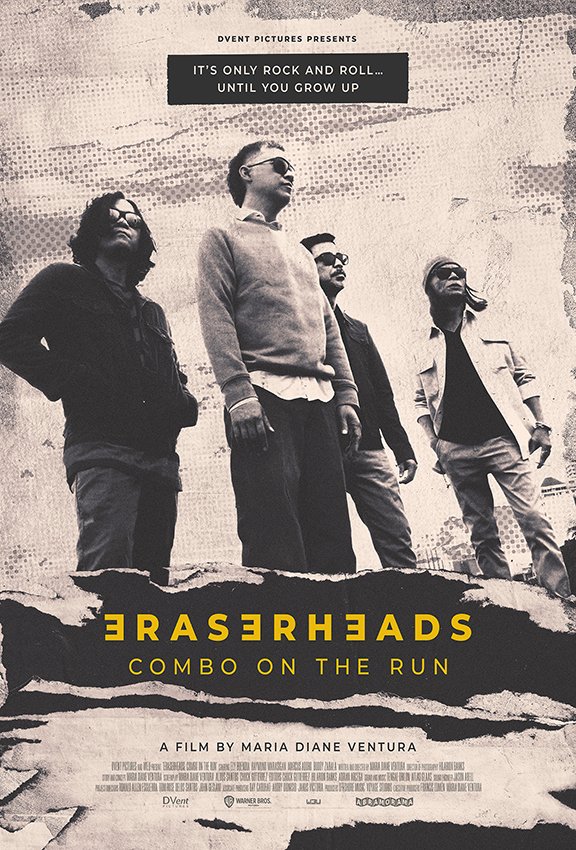
ERASERHEADS: COMBO ON THE RUN does not simply retell the rise, rupture, and return of Ely Buendia, Raymund Marasigan, Buddy Zabala, and Marcus Adoro. Directed by Diane Ventura, the documentary finds Ely and the band inside a story bigger than nostalgia, where music becomes memory, friendship becomes archaeology, and a generation hears its own youth playing back with a little more ache and a lot more honesty.
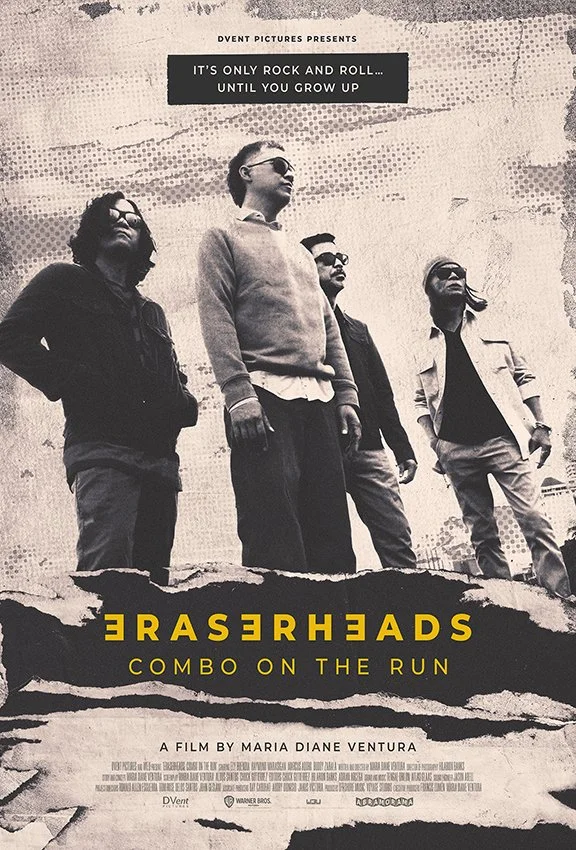
COURTESY OF DVENTERTAINMENT
In conversation, Ely Buendia and Diane Ventura pull at the film’s most human threads: fame that arrives too fast, silence that stretches too long, and the strange grace of finding your way back to people who once knew you through song better than conversation. Ventura speaks of repression, vulnerability, and the quiet damage of things left unsaid, while Buendia looks back with the hard-won clarity of someone who survived the myth and returned to the music, admitting, “we came back and patched things up for the fans and for ourselves.” Read the full conversation and delve deeper into the story behind the songs, the silence, and the reunion that brought one of the Philippines’ most beloved bands back into focus.
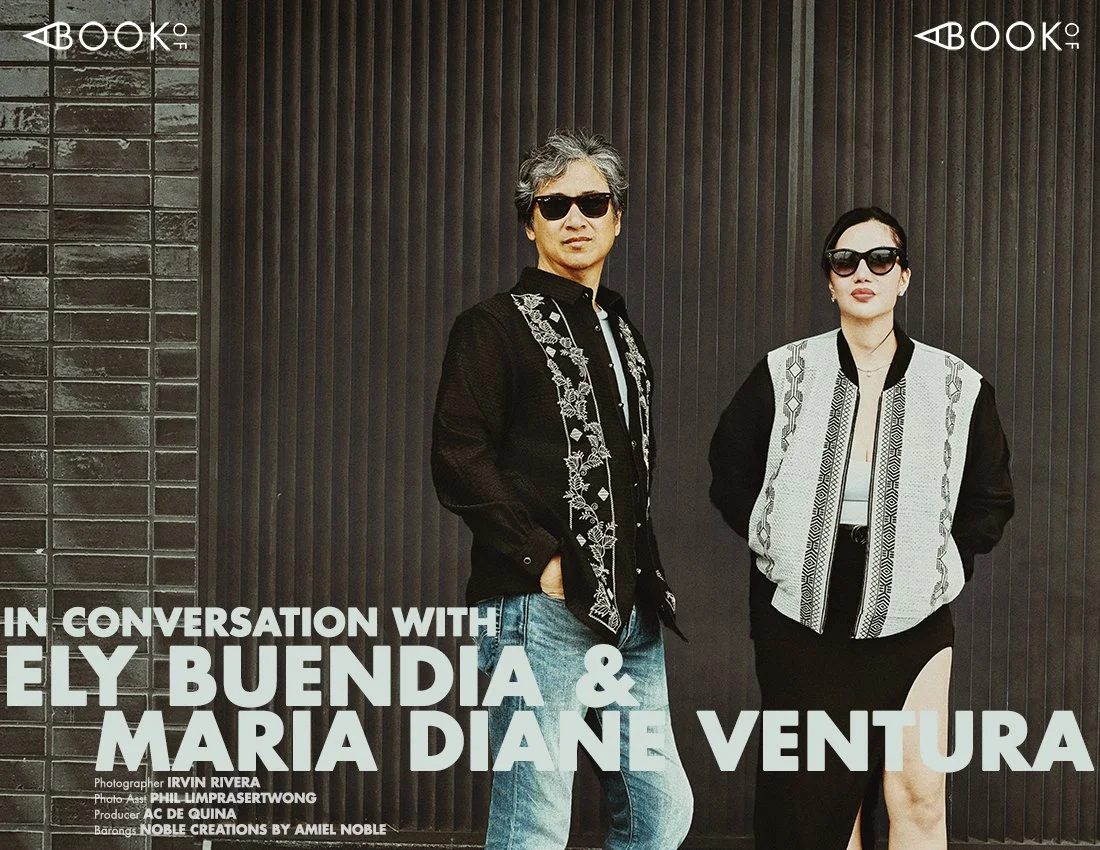
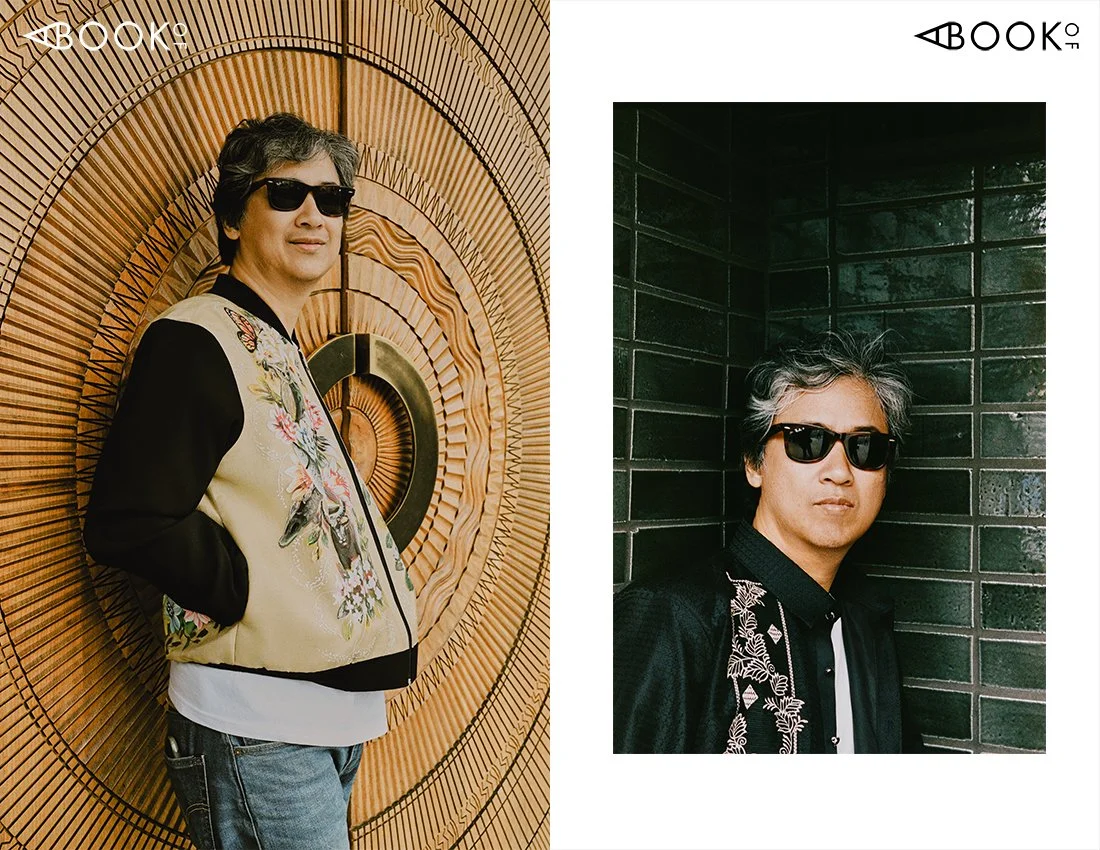
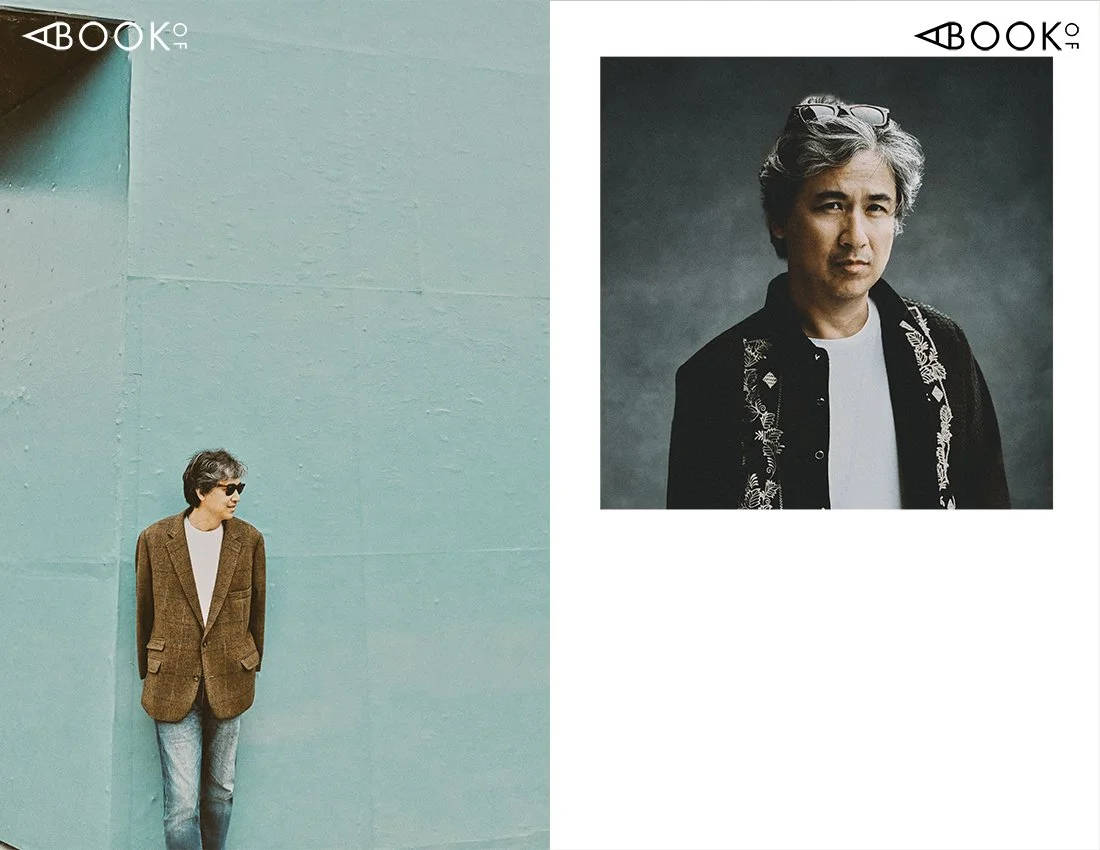
PHOTOGRAPHER: IRVIN RIVERA, PHOTO ASST: PHIL LIMPRASERTWONG, PRODUCER: AC DE QUINA, BARONGS: NOBLE CREATIONS BY AMIEL NOBLE
Okay, for both of you: When you look back at where each of you came from, whether that is hometown, upbringing, or the first communities that shaped you, what part of that early life still quietly shows up in the way you tell stories, make art, and understand people?
Ely:
I think we are all informed by our past experiences, especially our formative years, growing up. Like everyone else, I think part of why I do what I do and how I create my art comes from my experiences growing up. You can see that in my lyrics, and I often reference the music I grew up listening to. It's definitely there.
Diane:
Okay, for me personally, I’ll try to go deeper. I grew up in a complex environment—conservative, religious, and chaotic, because there were 11 of us. That period was marked by a lot of chaos, repression, and lack of freedom. That contributed to a recurring theme in my films and stories—the need to express myself and to escape something. Yeah, there is a need to say something. I think because the entire environment growing up was so repressive, I feel like now that I actually have that chance to say something, I take it.

Isn't it, isn't it amazing how, as we go through our lives, we get to reclaim that power through our art? With you, with directing, and Ely, with creating your art, like through music and through films as well. So it's great to see that evolution from both of you.
Diane:
Thank you. I think there's this need to express, and we're lucky and blessed to have a platform to say what we want. Especially Ely, because he has that power of influence.
And now speaking of influence, let's talk about Combo on the Run. One of the most moving things about Combo on the Run is that it does not just revisit a legendary band. It asks what time does to friendship, silence, ambition, and memory. How did each of you come to understand that this story was really about more than just music?
Diane:
For me, I think it was very intentional for this film not to just be, you know, about the proverbial clash of egos, because that story has been told 1000 times over. So there needed to be something different for this film. I think that was the approach. As a filmmaker, I traveled through the film circuits, and I've always told Ely: I felt like there was a dearth of representation. For example, through the film circuit, there are a lot of beautiful films told beautifully, but I felt like I was looking for something to identify with, something that resonated with me. So I guess I decided to make a film that I felt would be something out there that could stoke pride amongst our people, you know, amongst the Filipinos, something where we could be proud to identify with. And, of course, the music of this band that defined the generation was, apart from being super influential, captured the zeitgeist of that time.
It's so layered. I love how you presented it. It’s not just one note. After you watch it, it stays with you, and you think about it afterward.
Diane:
Well, thank you for that. That's why sometimes I have a hard time kind of articulating because there were so many elements, and there are so many things that I wanted to say. But yeah, their music (Eraserheads) was able to capture that essence of that time- what we were going through as a country, as a nation, was like, perfectly articulated in their songwriting and their music. And so that captured a memory and an identity. And that was something that I wanted to come through from the film, and that's why I'm really grateful that you were able to catch that because there was an intent to that, Ely. What about you?
Ely:
Well, now that the filming is done and the footage has been edited and shown. I've seen the previous versions, previous drafts, and I can detach myself now. Na, para bang, para bang. It's not me (Like, it’s not me). That's there on screen. And as you said, it has layers. First of all, it's simply a story of a band: how they rose to fame and broke up. But this film includes perspectives that haven't been addressed or shown in any of the Eraserheads documentaries before. And I do appreciate the fact that, first of all, the four band members are able to express themselves honestly for the first time in history, and that our story, the band’s story, has become something bigger than us and more important than the personalities involved. I really appreciate that, because, as Diane said, this isn’t your usual documentary, and the band wouldn’t want that. There are already many films about us, but this is the first time you can see a lot of perspectives—not just the band’s, but also the fans, historians, friends, and co-workers. It’s a very well-rounded film, and as an audience member, I appreciate that.
You know, I really love that you have historians in there, and it adds depth and richness to the film itself. Because it just, I don't know, the way you just juxtapose everything, it just works. Now, Eraserheads has always meant something deeply personal to people, but it also belongs to a larger cultural memory. How Do You both make sense of the way music can attach itself to first loves, long drives, heartbreaks, barkada (tight friend group) years, family histories, and even parts of ourselves we thought we had already outgrown?
Ely:
I don't know. I mean, a songwriter, or any writer, writes about his own experiences and his own life. And the beauty of the Eraserheads affecting so many people is that we have, we have a shared, you know, history, because we grew up in the same era, and we are affected by our surroundings, our environment, the same way I was affected and everybody else was affected, and that's what we sang about. So I guess that's what made us, as they say, more relatable than other bands.
Diane:
I think Ely has articulated that perfectly- him talking about his personal experiences amidst a collective experience. I think the fact that everyone was going through the same thing, and he was very much talking about that vulnerability in his songwriting, allowing us to tap into that, you know, the depth of his personal experience,
I think we're more connected than we presume. I think he was able to access that part of himself, and that opened up that consciousness or awareness for everyone else going through that period. Collectively, it also made them aware that hey, I'm going through the same thing.
Yeah, that's really one of the best qualities of it, like the beauty of the music itself. Like what you said, we have these collective experiences- it's unique, but also universal in a lot of ways, all the Heartbreaks and and longingness and loss and everything in between. So good.
What struck me in the film is the tension between closeness and distance, between knowing each other deeply and still missing each other in essential ways. How do you think people who have built something meaningful together begin to lose a shared language, and what does it take to find one again?
Ely:
How did we lose that spark of sharing this journey with each other? Again, I feel like it just goes back to human nature. The four of us are very, very distinct personalities. Sometimes, I always say, we don't have any chemistry, because iba iba yung gusto naming gawin (we wanted to do different things). But at the same time, it's what made the band work. Because it's not just one single thing or one single idea all the time. If I were to lead the band and have three members who just say yes to me all the time, it's just my band. Di ba? But the fact that there are four personalities pushing and pulling each other is what made it work- at first.
In the end, that's also what brought the band down. It’s that constant pushing, pulling, and clashing, and then you might say that's when we lost the rapport. Because by the time we started seeing, Oh, we can do anything now. Maybe I can really start doing my own thing that I'm passionate about. And that's what happened with Raymond. That's what happened with Marcus, with Buddy, and me. It finally became something of an "I can do this na lang" on my own, without having to fight for it all the time, and that's how the band grew apart.
And then when you talk about getting it back, I think playing music, just the sheer pleasure of just letting everything go, letting the whole world disappear for an instant by just playing music together, is how we got it back.
Diane:
So that was one of the pressing questions I had while making the film. Like, how could a group of people who grew up together, who shared that same history and those kinds of experiences that nobody really normally experiences together. Like, how could you go through something like that and still fall apart, right? So that was what the film was about- deconstructing that kind of friendship.
Like, how can you get from being like this to that? What happened? And the thing I realized is that the breaking up of any kind of union does not happen from a single event, but from accumulated, unarticulated resentment, especially coming from guys who were part of a generation of repression. And again, that element of repression, that theme of repression, recurs throughout the film.
It was that. It was the breakdown of communication. What I realized from the film was that they were actually more alike than not, and yet they did not communicate. And therefore, the misunderstandings kept piling up, which caused the breakup. And at the same time, I guess, you know, one of the quotes that I love, like, the best quotes from the film came from Ely, of course. He said, “It feels like it's the first time I've known them.” How could you know someone for 30 years and say this, that it's the first time I'm getting to know them?
Their shared language was music. So I guess, as Ely said, music brought them back together, and also that they were able to focus more on their commonalities, like common passions, instead of focusing on their differences.
Also, in many ways, the band's internal situation mirrored what was happening more broadly, with a lot of polarization and a focus on differences. That’s why it felt important to talk about their reconnection and how they found their way back to what brought them together, apart from just understanding what drove them apart.

I just want to highlight what you said about their shared passion and language, which is what brought them together.
Diane:
I think that the maturity and wisdom of the band, apart from just expressing past sentiments, past underarticulated resentments, there was a common, intentional decision to hey, let's just focus on what we're good at and what we have in common, which is their shared language, music.
And I think that language also evolved throughout the years. You see it in the film. The overall narrative, like the evolution of the shared language, is music. And also, the band is evolving as people are.
So it's just so this film feels so specifically Filipino, but also it speaks to something universal about work, pride, burnout, affection, and the complicated ways people return to each other. How did you each approach telling that kind of intimate national story in a way that could still reach Filipinos across the world, and even Filipinos outside that experience? Cuz there are Filipinos that know the band and grew up with them, and there are Filipinos that are just getting to know them, and then we have the Filipinos that are in different parts of the world who are just getting to know Eraserheads at this point.
Diane:
I think, in the same way that their music was able to speak to the people, like, you know, to resonate with the people, because it was distinctly Filipino, I think the film sort of honored that legacy by relating it to what Ely was saying before on how he went personal.
And going personal is what really resonated with the people. So I guess going deep and getting to know them on such an intimate level through this film allowed the audiences to access that part of them and to realize through their music, through their personalities, through their film, they recognize themselves through them, through their vulnerabilities, through their candor, through their honesty, through their music, that their openness in creating music, their openness in their revealing their humanity through this film was just apparent. And it's undeniably Filipino. It's the universal Filipino experience.
Next question for Ely: There is something haunting about the idea that success can arrive at the same time as exhaustion, and that the thing everyone celebrates from the outside may be costing something private on the inside. How do you now understand the relationship between drive, burnout, and the version of yourself that kept going even when rest was probably overdue?
I think you really need a lot of emotional maturity to go through what we did, or any successful artist would go through, and it's all over history. We know many people who burn out early. We know people who couldn't handle success and paid for it dearly, almost with their lives, and some of them with their lives, actually. And no one is ever ready to experience something like fame and sudden fortune, and I do admire people who keep a level head. I can name a few bands I really admire that are still together. On top of my head, Itchyworms, that's a great example. They've been friends since college, high school, even. They're still together, and still very good friends, and I really respect and admire that. And sometimes, I'm jealous. Sometimes I wish my band were like that. You know, I would have liked to have kept the Eraserheads going like Itchyworms, but it wasn't meant to be that way. Because iba yung composition namin (we have a different composition), then as human beings, you know, I, for one, was a very insecure guy during the 90s, and it took all of my, I guess, my will to hang on and not implode or not destroy everyone around me and not destroy myself. So, yeah, it takes a certain kind of person to survive something like that.
Ely, this is for you as well. If the world is ending tomorrow, what are the three things that you want to be remembered by?
One thing nga nga lang ang hirap na eh (One thing is hard enough on itself).
I want to be remembered, of course, by not playing the game, you know? I think I'm very proud of that. Some people will hate me. And, in fact, a lot of people hate me because I did not play the game. And when I say that, I mean, being “showbiz.” I wear my heart on my sleeve every time I walk out the door; what you see is what you get. This is a quote I like: "I'd rather be hated for who I am than loved for who I am not."
Diane:
That's Kurt Cobain
Ely:
So anyway, that's one. Number two is that we open the doors for honest music. And I guess number three: we came back and patched things up for the fans and for ourselves.
Diane:
And that takes courage.

Now, Diane, these questions are for you.
What makes your storytelling so effective is that it reaches emotional depth without ever feeling invasive. How do you build trust in a way that allows people to say the harder truth on their own terms, rather than feeling cornered into confession?
I feel like it was really the nature of the questions themselves. They weren’t intended to be invasive or controversial for the sake of controversy. There was a genuine curiosity behind them, a real desire to understand where these people were coming from, not filtered through the lenses of judgment. And I think that came through, no matter how deep the conversation got.
Apart from that, I think it also mattered that the people asking the questions, like Audry, Aldus, Day, and myself, weren’t strangers. We knew them. We had witnessed parts of their history firsthand, and everyone in the room understood the context of what had happened. So there really wasn’t any room or reason to bullshit, because the conversations were happening between people who shared a lived understanding of those experiences.
Most importantly, though, they were at a point in their lives where they were mature enough to look back on the past without fully identifying with it. They could sort of look at it from a place of, ‘Yeah, that was me before, but that’s not who I am now.’
That was actually one of the discussions we had going into the filmmaking process. Before I started asking those difficult questions, I did preface it by telling them, ‘Hey, I’ll be asking really difficult questions, but I want you to approach this from like the perspective that this is no longer who you are now, and we’re just talking about who you were before.’
I mean, yeah, obviously, they were kids when that happened. This is them now. I guess that hopefully helped create an environment where it felt safer and easier to open up
I think you really succeeded in that. Because, again, it’s commendable how you were able to harness the honesty out of each of the people that you interviewed.
Diane:
But I was incredibly lucky and grateful that I caught them at this time, and that, you know, their allowing themselves to be that open and to be that vulnerable is something that is actually attributable to them and not me, like I was just lucky to catch them at a time when they were ready to talk and sit through the discomfort.
Okay, final question for both of you. If you were a book, what book would you be and why? This is an open question.
Ely:
I love history books. So I guess I would be a history book, because history contains so much knowledge. You can't learn about everything in one lifetime. So, yeah. I guess I'm going to be a history book.
Diane:
Wow. Well, I enjoy giving advice, sharing musings or philosophies that I feel have helped me cope, hoping they could, you know, help other people too. I love studying human behavior. I think I went into filmmaking because I like psychology, studying humans, and I’m into character studies and deconstruction. So I guess the books I love reading are books about the human mind and behavior, self-help or philosophy books. I guess if I weren’t a filmmaker, I would be a therapist.
I’m genuinely interested in getting to know people, not from a place of judgment, but from genuine interest. I find joy in knowing people, giving guidance, and helping foster or repair connections. It’s cathartic for me. I think, in some way, I heal through witnessing other people heal.
Yeah, that's great. And I just want to say that that's really one of your greatest traits, based on the short time that I've encountered you. You're really good at genuinely connecting with people.