The ‘MAGICMAN II’ Tour Is Jackson Wang Letting Go—In Front of Everyone
BY: JESSE ZAPATERO
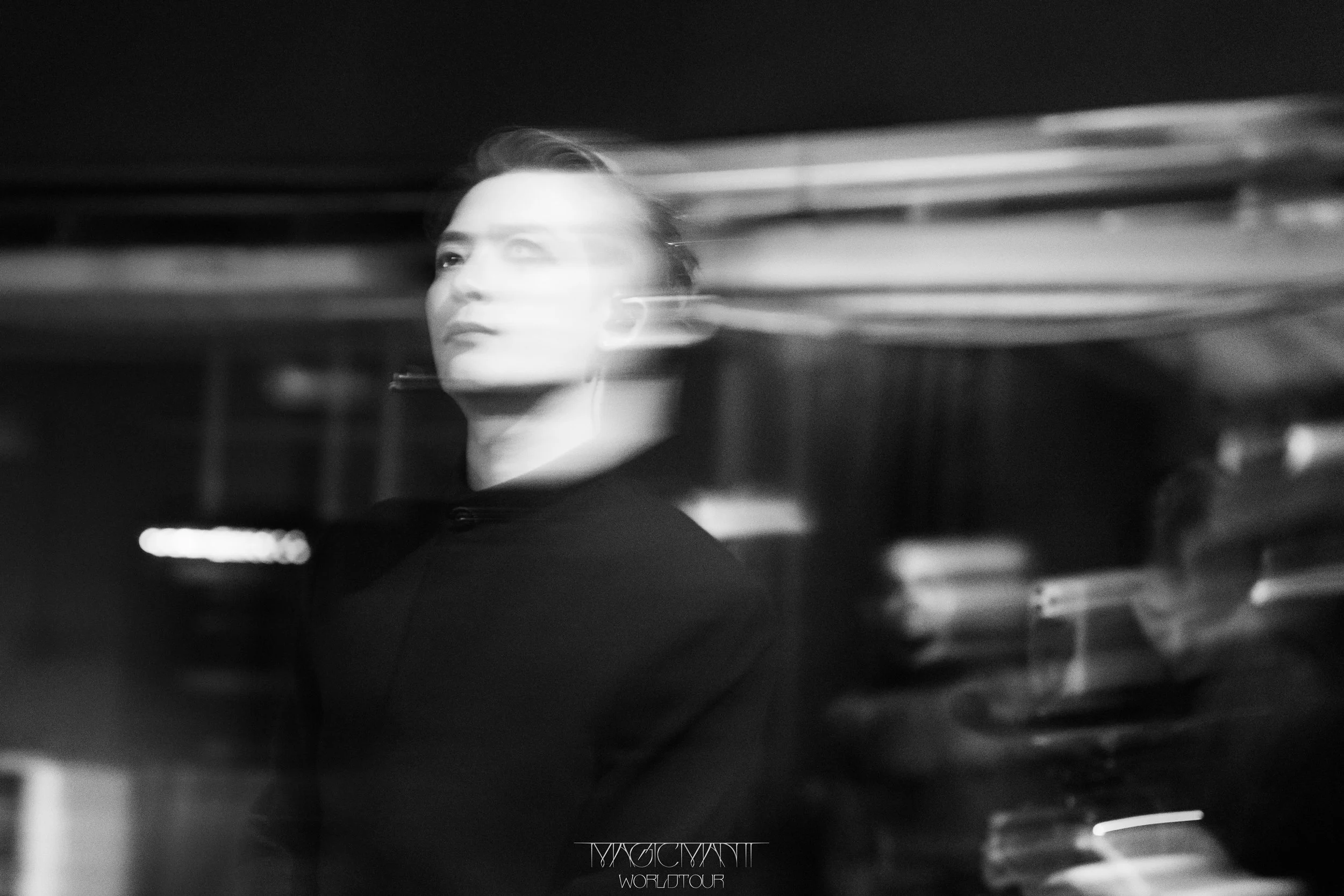
PHOTO CREDIT: TEAM WANG
There’s a moment, somewhere between the first scream and the last chant, where a concert stops feeling like a performance and starts acting like a confession. That’s the space Jackson Wang chose to live in when MAGICMAN II touched down at the Kia Forum—not just delivering a show, but constructing something far more layered, restless, and human.
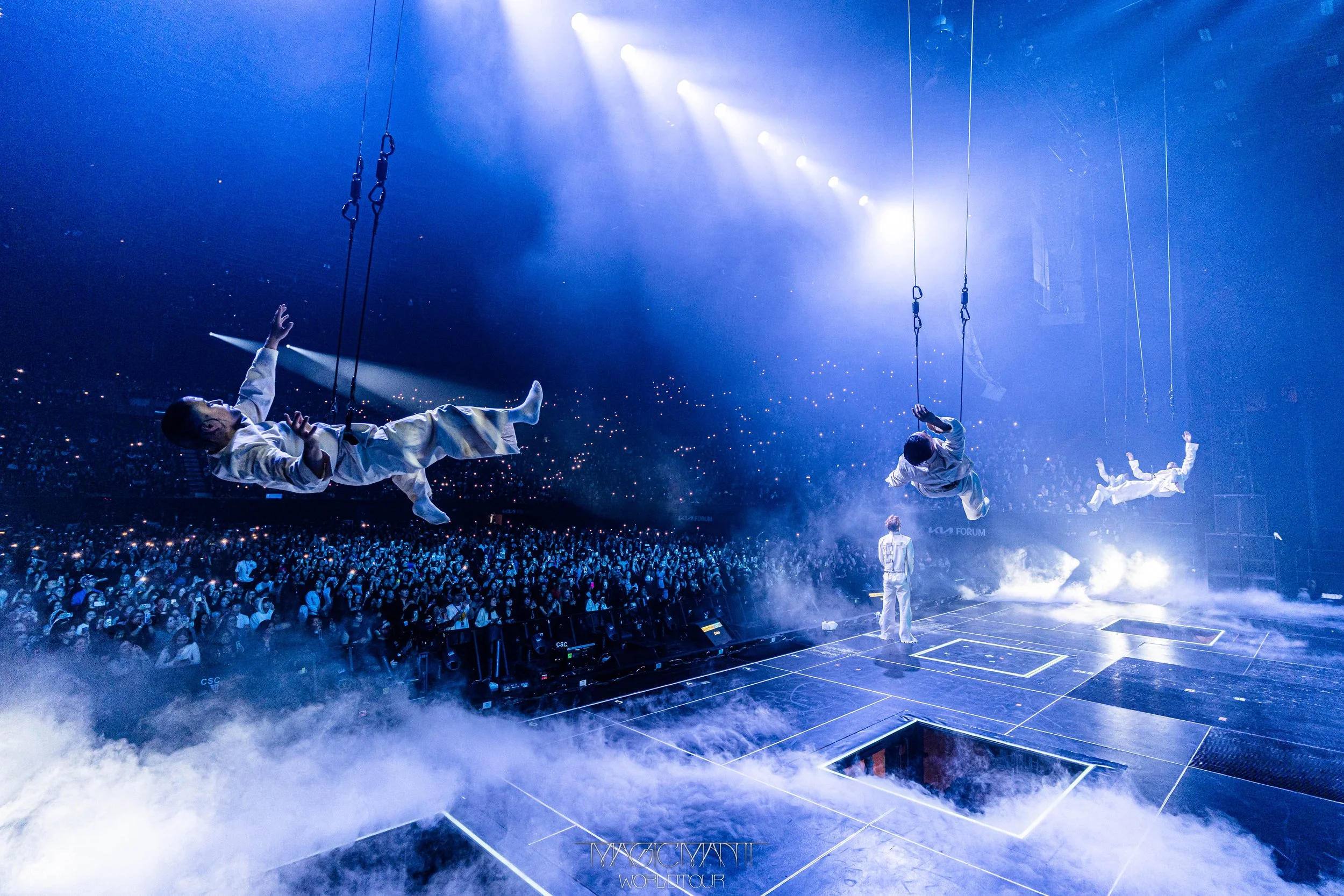
PHOTO CREDIT: TEAM WANG
The opening leaned into distance. Suspended above the stage, Jackson appeared almost untouchable—physically present but emotionally out of reach. The staging made that clear before a single lyric had to. When “High Alone” began, it didn’t feel like a traditional opener—it felt isolating on purpose, like he was introducing the crowd to a version of himself that wasn’t ready to be reached yet. Below him, dancers moved with precision, forming shapes that felt more controlled than celebratory. It set a tone that didn’t ask for applause right away—it asked for attention. But Jackson doesn’t stay in one place for long.
Within minutes, the restraint cracked open. The bass hit harder as “Access” pushed the night forward, the lighting burned hotter, and suddenly the arena felt closer, tighter. He moved with urgency, like the stillness of the opening couldn’t contain him anymore. When he addressed the crowd, it didn’t feel scripted or polished—it felt like someone finally saying something they’d been holding onto for too long.
That push-and-pull became the structure of the night.
“Hate to Love” marked one of the first real turning points—not just musically, but physically. The choreography leaned into tension and release, control and surrender, and by the time it ended, Jackson had stripped back not just layers of styling, but distance. It set the stage for one of the most interactive stretches of the night, where songs like “Shadows on the Wall,” “Closer,” and “Contact” brought fans directly into the performance. These weren’t throwaway moments—they shifted the energy entirely. For a few songs, the show stopped being something you watched and became something you felt complicit in.
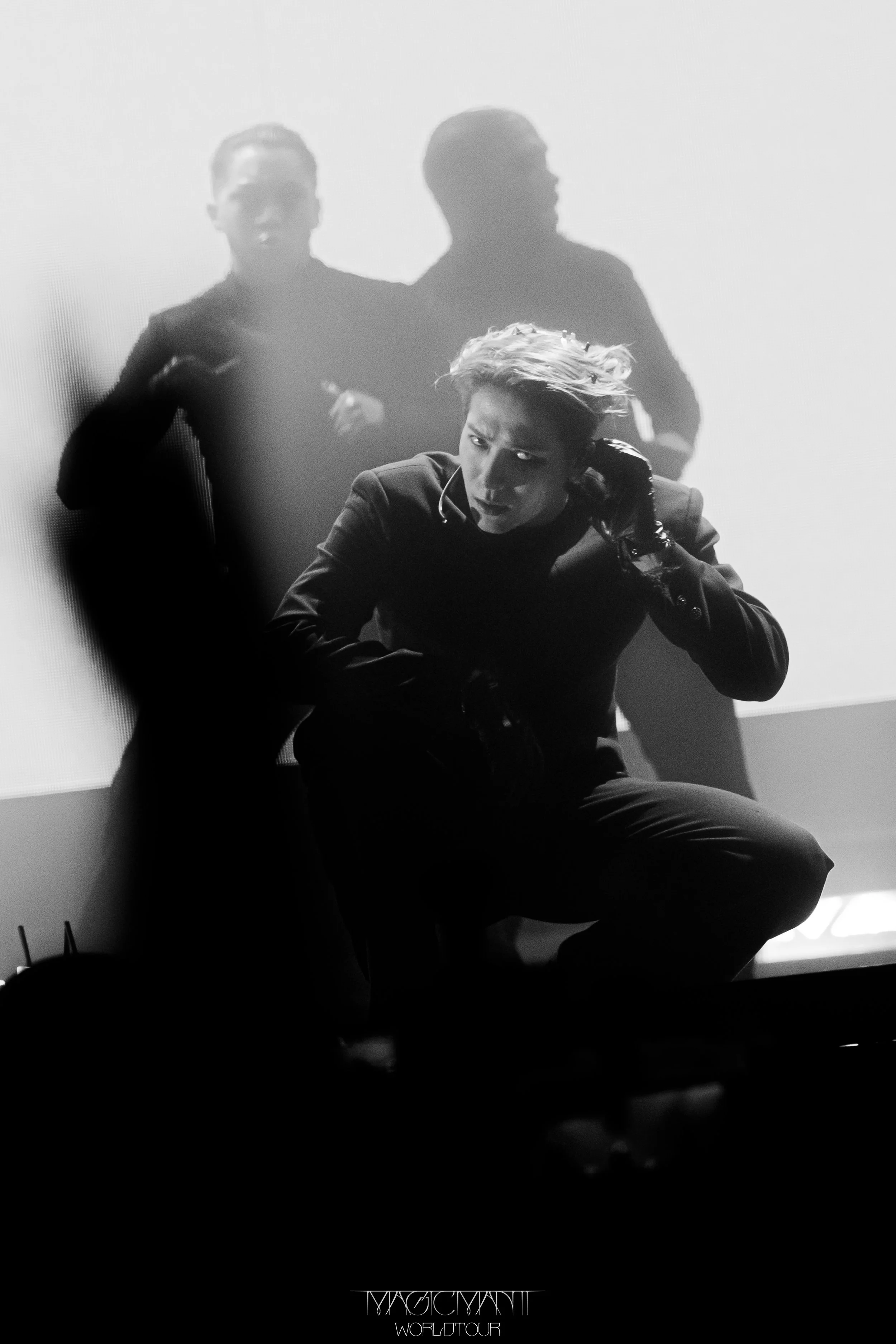
There were sections that leaned into pure spectacle—sharp choreography, explosive transitions, and moments designed to make the entire room react at once. Pulling fans onstage wasn’t just crowd service; it blurred the line between observer and participant. For those few minutes, the distance between artist and audience disappeared completely. Everyone else in the arena felt it too, even from their seats.
Then, just as quickly, everything would slow down.
The second half carved out space for something quieter. “Not For Me” arrived like a comedown, trading intensity for introspection. The production shifted with it—cooler tones, softer movement, less urgency. “Blue” followed without breaking that mood, deepening it instead, while “Everything” felt almost suspended in time, stripped down enough to let every emotion land without interference. Instead of commanding the room, Jackson let it come to him. These moments didn’t rely on scale—they relied on stillness. And in a venue built for thousands, that kind of restraint is harder to pull off than any high-energy sequence.
Even tracks like “Long Gone” and “Dopamine” didn’t break that emotional thread—they complicated it. There was light there, but it felt borrowed, fleeting, like something he was still learning how to hold onto. The audience responded in kind, turning phone lights into something communal, something shared rather than performative.
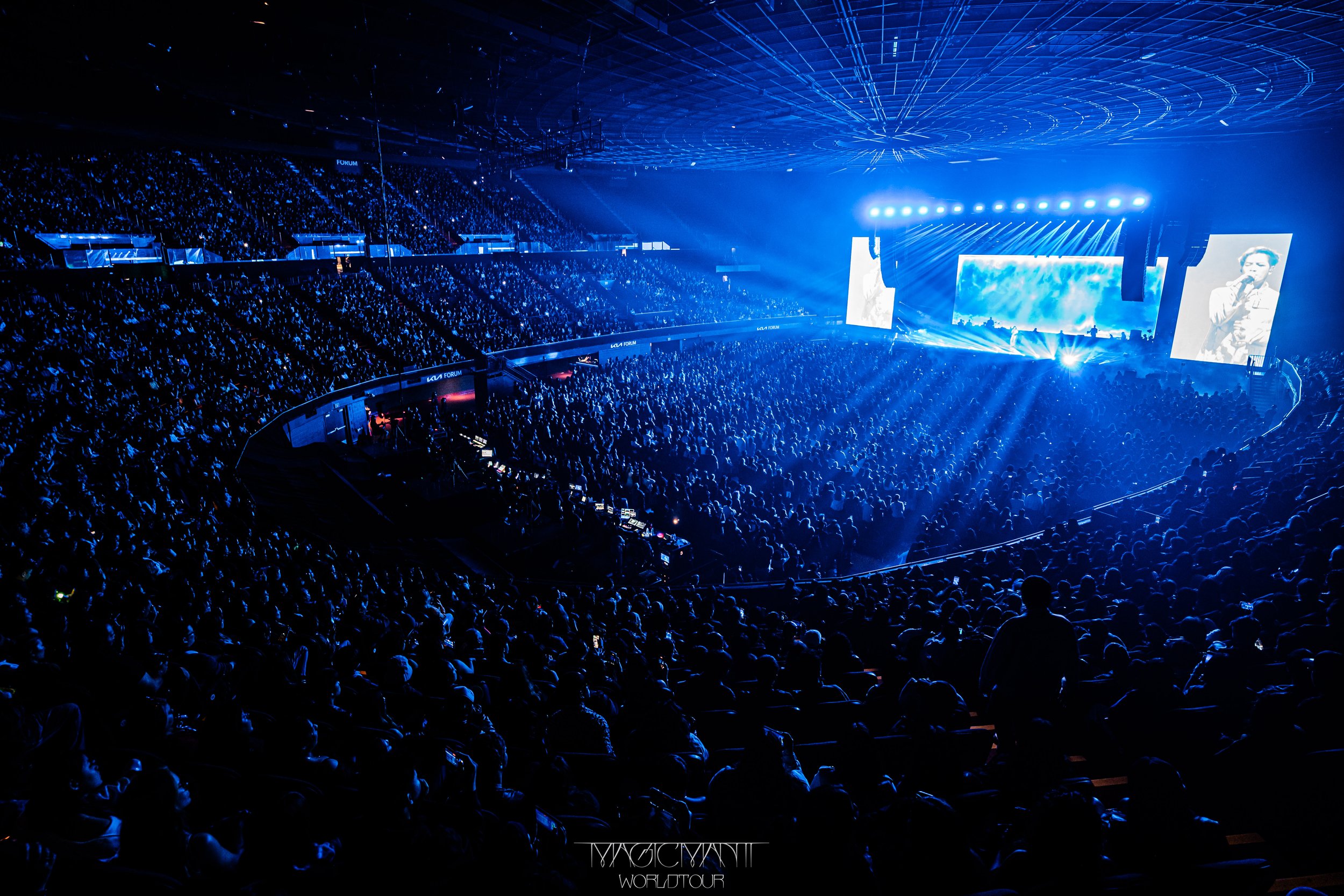
What stood out wasn’t just the emotional shift—it was how intentional it felt. The show wasn’t random; it was segmented like chapters, each one carrying a different version of him. Confidence, doubt, control, collapse, release. None of it felt accidental.
Even visually, the contrast did the storytelling. Dark tones gave way to stark whites. Structured outfits shifted into something more exposed. It mirrored the internal shift happening in real time, without needing to spell it out. And then, right when it seemed like the show had reached its emotional ceiling, it pivoted again.
The energy snapped back into focus with “BUCK,” “Let Loose,” and “TITANIC”—a run of songs that didn’t just raise the tempo, but demanded something from the crowd. This wasn’t passive listening anymore. It was physical, immediate. By the time “GBAD” hit, the entire arena had let go of whatever restraint was left. It wasn’t about choreography being perfect or vocals being pristine—it was about release, about being fully present in the moment he was creating. But even that wasn’t the end of the story.
The final stretch didn’t ignore everything that came before—it folded back into it. With “Dear:” and “Sophie Ricky,” the performance turned inward again, but this time with more clarity. These songs didn’t feel like searching—they felt like acknowledgment. By the time he closed with “Made Me A Man,” there was a sense of resolution, but not in a way that felt overly neat. More like acceptance than conclusion. And then, instead of letting the night end there, he broke it open one last time.
The encore didn’t follow structure. It abandoned it. What could have been a final bow turned into something loose, extended, and communal. The stage filled up—friends, collaborators, fans—and the energy stopped being about precision and started being about presence. It felt less like a finale and more like a release valve opening. That choice matters.
Most arena shows build toward a perfect ending. Jackson rejected that. He chose something messier, more communal, and honestly more reflective of what the night had been building toward all along: connection over control.Because underneath the production, the transitions, and the scale, that’s what carried the entire night. Not perfection. Not spectacle for its own sake.
But the feeling that you were watching someone actively figure themselves out in front of you—and inviting you to do the same while the music kept going.By the time the lights came up, the crowd wasn’t just reacting to what they saw. They were holding onto what they felt.
And that’s the difference.
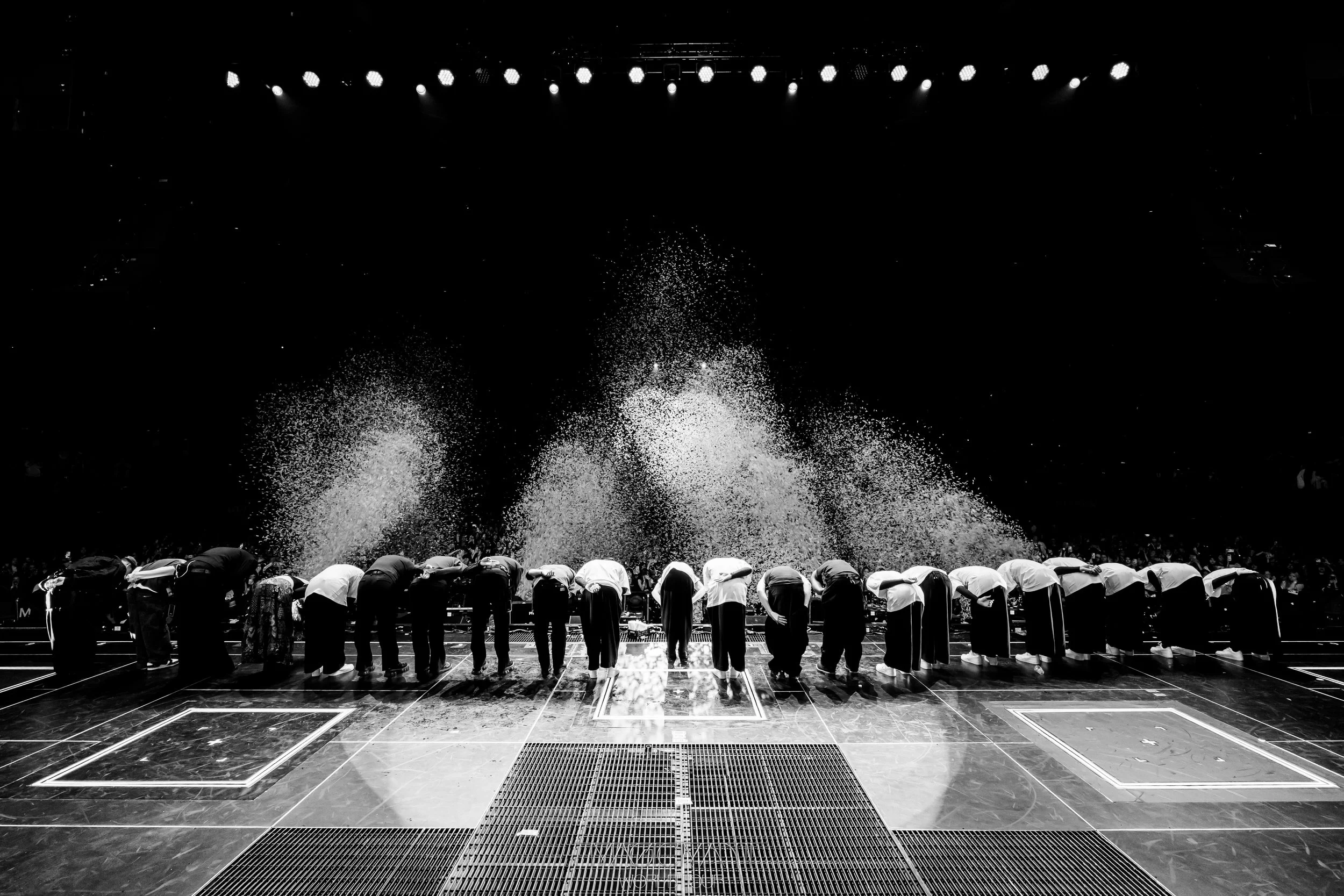
PHOTO CREDIT: TEAM WANG