HARD SUMMER REFLECTS A CULTURE WITHOUT BORDERS
BY: JESSE ZAPATERO
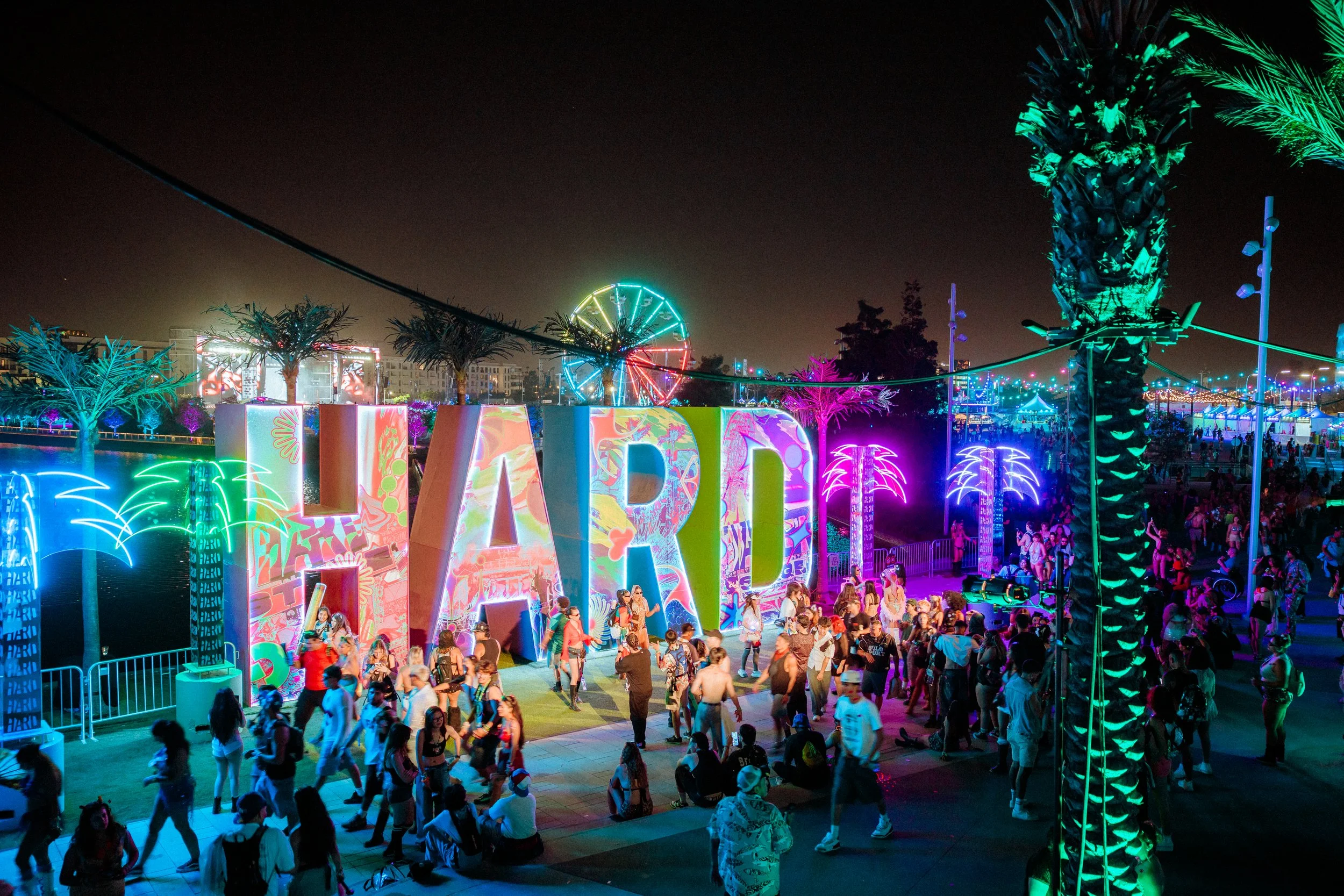
Photo by Orhun Uygur
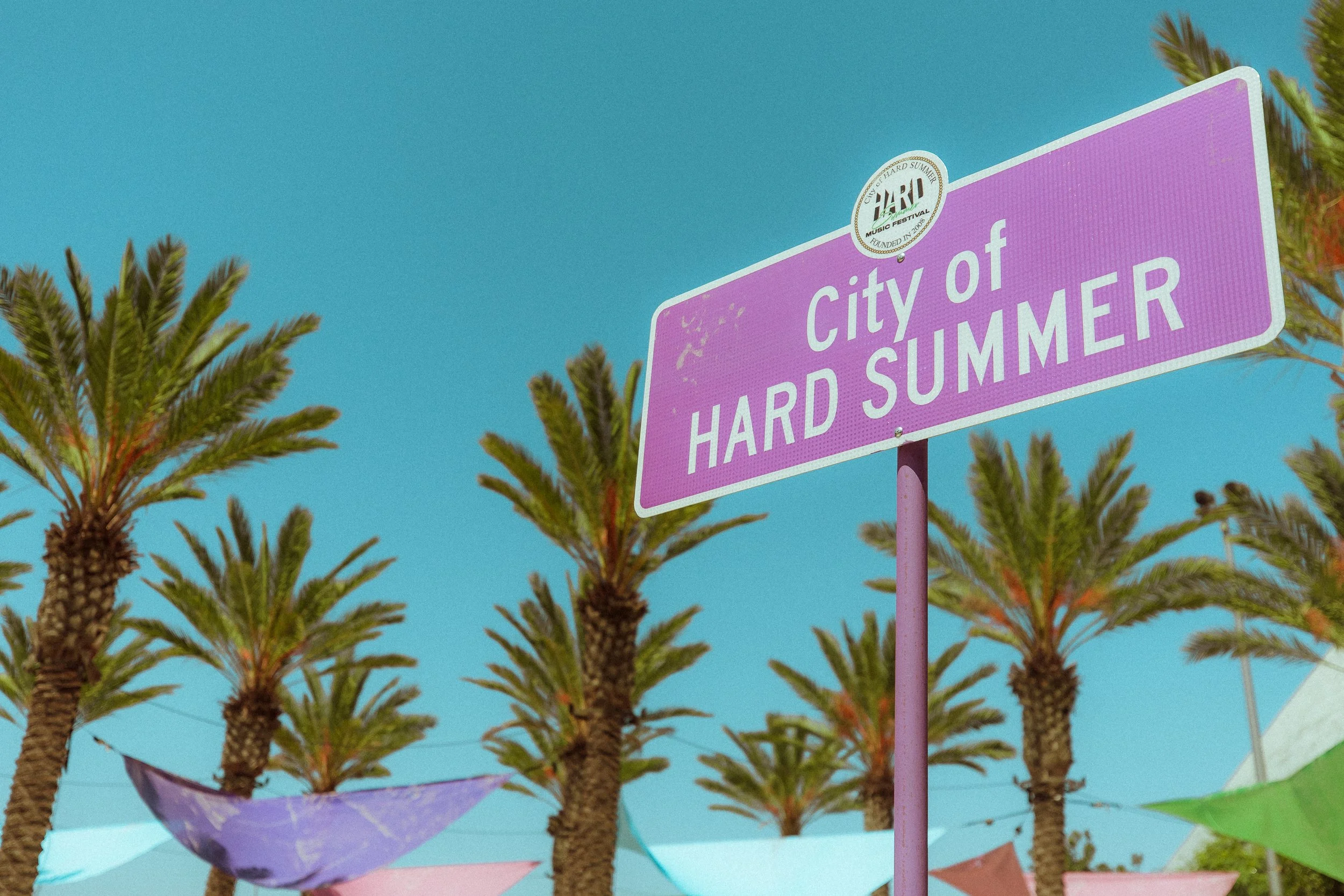
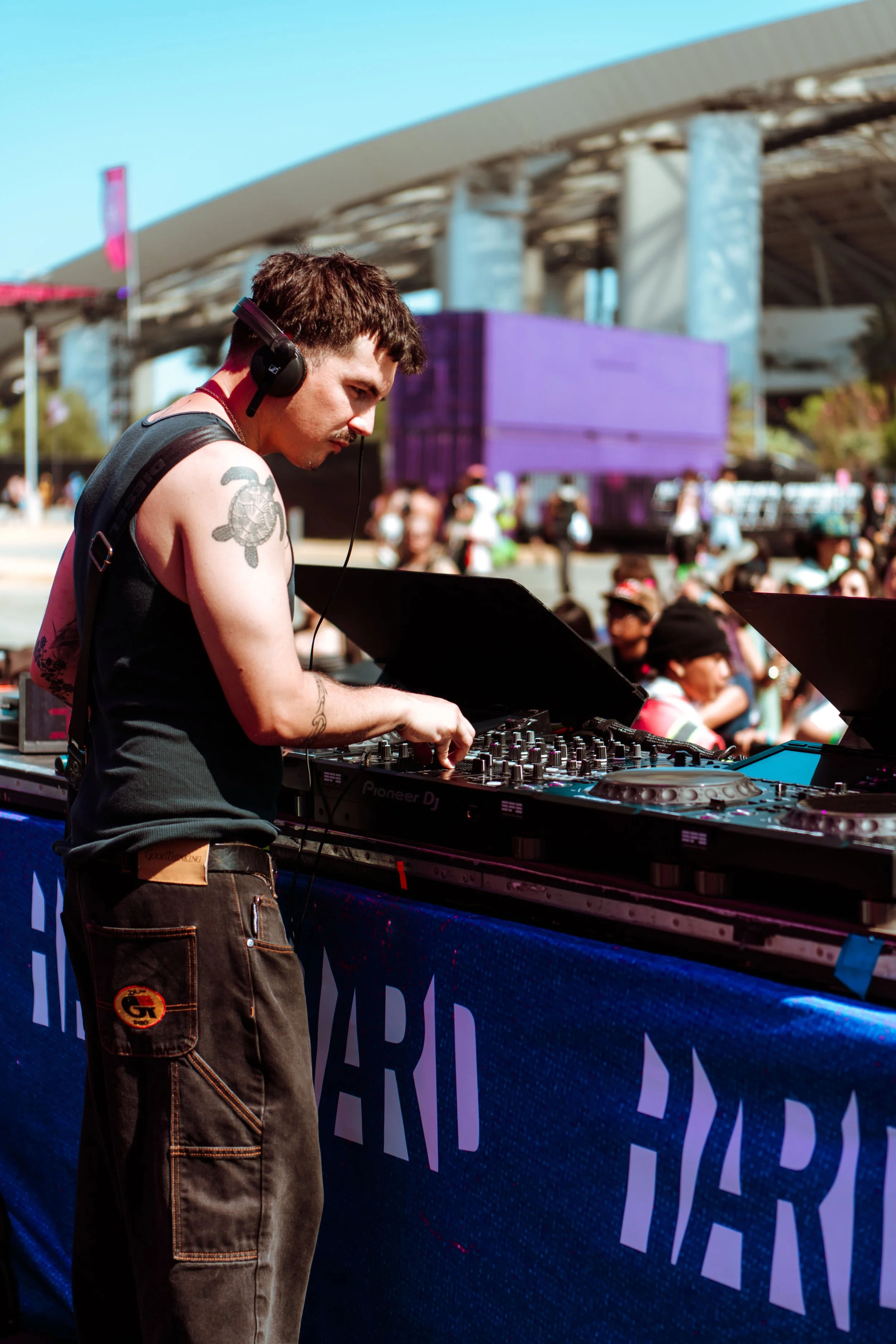
That first week of August already knows how to bring the heat, but when you’re heading into HARD SUMMER, the summer forecast feels almost irrelevant. For two days, Hollywood Park becomes its own weather system — fueled by bass, packed crowds, flashing lights, and enough energy to make the California heat feel like part of the experience. More than just another weekend on the festival calendar, HARD SUMMER has become an important reflection of Los Angeles’ evolving music culture. What began nearly two decades ago as a celebration of electronic music has grown alongside the city itself, creating a space where different sounds, communities and identities can exist side by side. This year, that felt particularly significant as Latin music, hip-hop, underground club sounds and electronic music continued to overlap, reflecting a broader cultural shift where genres, communities and identities are increasingly finding common ground.
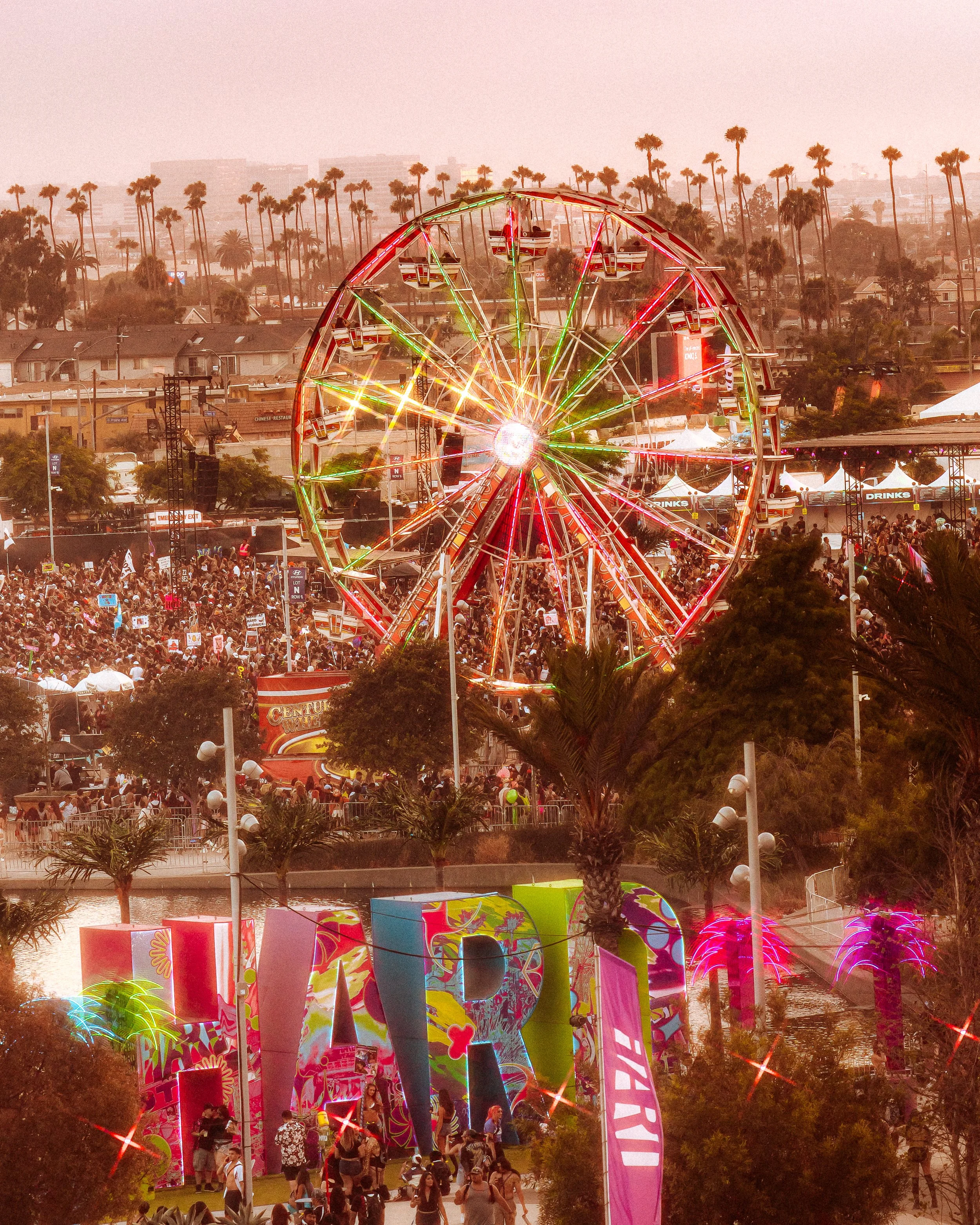
On August 1 and 2, HARD Summer returned to Hollywood Park for its third year at the Inglewood site, once again transforming the grounds surrounding SoFi Stadium into one of Los Angeles’ biggest destinations for dance music. Tens of thousands of fans moved through the festival over the weekend, navigating a sprawling lineup that refused to stay in one lane. Electronic music remained at the center, but HARD’s 2026 edition continued to blur the boundaries between house, techno, hip-hop, Latin music, pop, underground club culture and everything in between. That has always been part of HARD Summer’s DNA. Since its beginnings in 2007, the festival has built its reputation around unexpected combinations — putting artists and scenes together that might not otherwise share the same stage. This year, that idea felt especially pronounced.
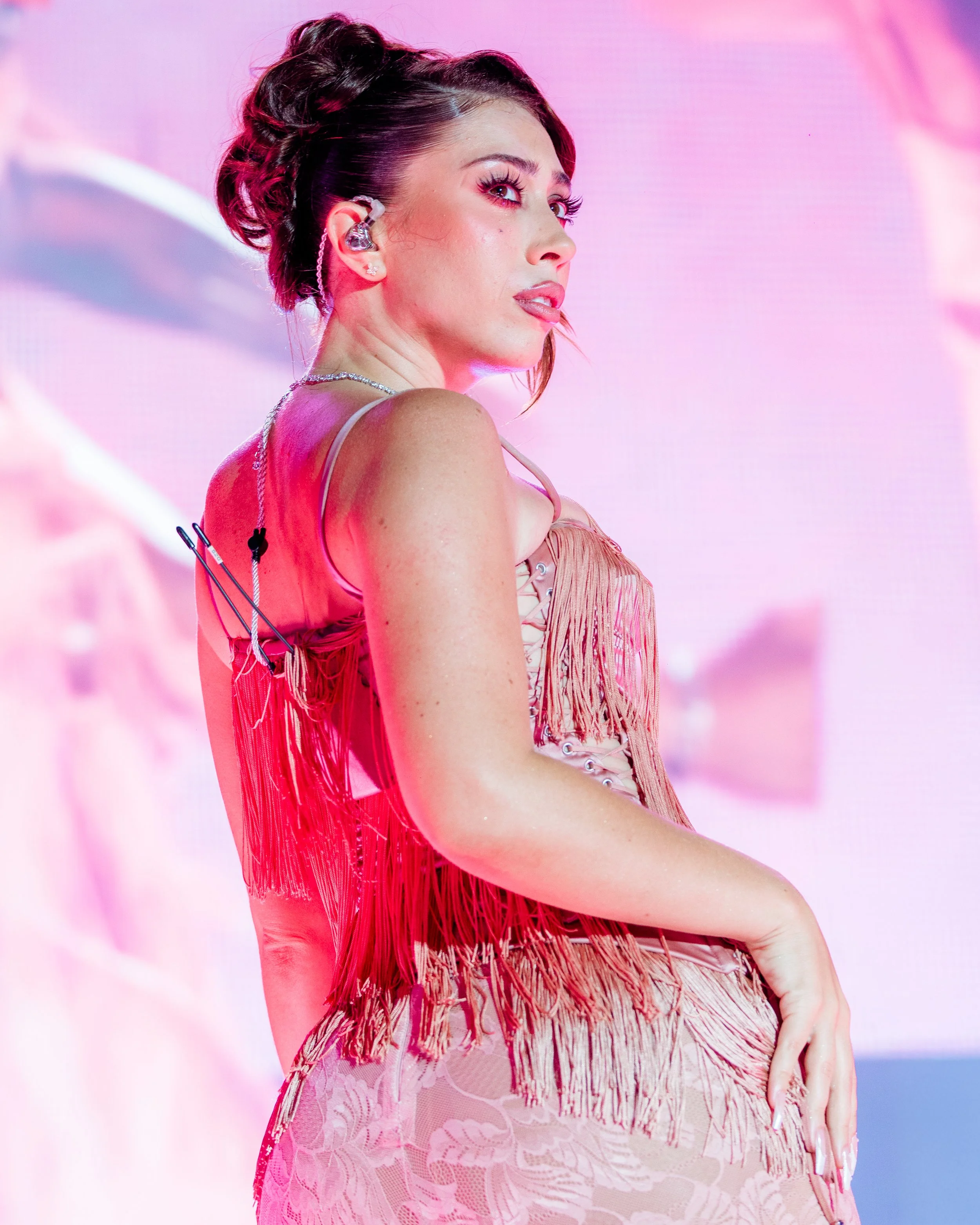
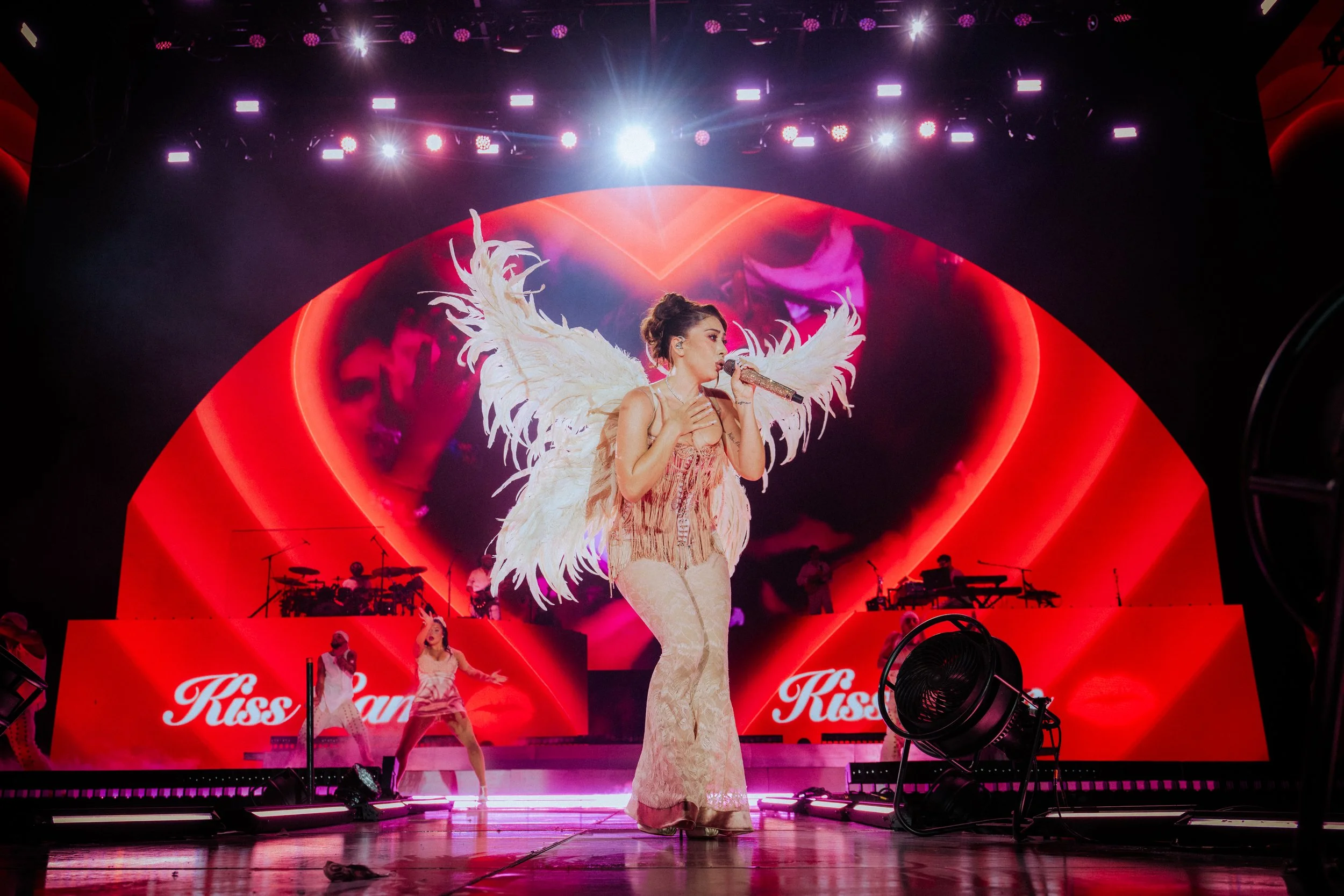
Saturday belonged in part to Kali Uchis, who closed out the day with a headlining performance that felt perfectly suited to a festival increasingly interested in crossing musical borders. Her catalog moves effortlessly between English and Spanish, R&B, pop and Latin influences, making her presence on a predominantly dance-focused bill feel less like a detour and more like a reflection of where contemporary music is headed.
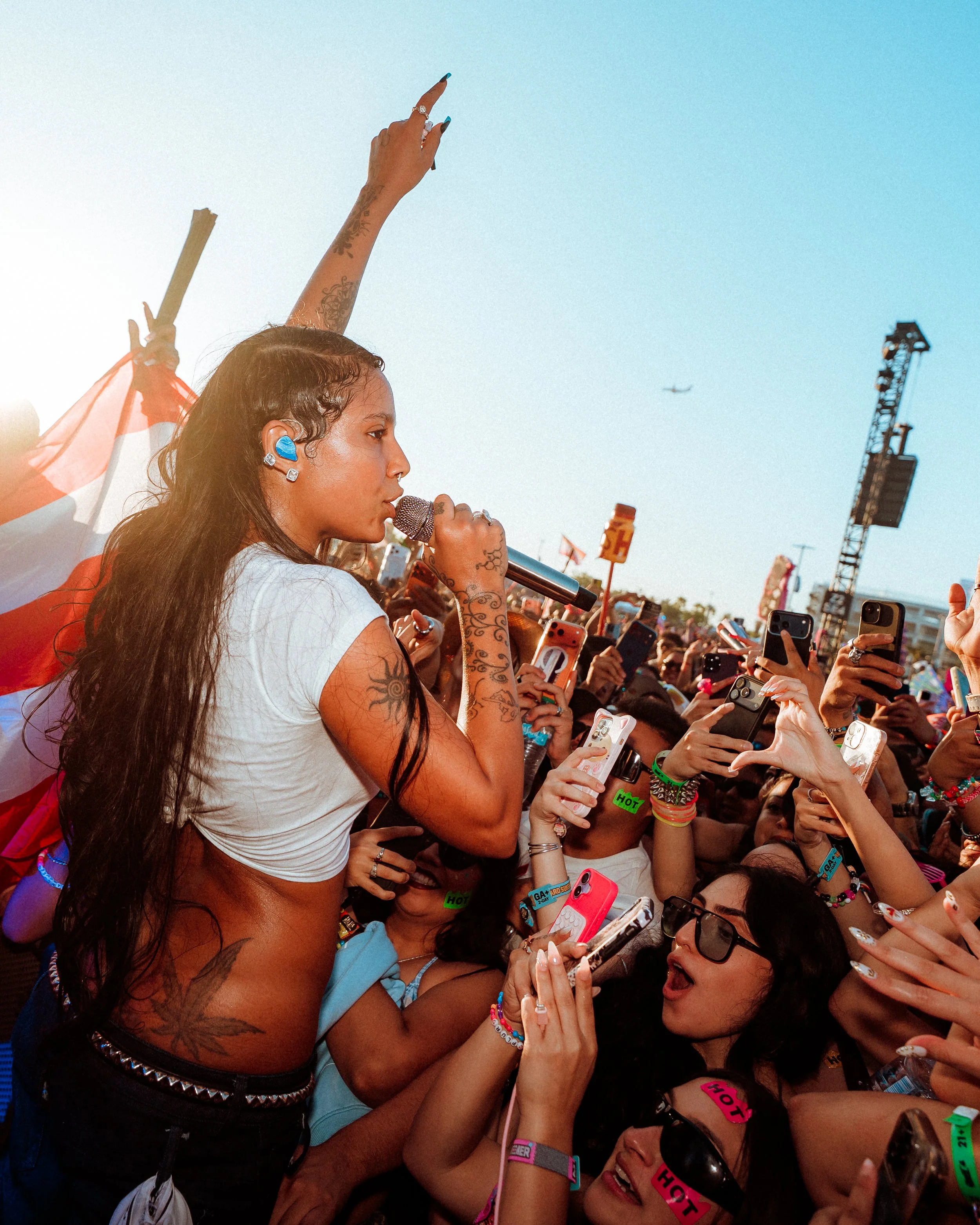
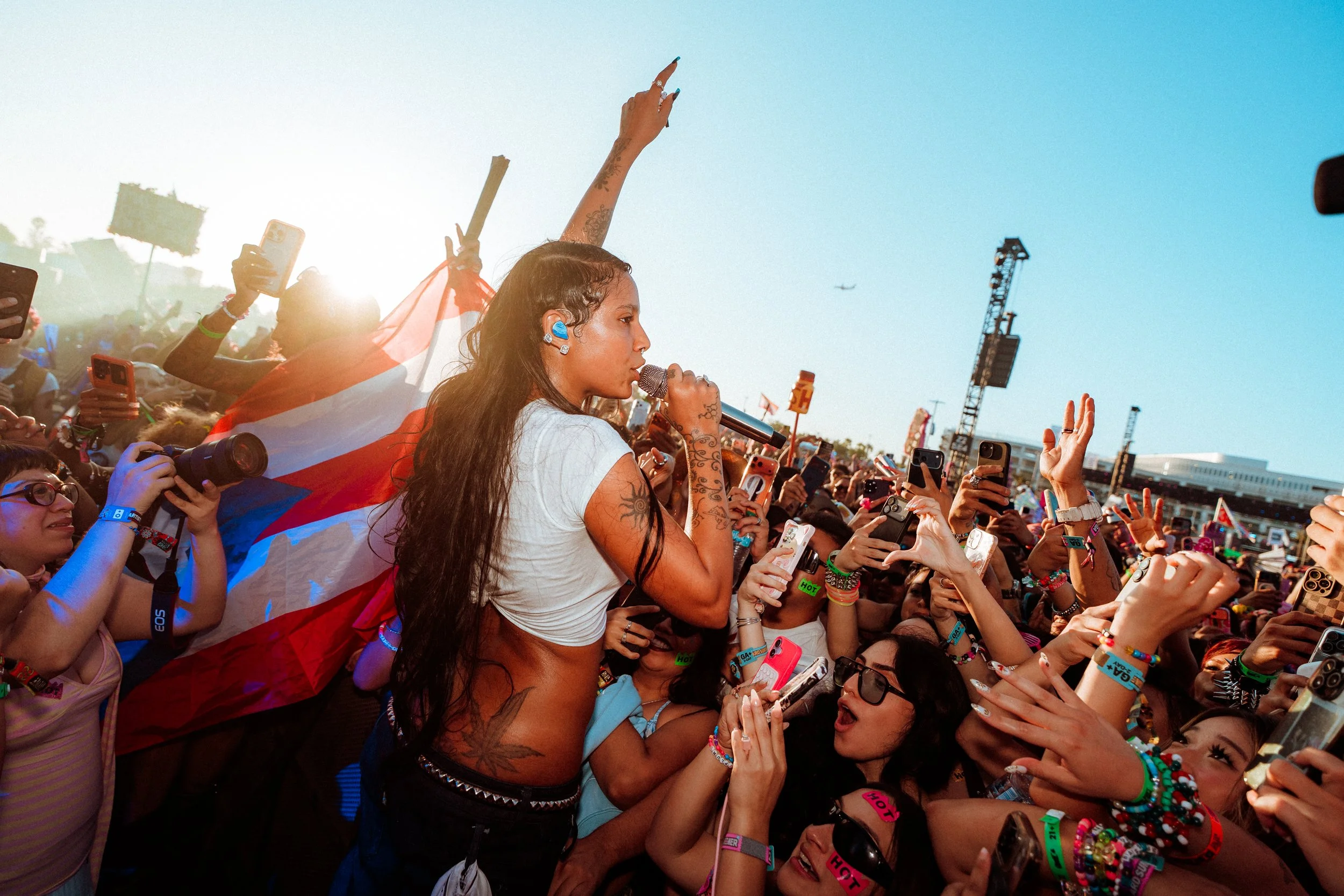
Elsewhere across the grounds, Tokischa brought her unmistakable take on dembow to the festival, while Argentina’s Six Sex represented the country’s increasingly influential underground club scene. Their performances were part of a larger shift that could be felt throughout the weekend: Latin music wasn’t being treated as a separate category within HARD Summer. It was woven into the festival itself.
That evolution extended beyond the official lineup.
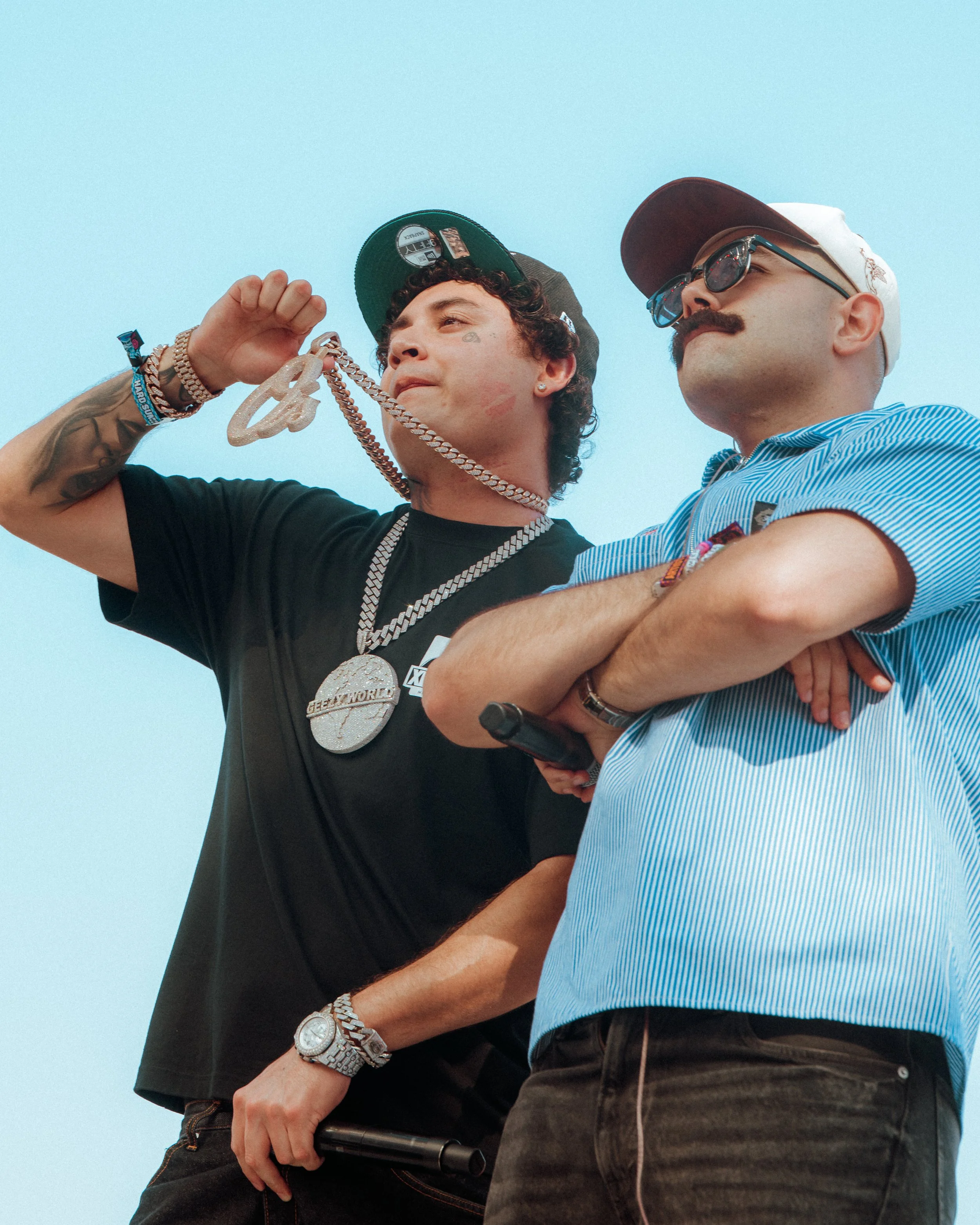
RØZ delivered one of the weekend’s major crossover moments when Peso Pluma appeared during the set, bringing música mexicana directly into HARD’s electronic environment. BOLO similarly welcomed OHGEESY, connecting the festival’s dance-heavy programming with Los Angeles hip-hop. Moments like these demonstrated just how porous the boundaries between genres have become. An artist can exist within the worlds of electronic music, Latin music and hip-hop simultaneously — and so can the audience.
The crowd reflected that reality.
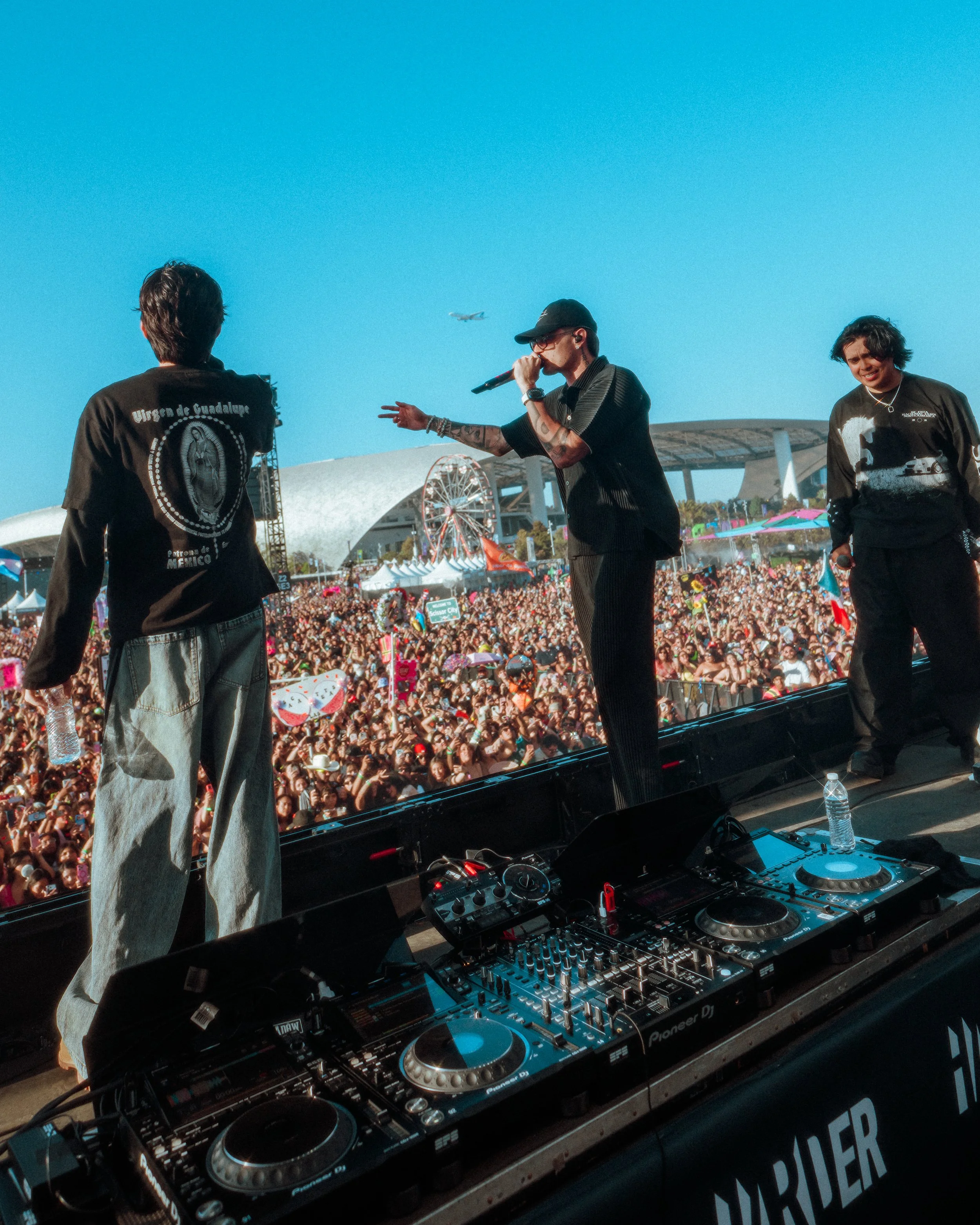
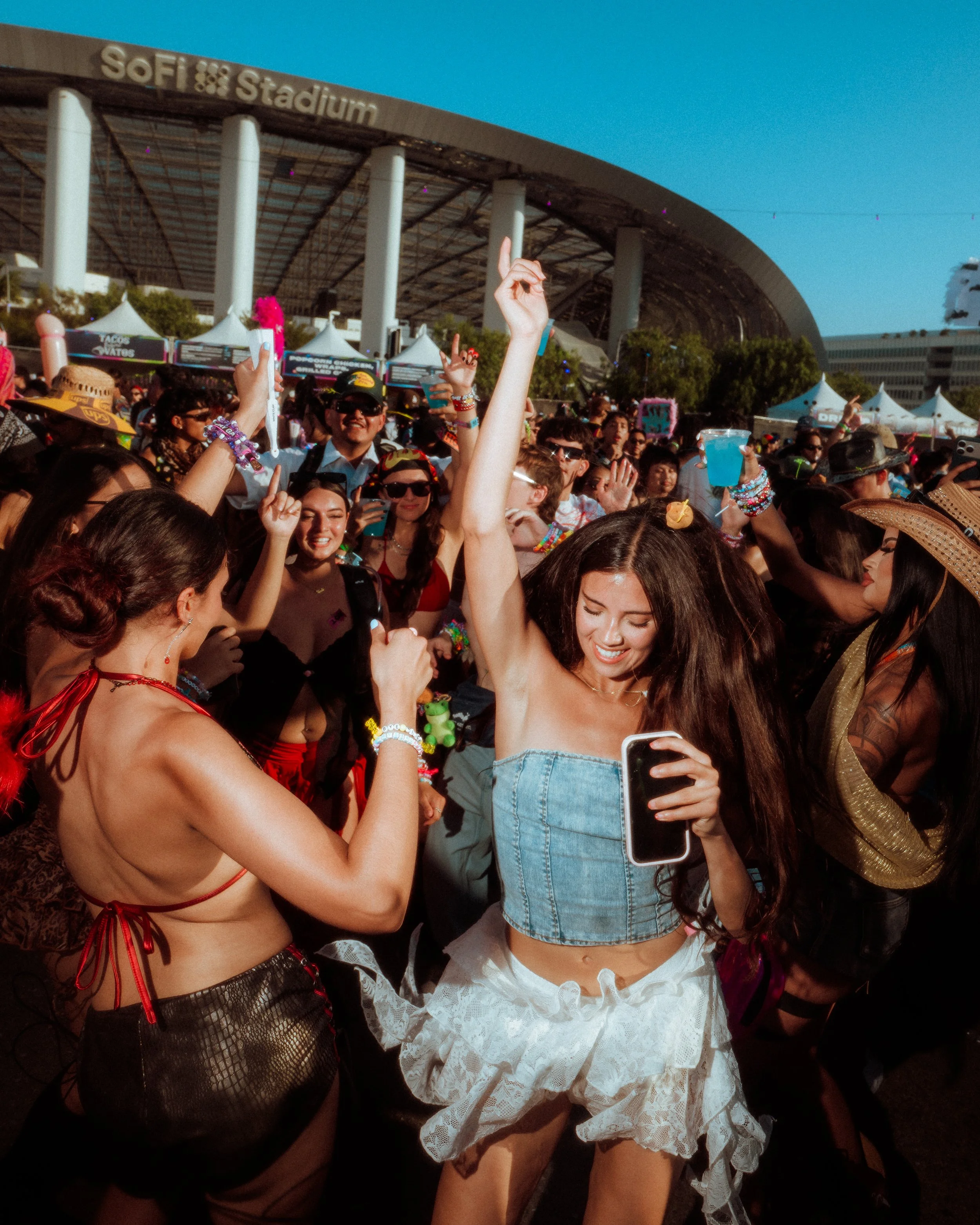
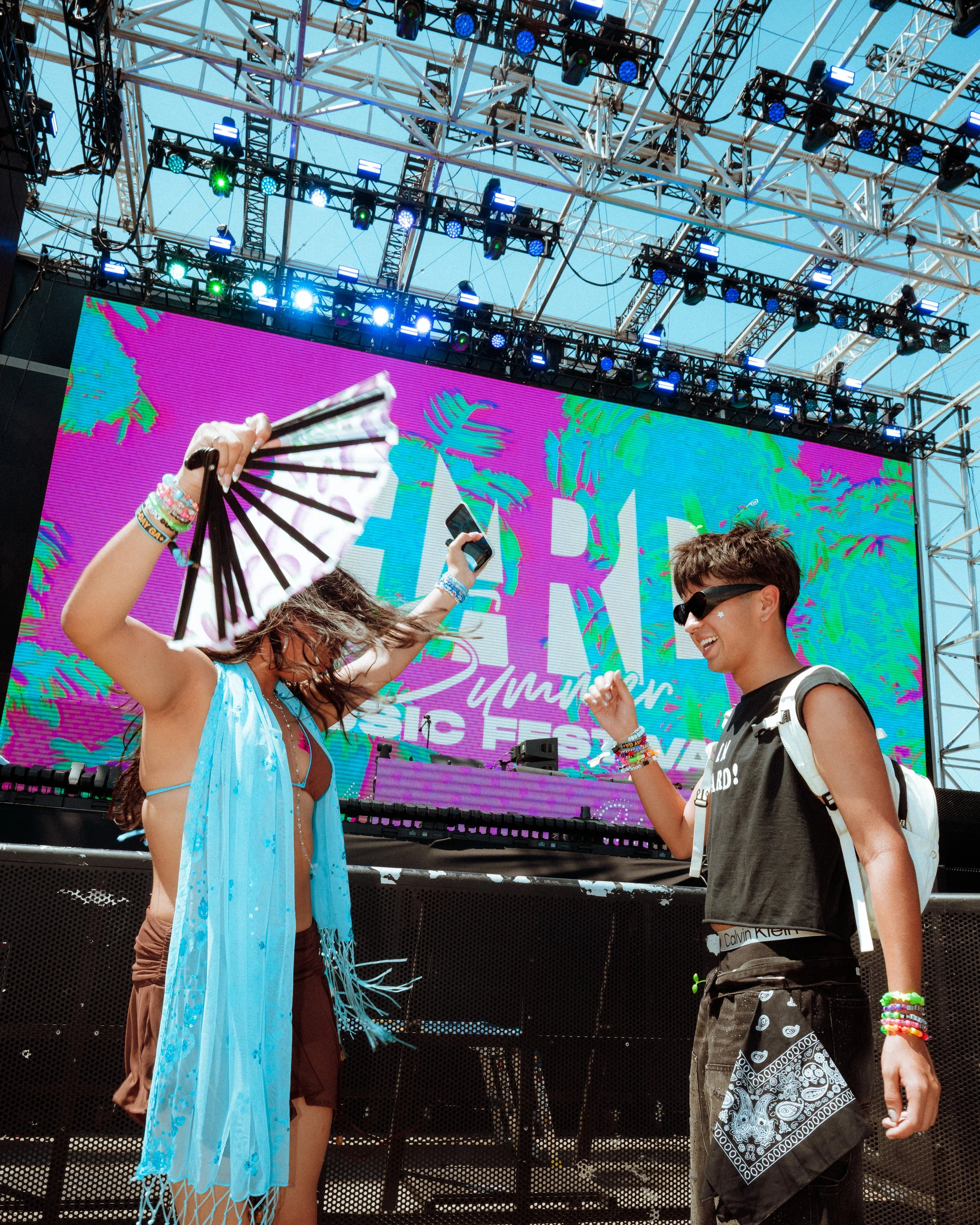
Throughout Hollywood Park, Mexican, Salvadoran and other Latin American flags appeared among the sea of festival outfits, jerseys and sunglasses. For many Latino attendees, the weekend didn’t feel like an introduction to an unfamiliar electronic music culture. It felt like a space that already belonged to them.
That distinction is important when looking at how far HARD Summer has come.
When the festival first launched , Latino artists were hardly central to its biggest moments. Over the years, however, Los Angeles’ changing musical landscape has made that separation increasingly difficult to maintain. Artists such as Deorro helped establish a stronger presence for Latino DJs and producers within the electronic world, while Feid’s 2025 headlining appearance marked another significant step forward.By 2026, the shift was much harder to miss.
Latino artists appeared throughout the bill, from major headliners to emerging acts, while the audience mirrored the same cultural expansion. HARD Summer increasingly resembles Los Angeles itself: multilingual, genre-fluid and constantly pulling sounds from different communities into the same space.
And while the Latin influence was one of the most noticeable developments of this year’s festival, it was far from the only story happening across the grounds.
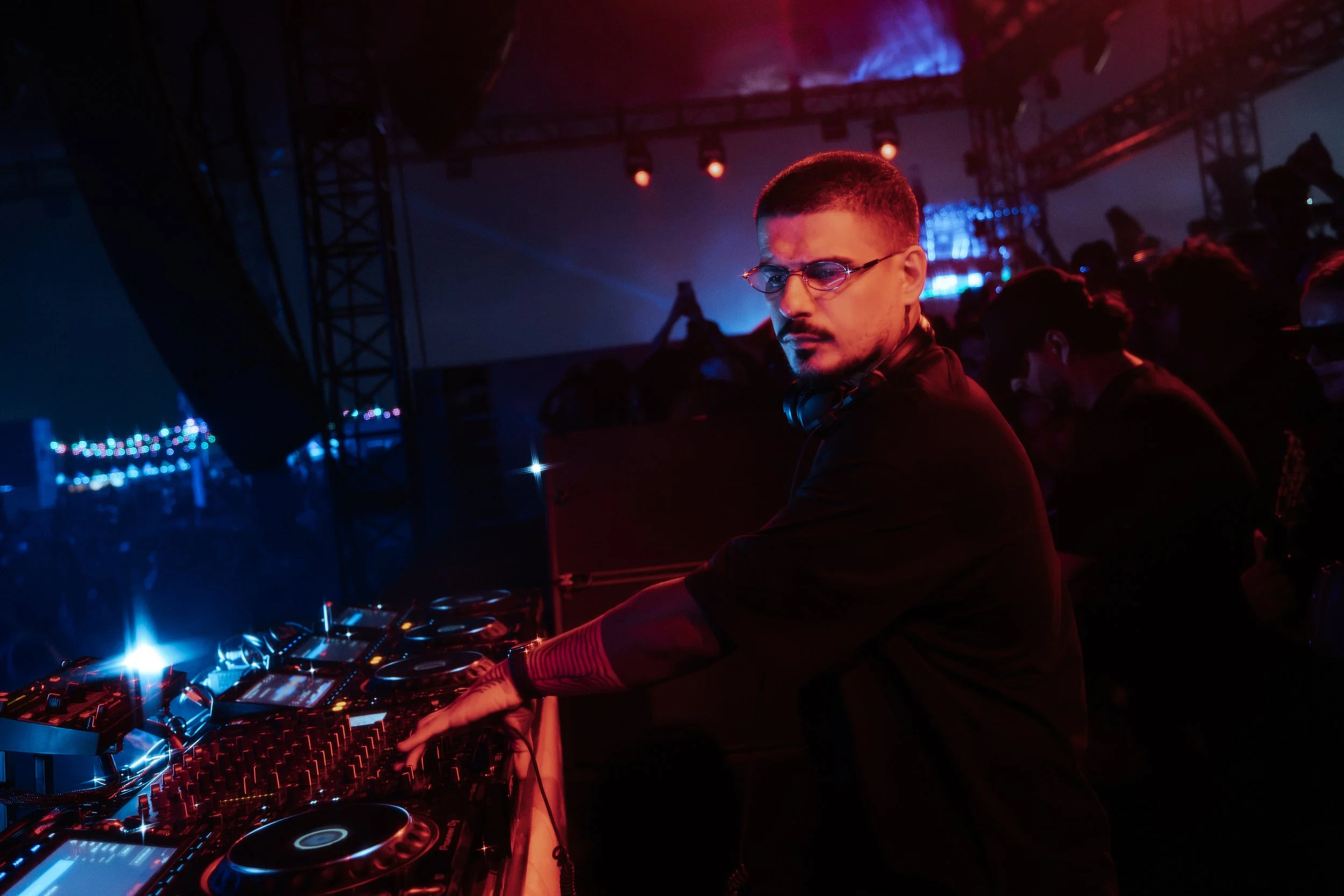
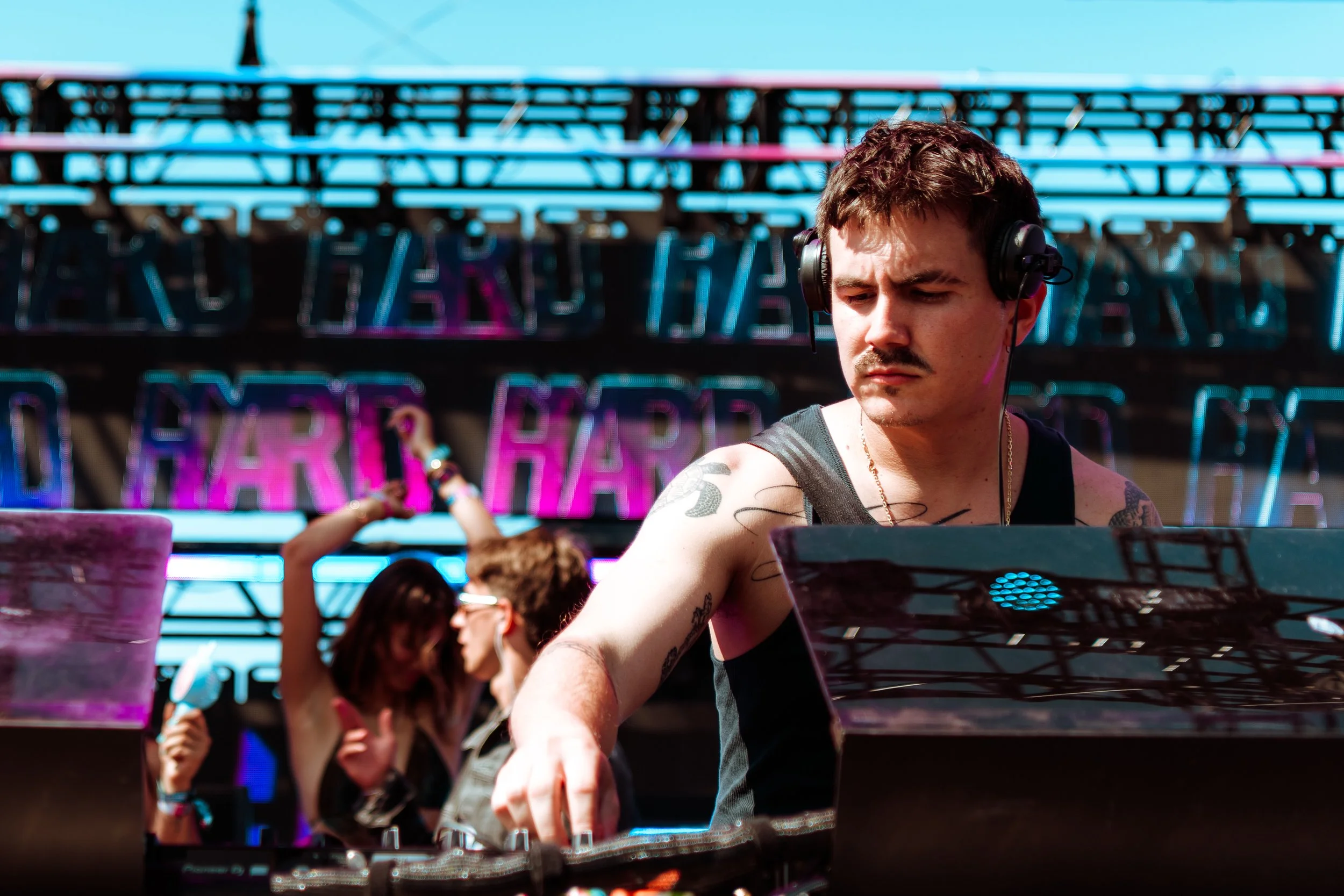
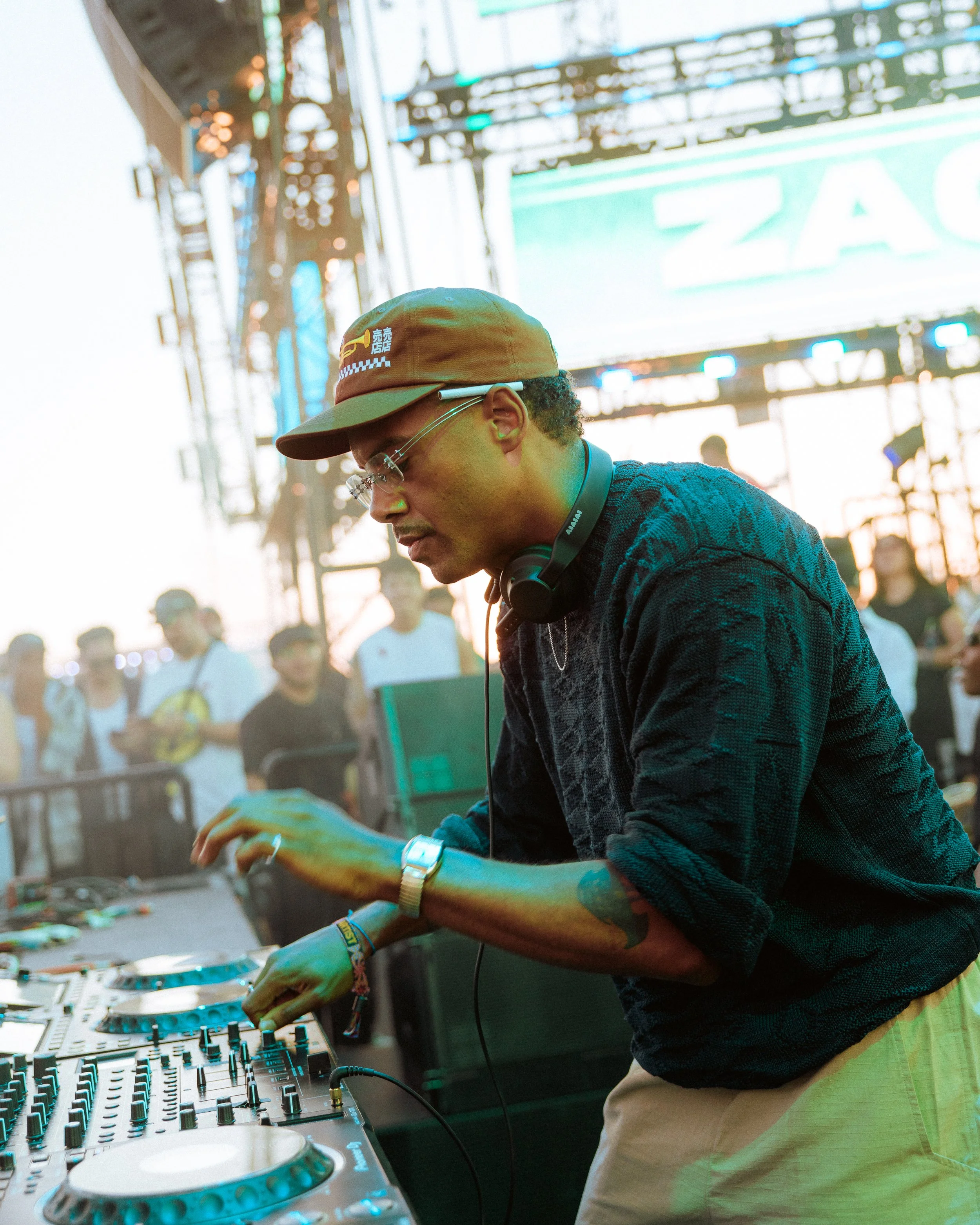
HARD Summer’s lineup was deliberately chaotic in the best possible way. One moment, attendees could find themselves in the middle of Charlotte de Witte’s darker techno world; the next, they could move toward a completely different corner of the festival for Zack Fox or Shygirl. RL Grime, Mau P, Maceo Plex, Vintage Culture, Sammy Virji, VTSS, Tiga, salute, Chris Lorenzo and Confidence Man all offered their own versions of what a HARD Summer set could sound like.
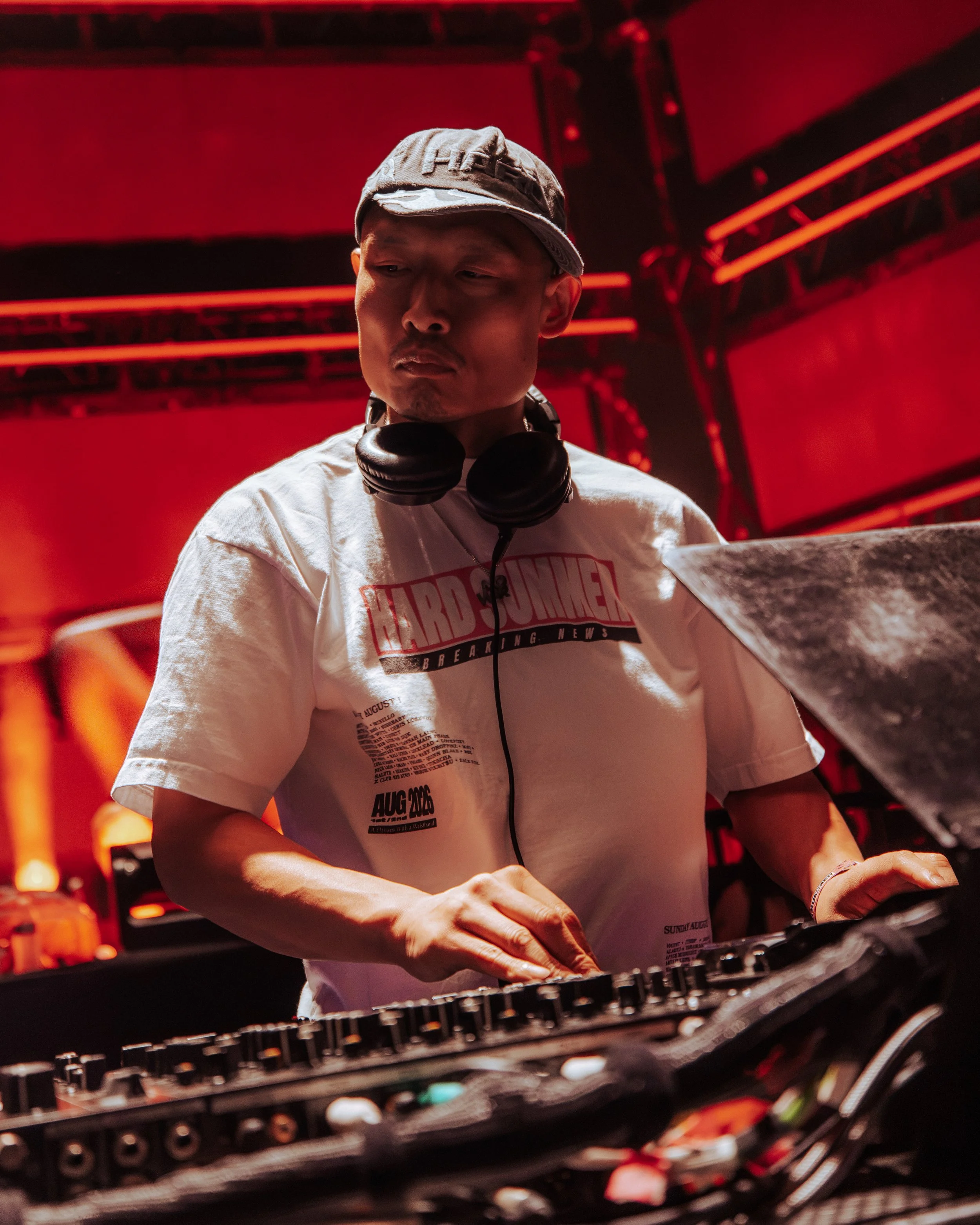
Then there was DJ Snake, who approached his appearance with an unexpected twist by delivering an all-hip-hop set rather than sticking to the electronic formula audiences might have anticipated.
The festival also leaned further into its relationship with underground and internet-driven music culture.
Berlin-based label and collective Live From Earth took over an entire stage, bringing together artists including 2hollis, Snow Strippers, MCR-T, Frost Children and underscores. Their presence represented another side of HARD Summer’s programming — one that looks beyond established festival names and toward the rapidly evolving sounds coming from online communities, independent scenes and international club culture.
For fans who have followed HARD for years, this kind of programming is part of what keeps the festival from becoming predictable.
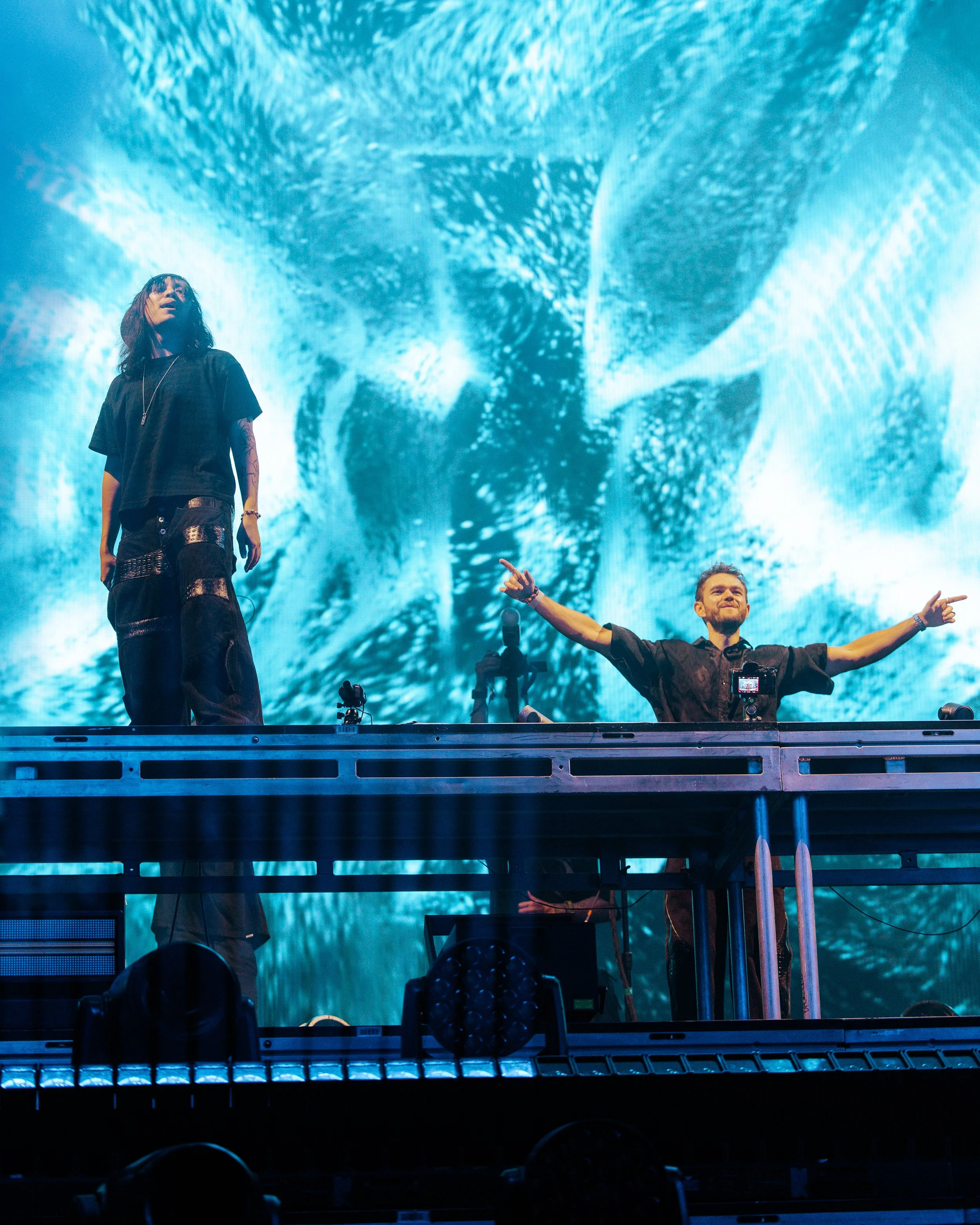
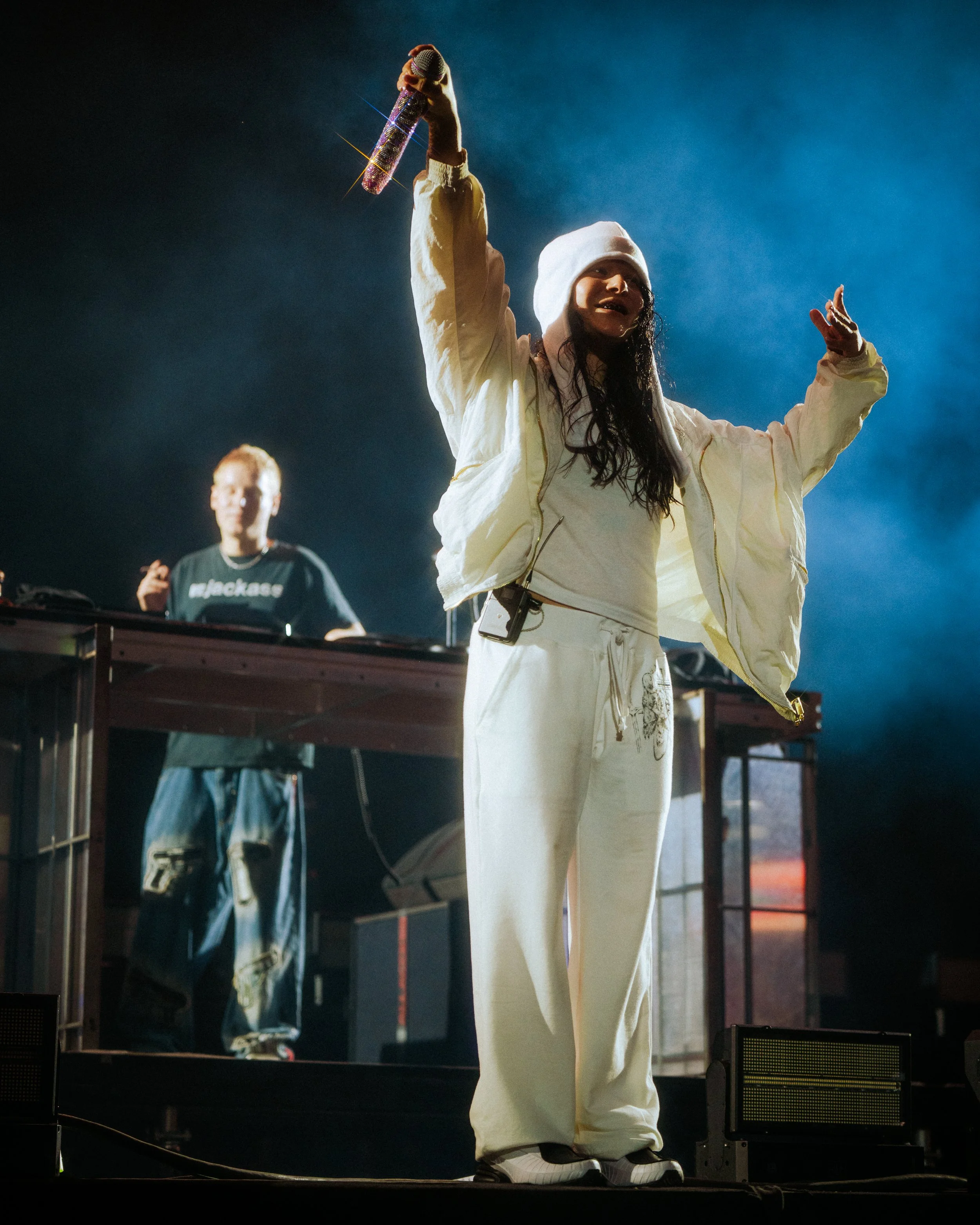
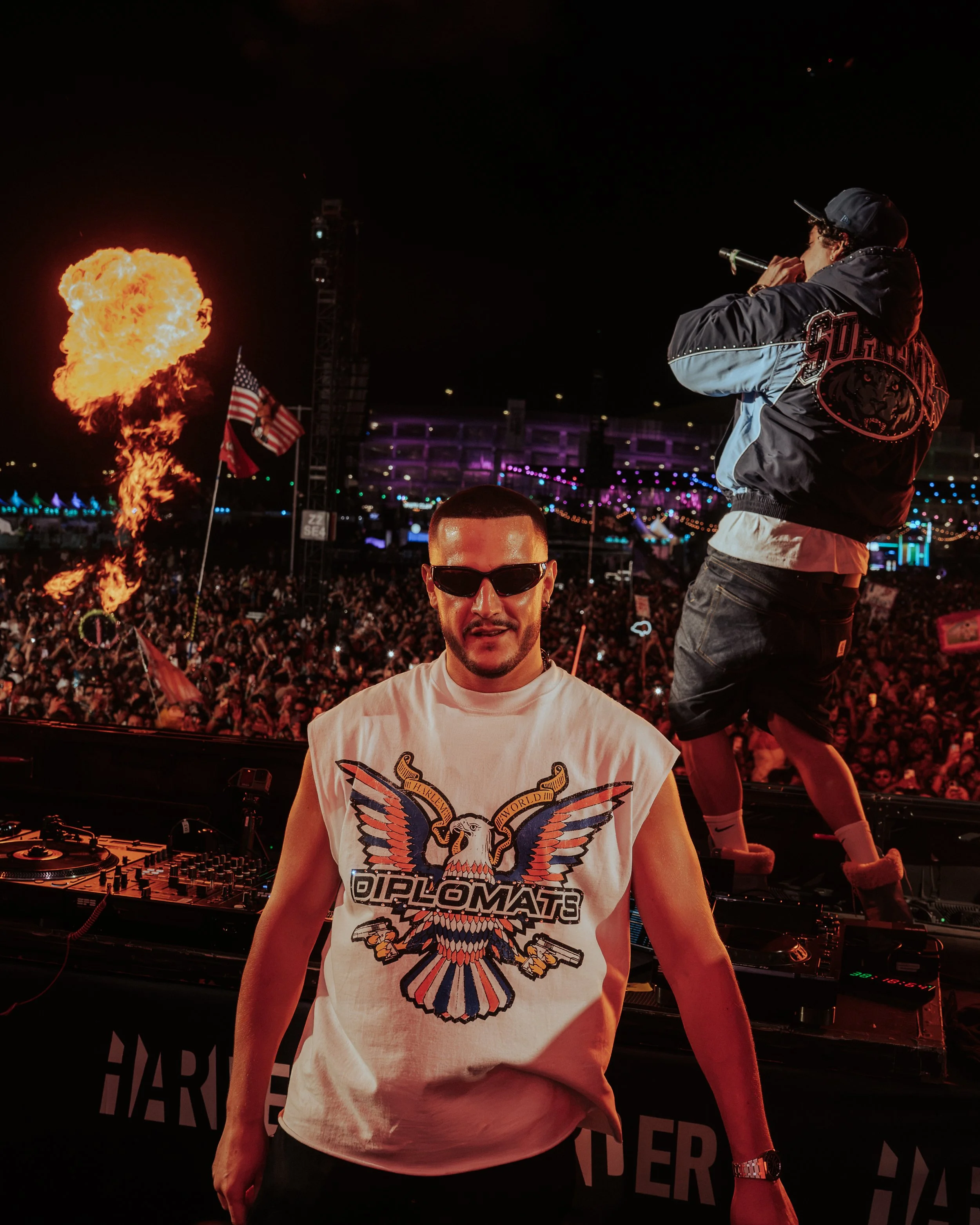
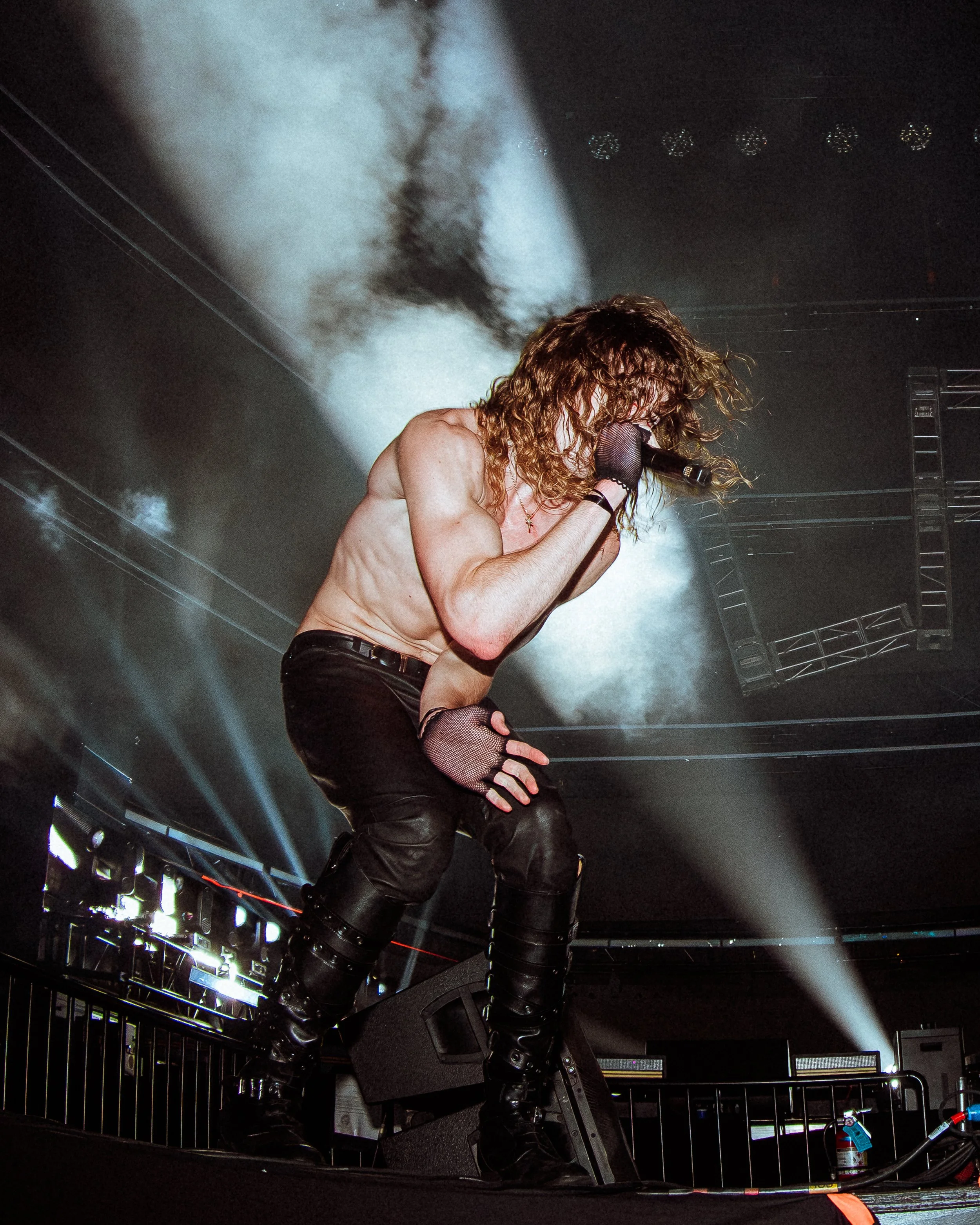
There was plenty of traditional festival spectacle, too. Massive production, lighting and visual effects filled the grounds, creating a constant sensory overload as the sun went down and the stages became increasingly illuminated. Hollywood Park provided a backdrop that allowed HARD to operate on a massive scale while still maintaining the sense of movement that has become central to the festival experience.
This year’s site plan was also reworked, with organizers making changes intended to make moving between stages easier. The Green Stage area received additional space, giving one of the festival’s key performance areas a larger footprint and allowing more room for the crowds that gathered throughout the weekend.
Still, the sheer scale of HARD Summer means that navigating the festival is part of the experience. With multiple stages operating simultaneously, there is always something happening somewhere else. Missing one set can mean discovering another artist you hadn’t planned on seeing. The schedule encourages movement, and the lineup rewards curiosity.That feeling was especially evident among younger attendees, many of whom moved between scenes without treating genre as a boundary. House fans could end up at a Latin set. Hip-hop fans could find themselves watching a techno artist. Fans of internet-born acts could wander into a massive festival stage alongside thousands of people who discovered those artists through completely different corners of music culture. HARD Summer has effectively become a meeting point for those audiences. And perhaps that is the clearest picture of what the festival has become in 2026.
The event is still loud. It is still crowded. It is still intentionally excessive. HARD continues to live up to its name, but the definition of what “hard” means has expanded considerably since the festival first arrived. It can mean techno at full volume. It can mean a dembow record shaking a festival stage. It can mean a hip-hop set unexpectedly appearing inside an electronic festival. It can mean a Berlin collective taking over a stage or an international pop star closing out the night. It can mean thousands of Latino ravers arriving in jerseys and flags, bringing their own cultural identity into a space that increasingly reflects them.
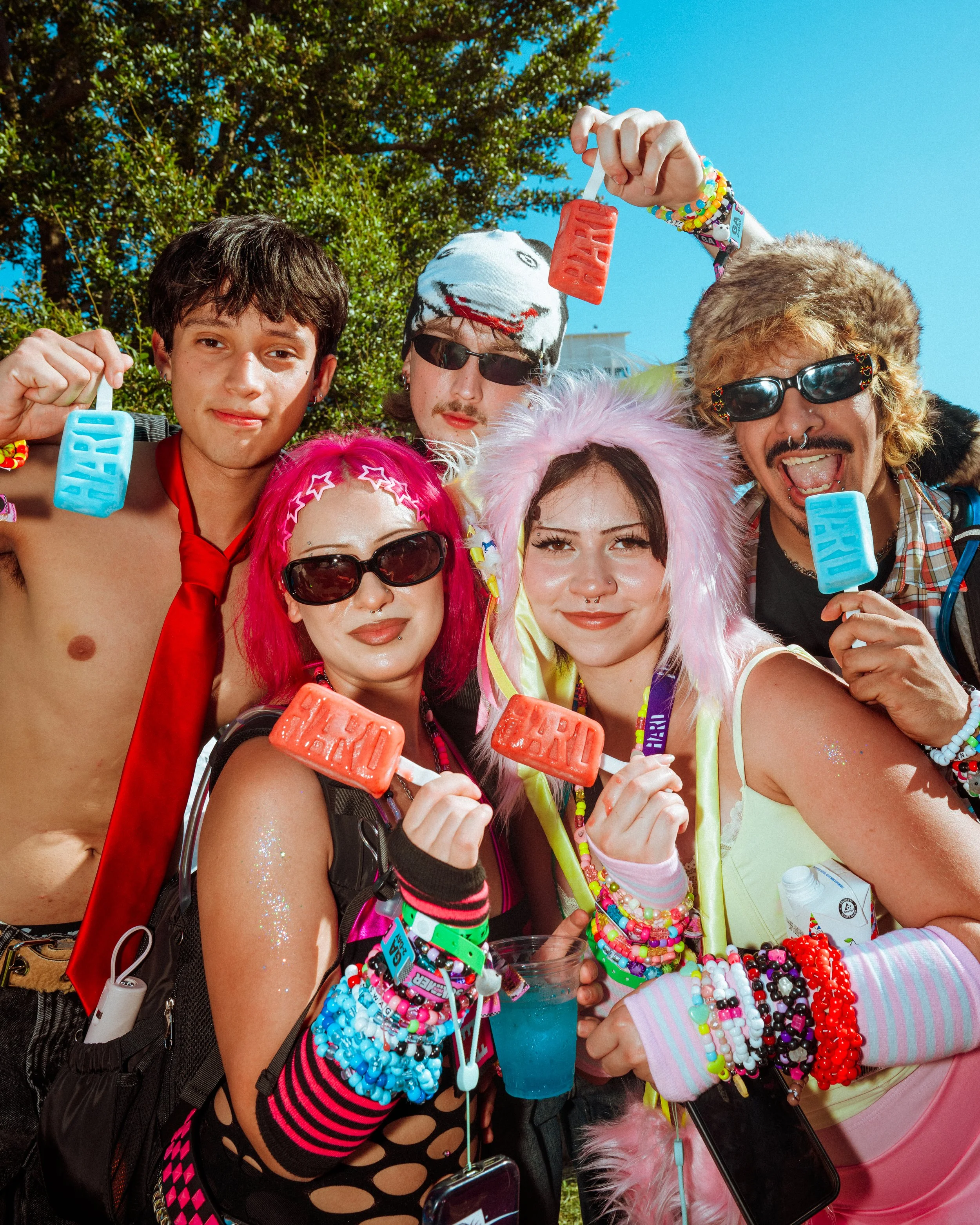
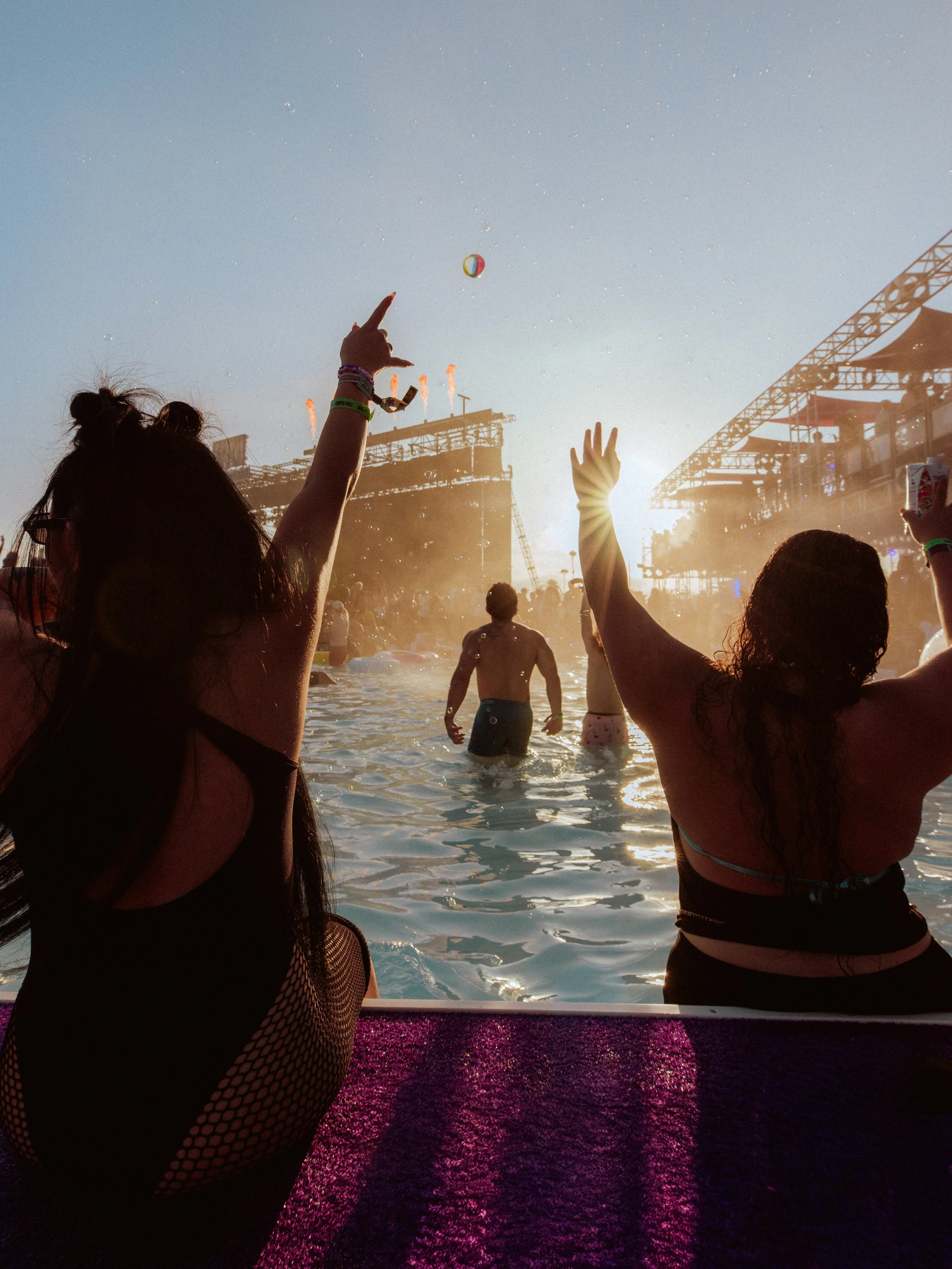
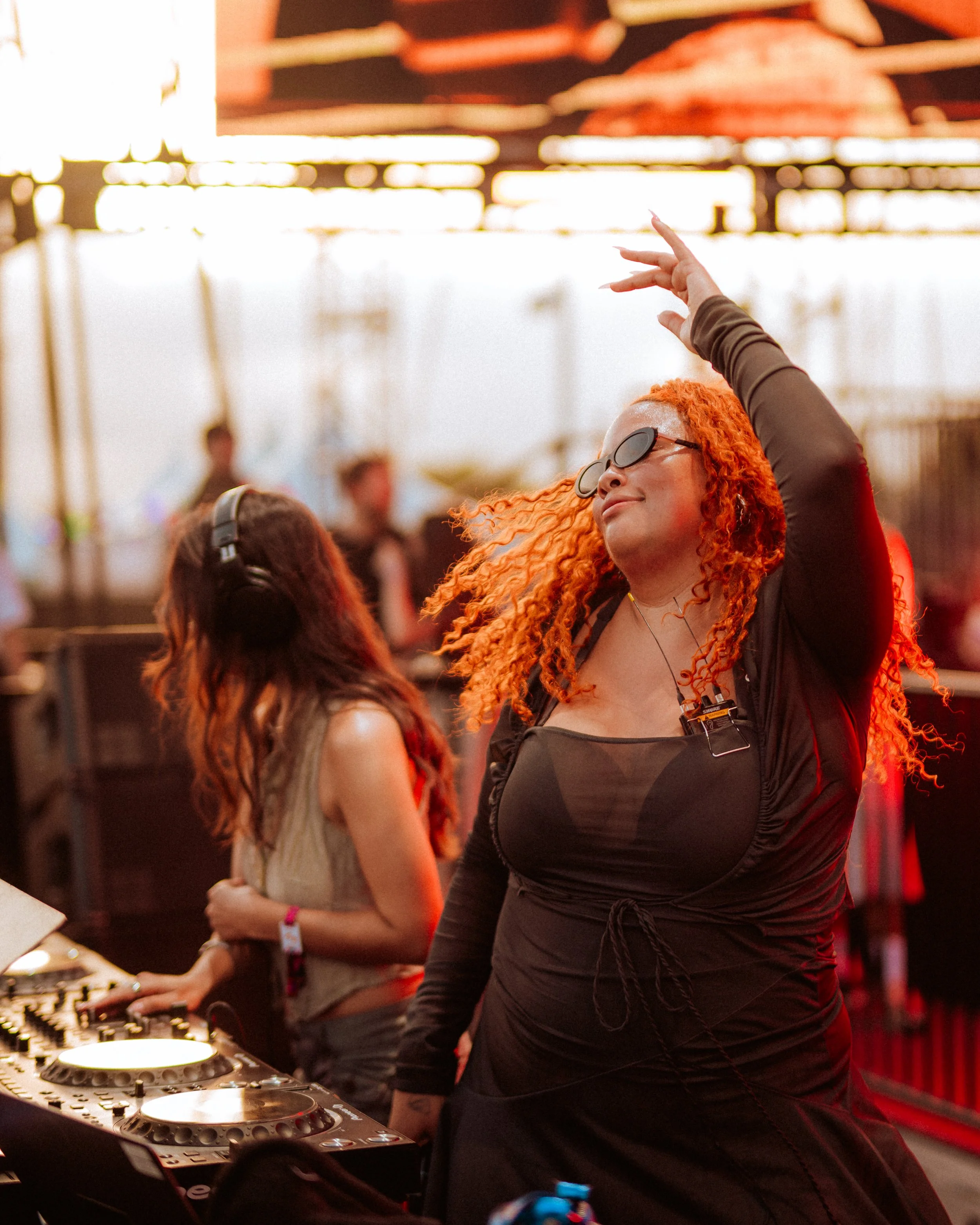
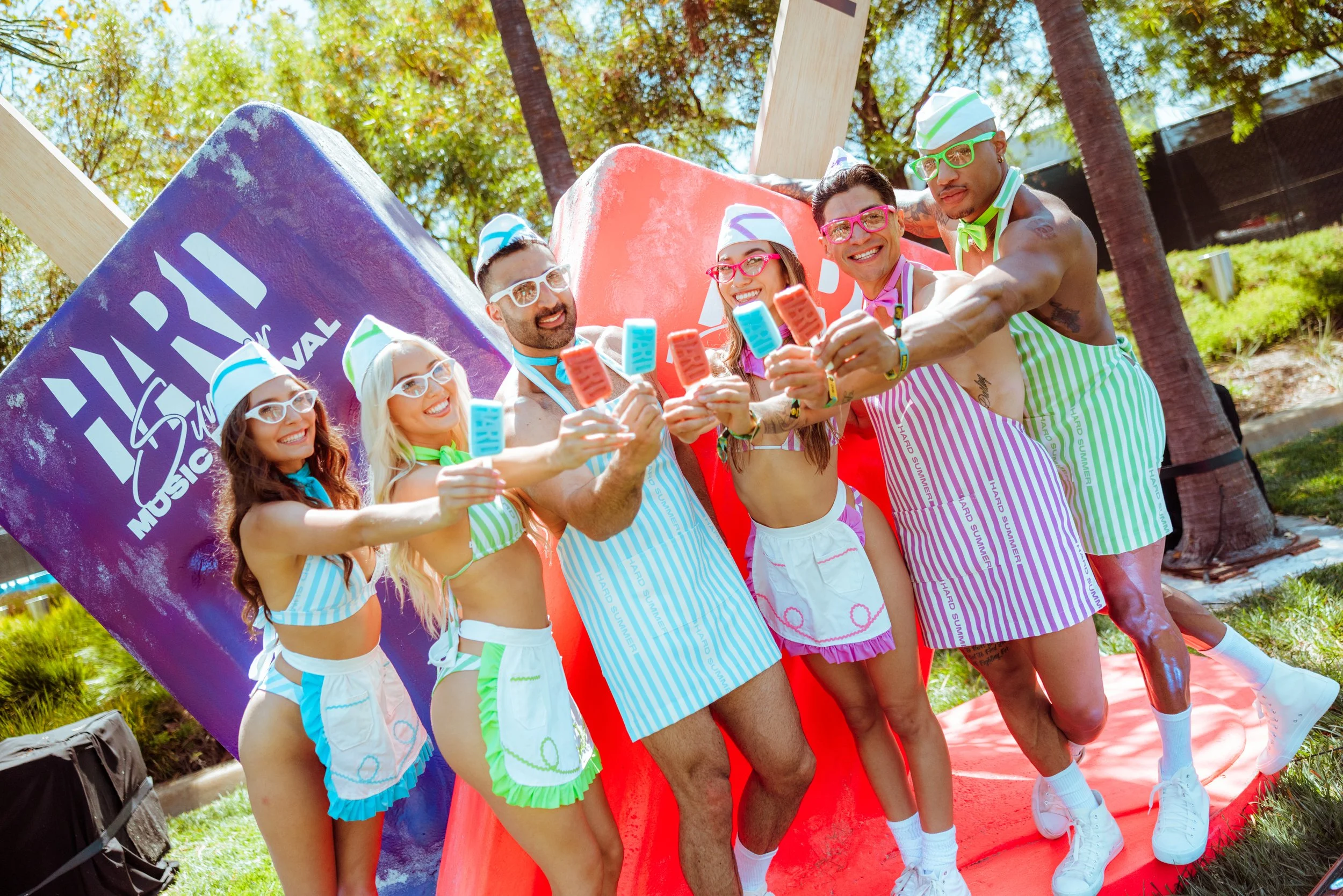
As electronic music continues to intersect with Latin music, hip-hop, pop and global club culture, HARD Summer is becoming a place where those intersections can happen in real time — sometimes intentionally through the lineup, sometimes spontaneously through a surprise guest, and sometimes simply through the people standing next to each other in the crowd. For two days, Hollywood Park was packed with those collisions. The bass was loud, the temperatures were higher, the stages were massive and Los Angeles showed up in full.
And that is ultimately why HARD Summer continues to matter beyond the music itself. Festivals are often snapshots of a particular moment in culture, and this festival has become one of Los Angeles’ clearest reflections of how quickly that culture is changing. The growing presence of Latino artists and fans, the collision of electronic music with hip-hop and latin music, and the festival’s willingness to give space to emerging international scenes all point toward a culture that is becoming increasingly borderless — something that feels especially meaningful during a time when division seems to be everywhere around us. HARD isn’t simply documenting that shift — it is giving people a place to experience it together. In a moment when so much of the world feels increasingly divided, there is something powerful about thousands of people from different backgrounds gathering in the same place, moving to the same music and finding common ground in the culture they share.