ABOOKOF: The Do LaB Experience - Where Music Never Stops
BY: JESSE zapatero
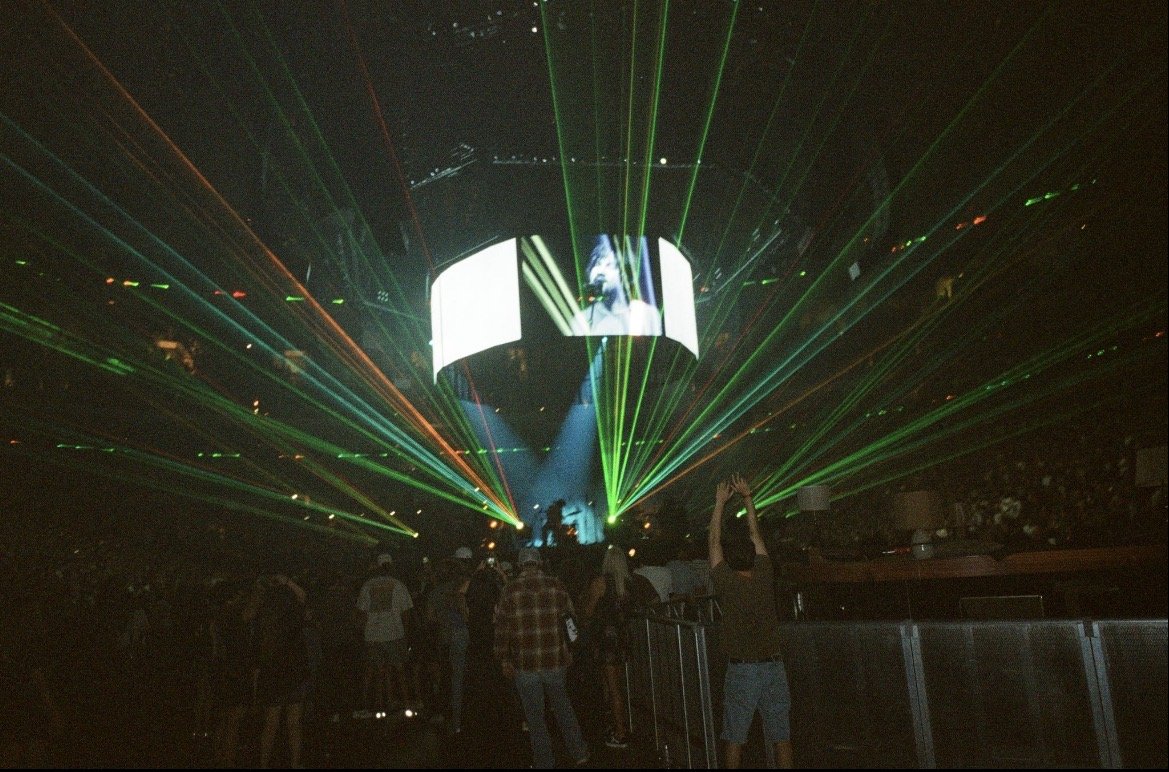
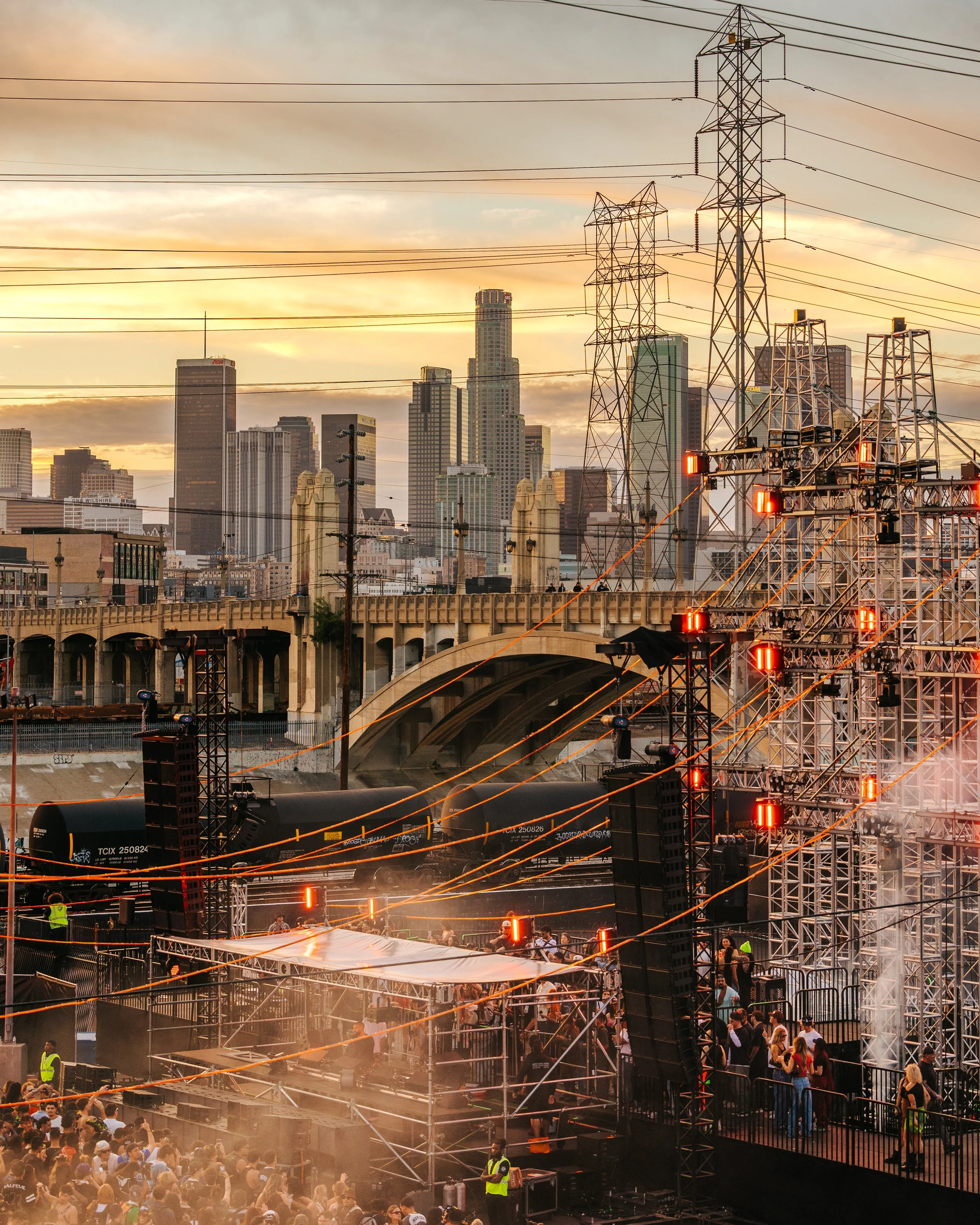
For two decades, the Coachella Valley Music and ARTS' Festival have served as a barometer for where global music culture is headed, but within its vast footprint there is a space that moves to its own pulse. At Empire Polo Club, the Do LaB continues to function not simply as a stage, but as an ecosystem—one built on immersion, continuity, and a refusal to let the music stop.
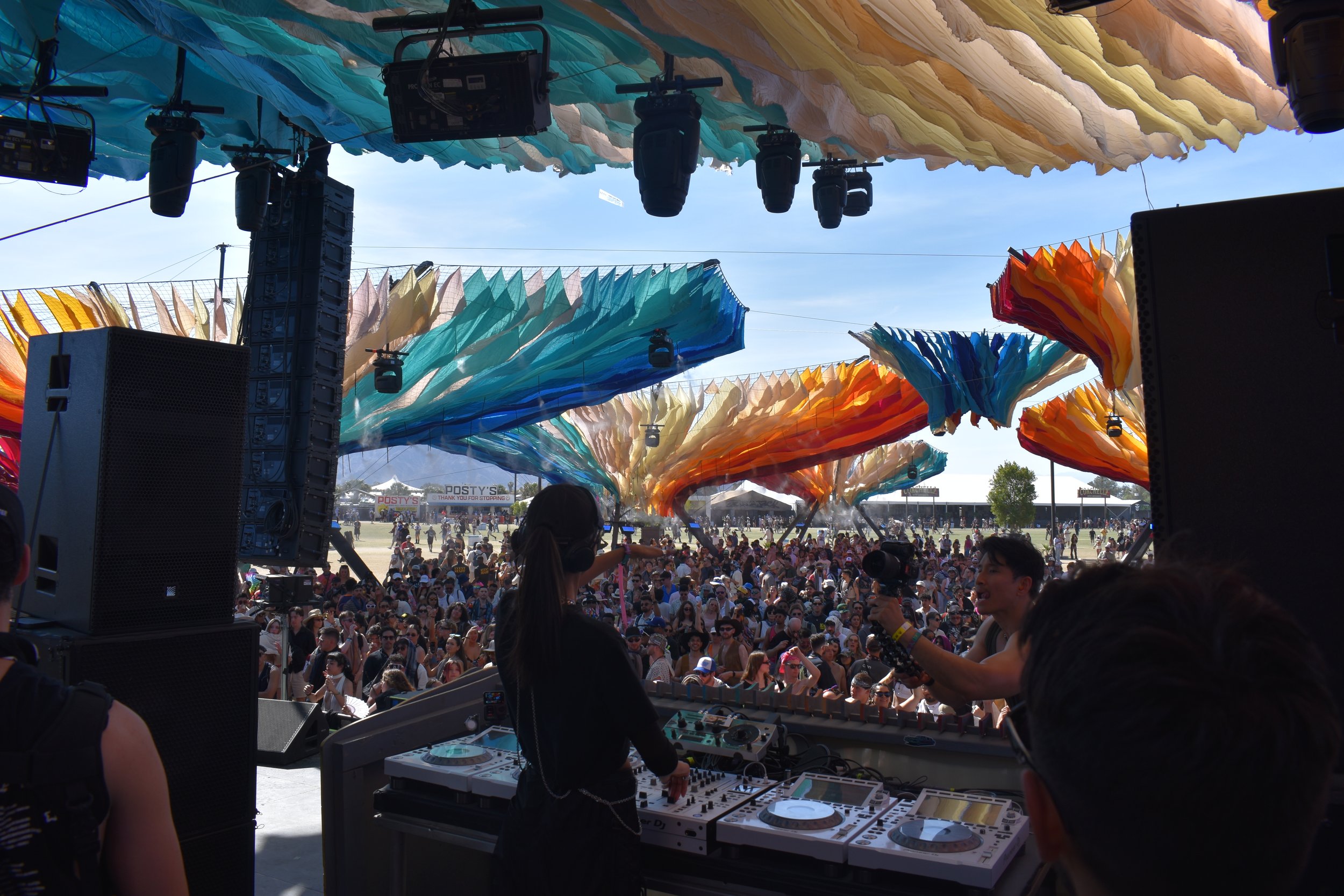
This year’s second April gathering felt particularly charged. The Do LaB’s relocation to a more prominent stretch just south of the main entrance reshaped the rhythm of arrival. Instead of stumbling upon it hours into the day, festivalgoers were greeted almost immediately by its towering structure and drifting mist. Bass spilled outward into field, drawing people in before they had even scanned the rest of the grounds. The new positioning amplified what the collective has always excelled at: creating an atmosphere that feels distinct from the rest of Coachella while remaining inseparable from it.
The Do LaB began in 2005 as a guerrilla-style art installation—assembled quickly, fueled by creativity rather than capital, and anchored by a DIY water feature meant to relieve desert heat. Over the years it evolved into a full-fledged stage while maintaining that improvisational spirit. The Flemming brothers—Jesse overseeing music curation, Dede managing production logistics, and Josh designing and engineering the structure—remain deeply hands-on. Josh, largely self-taught, continues to push architectural boundaries with materials ranging from steel to tensile fabrics, always balancing ambition with buildability. Their commitment to constructing and shaping the environment themselves, rather than outsourcing it entirely, is central to why the space feels personal rather than corporate.
The defining characteristic of the Do LaB remains its seamless flow. While other stages pause for lengthy resets, here transitions are nearly imperceptible. Sets blend into one another with barely a breath in between, preventing the exodus that typically follows a final track. Energy compounds instead of restarting. By late afternoon, the dancefloor feels less like a rotating audience and more like a sustained gathering of believers.
Elsewhere in the lineup, Snakehips went back-to-back with What So Not, merging glossy UK electronic textures with high-impact festival momentum. Tycho offered a DJ set that leaned deeper and more rhythmic than his live performances, while Kitty Ca$h stitched together a cross-genre blend that felt both curated and spontaneous.
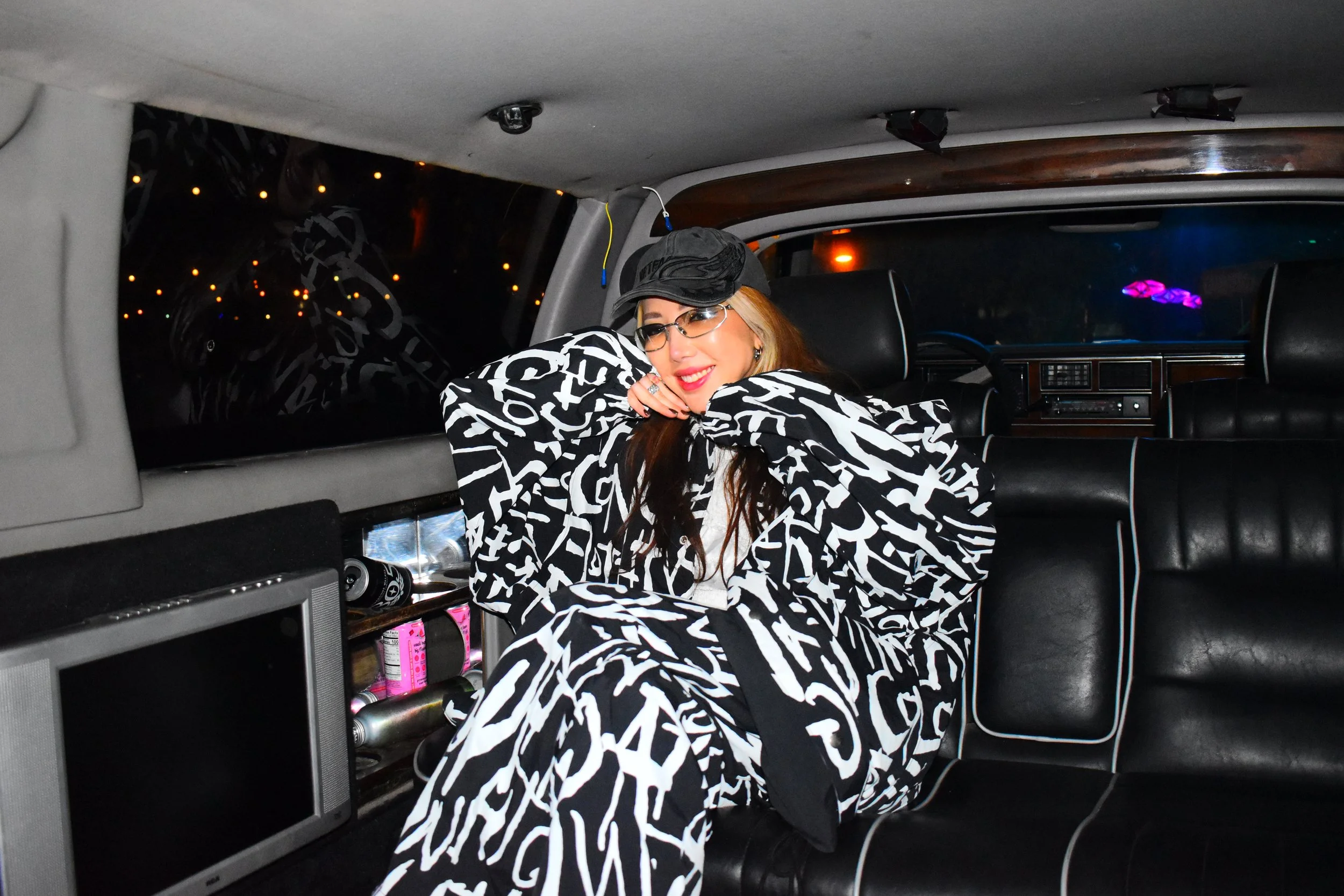
TOKiMONSTA returned to the Do LaB for the first time in a decade, an appearance loaded with symbolic weight. As founder of Young Art Records, her influence stretches beyond her own discography, and her set reflected that curatorial sensibility—layered, dynamic, patient in its build.
The final surprise slot belonged to Mau P, whose ascent over the past few years has been undeniable. His closing performance surged with driving house momentum, and sightings of Alesso and Martin Garrix dancing in the booth underscored the gravitational pull of the space. Even artists commanding massive main-stage crowds are drawn to its proximity and looseness.
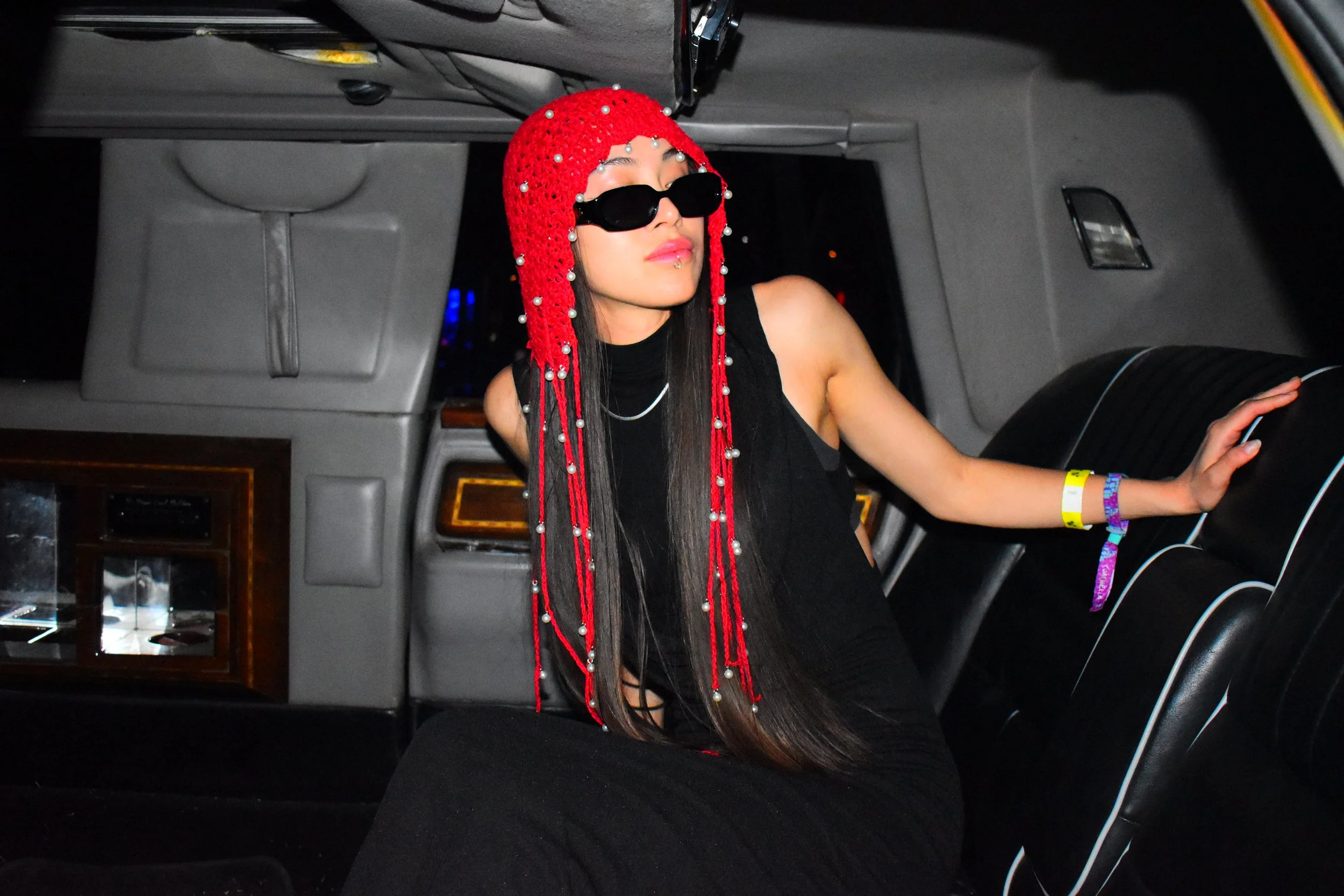
One of our personal favorite moments was when Shima stepped into the Do LaB , it marked more than a debut—it was the realization of a goal she set when she relocated from Tokyo to Los Angeles six years ago.
The former J-pop idol, who began her career at 14 in the girl group FAKY, has since carved out a fiercely independent path as a producer and DJ, trading manufactured pop for full creative control. Her hour-long set unfolded as a globe-spanning collage of sound: trap drums dissolved into techno pulses, flashes of house and hip-hop braided together with Latin rhythms and subtle nods to her Japanese roots. Shima often weaves in samples of traditional instruments and folk melodies, reshaping them into textured, experimental electronic compositions that feel both transportive and grounded. The early crowd responded in kind—locked into the groove, swaying one moment and bouncing the next—as her trance-leaning sequences built a hazy, kinetic atmosphere. For an artist who once resisted the confines of idol pop while privately absorbing influences ranging from alternative rock to avant-garde electronic music, the Do LaB provided the ideal canvas: intimate, open-minded, and primed for reinvention.
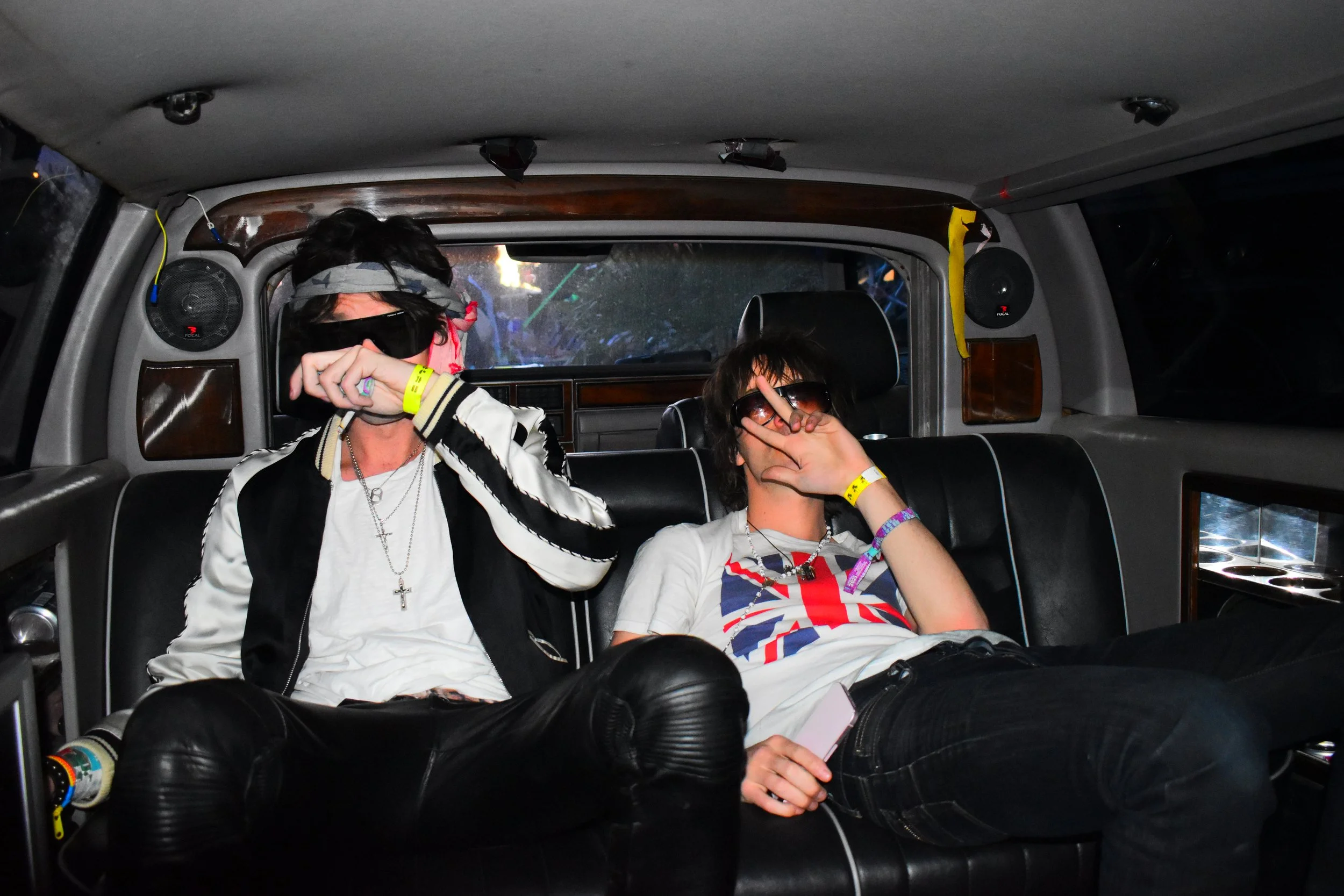
The Hellp delivered an alternative-leaning DJ set tinged with indie textures, while a drum and bass showcase from Ivy Lab B2B Kasra injected precision and velocity. It was a reminder that the Do LaB has long functioned as an incubator, spotlighting artists on the cusp of wider recognition while giving established names room to experiment.
Physical design plays an equal role in shaping the experience. Barricades sit close to the decks. The stage remains relatively low, minimizing separation between performer and audience. Unless an artist explicitly objects, dancers are often welcomed behind the booth, blurring boundaries and erasing hierarchy. In a festival setting where VIP platforms and distance can dominate, this accessibility feels radical.
As electronic music has expanded across Coachella’s footprint—from the Sahara’s stylistic shifts to genre diversity embedded across the lineup—the Do LaB has remained a constant. It operates with unusual autonomy, booking talent independently and prioritizing sounds that may not yet headline the larger tents but are shaping the future. Many major acts have passed through here before ascending to bigger platforms.
What lingered most over these three days was the sense of collective release. People were not standing still, filming passively, or waiting for drops with folded arms. They were turning toward each other, forming circles, exchanging smiles. The mist softened the heat. The music never truly paused. By the time night settled in, the space felt less like a stop along a festival route and more like a destination people chose to stay within.
Twenty years after its improvised beginnings, the Do LaB has refined its operation without sacrificing its scrappy core. The founders still work onsite, tending to details, collaborating directly with their crew, investing sweat equity into every beam and water line. That physical commitment translates into emotional authenticity.
Within the sprawling scale of Coachella, the Do LaB remains a reminder that scale alone does not define impact. Continuity does. Proximity does. The simple, sustained act of dancing together—without interruption—still carries power.
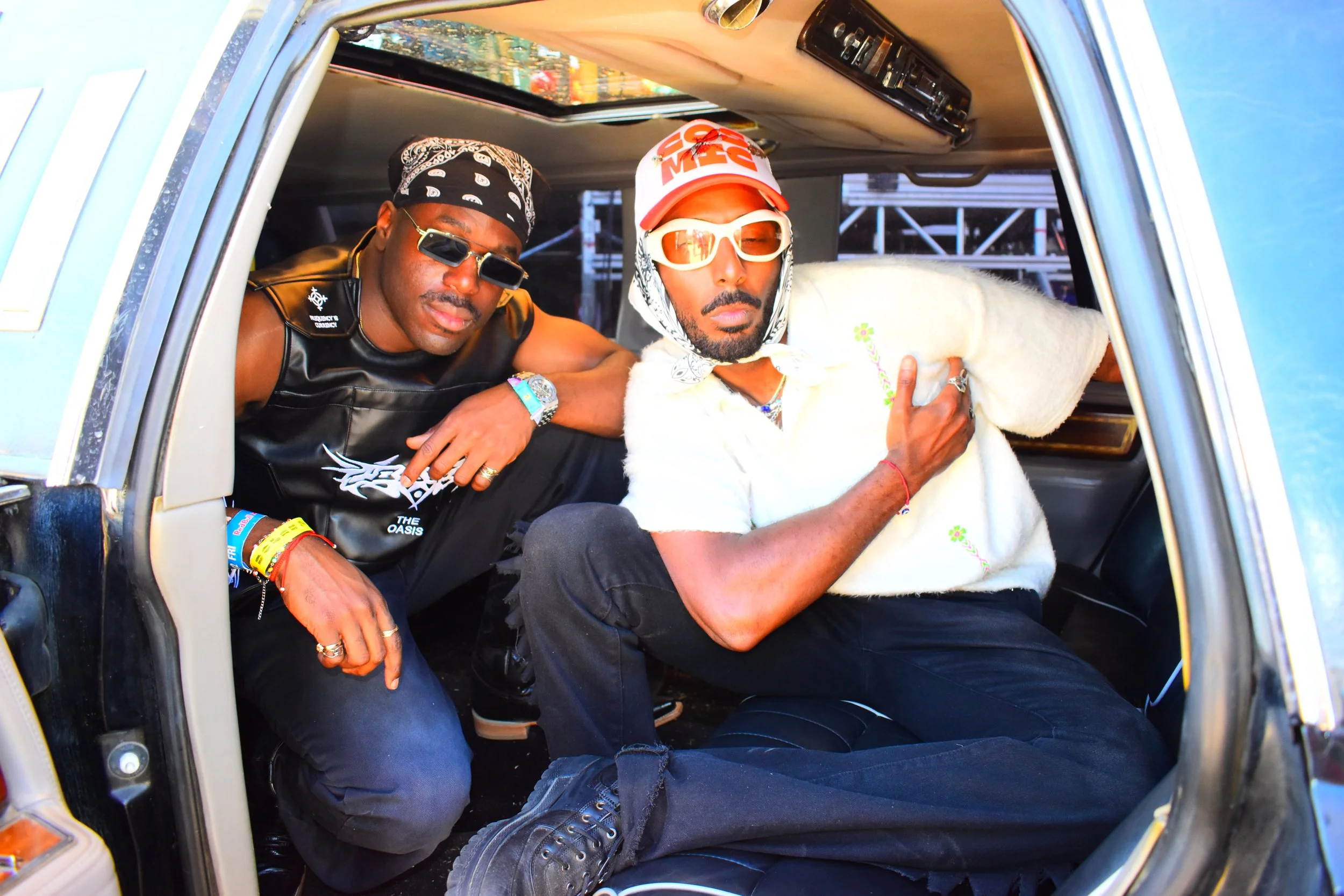
PHOTOS BY JESSE ZAPATERO