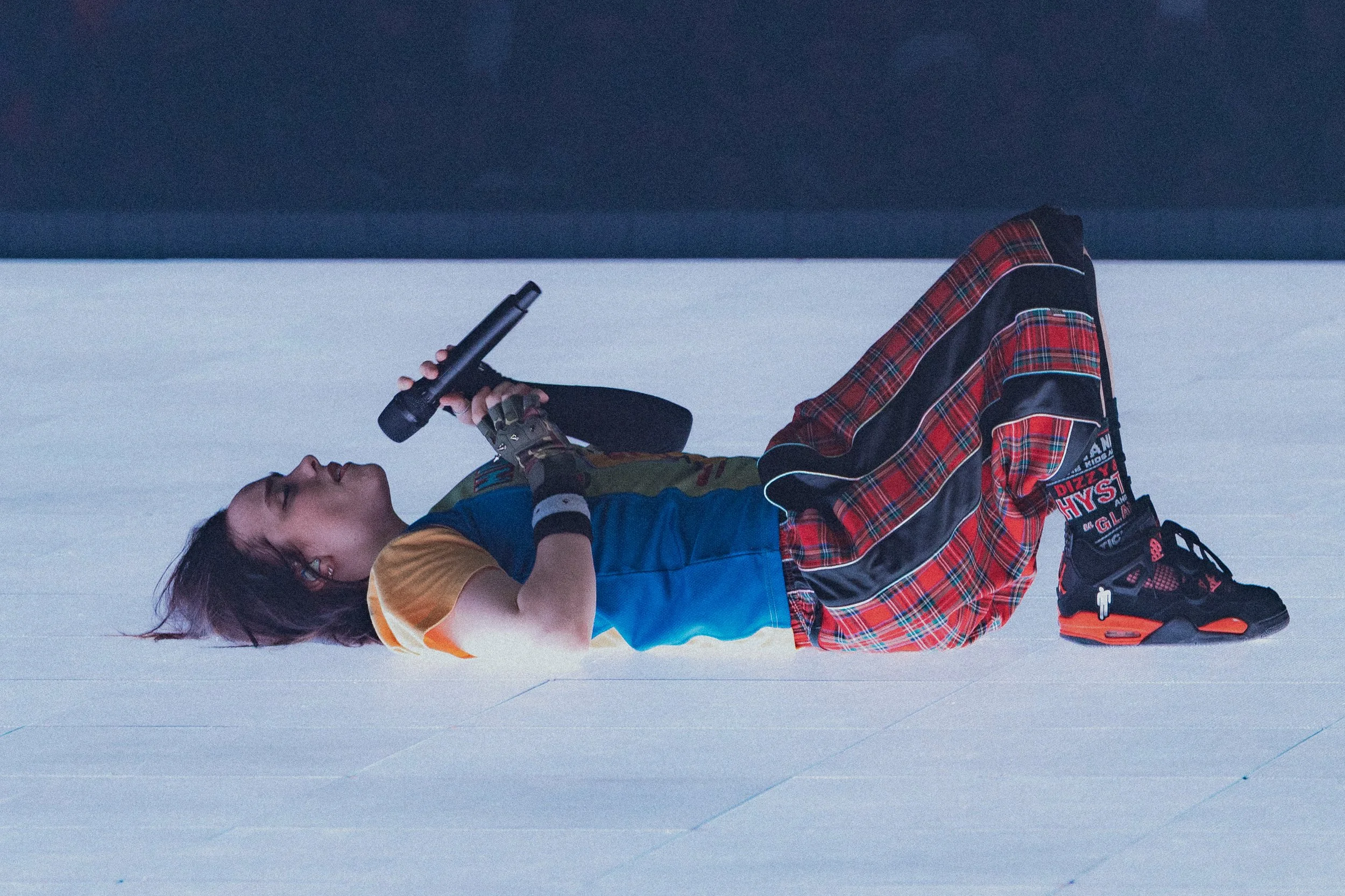
Lady Gaga’s Mayhem Ball Reigns at the Forum
By: jesse zapatero
PHOTOS BY: NICKO GUIHAI
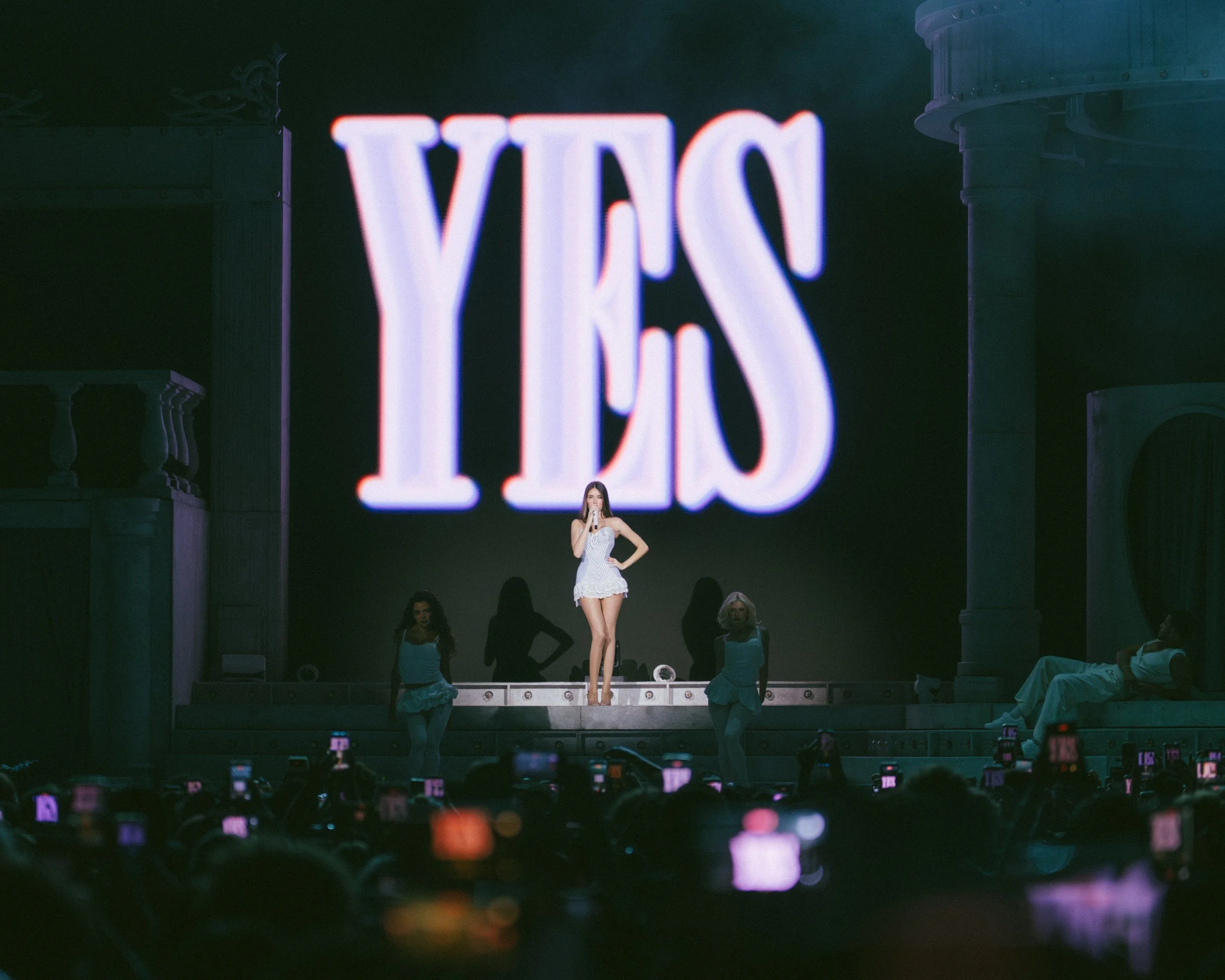
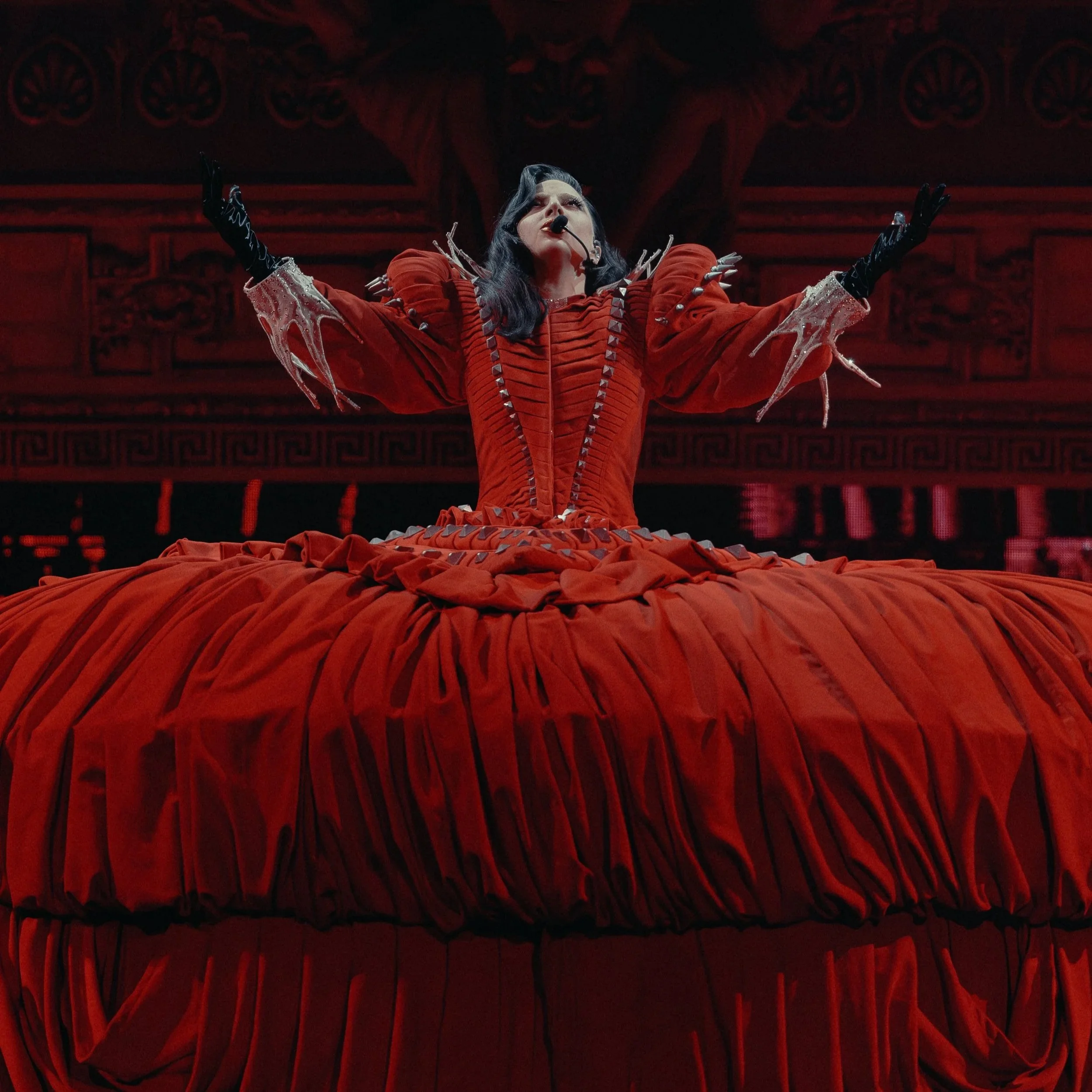
On February 19, Lady Gaga transformed the Kia Forum into a cathedral of controlled chaos for Night 2 of her Mayhem Ball residency in Los Angeles. Filmed for an upcoming concert movie directed by Sam Wrench—the evening carried the weight of permanence. Yet nothing about it felt stiff or over-rehearsed. Instead, it unfolded like a living opera: theatrical, volatile, intimate, and monumental all at once.
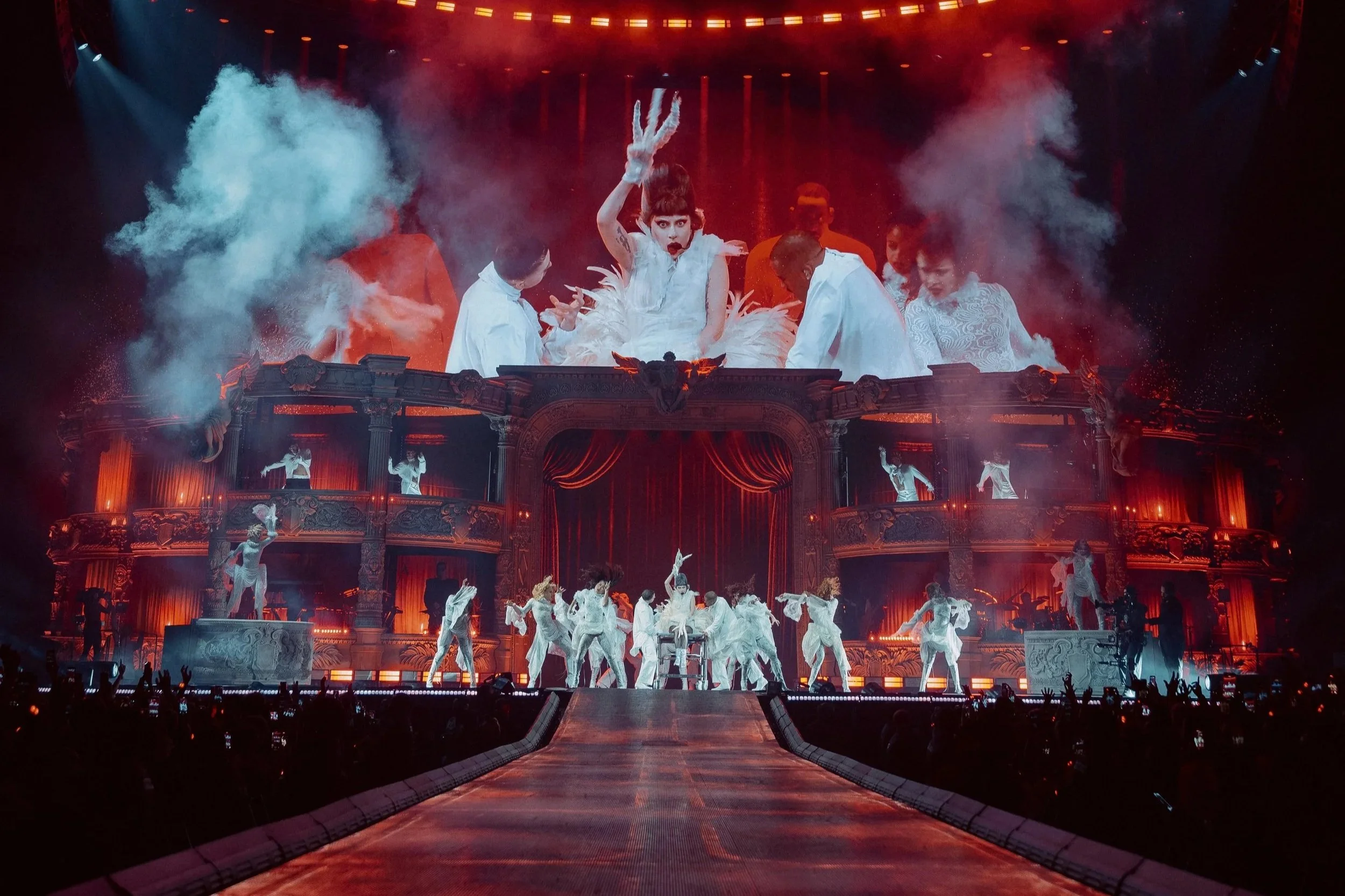
The show opened with an overture titled Manifesto of Mayhem + La Maison du Chaos, an audiovisual prologue that established the night’s central tension—duality. Two Gagas. Two forces. Creation and destruction locked in elegant combat. When she finally emerged for “Bloody Mary,” the eruption inside the Forum felt seismic. What followed in Act I: Of Velvet and Vice was a masterclass in tension and release. “Abracadabra” and “Judas” surged with feral energy, their religious iconography reframed through gothic pageantry. “Aura” and “Scheiße” leaned into industrial textures, her choreography sharp and militaristic, while “Garden of Eden” slithered with theatrical seduction. By the time “Poker Face” detonated across the arena, the crowd was no longer an audience but a choir, chanting every syllable as if it were ritual.
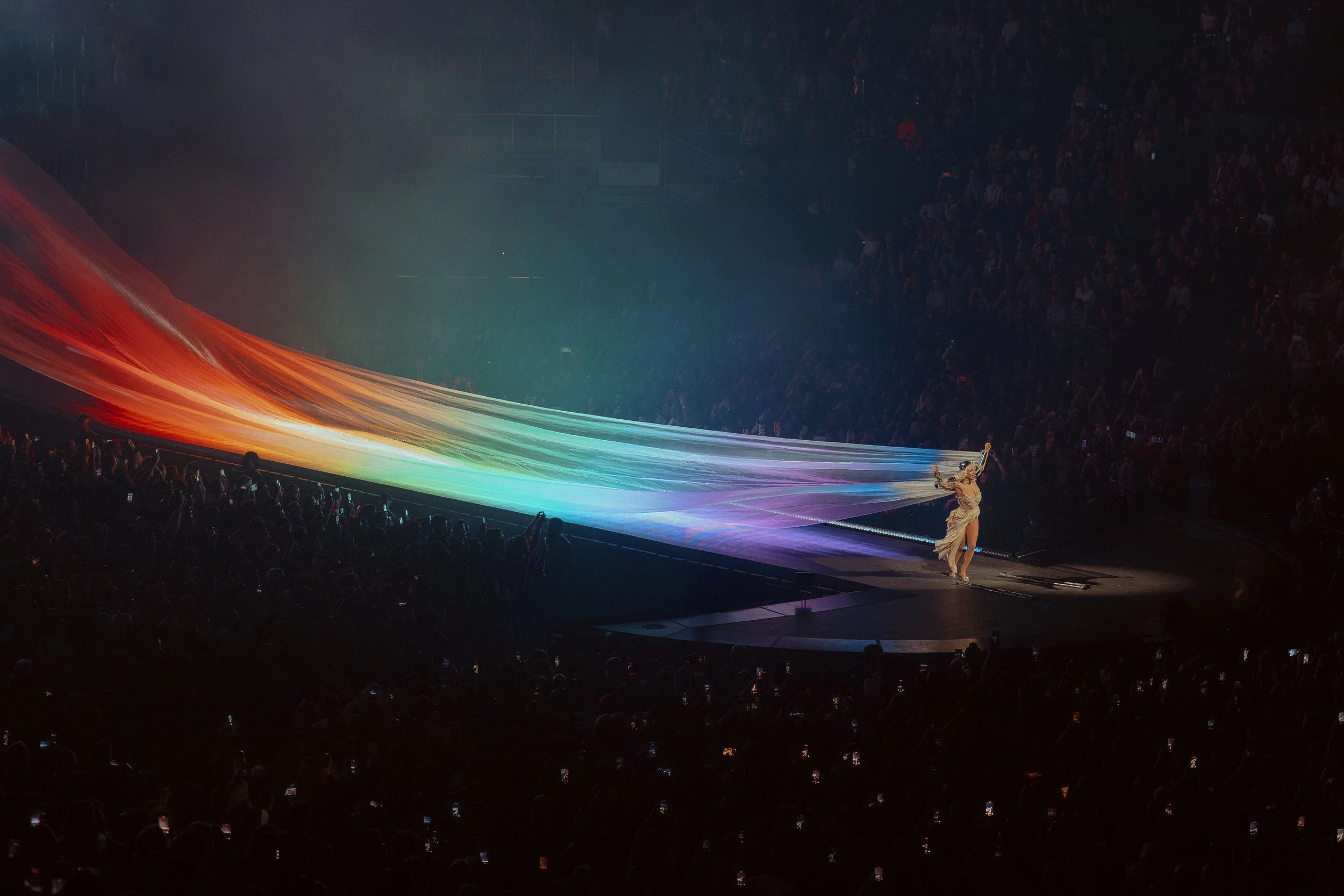
Act II: And She Fell Into a Gothic Dream deepened the spectacle. The lighting softened into bruised purples and midnight blues, as though the arena had been submerged underwater. “Perfect Celebrity” and “Disease” examined fame as both addiction and affliction, her delivery biting yet self-aware. “Paparazzi” was staged like a tragic ballet, evoking the fragility beneath the flashbulbs. “LoveGame” and “Alejandro” pulsed with decadent nostalgia, while “The Beast” closed the act in cinematic darkness, Gaga embodying both predator and prey. Even with cameras gliding through the crowd, capturing every movement for posterity, the performance never lost its immediacy.
If the first half was spectacle, Act III: The Beautiful Nightmare That Knows Her Name was catharsis. “Killah,” “Zombieboy,” and “The Dead Dance” exploded with kinetic choreography, dancers moving like shadows cast from her psyche. The new material felt muscular and urgent, yet seamlessly threaded into the fabric of her legacy. “LoveDrug” offered a shimmering moment of vulnerability before “Applause” reignited the arena in a frenzy of mirrored lights and ecstatic movement. When the opening synths of “Just Dance” hit, time collapsed. Seventeen years after it first introduced her to the world, the song still felt electric—proof that some debuts don’t age; they crystallize.
Then came Act IV: Every Chessboard Has Two Queens, perhaps the emotional spine of the evening. The title alone suggested strategy, duality, power shared and contested. “Shadow of A Man” and “Kill for Love” carried a brooding intensity, but the atmosphere shifted when she moved to the piano. “Summerboy” shimmered with nostalgia before she delivered a soaring “Born This Way,” transforming the arena into a sanctuary of affirmation. The transition into “Million Reasons” was stripped-down and raw, her voice unadorned and luminous. “Shallow” echoed with cinematic grandeur, while “Die With a Smile” and “Vanish Into You” bridged past and present, revealing an artist unafraid to let softness exist alongside spectacle.
The Finale: Eternal Aria of The Monster Heart arrived with operatic force. “Bad Romance” was less a song than a collective exorcism, the choreography crisp and ferocious as ever. Flames of white light shot skyward, and for a moment, it felt as though the entire arena had been lifted off its foundation. The surprise segment, “Monsters Never Die!,” served as both manifesto and benediction—a reminder that her community of Little Monsters is not a marketing creation but a living, breathing subculture built on mutual resilience.
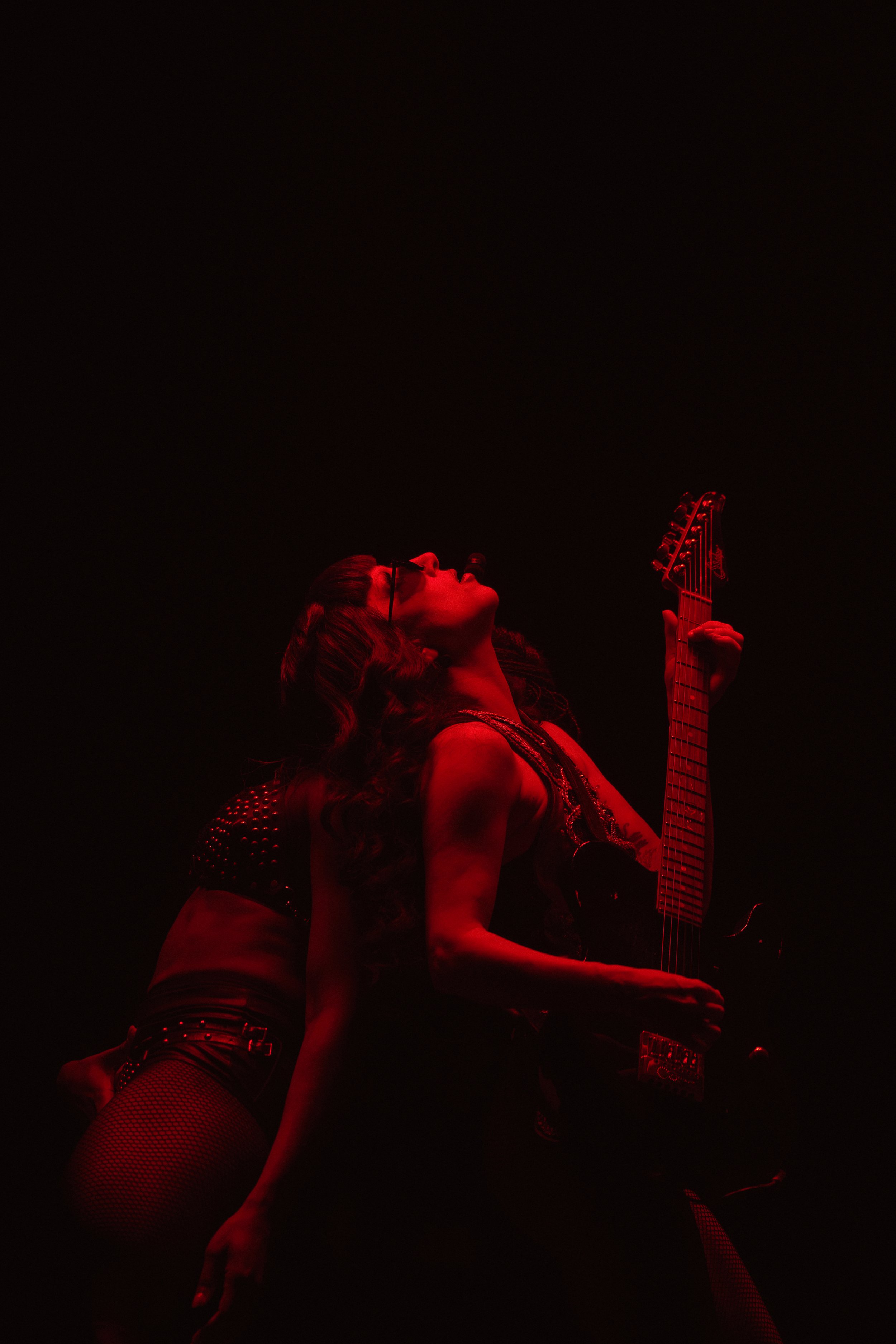
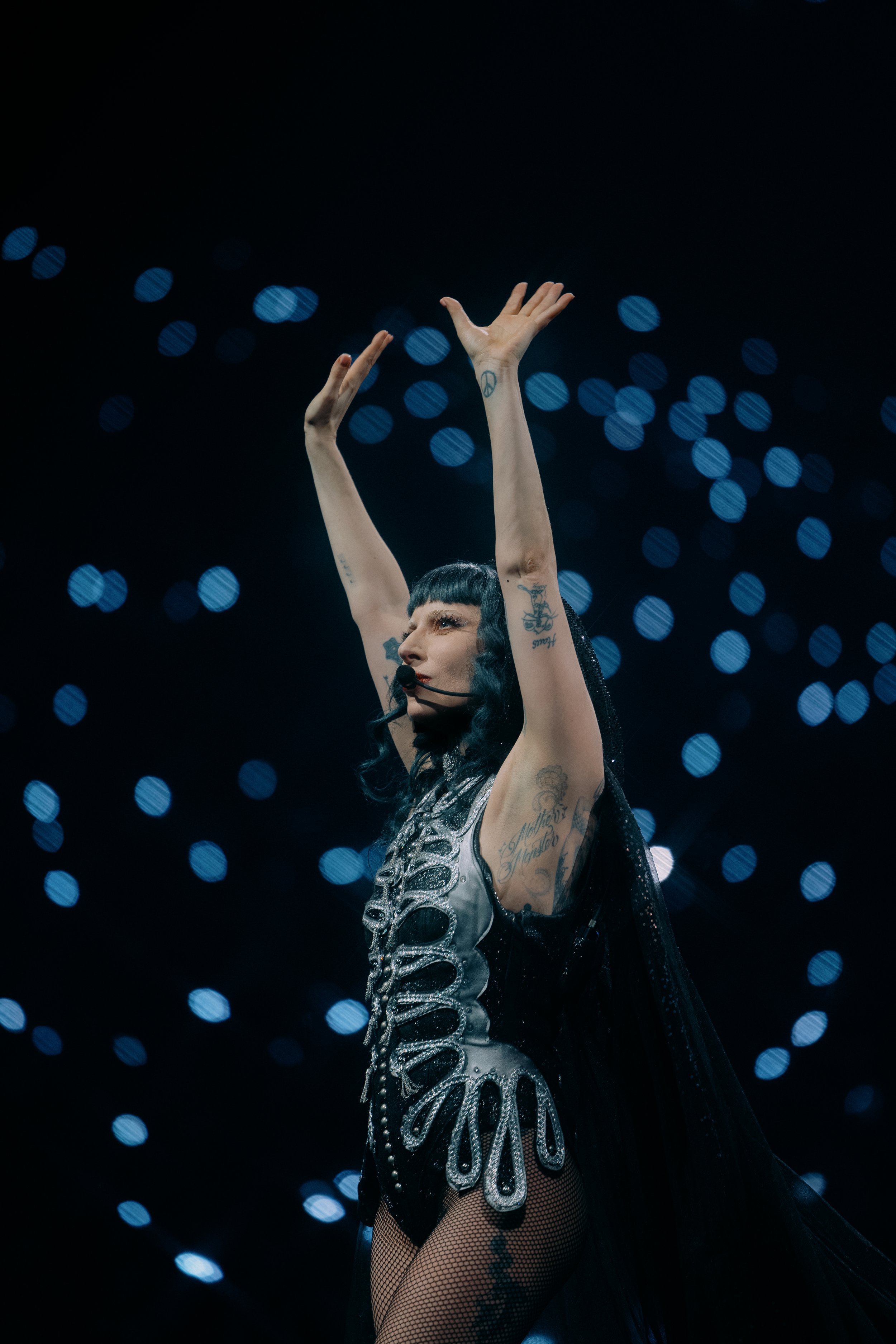
For the encore, she returned with “How Bad Do U Want Me,” playful yet commanding, sending the crowd into one final eruption. Even minor pauses for filming adjustments or a quick costume fix only amplified the authenticity of the night. Between acts, chants of “Gaga!” rippled through the Forum, proof that devotion does not require prompting.
What distinguishes Gaga at this stage in her career is not merely endurance, but evolution. There was a time when her shock value dominated headlines; now, her artistry does. The Mayhem Ball demonstrates a performer who has refined chaos into craft. She commands spectacle without being consumed by it. She revisits her past without living in it. And she continues to expand a catalog that refuses to calcify.
Lady Gaga did more than deliver a flawless production. She embodied what it means to be legendary—not through nostalgia, but through presence. Nearly two decades into her reign, she stands not as a relic of pop’s most flamboyant era, but as one of its architects. The Mayhem Ball is not a victory lap. It is a declaration that the monster heart still beats, louder and stronger than ever.