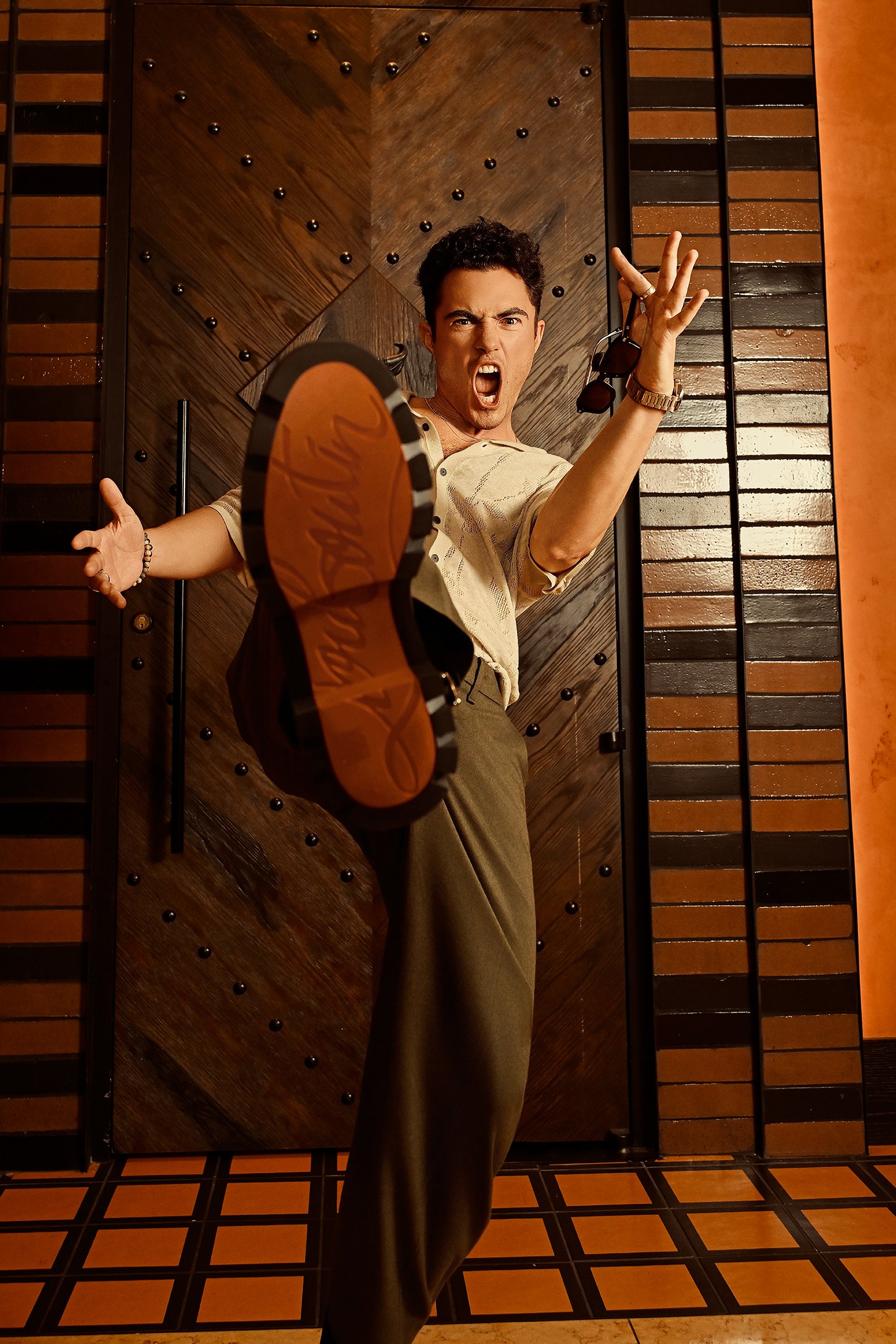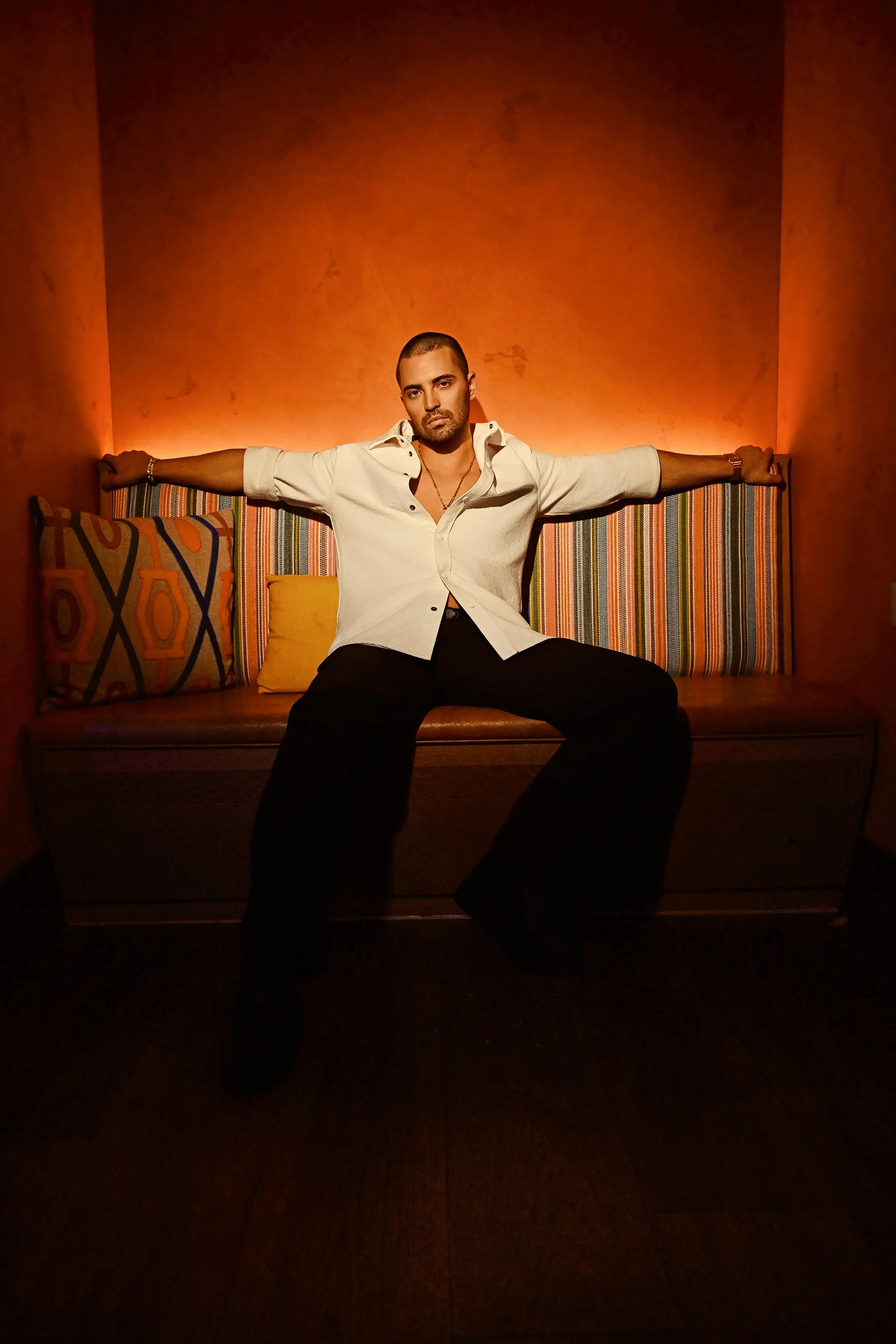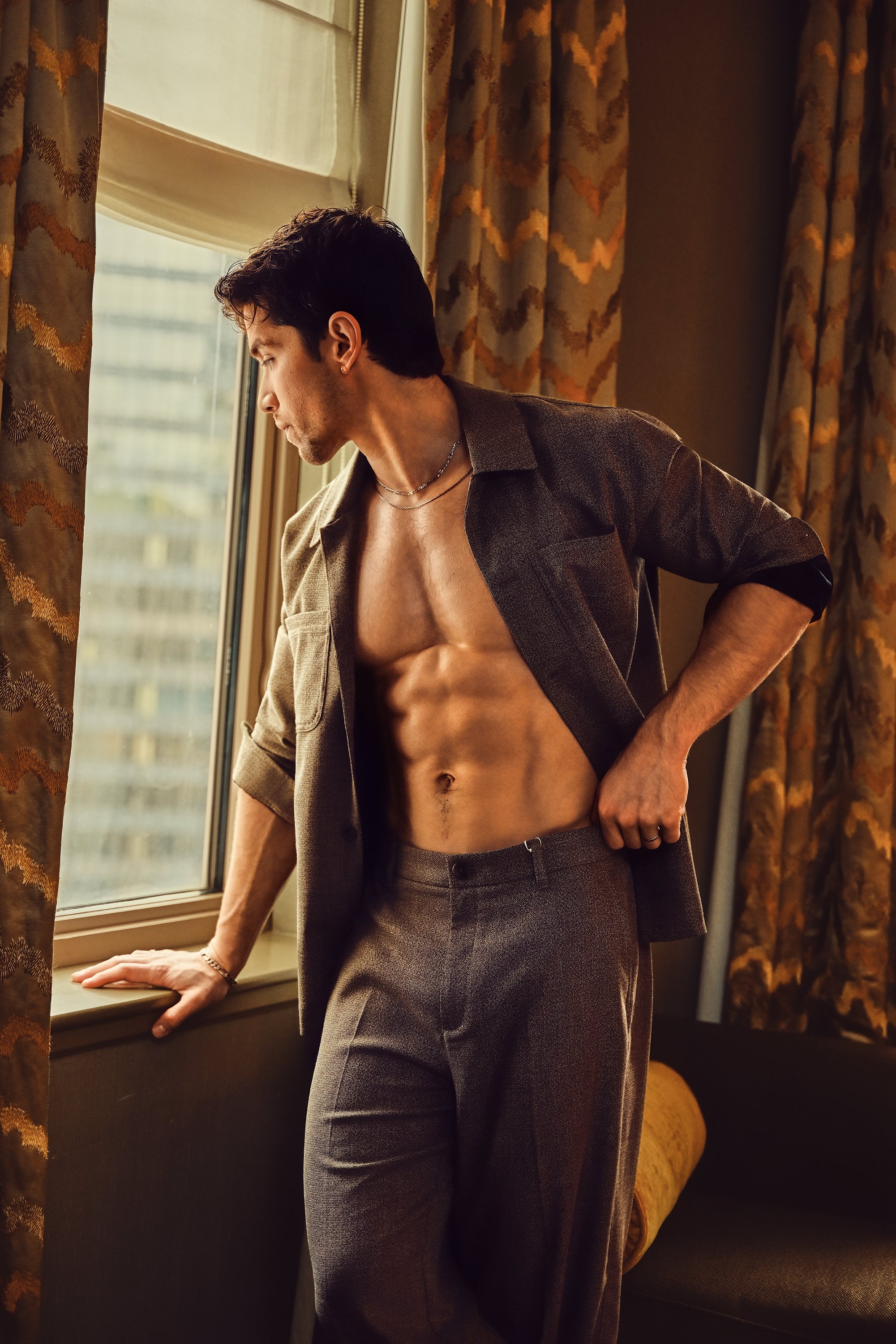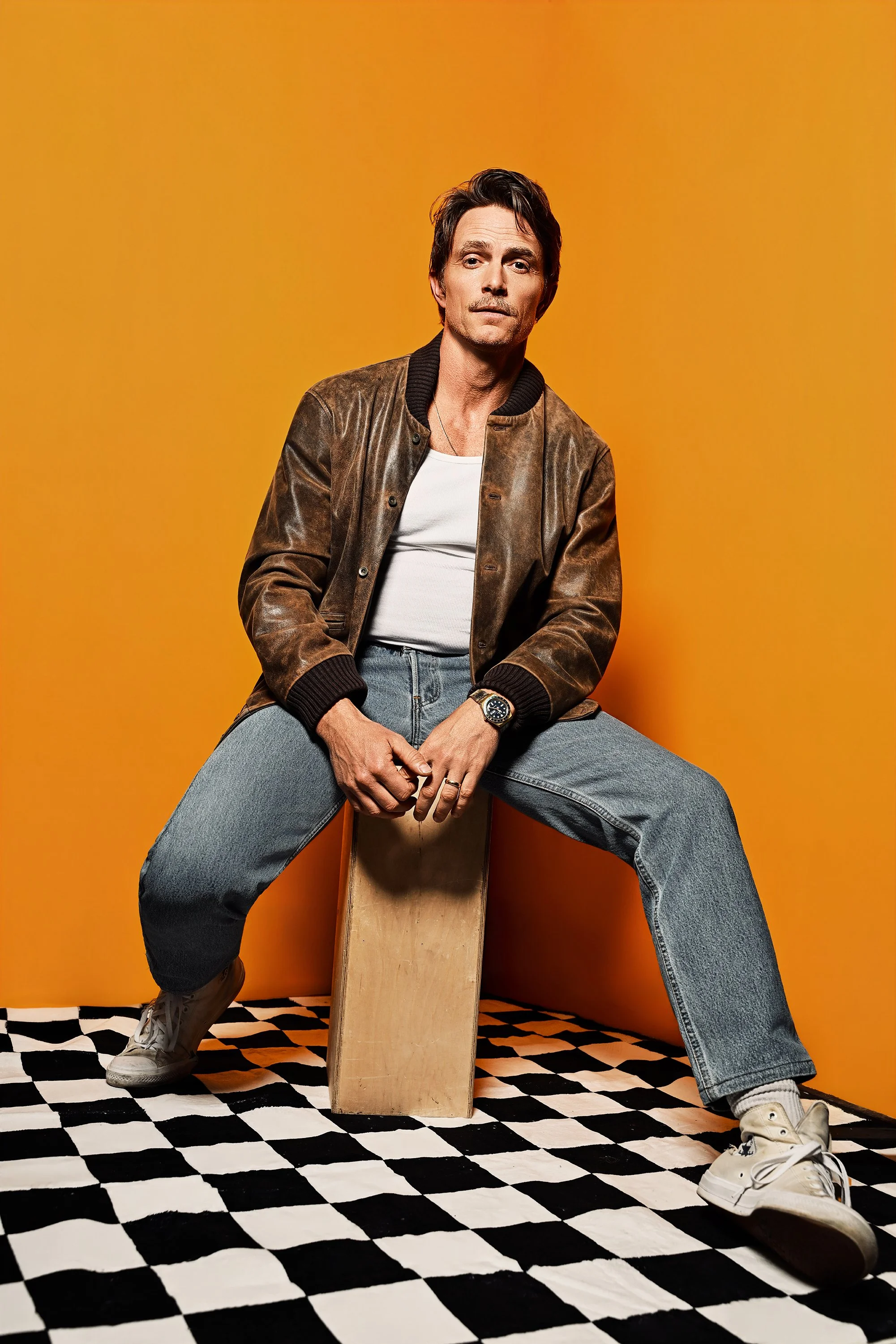
PAWPAW ROD
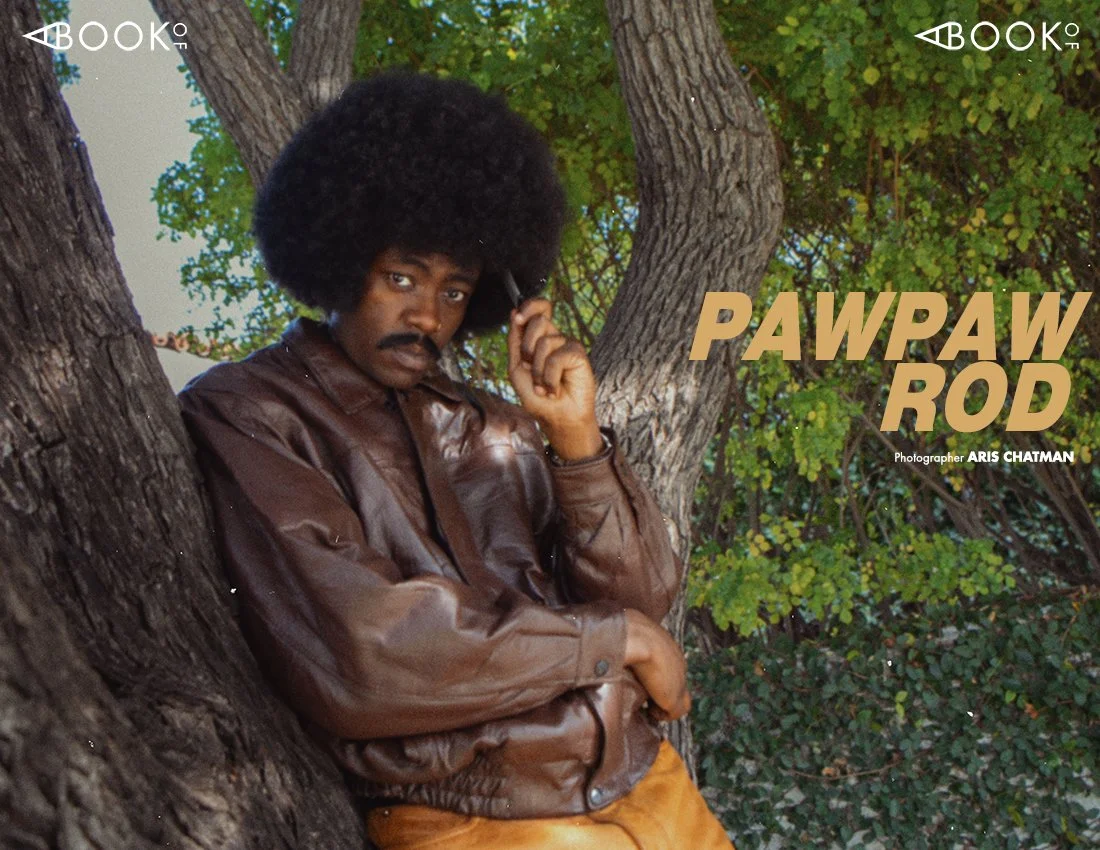
PHOTOGRAPHER: ARIS CHATMAN
PAWPAW ROD has always had a gift for making movement sound like memory. Hawaii-born, Oklahoma-raised, and shaped by the constant motion of being a military kid, the rapper and singer has built a world where hip-hop, ’60s soul, funk, and alternative music do not compete for space; they sit at the same table. On Picture Day, his debut album arriving May 15, that world comes into fuller focus. Named after the childhood tradition of school photos, those small proofs that you were once somewhere before life moved again, the record unfolds like a series of snapshots: resilience on “The Get Back,” grief on “I Wish,” self-belief on “Bettin On Me,” and grown-up intimacy on the final single “Lights Down Low,” a slinky late-night groove featuring Sherwyn, produced by Two Fresh, and expanding the album’s emotional palette with desire, connection, and a little heat. The album also includes a newly announced feature from Tommy Newport, and PawPaw Rod will bring this chapter on the road with his sophomore headlining Picture Day Tour beginning this June, with stops in Brooklyn, Toronto, Chicago, Los Angeles, and festival appearances at Bonnaroo, Summerfest, Bumbershoot, and more.
What makes Picture Day feel alive is not just its polish or its bounce, but the way PawPaw Rod lets joy carry the weight. He talks about music like a diary you only understand after reading it back months later, where the songs reveal what the heart was trying to say before the mind caught up. In conversation, he is thoughtful without being precious, funny without dodging the feeling, and clear about the kind of artist he is still becoming. He remembers moving through rooms as the new kid, finding identity in Oklahoma, hearing Marvin Gaye and Erick Sermon through his father’s excitement, and learning that belonging is not something that simply arrives; it is something you practice by showing up honestly. For an artist whose breakout “HIT EM WHERE IT HURTS” has helped push his catalog past 200 million global streams, success has not erased the simple things he wants to protect: walking around, being regular, finding a coffee shop that knows his order. Near the end of our conversation, he brings the album back to its truest frame, saying, “It’s proof I was here. That I felt something, went through something, and gave something real.”
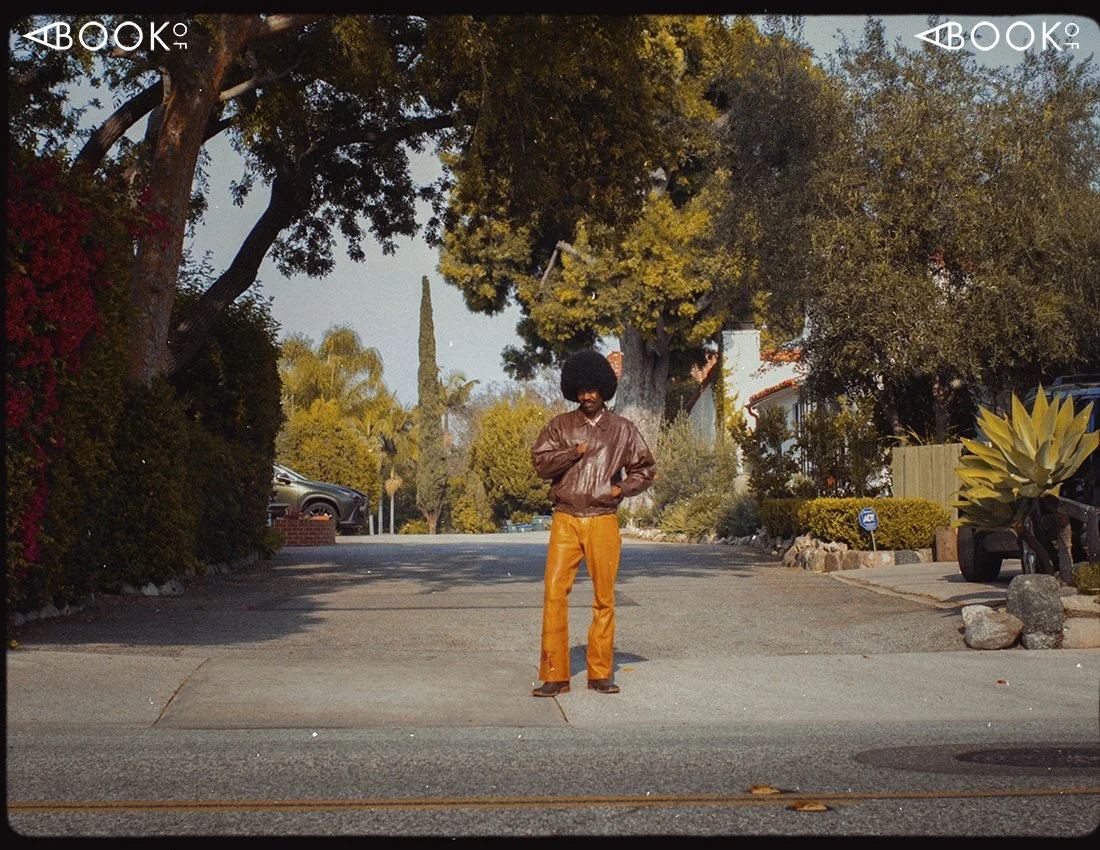
PHOTOGRAPHER: ARIS CHATMAN
Picture Day treats the school photo as proof that you were here, even if home kept changing. When you look back at the version of yourself in those snapshots, what do you think he was learning about belonging before he had the words for it?
I was learning that you get out what you put in—not just in work, but emotionally too. When you move often, you realize people can only meet you as far as you’re willing to show up. It’s like therapy. You can’t get anything out of it unless you’re honest.
Without having the language for it, I was learning that belonging isn’t something that just happens to you. It comes from being open, speaking with conviction, and putting your heart into things. Even if things don’t last, you still have to nurture them while you’re there. That applies to everything—relationships, goals, whatever. That was the lesson.
You have talked about feeling nomadic, but also about Oklahoma as the place you return to and claim. What is the most Oklahoma part of you that still shows up in the studio, in your style, or in the way you read a room when you are the new person in it?
Honestly, I’m my mom and dad’s son. They’re from Oklahoma. That’s my real tie back. No matter where I go, that’s where I reset.
It shows up in small ways. I wear my pawpaw’s old clothes. My dad sends me playlists and gets excited when my song plays next to artists he grew up with. Hearing my family say they’re proud of me means everything.
As a military kid, I had to learn how to walk into new rooms and figure people out quickly. Oklahoma sharpened that skill, too—small-town energy, work ethic, and a "you’ve got something to prove" mentality. It’s not because I don’t like where I’m from, but because I want to show I belong to something bigger.
At the same time, I was always the kid from somewhere else—even in Oklahoma. There’s always been a little distance there, too. That balance is a big part of who I am.
You once said Norman gave you a kind of freedom because there was no dominant regional sound dictating what Black artists had to sound like. How do you know when a song is respectfully pulling from everywhere you have been, and when it has finally arrived at something only you could make?
It wasn’t just Black artists—artists in general. Oklahoma had everything. It wasn’t boxed in, so you heard a mix of everything.
For me, it always goes back to upbringing. You can hear a song from 2003 that reminds you of a specific place you lived. That happens to everybody. Everyone had different music playing in their house, and the way your parents reacted to songs sticks with you. I remember living in Germany and hearing Erick Sermon and Marvin Gaye for the first time—not just the music, but also watching my dad react. He said, "they’re fuckin’ jammin'," and that was the first time I heard someone use "jammin'" like that. It was a whole different language to me. It connected me to those sounds in a deeper way.
When I think about how I make music, I think in a hip-hop vocabulary. Hip-hop is built on sampling, flipping things, and pulling from everywhere to make it your own. It’s about taking different pieces of culture and showing how they connect.
Growing up somewhere like Norman, where there isn’t one dominant sound, amplifies that. You feel free to pull from anything.
As for when it becomes something that’s only mine—I don’t overthink it. It’s just what feels good to me. If it feels honest to my experience, that’s what makes it mine.
What’s striking about this rollout is that it doesn’t stay in one emotional lane. You put resilience, grief, self-belief, and intimacy on the table, almost back-to-back. How did you decide the strongest way to introduce Picture Day was not through one mood, but through an emotional sequence?
It started as a conversation. When you’re making a bunch of songs, it’s like a puzzle. You don’t always realize what you’re saying while you’re in it.
My grandma used to say that if you really listen to someone, even when they’re not telling you directly what’s going on, you can still tell what they’re going through. I think music works the same way. The more you sit with it, the more a pattern reveals itself.
It’s like keeping a diary and reading back six months of entries. You’d figure out quickly what you were dealing with, even if you didn’t realize it at the time. That’s what happened here. I had to step back, look at the full picture, and realize: this is what I’ve been trying to say.
Once I saw that, it didn’t make sense to keep it in one mood. Life isn’t like that.
You said LIGHTS DOWN LOW ft Sherwyn felt grown, and that it was about a real connection with someone you genuinely rock with. How did your writing change once you stopped treating romance like an idea and started writing from a place that felt more adult, more specific, and maybe a little less protected?
Part of it was wanting to grow and make a full body of work. When you’re putting out EPs, there are certain topics you dance around.
With this in mind, I was thinking about longevity. If my family or cousins come back to this later, did I really touch on everything I wanted to say?
A lot of my older songs about love were about admiring someone—liking them from a distance. This felt like the next step. It’s like, okay, you got the girl—now what?
Even the production pushed me there. It felt like a step forward. I like being challenged in what I write about, so I leaned into what the song was asking for.
A phrase that stayed with me from this era is "medicine in the candy," because your music often lets people dance or grin before they realize you are handing them something heavier. How do you protect the truth inside a song without making it so heavy that people stop letting it into their lives?
It’s like anything in life—how people receive things matters. I try to talk to everybody the same way. Even with my little cousins, I don’t switch it up. My mom says they don’t get what I’m saying, but I think they still feel it.
Music works like that, too. There’s a reason the ABCs come with a melody. That’s one of the easiest ways to learn.
You can have something that feels good on the surface, but there’s something deeper underneath if you really listen. "What's Going On" by Marvin Gaye is like that—the groove is so good, you could miss the message if you’re not paying attention.
At the same time, there’s a responsibility when you have a microphone. It should be fun, because this can get heavy, but your words matter. People carry that with them.
I try to balance it and make something people can live with while still saying something real.
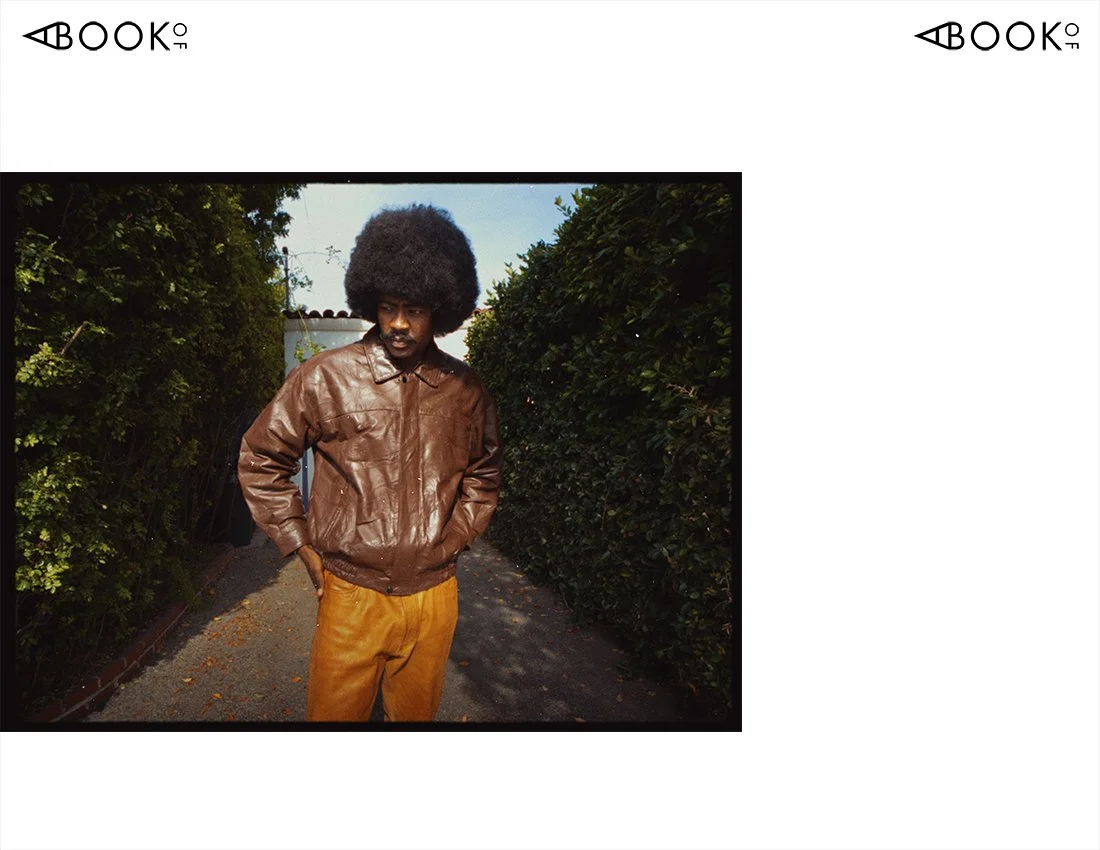
PHOTOGRAPHER: ARIS CHATMAN
With the catalog growing, the tour getting bigger, and the outside world having more to say about who PawPaw Rod is, what part of yourself are you still trying to keep untouched, even by good things like success, attention, and momentum?
It’s hard to keep any mystique unless you’re at the very top or you move very intentionally. I wish I could drop music and disappear for a bit, let it live on its own.
For me, music is a way of documenting my life in real time. I’m figuring things out as I go, and the songs reflect that. Sometimes I’m hyping myself up, speaking to the life I want, or just trying to understand where I’m at.
But I do want to hold onto normalcy. Simple things mean a lot to me because I didn’t grow up with consistency. Going to a coffee shop and having them know my order—that alone makes me happy. That’s special to me.
I admire people who can just live their lives. Seeing someone like Steve Carell out being regular is inspiring. It’s easy to get caught up in attention and ego, but that’s not a real way to live.
I just want to make music, go on walks, and be present. Be regular. And when it’s time to show up, really show up.
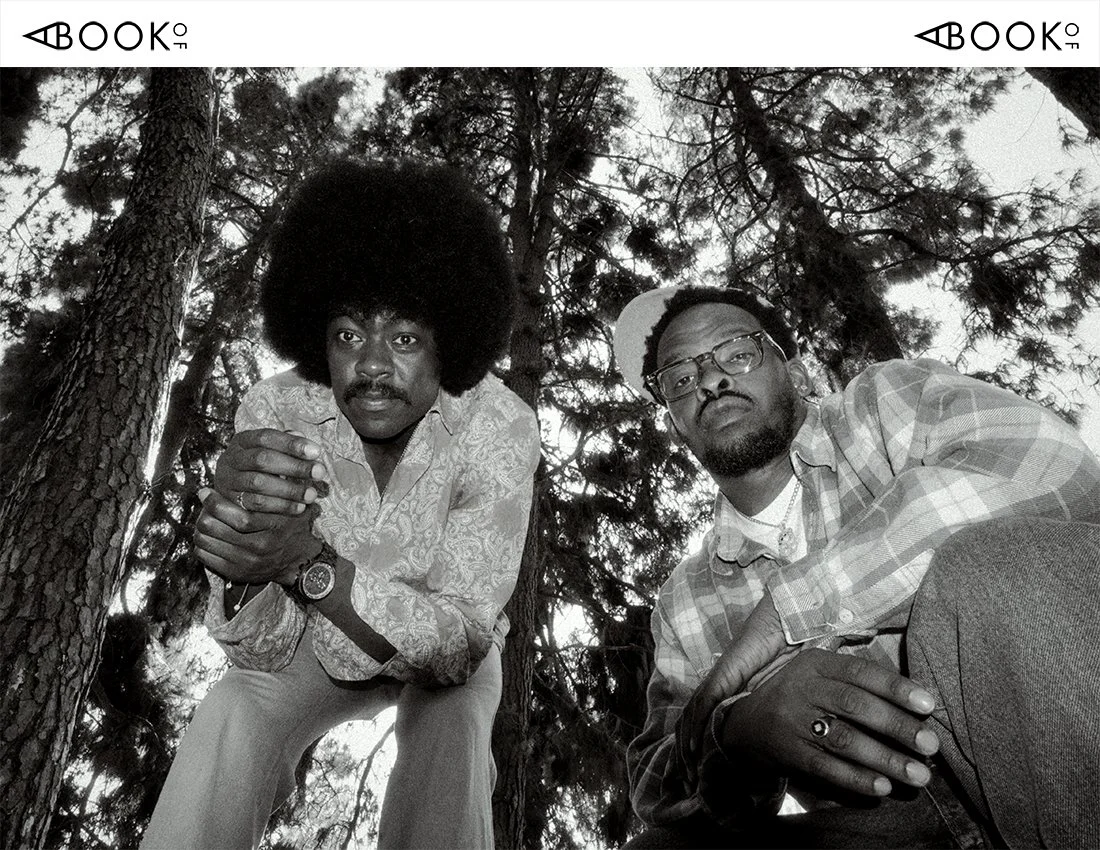
PAWPAW ROD & SHERWYN PHOTOGRAPHER: ARIS CHATMAN
When this debut-album chapter is over, and the noise settles, what do you hope Picture Day will have revealed about you that the earlier records only hinted at?
A big reason I started making music was identity. Where I’m from, a lot of people wanted to go to the NFL or NBA, or work in oil. I knew early that wasn’t my path, so I wondered, what do I bring to this?
My mom told me recently that when I was younger, I said I just wanted people to know me. That’s still a part of it.
I’ve always had this thing about being remembered. Even as a kid, when my hamster died, my siblings and I went outside crying, throwing pieces of our hair into the sky so he’d remember us. I still do little things like that now when I’m in a new place.
I had a teacher, Coach Sturgill, who used to ask us, "How do you want to be remembered?" We were so young, but that stuck with me.
So this album is really just that. It’s proof I was here. That I felt something, went through something, and gave something real. That’s what I hope people take from it.
Lastly, if you were a book, what book would you be and why?
Everybody says The Alchemist, but that book really did change me.
The whole idea is that you’re searching for something, and it’s been close to home all along. For me, home is my people, but it’s also myself—and purpose too.
That’s what I’d be.