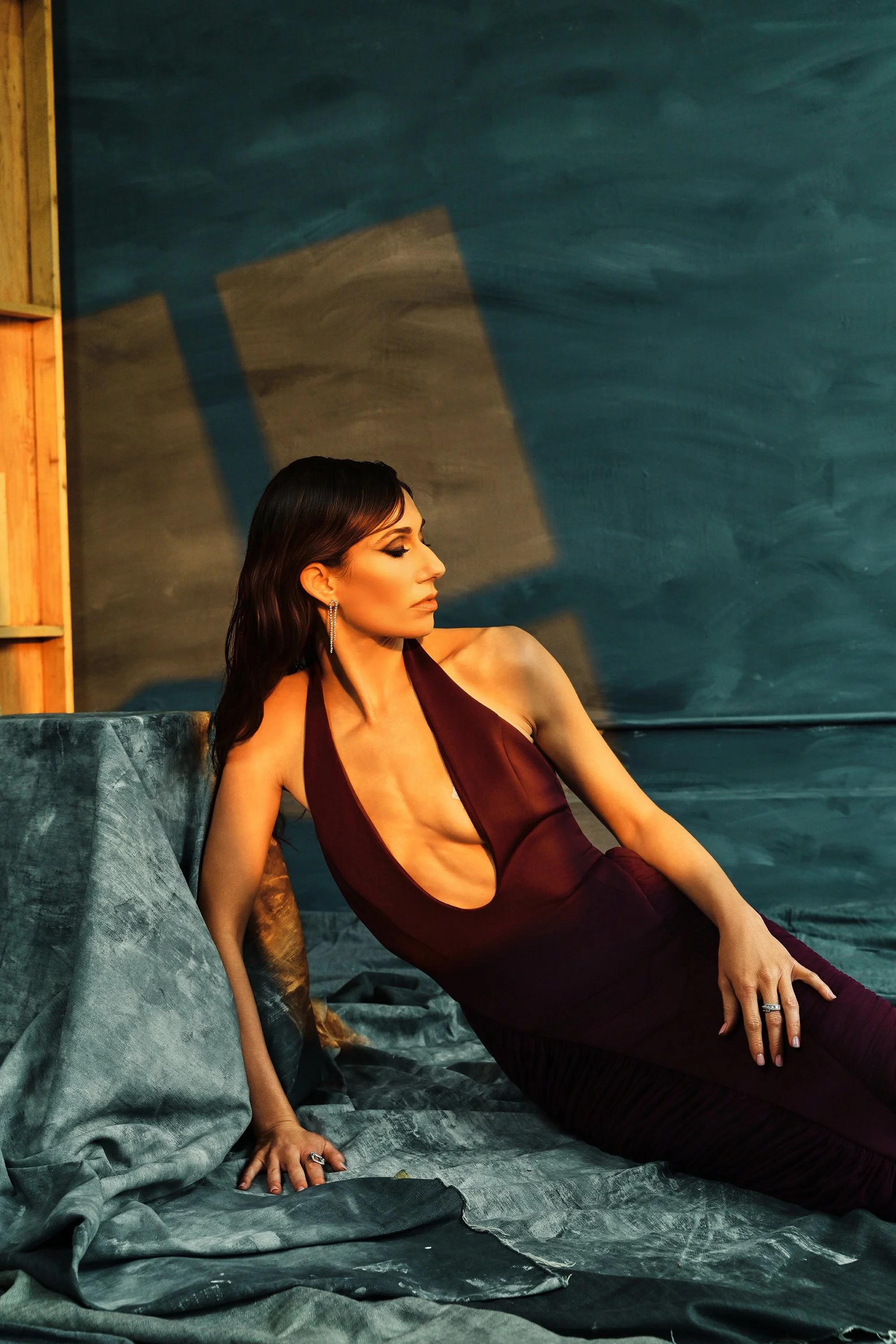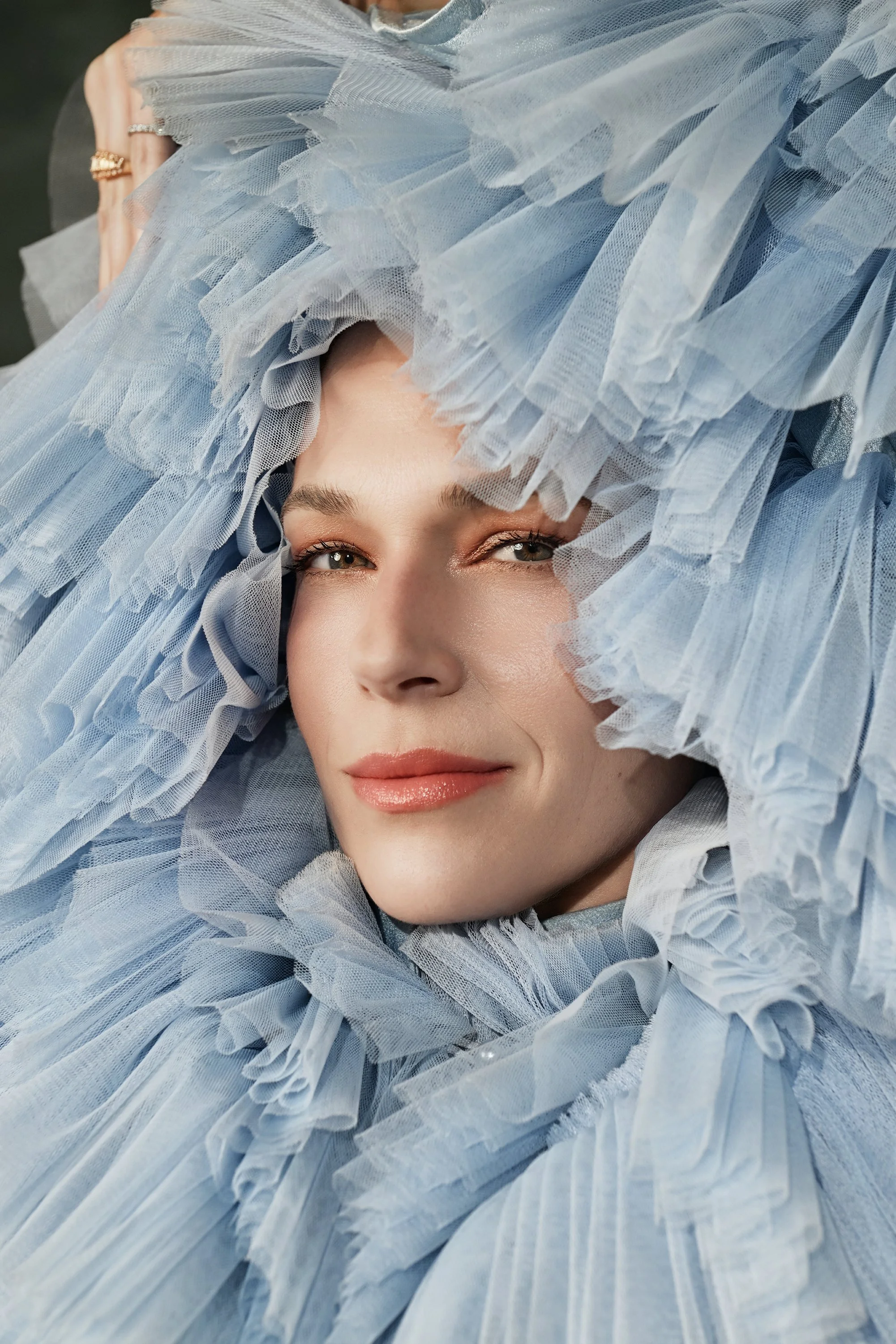
ELENA SANCHEZ

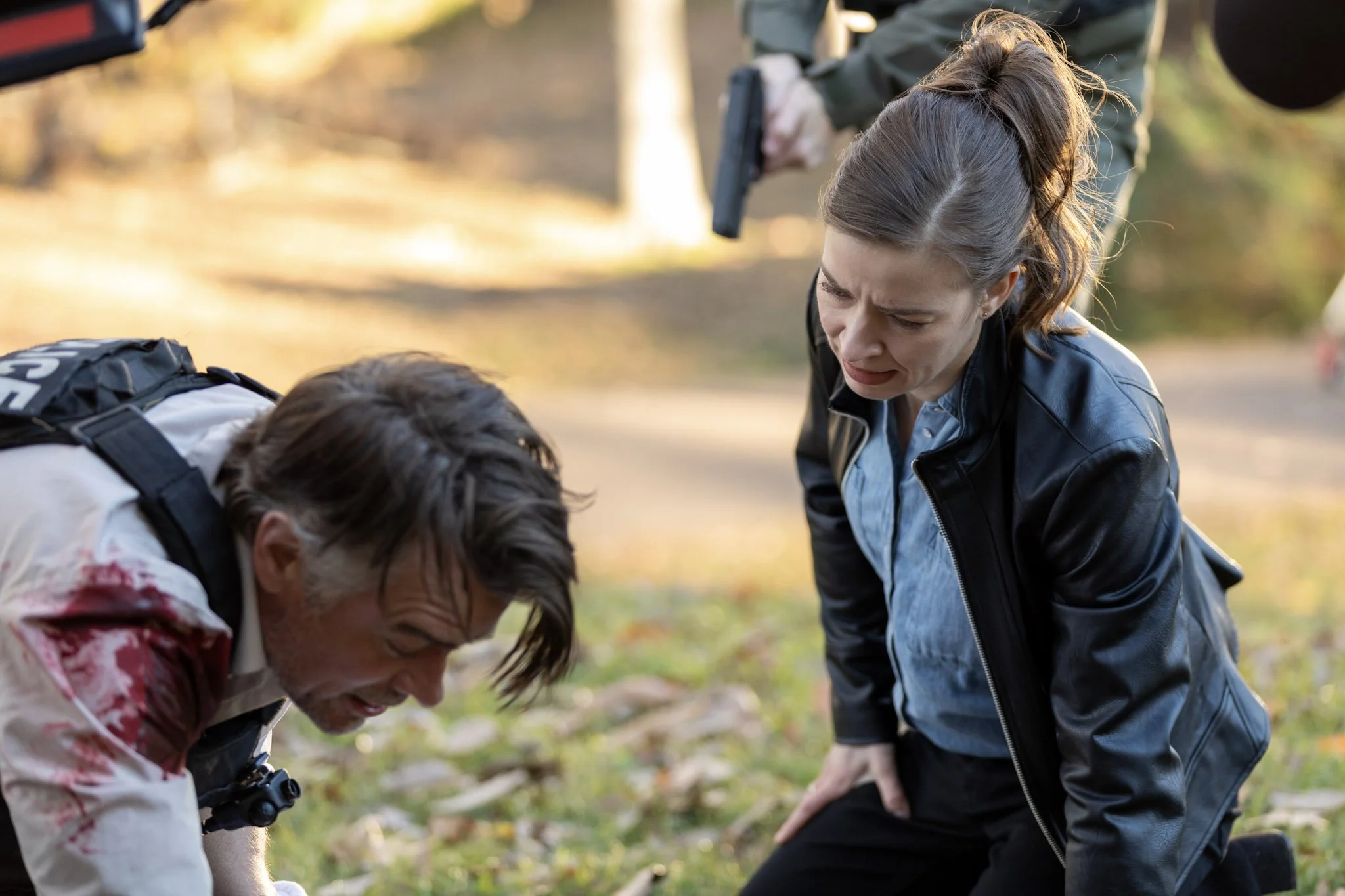
ELENA SANCHEZ knows how to enter a scene with force, but what makes her compelling is the stillness underneath it. In Neglected, the action thriller directed by David Lipper and starring Josh Duhamel, Dylan Sprouse, Til Schweiger, and Sanchez, she steps in as Detective Keyes, a grounded and morally steady presence in a story that follows a detective racing to solve three murders before his buried-alive son runs out of time. For Sanchez, the role arrives after years of building a career across indies, blockbusters, television, and stunt-driven spectacle, from The Hunger Games: Catching Fire and The Walking Dead to Marvel’s Avengers: Endgame, where her physical precision helped earn a Screen Actors Guild Award for Outstanding Action Performance by a Stunt Ensemble.
Born in Germany to a German mother and a Spanish father, shaped by New York, Switzerland, Atlanta, Los Angeles, and everywhere in between, Sanchez has learned to treat home less as a location and more as a collection of people, memories, and hard-won instincts. That sense of movement shows up in the women she plays, especially Detective Keyes, whose strength is not loud or performative, but built through loyalty, resilience, and doing the right thing when life feels heavy. In our conversation, Sanchez opens up about reinvention, mental health, belonging, action work, and the side of herself Hollywood has not fully met yet, including, she says with a wink, “the romantic-comedy Elena or the Christmas-movie Elena.” But the line that lingers most comes from the kind of truth that does not need armor: “Strength isn’t about never feeling afraid. It’s about showing up with integrity, even when life is heavy.”
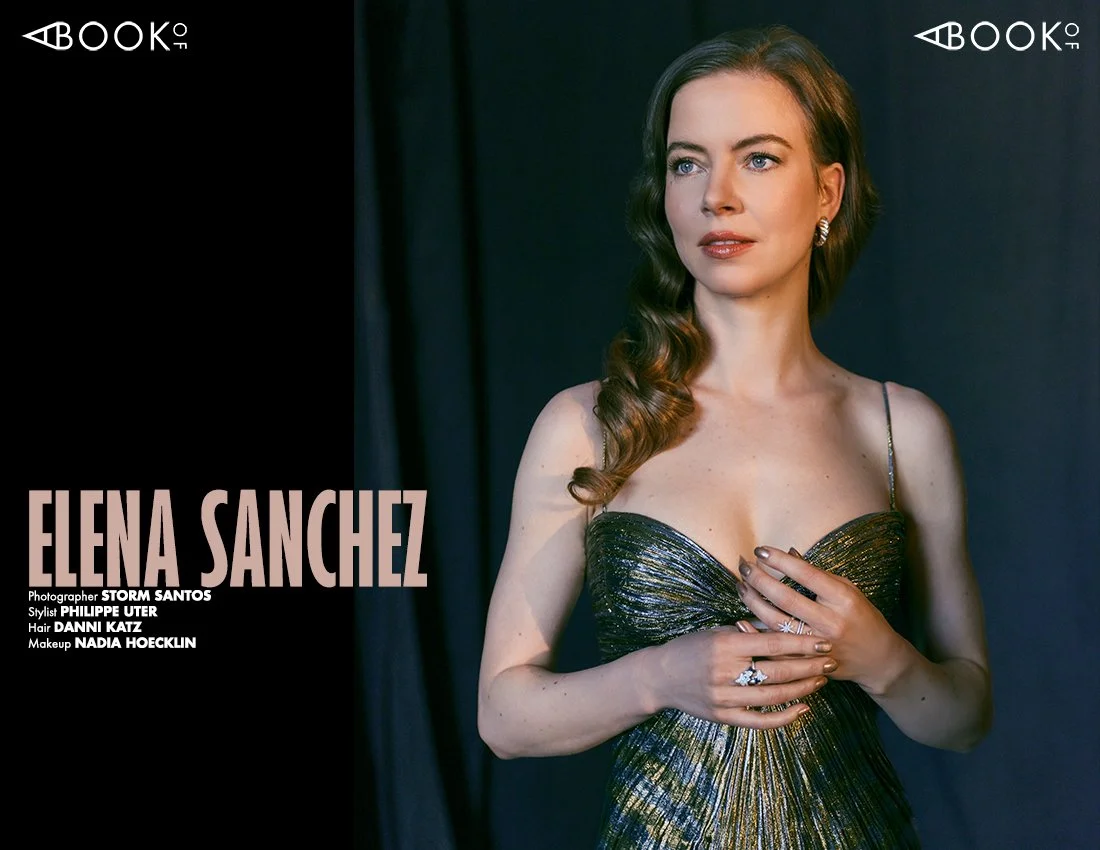
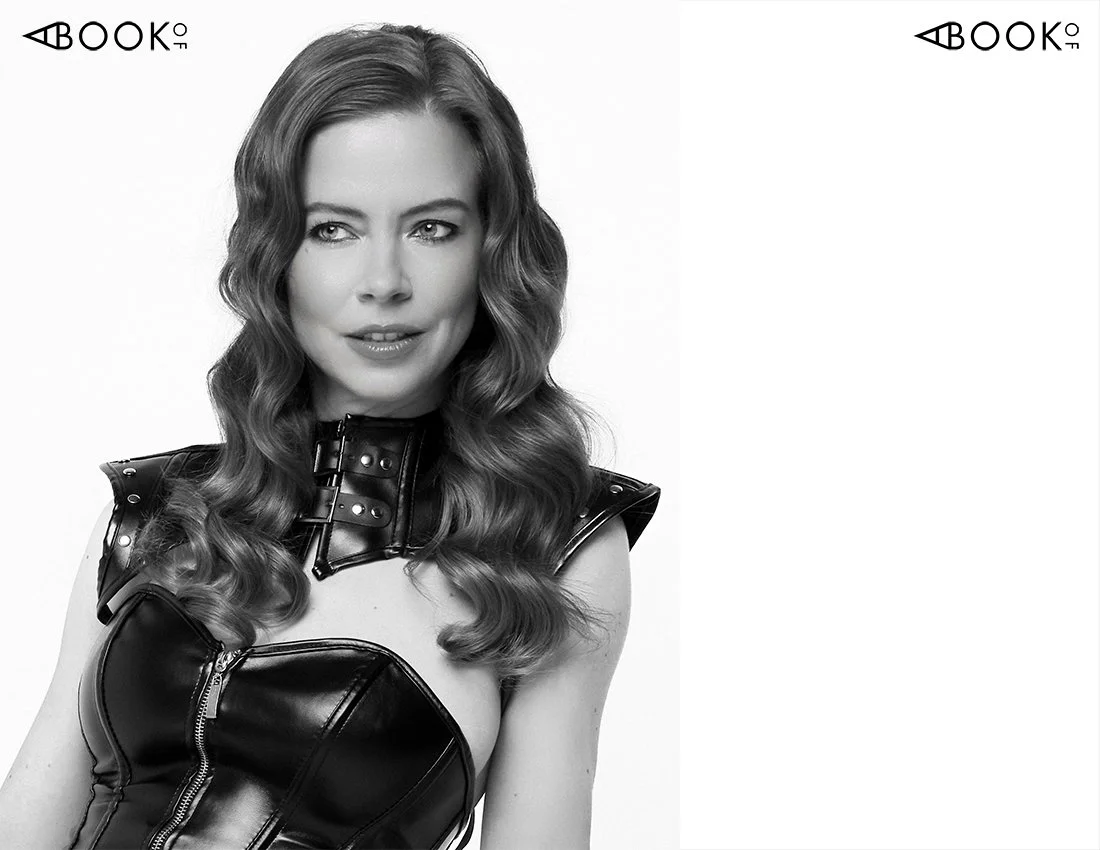
PHOTOGRAPHER: STORM SANTOS, STYLIST: PHILIPPE UTER, HAIR: DANNI KATZ, MAKEUP: NADIA HOECKLIN
You’ve described yourself as a third culture kid. Your life has moved through Germany, New York, Switzerland, New Orleans, Atlanta, and Los Angeles. When you think about the place that still feels most like home, what part of that place has never left you? How does it show up in the women you play?
New York and Switzerland feel most like home to me. I spent 15 years in New York as both a child and an adult. I spent my adolescence in Switzerland. My parents live in Switzerland again, so I visit them there now. Christmas means the snowy Alps. Summers are for swimming in a lake and hiking. It’s beautiful, and I know I’m lucky. Still, home is more than a place. For me, home is where my family, friends, and love are. Because I’ve moved so often, I feel more attached to people than to places. That’s why I’m drawn to characters who value human connection. Detective Keyes in Neglected is an example of that.
Before acting fully took hold, you were on a path in hotel management at Cornell, imagining a very different life. Looking back now, what did that almost-other version of Elena understand about security, ambition, and adulthood that the actress in you still wrestles with today?
As a young adult, I questioned my purpose and wondered if there was more to life. Hotel management seemed like a clear path. Work hard, climb the ladder, build a stable life. But I dreaded living that way. Acting is the opposite. It’s unpredictable and chaotic. It forces you to find security in yourself, not in your circumstances. When I chose acting, I felt immediate peace. I knew it was right for me. Ambition convinces you that success means control, but life is really about adaptability. Adulthood, for me, is balancing both: building a foundation and staying open to the unexpected. That tension never disappears, but I’ve learned to trust myself in it.
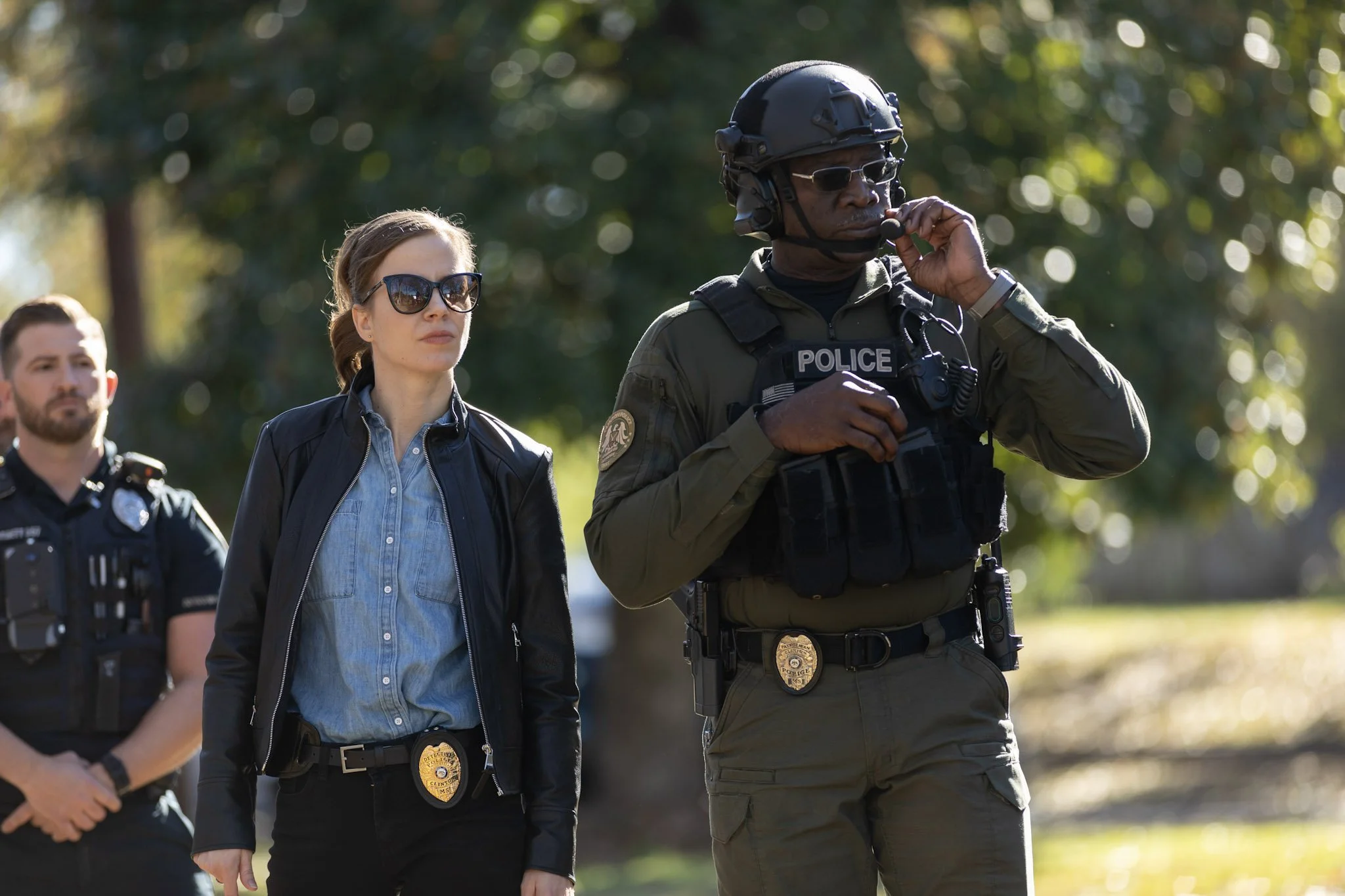
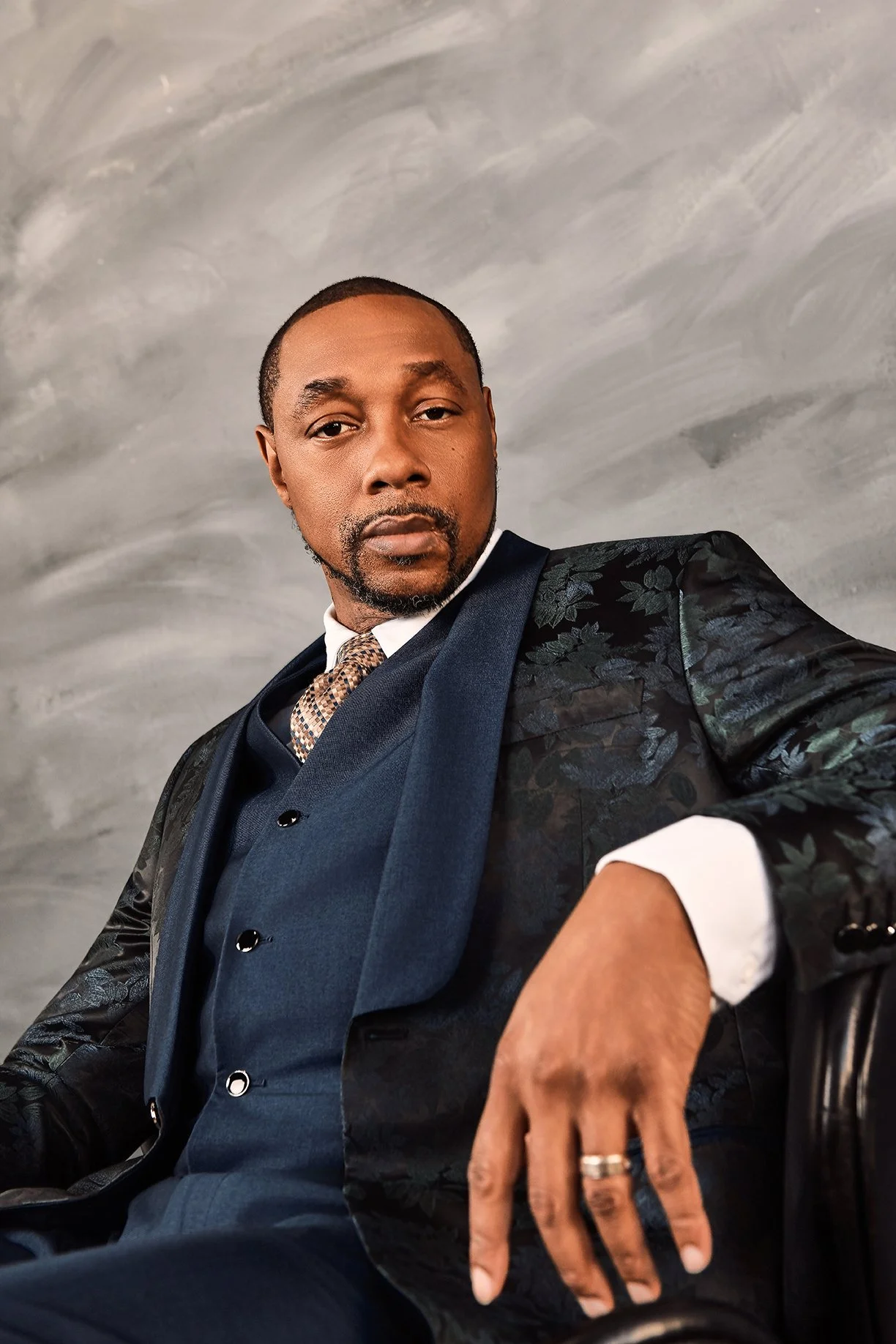
FILM STILL, NEGLECTED, PHOTO PROVIDED BY TALENT
You’ve worked in multiple languages and across different cultures. That kind of life makes a person very observant. How has growing up between worlds changed the way you hear subtext, especially when a character is trying to belong while quietly hiding part of herself?
Living in different countries taught me to listen for meaning, not just words. Each place has its own rhythm and unspoken rules. I quickly learned how much people communicate beneath the surface. This is valuable as an actor because so much of acting is subtext. Often, what a character hides is more important than what she says. There’s a universal feeling of wanting to belong while holding onto who you are. Moving between worlds, you learn to adapt and find where you fit. That experience gives me empathy for characters navigating identity, acceptance, or the tension between who they are and who they feel they need to be.
You’ve spoken honestly about the period when people saw you primarily through stunt work, and how you had to make deliberate choices so your acting career could be seen on its own terms. How did you know when persistence was enough and when reinvention was the more courageous move?
Persistence and reinvention go hand in hand. Persistence keeps you moving forward. Reinvention helps you grow. If I wanted people to see me differently, I had to give them the chance. I couldn’t wait for the industry to redefine me. I had to do it myself. Sometimes that meant turning down easy or well-paying opportunities. I chose roles that reflected where I wanted to go. Reinvention feels risky because you let go of what’s already working. But it’s necessary for new parts of your career to emerge.
PHOTOGRAPHER: STORM SANTOS
Cecelia in The Hunger Games: Catching Fire introduced you to a huge audience. Years later, your Walking Dead moment became one of those visceral scenes fans do not forget. What did those two very different experiences teach you about screen presence? What do you think audiences remember most when you leave a mark on a character?
The Hunger Games gave me a global audience. Being part of something so significant was amazing. The Walking Dead taught me how powerful a single scene can be when it connects with people. Both projects taught me that screen presence isn’t about how much time you have on screen. It’s about how honest you are in each moment. Whether you have one scene or a hundred, audiences remember authenticity. They may forget lines, but they remember how a character made them feel. If you create real emotion—admiration, joy, heartbreak, fear, or discomfort—you’ve done your job. It’s incredible to see how much these worlds mean to people.
Neglected feels like an especially interesting moment for you. Detective Keyes is grounded, loyal, and caught between backing her partner and doing what is right. You came into the film while privately dealing with health issues. How did playing someone with that kind of moral steadiness change your understanding of strength in your own life?
I started Neglected during a time of fear and vulnerability. Detective Keyes is grounded, even when everything around her is uncertain. I admired that about her. I learned that strength isn’t about never feeling afraid. It’s about showing up with integrity, even when life is heavy. Detective Keyes always tries to do what is right, even when it’s hard. That resonated with me. Strength is often quiet. It’s resilience, consistency, and moving forward one day at a time. That was an important reminder for me on and off screen.
Years ago, you said one of your biggest passions was advocating and educating around mental health. In an industry that often rewards composure more than honesty, how has your definition of toughness changed? What kind of emotional truth do you think still makes too little room for?
My idea of toughness has changed a lot. When I was younger, I thought toughness meant handling everything alone and never showing struggle. Real strength is honesty with yourself, asking for help, and allowing vulnerability. We don’t make enough room for uncertainty. There’s pressure, especially in this industry, to always seem confident and put together. But nobody feels that way all the time. There is strength in admitting when you don’t have the answers, when you’re scared, or still figuring things out. Advocating for mental health means normalizing these conversations. We’re all human. The more honest we are, the stronger we become.
You’ve said your time in Cuba while working on The Fate of the Furious was one of the first times you felt, up close, how politics can shape ordinary life. How did that experience sharpen your sense of responsibility as an artist, especially when you are stepping into stories about violence, systems, or survival?
My time in Cuba opened my eyes. It showed me that the circumstances we grow up in are mostly chance. Watching how politics and policy affect daily life, from opportunities to small routines, gave me a new perspective. As an artist, these experiences make you more thoughtful. Telling stories about violence, systems, or survival means sharing realities that many people live every day. That brings responsibility. I strive to approach these stories with honesty, empathy, and respect. Entertainment can be an escape, but it can also build understanding. Behind every headline, system, and conflict are real people. If a performance helps someone feel seen or brings new understanding, that’s meaningful.
FILM STILL, NEGLECTED, PHOTO PROVIDED BY TALENT
You have built a career around intensity, discipline, and physical precision. You’ve said you want to tell stories that inspire people, make them laugh, and believe in love, and that you would happily jump into a romantic comedy. What side of Elena do you think the industry still has not really met yet?
You nailed it. The industry has not met the romantic-comedy Elena or the Christmas-movie Elena! I will always love working on action movies and thrillers, but it would be fun to do something lighter, and I’m looking forward to that.
If you were a book, what book would you be and why?
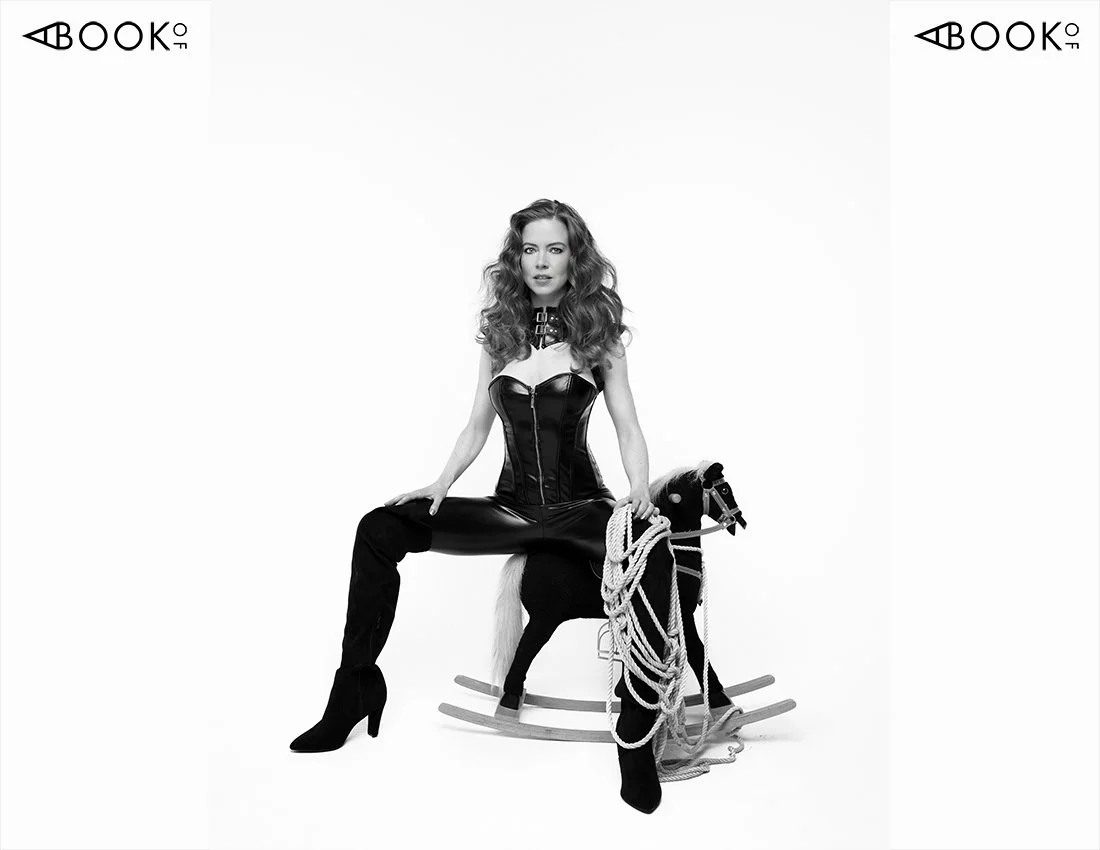
If I were a book, I’d be an adventure novel. My story would have plot twists, passport stamps, and the occasional explosion. The heroine gets knocked down but always finds a way forward. I hope there’s a satisfying ending, though I think I’m still in the middle chapters.
PHOTOGRAPHER: STORM SANTOS