DEJA CLARK
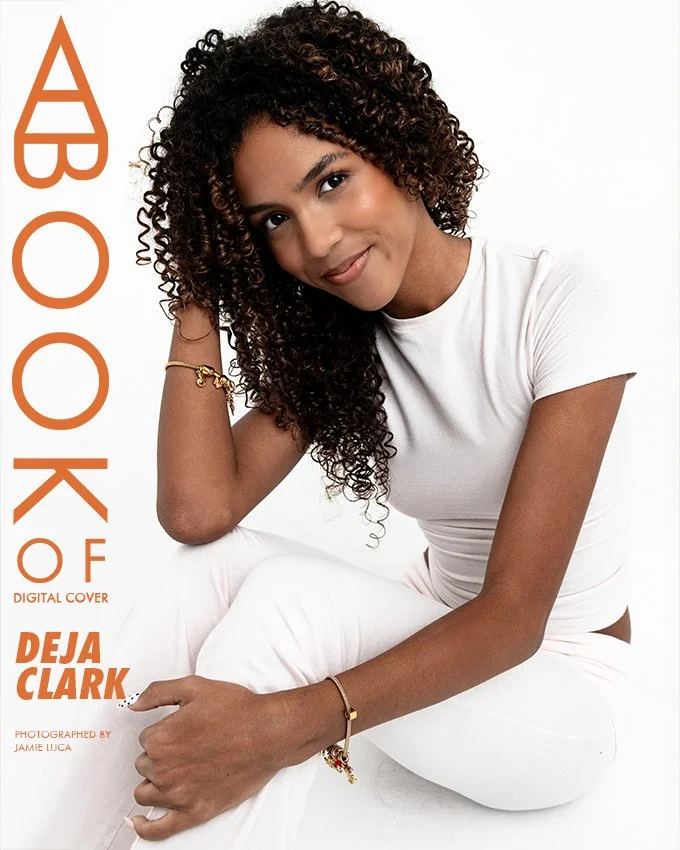
PHOTOGRAPHER: JAMIE LUCA
Deja Clark has grown up with a camera somewhere in the room, but the more interesting story is what has happened beyond its frame. On Australia’s Gold Coast, creativity first arrived without strategy or metrics, simply through fashion, beauty, and the small thrill of making something feel unmistakably her own. Years later, that instinct has expanded into an audience of millions and a growing creative universe that includes Sunny Dé, Kaladé, Basically Besties, and her Aéropostale collaboration, where Clark stepped beyond wearing fashion to help shape fabrics, colors, fits, and pieces destined for other girls’ wardrobes. Yet beneath the campaigns and carefully assembled looks is something far less polished and much more compelling: a teenager learning, in public, that becoming yourself rarely follows a straight line. “I don’t think you suddenly arrive at this finished version of yourself,” she says. “It’s more about giving yourself permission to keep changing.”
That permission seems to be the quiet thread running through everything Clark is building. She has learned that an idea can look perfect in your imagination and entirely different once it exists in your hands, that structure can sometimes create more freedom rather than less, and that saying “I don’t know yet” can carry its own kind of confidence. She speaks candidly about separating the person from the platform, protecting a life that the internet cannot automatically claim, and carrying her family's lessons without allowing inheritance to become identity. There is wit and self-awareness in the way she talks about growing up online, but also a surprising clarity about what she wants to preserve when the numbers, products, and headlines inevitably change. Her ambition is not really about arriving at some immaculate final version of Deja Clark. It is about staying curious enough to revise the picture. As she puts it, “I don’t want to spend my life trying to become a perfect version of myself. I’d much rather keep becoming a more honest one.”
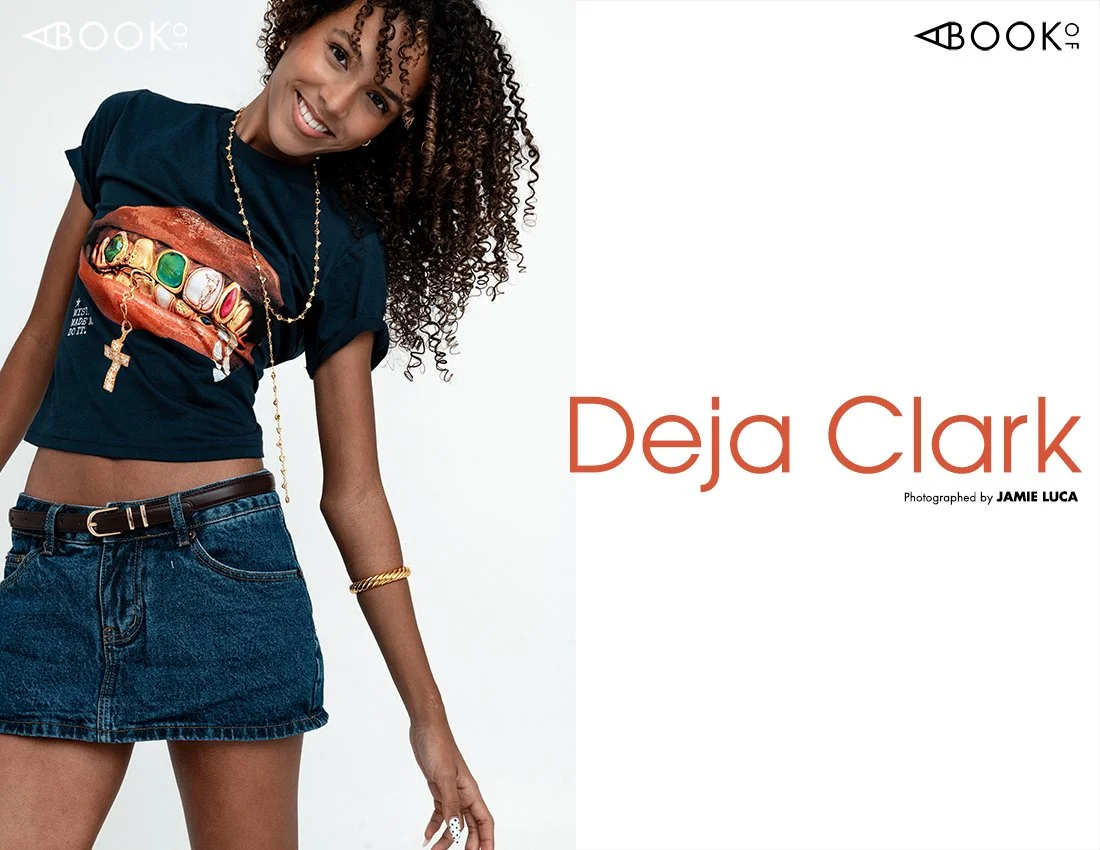
Before the followers, brand partnerships, and cameras, what did creativity look like during your childhood on the Gold Coast, and what were you drawn to making simply because it made you happy?
Growing up on the Gold Coast, before I ever thought about an audience, I was always drawn to fashion, beauty, and anything where I could express my personality.
You first appeared in family content before developing your own audience through fashion, lifestyle, and GRWM videos. How did you recognize the moment when you were no longer simply part of your family’s platform, but beginning to build a voice that genuinely belonged to you?
I think it happened really naturally. In the beginning, being part of family content was just something I did because that was our life. As I got older, I started becoming more interested in sharing the things that were specifically me, you know, my style, my interests, and the way I see things.
There was a point when people weren't just following me because I was part of my family; they were coming back because they connected with my personality and perspective. That was really special because it made me realize I could have my own identity within something that had always been such a big part of my life.
I'm still figuring out exactly what my voice is, too. I don't think you suddenly arrive at this finished version of yourself. It's more about giving yourself permission to keep changing.
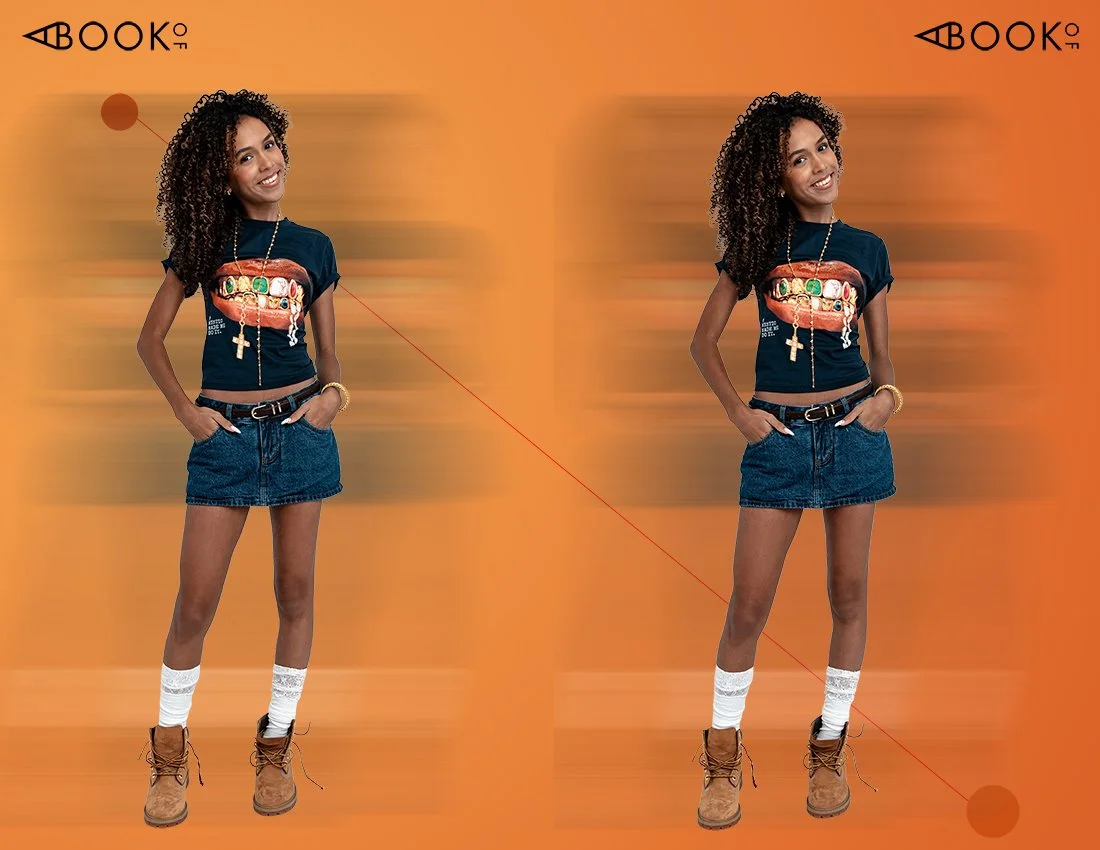
Growing up in a well-known creator family gave you an extraordinary foundation, but it also meant that people formed an idea of who you were very early. How have you learned which parts of that family legacy you want to carry forward and which parts you need to redefine for yourself?
I'm incredibly grateful for the foundation my family has given me. I've learned so much from watching my mum build a business, create content, and connect with people, and I've had opportunities that I know are incredibly unique.
But I've also learned that being grateful for where you come from doesn't mean you have to follow exactly the same path. I want to carry forward the work ethic, the creativity, the importance of family, and the idea that you can build something from nothing. At the same time, I want to take those values and make them my own.
Fashion and design have always felt very personal to me, so that's an area where I'm excited to create my own identity. I don't want to be defined by being someone's daughter or being part of a creator family. I want people to know me for the things I've created and the ideas I've brought into the world.
Most teenagers are allowed to experiment, fail, and change their minds in relative privacy. You have had to do much of that in front of millions of people. How do you protect the parts of yourself that are still growing and not yet ready to be understood by an audience?
I think learning what not to share has been just as important as learning what to share. You can love your audience and still have parts of your life that belong only to you.
I'm still a teenager, and I'm allowed to change my mind. I'm allowed to try something and decide it's not for me. I'm allowed to have opinions that evolve. I think it's important to remember that social media only shows a small part of someone's life, and I don't owe the internet access to every part of mine.
My family is also a really important grounding force for me. They know me outside the cameras and the numbers, and that gives me space to just be Deja rather than a creator.
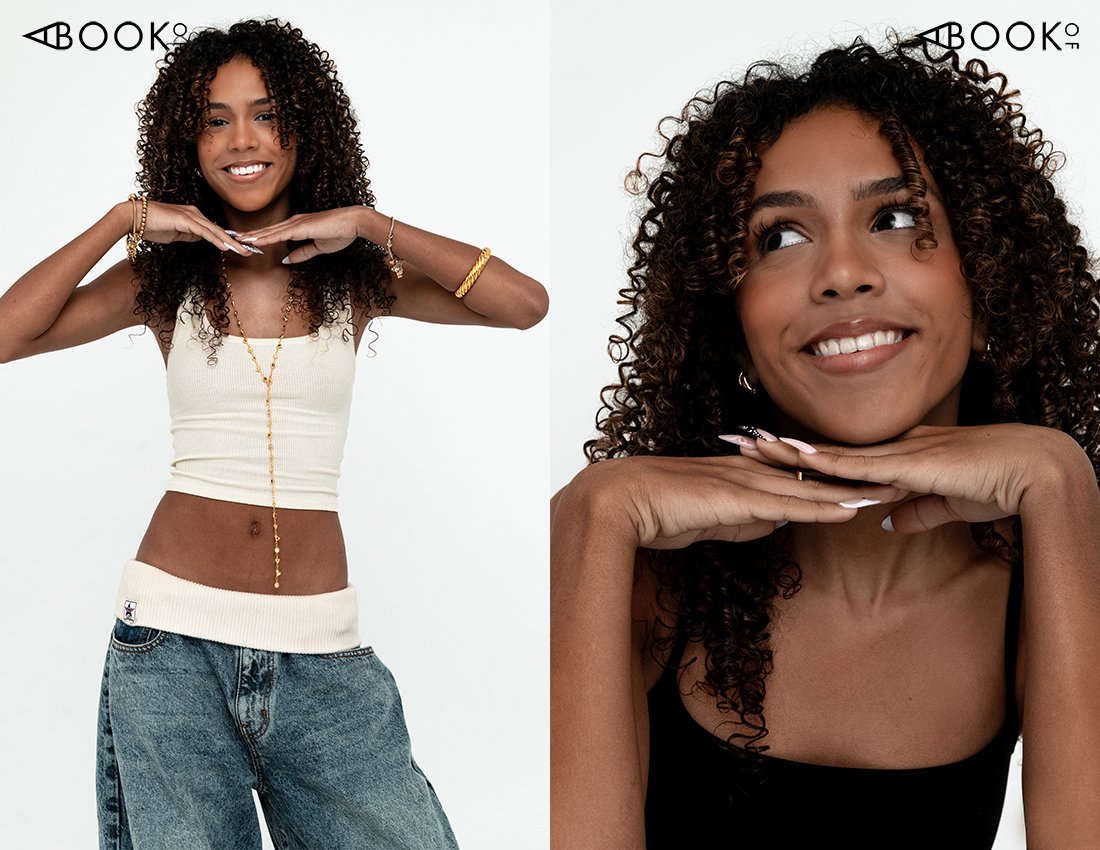
Your content often feels spontaneous, funny, and deeply personal, even when it involves schedules, brand expectations, and commercial commitments. How do you preserve that sense of honesty when creativity also becomes a business?
I think the biggest thing is only working with things that genuinely make sense for me. I never want that to completely take away the reason I started creating in the first place.
If something feels forced, I think people can tell. My audience has grown up with me, so they know when I'm being myself. I try to make sure that even when I'm working with a brand, I'm still finding my own way into the idea rather than just delivering something that doesn't sound like me.
I've also realized that having structure doesn't necessarily mean losing creativity. Sometimes having the business side organized actually gives you more freedom to be creative.
The Aéropostale collaboration asked you to move beyond wearing clothes and become involved in creating them. When did the project stop feeling like an exciting opportunity and begin feeling like a serious responsibility?
The responsibility set in when I started seeing samples and making decisions about fabrics, colors, fits, and details, and suddenly you realize these aren't just ideas anymore. They're going to become real clothes that people will buy and wear.
That was when I started taking every decision much more seriously. I wanted the collection to feel like me, but also to be something girls could actually see themselves in. That responsibility was exciting rather than intimidating because it made me realize this is something I genuinely want to pursue.
It was an amazing feeling when I saw the collection in stores and realized how many people would actually wear pieces I had helped create.
Developing a large collection requires revisions, compromise, and ideas that may not work the first time. What was the hardest creative challenge you faced during the process, and how did you overcome it without losing the original feeling you wanted the collection to have?
The hardest part was probably learning that you can't fall in love with every single idea. There were things I pictured one way that didn't translate perfectly when we saw them as actual samples. You have to be willing to step back and ask, "Does this actually work?" rather than just protecting an idea because it was yours.
I tried to stay focused on the feeling I wanted the collection to have rather than becoming too attached to individual details. If something didn't work, we could change it while still preserving the collection's original personality.
That was a really valuable lesson for me as someone who wants to continue designing. Creativity isn't just having ideas. It's knowing when to push for something, when to compromise, and when to let an idea go.
Was there a design, decision, or early idea that failed before the collection came together? How did that setback change your judgment, and what lesson from it do you still apply to your work today?
You can have a very clear vision, but seeing something in person can completely change your perspective.
It re-taught me not to take creative changes personally, a lesson I first learned while working on my businesses, Kaladé and Sunny Dé. If something isn't working, changing it doesn't mean the original idea was bad. It means you're getting closer to the best version of it.
Now, when I'm working on something creatively, I try to leave room for it to evolve. I think the strongest ideas are often the ones that become better through the process.
Between Sunny Dé, Kaladé, your fashion work, and Basically Besties, you are building businesses while still discovering who you are. What responsibility arrived before you felt completely ready for it, and how did you grow into that responsibility without pretending to have every answer?
I don't think there's been a moment where I've felt completely ready for the next thing.
Starting businesses has taught me that you don't need to know everything before you begin. With Kaladé especially, I've had to learn about so many things beyond the creative side — products, formulation, branding, business, and the responsibility that comes with putting something into the world with your name on it.
I've learned to ask questions and surround myself with people who know more than I do. I think there's actually a lot of confidence in being able to say, "I don't know yet, but I'm going to figure it out."
I'm proud that I'm learning as I go rather than pretending I already have everything figured out.
When the follower counts, products, campaigns, and headlines eventually change, what do you hope will remain at the center of your life, and what kind of woman do you hope the audience who has grown up alongside you will see you become?
I hope my family always remains at the center of my life. Everything else can change, but the people you love and the person you are when nobody is watching are what really matter.
I hope people who have grown up alongside me see someone who kept creating. I want to be known as someone who wasn't afraid to try things, make mistakes, and change direction.
Ultimately, I hope I become a woman who is kind, confident, and independent, but who never loses the fun and creativity that made me want to start creating in the first place. I don't want to spend my life trying to become a perfect version of myself. I'd much rather keep becoming a more honest one.
If you were a book, what book would you be and why?
I’d probably be The Perks of Being a Wallflower because I’m pretty observant and I tend to think deeply about things. I can be quiet at first, but once I’m comfortable, I really open up. I also relate to the book's coming-of-age aspect: figuring yourself out, growing through different experiences, and learning to appreciate the people and moments around you.