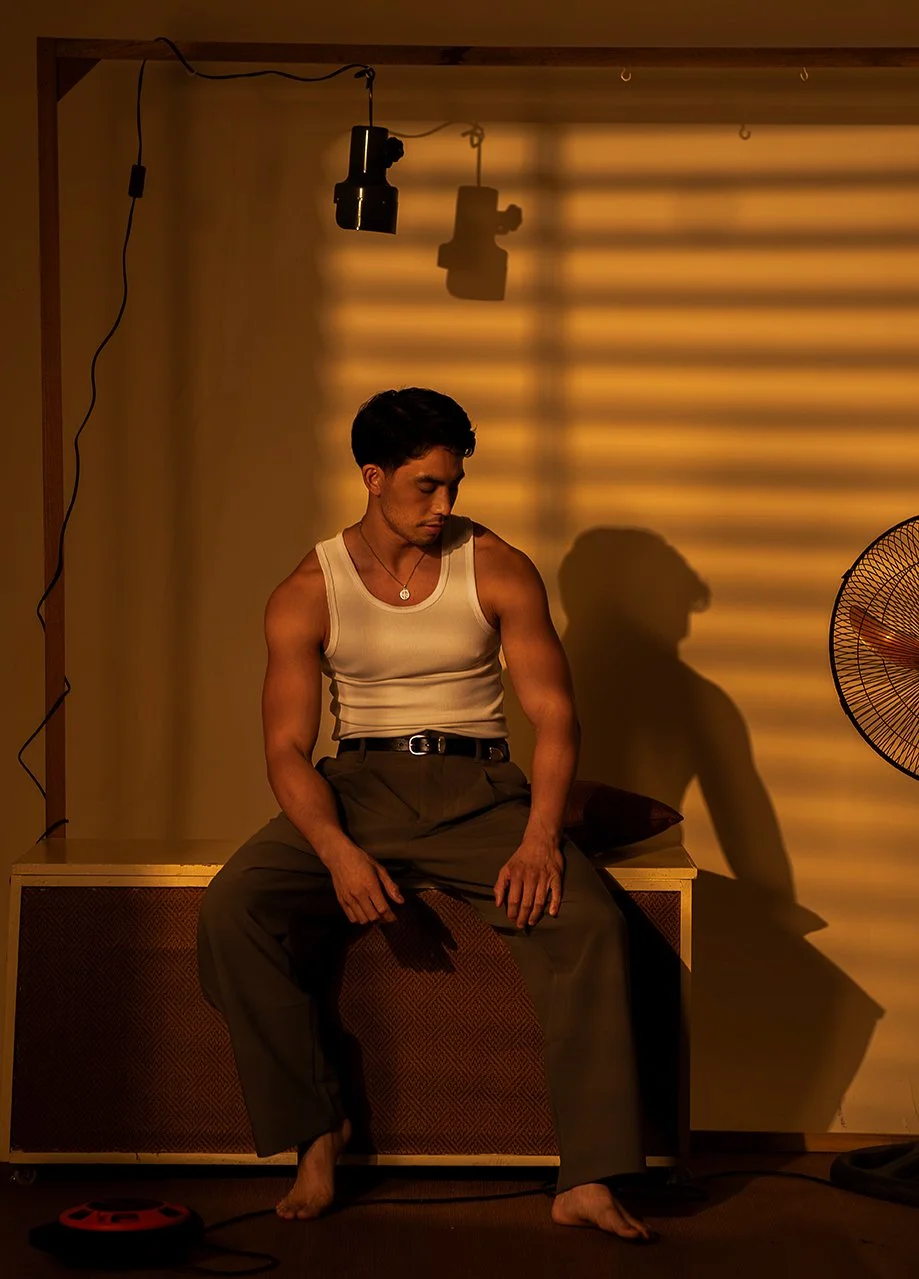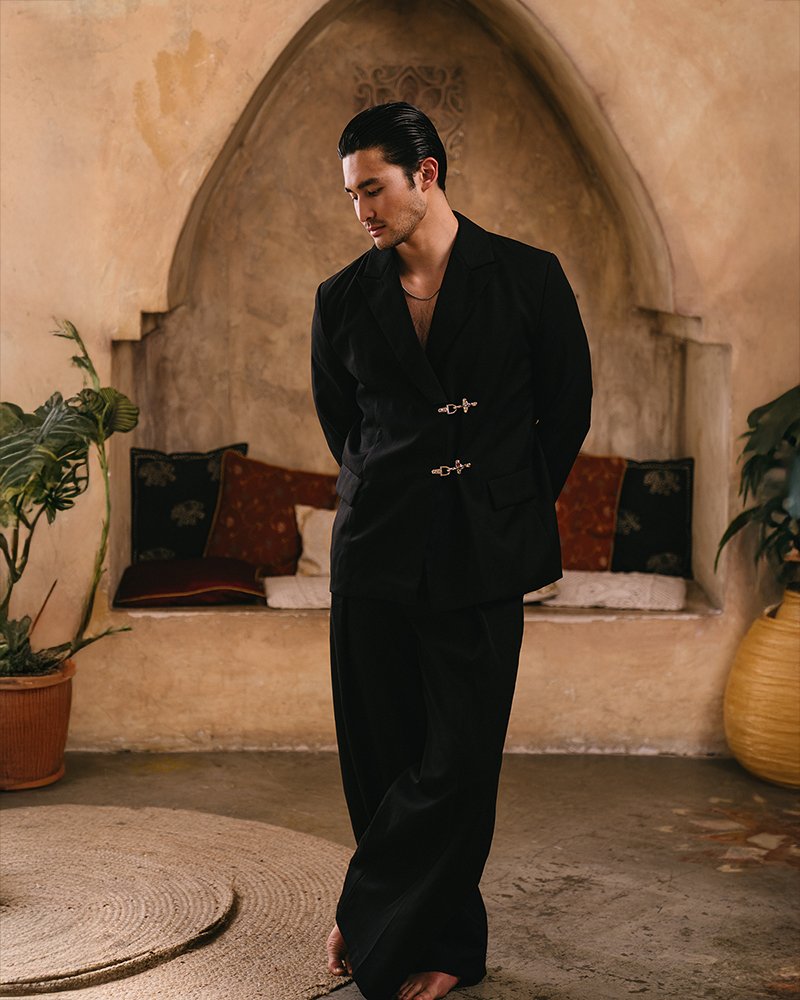
LINE OF FIRE'S CHARLIE BARNETT: THE RIGHT TO BE COMPLICATED
INTERVIEW BY IRVIN RIVERA
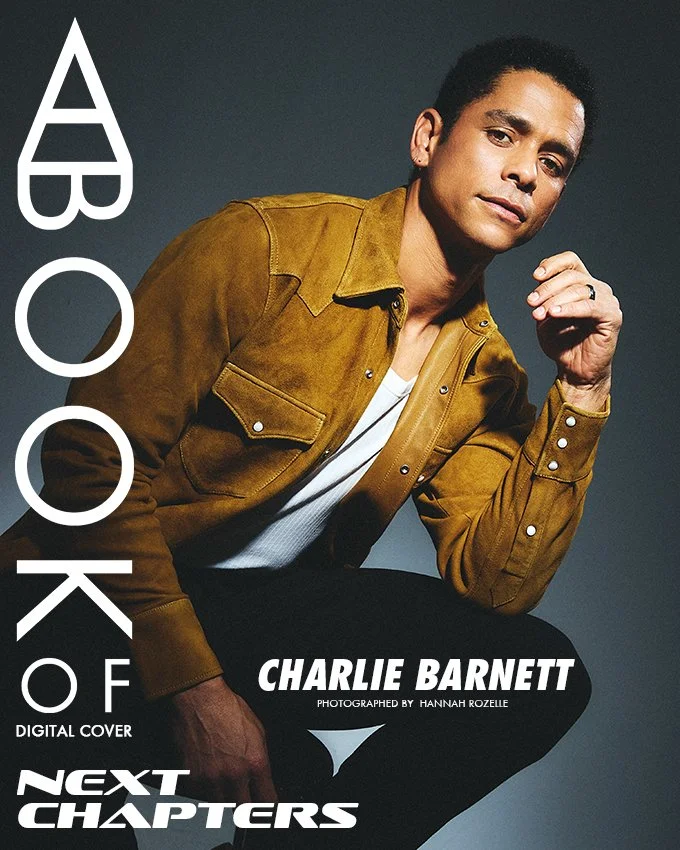
Photographer: HANNAH ROZELLE, Styling: ALISON HERNON @ EXCLUSIVE ARTISTS, Grooming: Emily Amick or Exclusive Artists using iS Clinical Photo Asst: CHLOE COPPS, Art Director, Producer: PHIL LIMPRASERTWONG
CHARLIE BARNETT spent part of his childhood in a home that could sail away. His father built boats, and for years the family lived aboard one off Florida's coast. Adopted only hours after he was born, Barnett grew up with an intimate understanding of something the rest of us sometimes take years to learn: family isn't defined by blood alone, and belonging isn't always attached to a place. It's a perspective that gives an unexpected resonance to the people he's played, from the firehouse of Chicago Fire to the looping realities of Russian Doll and the rigid Jedi Order of The Acolyte. Now he stars as Jack Hollingsworth in Joshua Safran's NBC drama Line of Fire, a son whose presence throws a family of federal law enforcement officers into moral and emotional uncertainty. Jack is difficult to pin down. Barnett, it turns out, is far more interested in that uncertainty than in explaining it away.
In conversation with A BOOK OF, Barnett speaks about making your own family, learning to receive the unexpected as an actor, and refusing to let any one role or label stand in for the entirety of a person. He is candid about the complicated work of feeling 'enough' within communities, as well as the parts of himself he once struggled to accept. His view of darkness is especially striking: not something to erase, but part of the same human experience as joy. It's why the mystery of Jack makes such a fitting home for Barnett's curiosity. He isn't searching for a neat division between heroes and villains, or a definition of identity that everyone will agree on. 'I fit where I fit,' he says. 'That's it. Period. End of statement.'
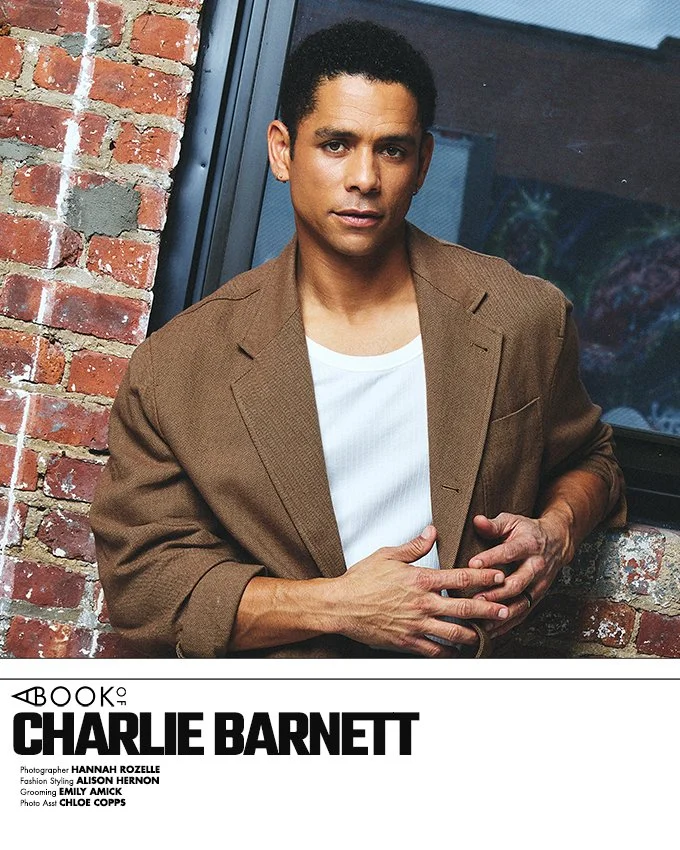
I want to commend you for the intensity and mystery you bring to your character. It makes me want to see more. When I witnessed you with your first kill from the show, I was like, oh shit.
I'm not gonna lie, I was like, oh shit, as well.
I appreciate you saying that. I definitely do. It's so funny though to me because there's, you know, usually when you're an actor, I'm one of those actors who likes to dig into the character. I like to like dissect the script. I like to pull a shit ton of information from what I'm given to build who the person is. It just makes me feel more validated, maybe in my decision, and this is one of those roles where I have, like, no information. So basically yesterday- two days ago was the first day that Josh Safran, who's the creator and developer of this, of course, gave me the full laydown of like what's happening and where I'm going.
So we're now in episode eight, and I have still been like, "Am I a bad guy? Am I like? I mean, we know that I killed Logan. That's like one thing I can certify. The reasons behind it, we don't know. Am I a good guy? Am I doing it for good reasons? I had, I still to this day, even with the information, don't know. So it's it's fun. Thank you for saying that because honestly, I feel like I'm going in this kind of blind, and I'm like, maybe, maybe it looks more mysterious because I'm in deep mystery.
I'm literally like, I'm with the audience. I'm watching the show myself. I mean, I read the scripts, of course, but I'm watching the show with the audience being like, "Oh yeah, I didn't know about that. I didn't. Oh wow, I didn't see that coming. Great.
How was that as an actor, being given little pieces of information about your character without seeing the full picture?
Yeah, I get terrified by it. I'm one of those actors who is like, I like having the information so that I can play the details. I like being able to… I know that I'm doing this in episode two because in episode five, I really have this intention. You know what I mean. But it is also, in a positive sense, it's fun. It really keeps you on your toes. It keeps you listening as an actor. You have to be involved.
I probably am saying too much already, but like the last week's episode that aired, I was beating myself up for the performance because I felt like, oh, it's not, it's not, it's not sunken in enough. I'm, I'm relying on my traps as an actor to smile through something, to use charm, but then I was like, you know, also that's kind of probably what he would do in that moment. So it's like, you know, you fall into these situations where you're like, maybe not thinking about it too much is actually giving me the ability to kind of just experience it in a fresher way.
Finding that balance.
It's a balance point. Yeah, having such great actors, we've had such good people as guest stars. We've had such good people just coming in for the two-day episodes, like recurring bits, and not to mention the family in general, the woman playing Nia. I mean, everybody is such a talented crafter. Is that too much of a word? They're just talented in being able to build the scenes and utilize Josh's words, so I'm not afraid to show up and just kind of like mess around. You know what I mean? It makes it easier to be like, I don't know what I'm doing, but I trust the people that are around me. So we're just gonna lean on in.
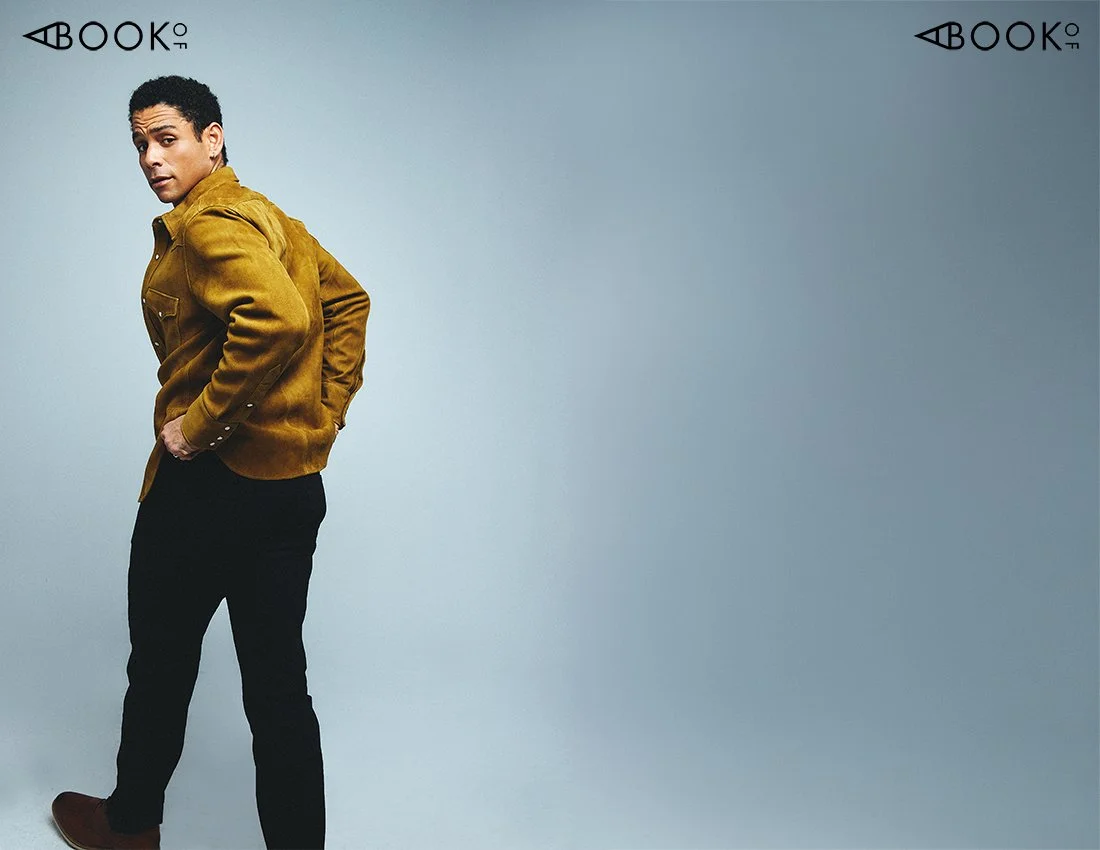
I think it's also very evident from the audience perspective to witness all of you really lean into each other’s energy and talents. It's really fascinating to watch
It really is. I mean, that's the part that I'm along with the audience because you can read something on a script and know all the information, but so vastly different when you hear a fellow actor put it in their voice, play with it, with a person against them. Just seeing, like, the tennis match between the siblings or between our mom and dad. You know what I mean? Like between their kind of like, phone call conversations when they're in love, still having sex, but also have this deep-seated history of challenge underneath it. It's rich. It's rich.
It's just so layered and shows how complex humans are.
Truly. Josh is really good at finding that. Those are the kind of writers I'm attracted to. It's like I want to see people who are not just good or bad or safe. I want to see people who are like all of us, incredibly layered. Nothing is more gray than humanity.
100%
Charlie, you spent part of your childhood living on a sailboat off the Florida coast. So home was quite literally something that could move. Looking back, did growing up that way teach you that belonging is something you create rather than something a place automatically gives you?
100%. I'm like even more than the boat. My dad is a boat builder, so that's why we lived on a boat for a long time. But more than that, I was adopted, and I learned very early on that, you know, the quote is "blood is thicker than water, but you can… I don't have a I don't have a fun follow up for that, but you can create your own connections. You can create your own family, and I'm sure so many of us have experienced that. Just evenin our own life, meeting people, meeting coworkers, meeting somebody who fills the void of a family member, or even just creates a new space for it.
But being adopted showed me… I mean, I was adopted at like four hours old too, so I was like a fresh, fresh baby. I love my parents. We've had challenges like any other kind of family, and grown from it.
But I have always cherished coming into this existence, coming to the world, knowing that I have the control and I have the power to make every relationship as deep as I want it to be, and really from knowing that like, hey, these people did not birth me; they chose me. They found me maybe to a certain extent I found them it just opened my mind on the reference that you're kind of like bringing up that it's like you can make your community entirely, and nothing is set in stone.
Agreed. I read somewhere that whoever you attract into your life, you're energetically connected with them in one way or another.
Oh yeah, totally.
Years ago, when you returned to Sarasota, you said actors should be interested in people’s lives because compassion makes the work stronger, and ultimately we work from life. After all the people you played since then, how has life complicated your understanding of acting, and what can Charlie access that Charlie leaving Juilliard simply couldn’t yet?
Jeez, how was life? It's such a. Immediately, when I hear that question, I'm kind of like irked because I don't feel like life has complicated any acting for me. I mean, like life is complicated. Don't get me wrong. It's hella, hella complicated. But like acting is, I want, I want to be able to display that complication. You know what I mean? I almost, I almost welcome the complication because that's part of the messiness of life that I want to portray in my acting,
I love being surprised in the moment. I love being thrown off. There are a lot of actors who are really uncomfortable with like you changed the beat or you went over here, and now this whole scene is very different. I'm one of those people who are like, that's what happens in life, and that actually, like, if you're open and accepting enough in the moment, Lord knows I've failed too.
I don't want to make it sound like every time I rise at the occasion, but if you're open and accepting in the moment, like you could do anything to me, and I can receive it, and some other new beat could come out, and it would be totally different from how I played it maybe 10 minutes ago or on the night before if we're on a show, and it will be brilliant because it's because it's it not because you thought about it better or because it fits better in the moment, but It's just because it's real and it's natural and it in the moment, and you received it and you responded.
So no, like, I've never been afraid of the messiness of life, and it's never scared me out of my acting. I will say the only things that have gotten scary are when you don't allow yourself to kind of release. Like, if I've been, I used to fight hard against the idea of, you as an actor have the character in you, and now you have to release the character and like, spend your own time going back into yourself. I was kind of like, no, that's making it too precious. It's not that precious. Let it go. Let it go.
And I had some moments, especially dealing with Alan in Russian Doll, where I was having to go through these suicidal moments all the time. Like it got real dark for me. I'm not gonna lie. And I was terrified by how much, you know, this created universe was affecting my real existence. But that's the only time that it's ever like, I've ever had to think about like, you know, I didn't. I need to be conscious of what I'm doing with this and how it affects me, and it's messy, and I don't want to fall into the trap, kind of thing. It's never been about, like, portraying life.
It's more been about like protecting myself as an artist. And maybe honestly, that would be the phrase that I, or the sentence or statement that I should say to young Charlie coming out of Juilliard, which is like protect your health- your mental health. Be a little bit more conscious of that because it is important. I also say, though, it's just like I got out of school thinking school was everything and the utmost, and my failures I thought in school would determine my success coming out, and I had to really realize that I was like, this has nothing to do…
I'm so thankful for the training. I'm so thankful for the experience. I'm so thankful to have met the people I did, and I will hold on to them for the rest of my life. But school has no effect on my life. It's almost like a new chapter, and I didn't see it that way when I was coming out. I was so terrified that, you know, because I fucked up that monologue in third year, or like because I was terrible in Hamlet. You know, I was like, it doesn't fucking matter, dude. Go on to the next one, build the next step. You know what I mean? Like you can. It really is that kind of age-old. You don't have to look in the past in order to look forward. Yeah,
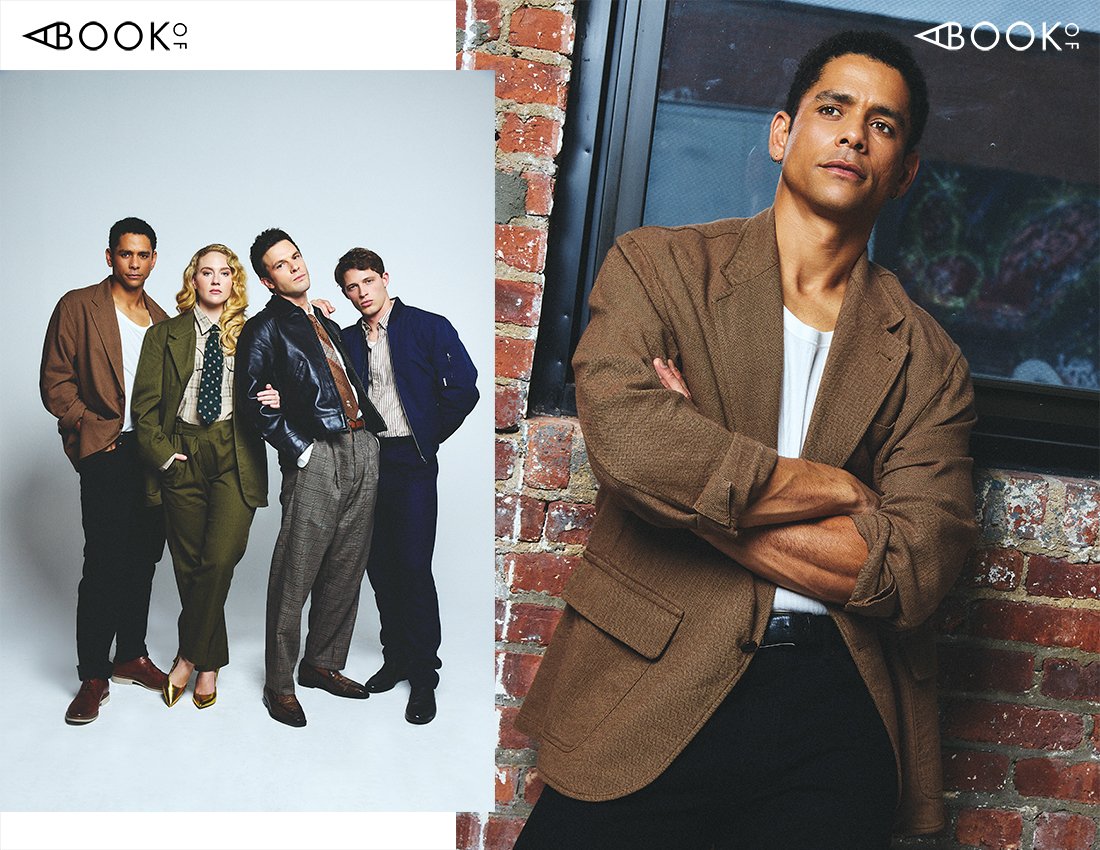
That is really beautiful, and I really love what you just said about protecting yourself as an artist, especially protecting your mental health. I feel like the deeper you go into your craft, the messier it gets. Then you realize how to blend all these aspects together and make it work.
Then put the business side of that on it. You know what I mean? I think of like years… I think of all the people that have been like you know, affected by this insane business. Not even because of your craft, not because of your beautiful art, but because of like the capitalism, the finance- you know what I mean, the selling of yourself.
Yep. We are all part of that.
A whole other world, a whole other part of, like, how do you protect yourself from that? How do I? How do I? How do I keep my sanity through being sold, through selling myself? Like, it's not easy, but the benefits can be incredible, you know what I mean. And talking about the financial benefits, I mean the spiritual and emotional benefits can be incredible as well. But it also, you know, storytelling is insanely powerful, and when you do it well, it's just so good, so rich. I love it. When you get to affect people, it's like, just even you coming here and being like, "Oh, I'm scared and nervous. It's like, "Oh yeah, it's hard to make you feel that way. But it feels nice to be like, "Hey, you know, portraying helps to see something. I don't know.
It's cool whenever any form of art makes you think and reflect about your life as you relate to the different experiences and aspects of the character you're watching. It's beautiful as it makes you reflect and then share stories with other people, share your feelings. Then you get this really cool domino effect.
Yeah, 100%
Charlie, returning to NBC now in another large ensemble drama, how do you hold success differently when you already know that belonging to something and knowing your place within it aren’t necessarily the same thing?
Gosh, I'll tell you, my register of success has shifted entirely. Like, you know, so much of it. I think when we first come into this business, is like you know you get the role that has the most lines. I mean, I'm talking about when I was like five years old, starting out in musical theater. Like, oh, you want the lead part? That's how you succeed. That's, you know, you can see that you're the best if you got into that position. That shit shifted very early because I realized that, like, oftentimes the lead roles are the most fucking boring roles.
They're the most placid, fucking like surface level because it's supposed to be an everyman. You're supposed to be understood or accepted by a wide variety of people, right? So they want to keep it kind of like, you know, then you know like the romantic leads. It's it for a long time it felt like the positioning made a difference, and Lord knows that's reiterated through the number system that we have as actors. But I've realized that that's all kind of like BS. That's all, in my opinion; that's just nonsense. You can win an Oscar by having a role that's 10 minutes in an entire show. You know what I mean?
So it's like the performance, nothing to do with its gravity or like its amount of lines. So with that, like shift to success, it's turned more into. No, I dream of longevity in my career. I have no clue what I want to do within the business, in terms of directing or producing. I've honestly like pushed back against that for a long time because I don't want to delve deeper into the industry. I love the craft. I don't love the business.
But my success is now because I've been doing this for a while, and specifically, even like with NBC, this maybe sounds shitty, but like getting onto a show that has like good people on it and like is grounded in understanding that this is all like smoke and mirrors, and it's all, of course, can be unbelievably valuable in its message-telling, in its community building, and in its just even like allowing people to get out of their day, out of their daily life. You know what I mean?
The kind of outside exposure, release, but for me, I feel successful when I'm on a show that has people who care about their crew, who are courteous to each other, who are excited about coming in to try and fucking get dirty in a scene and have fun playing, and you know, Lord willing, that we get some sort of like a recognition from our peers. You know, I hate to make it like fickle, but I do think it's important. Like, I want to be seen by my community as doing something impactful, so that registers as success.
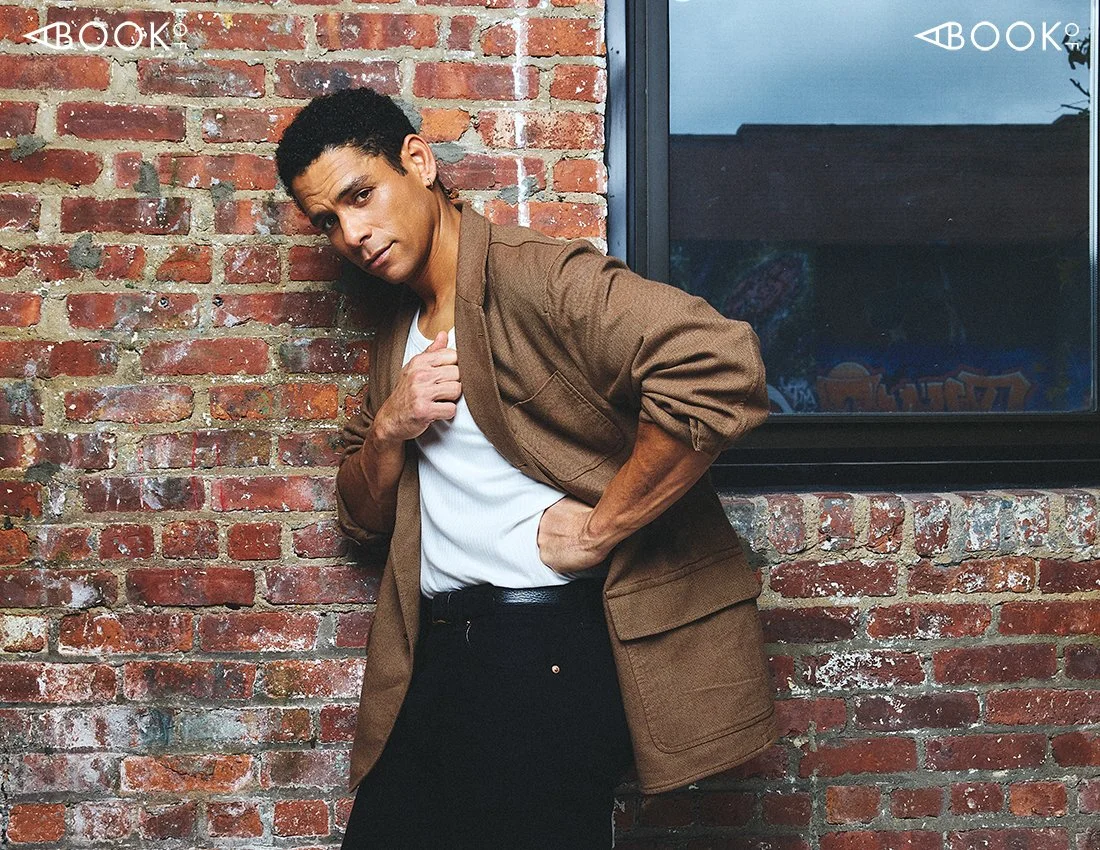
Speaking of success, there’s an interesting pattern across your work. Peter Mills belonged to a firehouse. Alan was trying to impose order on an impossible universe. Yord devoted himself to the Jedi Order. Now Jack comes from a family built almost entirely around federal institutions. How have you become interested in characters whose identity is tied to a system, especially at the moment when the system can no longer tell them who they are?
Wow, you like just blew my mind on that one. I never made that connection, but I love it. Oof, I'm always drawn to characters that are- I don't want to say stuck, but like between two points, like or if not six points. I love seeing people that are being pulled. I'm a huge, huge Chekhov fan. He's a Russian playwright, fucking brilliant. But he writes these pieces. I mean, he's dead, but he writes these pieces that are, you know, you'll have a monologue in which somebody is crying at the same time that they're laughing.
It's a very Russian, like Slavic kind of mentality of being like so heartbroken that you just laugh; you have to laugh at the irony of the situation. I like eat that shit up; That is my fucking bread and butter because I think it's some of the most beautiful parts of humanity is like the irony of being so broken that you're spun back around to joy is like… that's beautiful. That's beautiful. That's like a gift from the gods above to be like, hey, it all is gonna figure itself out. Like in some way, it will figure itself out.
And it reminds me of the resilience of humanity. Like truly, that's it. It is. It is a true testament of like how a person can go through losing their entire family and get up the next morning to take the next couple steps. I can't imagine being in that position, but I. I know there are people who have done that. I know people who have done that. There's something, you know, not to quote Alanis Morissette, but there's something beautifully ironic in that. So that being said, I think I am always just drawn to people who are on the who are on the balancing line of that. That that's the kind of character that I would love to play, because you're going to maybe reach those moments of like you know Alan in Russian or or in Jack in line of fire right now, trying to protect, trying to serve, trying to skirt, trying to save myself, like there are so many, you know, I'm gonna make this decision in order to do this, but that's gonna pull me in this way, and that's gonna I'm gonna counter it from this way. I just think that's like the most interesting part of humanity.
I think it also makes it really powerful that you have these tensions present, with layers, and not just anything flat. If you're someone who could definitely deliver that, amazing.
Knock on wood. I'll keep trying every day. Yeah, I think you know. Partially, it might also come from. I always say this to myself: I'm biracial. I'm mixed race. You know, I lived an existence where I wasn't accepted on either side of the majority racial communities within my hometown in Florida. I am adopted, so it's like having that kind of like, you are, but you aren't part of the family kind of mentality. I'm married to a man, but I consider myself pansexual.
I'm attracted to both and any. Like, I think being in between those lines has always made me feel like, oh, that's where I exist. Like that's where I exist in the nowhere land, in the kind of in-between. So I might never really have clocked it, but I might be very attracted to the people who are also finding those same, filling those same spaces. Yeah,
And that's a power to be able to travel between worlds. That's powerful.
Yeah, it can. It can also be a detriment, only because you end up being… I mean, I think that most of the time, people accuse you of not having your own basis or your own opinions, which is ironic to me because I'm like, "Bitch, talk to me. I have plenty of opinions. I don’t necessarily share them online. I don't trust the social media of it all. I would rather have a sit-down conversation.
Going back to Jack, he fascinates me because before we really know him as a man, we know him as an absence. His siblings have spent five years believing he’s dead. How do you play someone who’s been gone long enough that the family’s idea of his absence may now be more powerful than the person who returns?
Look, as an actor, that's the best gift you could ever give. I don't have to do any work about building my backstory or building my presence because they're all doing it for me. So I'm thankful. Thank you Josh. Much love. It's a great job to be a great job position to be in, but gosh, how do you? I mean, I almost that maybe is my answer. So much of it is relying on the on your cast and the people around you, or the writers, and how they develop that kind of a world. I love taking it. I mean, like I was watching last week for the second time. My husband was sitting on the couch.
He was watching in this room, and I was running to the bathroom because I had already seen it, and I was like, "I'm just gonna go to the bathroom and come back. And I heard Hope say, "Jane, but I heard Hope say a line about my character that I hadn't caught, that I hadn't, because I have a binder of just stuff that I write down, like, this person said this about me. This person said this about me. This is how they think about me.
It's the best way to start categorizing, you know, because that's one of the funnest things I have to say as an actor is like, I'll do all my breakdown of, like, what I think who I am, right? And this is based off of my actions within the script, any information I've received from the director that are like secrets that aren't layered into the script, and then everything that I actually say or do about myself. But then, and you can think about this in your own existence. Then there's always the what do other people think of me? How do people reflect on me in this existence?
Because I know I know times in my own head when I'm thinking, this is how I'm being. This is how I'm being portrayed in this environment, and then you come and kind of figure out. You're like, oh no, that's no, that's not at all. Like what people are receiving on the other end. I love that fucking shit. It's, again, another one of those juxtaposed moments. So then I'll take like, all the things that other people are saying about me, and one of those moments was one that Hope had.
I can't even remember what the line was, but it was something so beautiful that I was like, "Shit, that's that's that is a perfect that I need to take. I need to embody that part of myself because I hadn't even seen it. So so much of it is fulfilled by the people around you, and then you have to also question, especially in a show like this, well, what's a lie? Who's lying, and when are they lying? And what does that serve them? Am I lying about myself?
We mentioned that like Jack has a history of he was he was in the Navy SEAL, but prior to that, he had had a little bit of a drug addiction issue. That that might have led into the effect of his passing, which we now know as a fake passing, but his passing- that's one of the things that right now, as an actor, I'm struggling with. I'm like, is that true or is that a lie? Like, and how does it serve the performance if I was in that position? How does it not serve the performance? How does this affect my relationship with my siblings?
Did they see me in that position, which is why they feel that way, or was this just a rumor my parents and I made up to tell them? And would it then be like to them? It'd be like how we knew him in our whole life. He was never that person. You know what I mean? It's like all these things start to be like there's no wrong answer, but if I'm not certain on why I'm making these choices or why this has happened, it's going to kill my performance. I can tell you that. So it's like so much of that. I feel like it's based on the other people, you know, the writer, the other actors, the outside environment that you receive.
There's a whole collaboration that builds all of these worlds and characters.
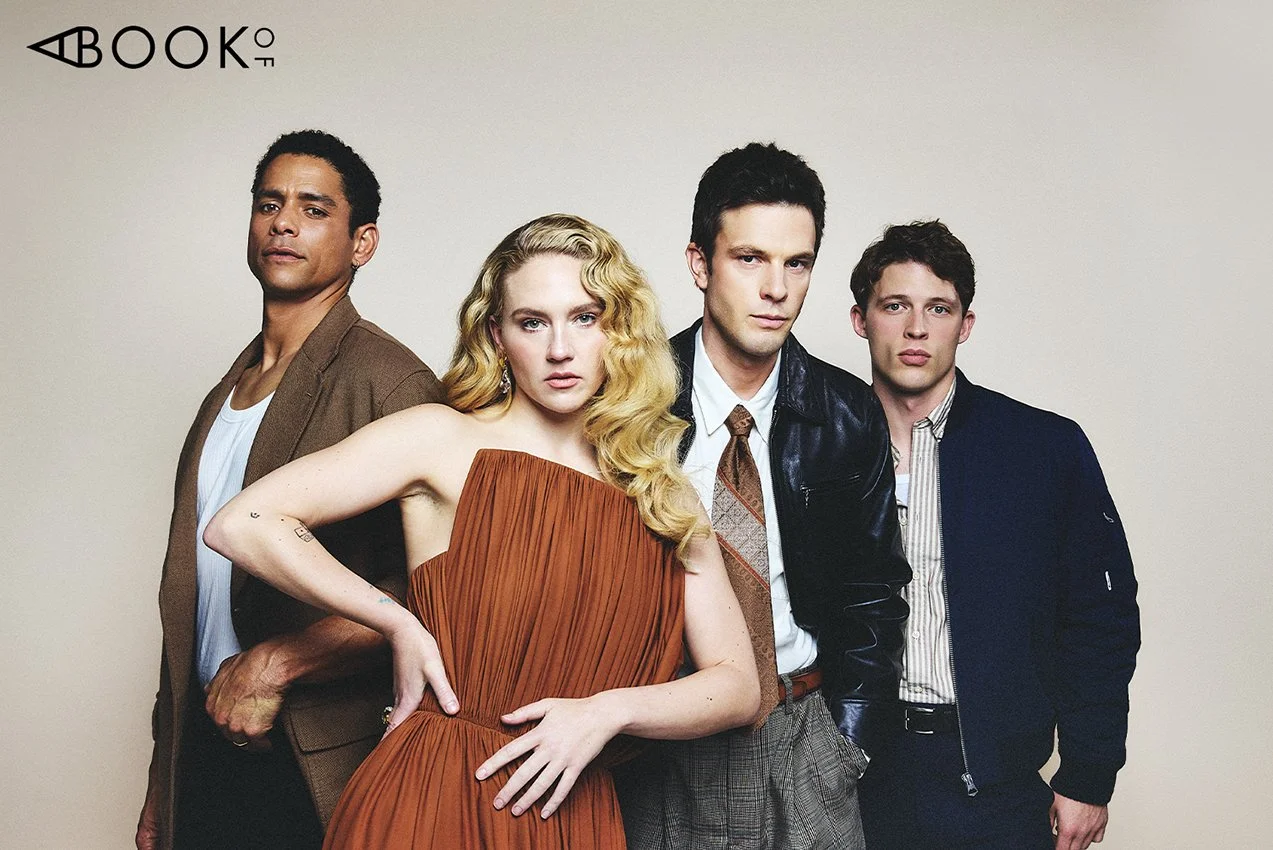
Joshua Safran said that within the writers’ room, the more devastating revelation isn’t necessarily that Jack may have done terrible things; it’s that his siblings will discover he was alive while they were grieving him. How did that change your understanding of Jack? Can something done in the name of protecting a family eventually become another form of abandonment?
Yes, of course. Yes, and this is so ironic, but I went to see a musical, a new musical last night at the Public Theater, and it was done in London, but it's the musical of The Curious Case of Benjamin Button, which honestly is like something I was like, let's go see this, and what is this going to be about? But they had a moment in there when Benjamin, because in the books are very different from the movies, but when Benjamin has a child with his his partner, he he decides at one point that he needs to go off and find himself in order to help care for them better.
He needs to leave them in order to find a better part of himself, and I can't help like in the moment of the show. I just was like, that's so fucking selfish, my man. Like that is so selfish. And of course, at the end of it, he realizes I didn't need to go on this journey. Everything that I needed was in you two from the beginning. You know what I mean? So it was like, well, you were gone for five years while they grew up and lived their own fucking struggles, and now you're just coming back to be like, oh, I realized I was wrong and it was all you. But they and they call it out. You know what I mean.
It is like that beautiful irony of like, and we forgive you and still love you because that's what humanity is all about, right?
But I think about those kind of moments and like decisions that I've made in my own life of like, how many times have I tried to say, hey, I don't want to be the burden on you as my as my husband or my partner, which you know probably stems from my connections to adoption and fear of like disposal, and it's like well then I don't want to be a burden on you so I'll take care of all my shit overload myself and then I you know and then you burn out and that's like well then your husband or your partner is then taking care of you through your burnout so was it more helpful for you to try and put all the shit on your shoulders in order to save them from something?
No, that's there's a part of you that has to learn to like allow other people to help.
I see it. It is also going back to the core theme of the show, which is all about family. They have to allow each other to help each and every one of them.
You're right.
I mean, the irony is Jane. You know, Hope's character is constantly saying like, "You, you need to let me help. You need to let me help. You need to let me help. And she is the first person to not let anyone help her. She will go to the ends of the earth in order to like protect her children by sacrificing herself, or sacrificing her situation, or sacrificing the family at large. But it is always under the guise of I'm helping the people that matter most in my life, you know, and even myself, who's not a blood relative of hers.
It's just like it is, and it's a perfect example of that. Of like, it doesn't matter who you are, bloodline-related. It doesn't matter. I have built this relationship with you as my child, and I care about you as much, if not more in a very different way because you aren't my direct child to protect you the same way, you know. Yeah, I don't know if that really answered the question, but I think it's like on the.
I'm like, I don't know where I'm going, but great. Such good questions that I'm just being like, Thank you,
Years ago, you pushed back against the idea that one Black gay actor could somehow stand in for an entire community. You wanted more people, more shades of experience, and more complicated characters. Seven years later, how do you measure progress now? Is visibility still the goal, or has the question become who gets to be complicated, flawed, and even dangerous without being asked to represent anyone who shares part of their identity?
No, look, I think there are absolutely- like, I don't think this gets mentioned enough. There are absolutely strides that have been made. We can look just at television alone. I mean, like our show, which is, you know, predominantly on every advertisement, you're going to see, like a white family. You know what I mean? And think like, okay, this is about a white family. But you dip into the show, and we are. I mean, we have vast amounts of color and race and gender and all kinds of options. I mean, there's always more that can be done. My personal opinion.
That being said, I believe that on many, many, many fronts. Like, no, it should never stop. We should never stop trying to highlight, reflect on, or utilize individuality and difference. And what makes me excited about it is that I think I hope in humanity and as an artist and artists in general that we are getting more and more specific and more and more minute in those kinds of expressions and in those visibilities. I can name. I mean, I have friends that I still haven't seen represented through shows.
I also know that there's a billion shows out there, so it's like maybe I haven't caught them yet. You know, I know there are communities that haven't been highlighted. I know that there are like small subsects because, like, think about it. I, I mean, like, just even being in the, I'm, I'm, I consider myself in the black community, correct? Right. I am also, though, half Irish, you know, which is very much not black. There are plenty of black Irish people. Let me say, but you know, on a scope of the world, like that would be something different. That's then maybe a subset.
I am biracial, and then biracial, but adopted by white people. That is a very different kind of subset, and so it's like even when you start looking down into each community, each community has each person has their own individuality within it, and if we're really going to get specific about representation of all things and all people, that would be hella hella detailed. So yes, I say that to say like no, there's always, always more places we can go, and yes, it's vastly important to reflect because it just brings us back. In my mind, that is that is the compassion muscle.
Like, if I start seeing parts of myself in a woman in Russia who is you know Eastern Asian, Mongolian, raising her kids on a farm, and somehow I relate to her, like that shit is fucking beautiful to me, and like I will then have more compassion walking down the street for somebody who looks like that. I will then have more understanding for a person, you know. In any kind of situation, it just helps build. I think it brings us closer together as a people. But yeah, I think it's I think it's incredibly important.
I would love for everybody to feel like they're reflected, and I also know that, like, hey, there can be times when I'm not reflected, but it's fucking amazing that I can see myself in this person or that person or that person or that person, despite our differences. And it's cliche, but I really, you know, I think that that's I think that's important.
It's more exciting. It's more interesting. It's like, yeah, why would that take away from my? Why would seeing people who are different from me take away from me? That doesn't. That doesn't have to do that. Exactly,
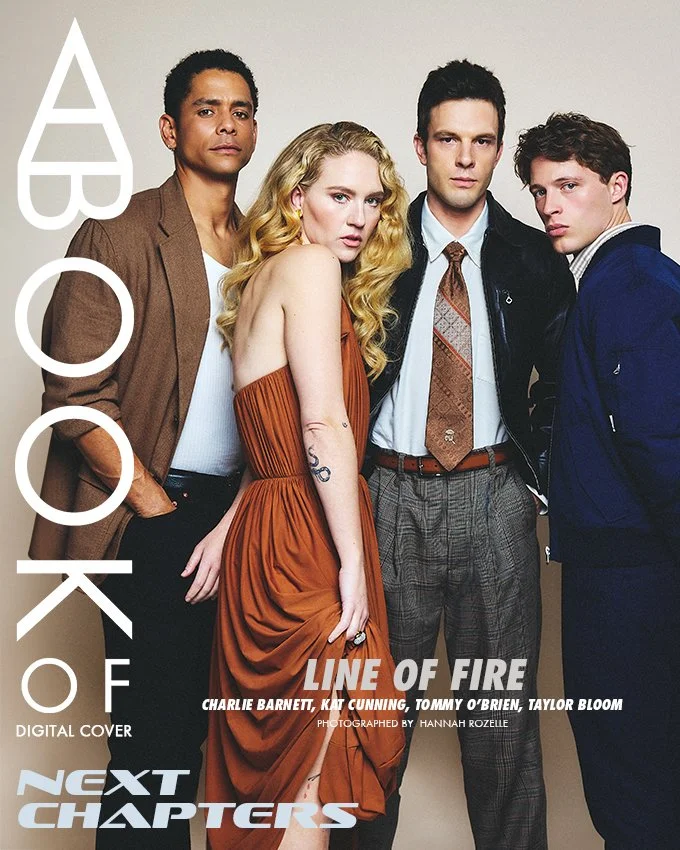
So much of your story, personally and through the people you’ve played, seems to circle belonging. Families we’re born into, families we choose, institutions we join, characters who disappear into identities that help them survive. At this point in your own life, what part of yourself are you no longer willing to edit out simply to belong somewhere?
Lot of things. Getting deep. Definitely. How do I put this? My positioning, definitely my positioning within my like, labeled communities. I oftentimes struggled with feeling black enough, with feeling queer enough, with feeling, you know, then like all the normal like attractive enough or smart enough or you know nonsense, and I think they all I say them just like not to throw them away, but just because they all fit under the same kind of umbrella. The generalized sense of just feeling like you don't belong, like you're not enough, or you aren't qualified to fill space within this atmosphere or within this community, and those are things. I mean, I'm still struggling with it every fucking day, and I probably will be to the end of my life.
But I have come to learn that, like, my blackness is my blackness, and no one can question me, take that shit away from me, affect it, or alter it to fill their own messenger void. My queerness is the same, and I'm so utterly thankful for those parts of myself. I would never ever want to allow somebody to try and determine what it is. Sorry, I'm getting like a little emotional about it. But it's I mean, I say it truly. It's an ongoing journey. But I'm so thankful to be in a place where I'm like I am who I am, and I'm grateful for those parts of myself.
My depression, my a lot of time, my mental health for a long time was like, this is going to be literally the death of me. This is going to be the thing that I'm struggling with all of my life, and it was terrifying. And not to say that it isn't still, but there are absolutely golden moments that I realize. Oh my God, I'm a better artist because of my depression. Oh my God, like, this is actually something beautiful and beneficial to me. As difficult as it can be, I need to. I want to like I don't need I need to respect it, but I need to like, I need to figure out how to, to how to put it away when it's not necessary, and how to experience it when I need to feel the pits. I need to feel the darkness because darkness isn't bad.
I think of it now like a yin and yang. You know, my mom is an acupuncturist. I was raised in like Eastern medicine as well, and a lot of the time maybe it's because of her helping her study, but I'm deeply attracted to that idea of yin and yang and in Eastern culture, it's just it's not seen as darkness being negative. It's necessary. It is actually like you need it in order to see the light. And I think a lot of more Americans with a Westernizing mentality are really come around to that, or at least it's just more popular.
But actually, like living it and cherishing it and like not being afraid to say like no, my darkness is is just as valid as my joy is. It's just it's it's changed my whole life. It's changed how I think about growth and yeah, how I think about myself and where I fit. But that included in all of the, like you know, I, Charlie, don't need to fit where you think he fits. I fit where I fit. That's it. Period. End of statement.
If you were a book, what book would you be, and why?
My God! Oof! Oof! This is so hard. I'm reading a book right now. I'm reading a crazy book right now that I almost want to say that, but I don't think it would fit. I'm reading this book called Ioläus. It's, um. Do I have it right next to? Oh yeah. It is. From Edward Carpenter; I forgot his name, but he's like, you know, a 1700s Brit. But it is a story. Yeah, it is a group of stories about very good friendships, queer friendships. They couldn't say it at the time, queerness or gayness.
I think I don't even know if it really had a solid name at the time, but very good friendships throughout history, and it's charting moments of when two men found deep, deep, deep connections of love that superseded wealth, desire. You know, all their kind of like boring shit, but it's like literally like just phrases like starting from beginning of writing, you know, until, like, current times, where you can see these moments of, through God, I'm going. Why am I going into this?
Through, like you know, it was illegal to practice some of this stuff through moments when it wasn't as well during like Greek and Roman culture, where these these like beautiful relationships kind of bloomed. I'm I'm saying all this, and as I'm saying it, I'm like, no, I don't want it to be this book; what would be my book? Ooh, maybe Life of Pi.
Yeah, I love that book. It's one of my favorites, and it's something About him, I don't know. You know, I mean, I don't want to give the story away, but creating the creating the characters on the animals in the boat, but also like not sure where the reality or the the mind kind of start take starts taking over the like resilience in him sitting on this boat and making it through and figuring out how to work with the animals, you know, the tiger included, like befriending them. I just there's so many parts of that I love that I would love to display in my life. The kind of like solaceness of it, yeah, yeah. I would like that to represent my life. I don't know if it. I'm sure a bunch of my friends would have a lot of other books.