LEIGH-ANNE WITHOUT COMPROMISE
BY: OSVALDO ESPINO
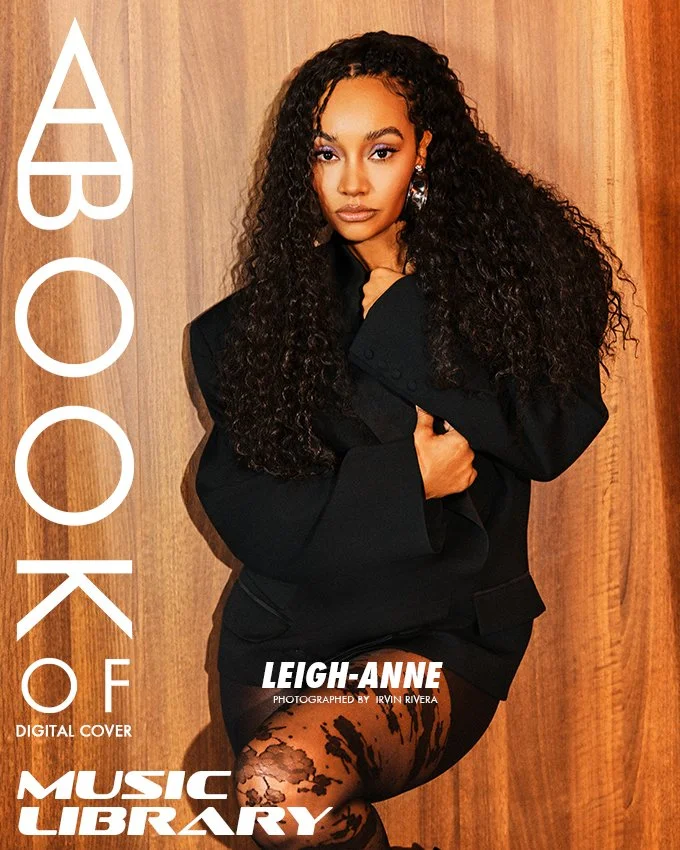
Photographer: IRVIN RIVERA, Stylist: JOSHUA ALAN CLARK, Make-up: CHRISTOPHER MILES @therexagency using @diorbeauty , Hair: INDIA M. HAMMOND, Producer: JESSE ZAPATERO, Location: STUDIO METROPOLIS
Blazer by MARIUSZ BRZEZINSKI , Earrings by DEFAÏENCE, Tights by LEGGS, Heels by DAMAYA
On her debut solo album My Ego Told Me To, the former Little Mix star turns survival, motherhood, heritage and self-trust into her most honest statement yet. There’s a certain level of grit required to survive the criticism of a global audience, especially when you come up inside one of the biggest pop girl groups of the 2010s, at a time when social media was exploding and every online voice seemed to grow louder by the day.
For Leigh-Anne, those years in Little Mix taught her how to endure the noise. But her solo era has taught her something even more important: how to trust herself above it. On her debut solo album, My Ego Told Me To, Leigh-Anne takes the lessons, pressure and self-doubt that shaped her career and turns them into something freer. It is her most honest and vulnerable work to date, but also her most confident, becoming a project rooted in heritage, independence and the return of the younger version of herself who, as she puts it, “would not take no shit.”
“I wonder over the years where that version went,” she says. “Where did she go?”
That question sits at the heart of My Ego Told Me To, an album that feels less like a reinvention than a reclamation. After more than a decade in Little Mix, where Leigh-Anne helped define the sound and image of one of the most successful girl groups of their generation, the transition into solo artistry came with both freedom and uncertainty. She was no stranger to the studio, the stage or the expectations of pop. But this time, she was building something without having to split the difference between four voices.
“I was in a group for around 10, 12 years, and it was obviously very much pop-focused,” Leigh-Anne says. “I never really got the chance to put my culture and my roots into my music and really do it. So now, being solo, I’ve got this one chance to really explore my roots and where I’m from and blend that into my music. It’s been really empowering.”
“Pop is so layered,” she says. “There isn’t just one way that it should sound.”
Still, claiming that freedom was not automatic. The title My Ego Told Me To sounds defiant at first, but the more Leigh-Anne explains it, the more it begins to sound like an act of self-protection. During the making of the album, she found herself in conflict with the expectations around her.
“I wanted to go into the studio, block out all of their noise and just write what I wanted to write,” she says. “Do what I wanted to do and make music with the sounds that inspire me.”
That feeling gave birth to one of the album’s central ideas. When she wrote “Dead and Gone,” Leigh-Anne imagined killing off the version of herself that was no longer serving her: the side that softened herself too much, backed down too often or allowed others to walk over her. What emerged instead was the “ego” of the title, not arrogance, but the return of a younger, sharper version of herself.
“When I think about the ego, she is basically the younger version of me,” Leigh-Anne says. “The younger version of me would not take no shit. Super determined. She was literally the Fire.”
That fire eventually became a guide.
“My ego told me to,” she says. “It’s like she told me to go independent. She told me to be brave and do what I want to do and do an album that is completely from my heart and completely me, with no compromise.”
The word “compromise” comes up often when Leigh-Anne talks about this chapter. In Little Mix, compromise was part of the job. Four personalities, four voices and four creative instincts had to meet in the middle. That dynamic created something powerful, and Leigh-Anne speaks warmly about the group, still referring to the other members as sisters. But working alone forced her to develop a different kind of confidence.
“Before, I would have maybe relied on the other girls in the group,” she says. “We would always make decisions together and compromise. Now, because I’ve done this for so long, I know what I love. I know what I like.”
That self-trust was not immediate. Like many artists who leave globally recognized groups, Leigh-Anne quickly realized that solo success does not simply inherit the momentum of the past. In some ways, she was starting over.
“You think coming out of something so massive, half the work’s already done,” she says. “But actually, I’m going solo, I’m doing music that’s very different from the group. It’s a different thing.”
The comparison did not only come from inside the industry. As Little Mix’s members moved into new chapters, online fans and outsiders often pitted them against one another, creating rivalries that Leigh-Anne finds frustrating and unnecessary.
Her relationship with social media has shifted because of that. These days, Leigh-Anne has been spending less time online and says she has never been happier. Instead, she has looked for safer, more direct ways to connect with the people who genuinely support her, including Discord and Patreon.
“I’ve really been trying to find new ways to interact with my fans,” she says. “Having platforms that protect me from the bullshit, protect me from the racism, protect me from the trolls, it’s just so needed.”
That need for protection is not theoretical. Leigh-Anne has spoken openly about the racism she experienced during her time in Little Mix, and becoming a mother has made her think even more deeply about how to prepare her children for the world. She wants to give them the language she did not always have when she was younger.
“I couldn’t fully put into words why I felt the way I did,” she says. “I couldn’t say the words, ‘You’re being treated differently because you’re the Black member.’ I couldn’t even say those words because I didn’t understand it.”
Motherhood has changed the pace of Leigh-Anne’s life, but not her ambition. If anything, she says becoming a mother helped her mentally as she moved away from the group because she was already entering a completely different stage of life.
“I actually think it helped me mentally to move away from the group,” she says. “I was going into a different stage of my life.”
Her favorite moments are simple: going to the park, having picnics, watching movies at home, escaping to the Cotswolds or taking a holiday where she can put her phone away and fully exist with her husband and children.
“Being present is my whole thing right now,” … “If I’m not being present, then I’m not living.”
“Success to me is making great music, making music that I’m proud of, that my fans love, and being true to myself,” she says.
That clarity comes through in the songs fans have already gravitated toward. “Best Version of Me,” which Leigh-Anne wrote while thinking about leaving the group, explores the pressure of living up to Little Mix’s success and the toll that expectation can take on mental health.
“All I really had to do was be me,” she says. “My most authentic version of me. And that is the best version of me.”
“Free” carries a similar spirit of release, while “Revival” lets her sharpen her tone into something closer to a clapback.
“People just love it when I talk my shit,” she says with a laugh. “With ‘Revival,’ it’s a bit of a clapback, really, to the label and being like, ‘Well, I’m the best we ever had.’”
The album’s Caribbean influence comes through especially on tracks like “Tied Up Skirt” and “Most Wanted,” the latter featuring Valiant and production from Rvssian. Leigh-Anne remembers “Most Wanted” as one of the songs that caused the most headaches during the label fallout, but she was relieved when the final version was released the way she wanted it.
“Valiant just made it, to be honest,” she says. “And Rvssian’s production is ridiculous. It’s kind of like the perfect collab.”
Then there is “Goodbye Good Morning,” a sensual R&B standout that Leigh-Anne calls one of her favorite songs she has ever made. The guitar riff, she says, came after asking for something that would give the track its emotional pull.
But the album’s most intimate moment may be “You ARE a Star,” an interlude featuring Leigh-Anne’s grandparents. She had asked her grandfather Steve about the Pinnock name and the pride he always carried in it. Because he struggles with using a phone, her grandmother helped record the message. Leigh-Anne did not tell them what to say. What came back felt almost too perfect.
Her grandmother remembered Leigh-Anne as a child saying she was a star, that she was determined, that she was going to make her dreams happen. Leigh-Anne says she does not remember saying those things, but hearing them now gave the album a deeper emotional anchor.
“It basically just sums up the whole album and my younger self,” … “How I was so driven to make my dreams come true and wanting to bring that younger self back again. It was perfect, and I get to have that forever.”
For now, she is letting the album breathe. She is back in the studio, but not rushing. There may be more music, and she has filmed TV projects she hopes people will see soon.
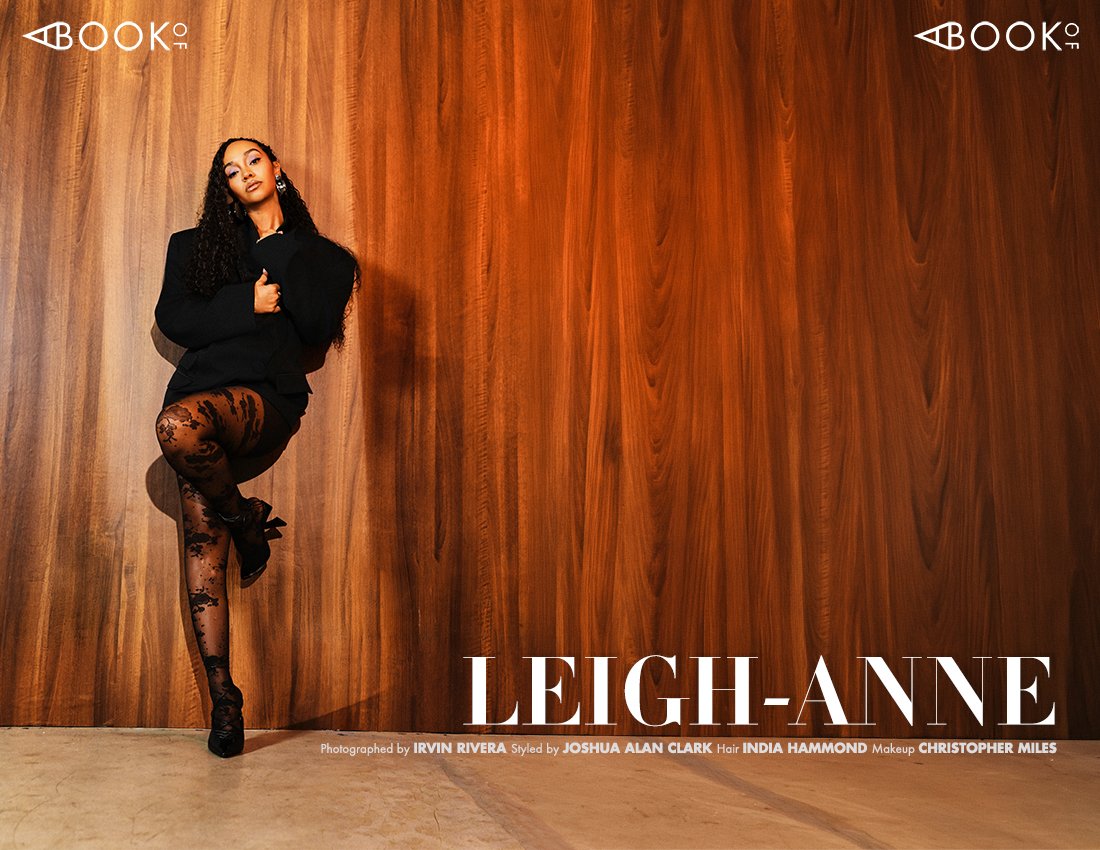
Blazer by MARIUSZ BRZEZINSKI , Earrings by DEFAÏENCE, Tights by LEGGS, Heels by DAMAYA
Your new album blends pop with reggae, dancehall, and Caribbean influences in a way we haven't really heard from you before. How did your upbringing shape the sound of My Ego Told Me To?
Obviously, I was in a group for around 10–12 years, and it was very much pop-focused. I never really got the chance to put my culture and my roots into my music. Now, being solo, I've finally had the chance to explore where I'm from and blend those influences into my music. It's been really empowering to be able to do exactly what I want to do. My mom's dad is Bajan, from Barbados, and my dad's dad is Jamaican. Both of their moms are white, so I have mixed-race parents. I feel like there are so many different influences, and I was really able to put that into this album. I wanted to merge pop with these other sounds I'm influenced by and create something that's unique to me.
After spending more than a decade in Little Mix, did stepping outside of that world feel liberating, or were you nervous people wouldn't understand the change?
It was a bit of both. On one hand, I finally had the chance to explore exactly who Leigh-Anne is and put all the things that make me who I am into my music. On the other hand, I knew people hadn't really heard this side of me before. Anything new comes with uncertainty, and people were so used to seeing me in a pop group. I was definitely nervous, but I've been in this industry for so long now that I'm not going to make music I don't believe in. I wanted this project to feel authentic, to feel like me, and to be something that's completely unique. More than anything, it felt empowering.
Pop music has become much more global over the last few years, with Afrobeats, reggae, dancehall, and Amapiano influencing mainstream artists. Did seeing that evolution give you more confidence to lean into those sounds?
Definitely. Afrobeats has been making huge waves, and you've got artists like Tyla redefining what pop can sound like. That's something I really want to do too. I want to create my own version of pop. Pop is so layered because it's simply popular music, so I don't think there's only one way it should sound. Artists like Rihanna have blended Caribbean sounds with pop so effortlessly, and now she's this phenomenon. She's the queen. Artists like that really inspire me.
The title My Ego Told Me To is incredibly striking. What does it mean to you?
The album really came out of a difficult period. I had a bit of a fallout with my label, and I reached a point where I wanted to shut out all the outside noise, go into the studio, write what I wanted to write, make the music I wanted to make, and stop feeling like I had to follow someone else's brief. I started thinking about the younger version of myself—not because she's gone, because she's always been there—but the girl who would never take no for an answer. She walked into every room knowing exactly who she was.
That became the inspiration behind "Dead & Gone." I realized I needed to let go of the version of myself that was no longer serving me in this industry: the softer side, the overly vulnerable side, the version of me that sometimes allowed people to walk all over her. That's where the ego came from.
When I think about my ego, I actually think about my younger self. She wouldn't take any shit. She was determined. She was fearless. She was the fire inside me, and somewhere along the way I felt like I'd lost her. This album became about finding that version of myself again. It was honestly therapeutic because I kept asking myself, "Where did she go?" I wanted her back. That's why it's called My Ego Told Me To. My ego told me to go independent. My ego told me to be brave. My ego told me to make the album I wanted to make, with no compromises.
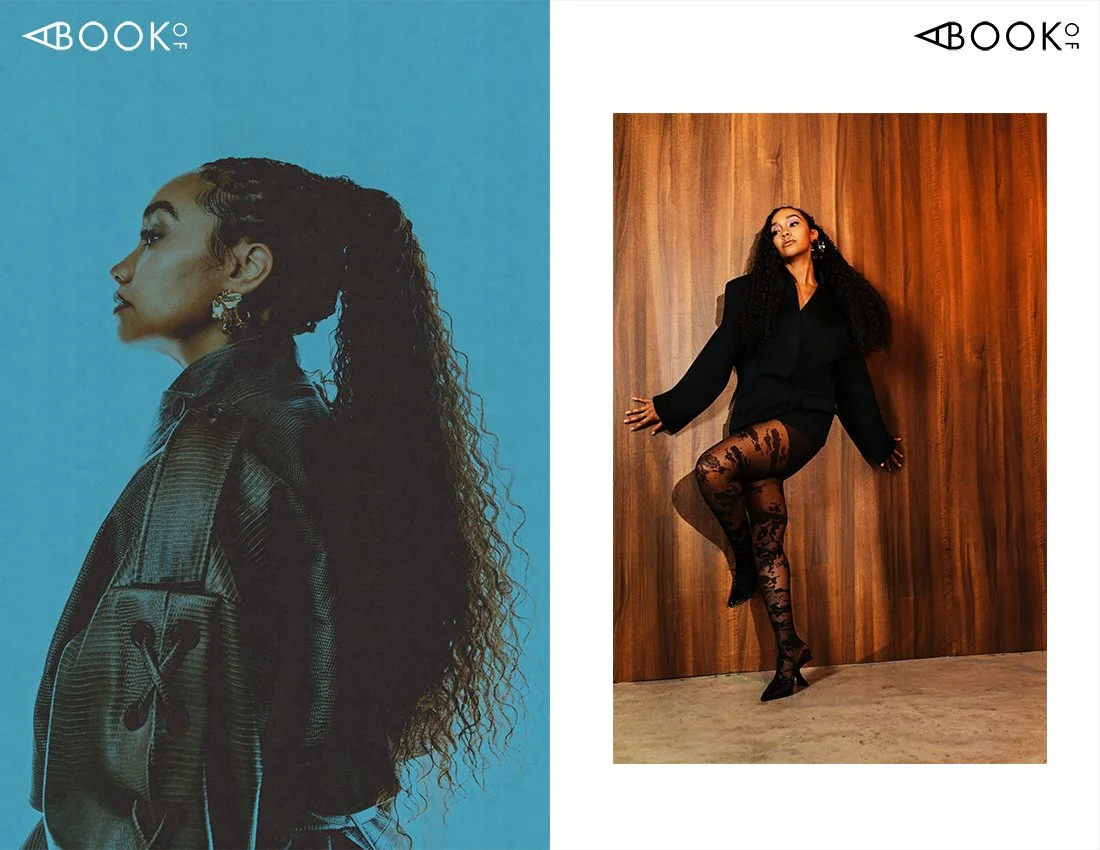
Left: Coat by MARIUSZ BRZEZINSKI, Earrings by DEFAÏENCE, Gloves by TOUCHÉ, Boots by DAMAYA
Was there a moment during this album where your instincts completely conflicted with what the industry was telling you to do?
Going independent was probably the biggest one. Five years ago, I don't think I would've made that decision because a major label was all I'd ever known. But music has changed so much. People want authenticity now. They want to hear the artist, and audiences can see through things that don't feel genuine. It felt like the right time.
Even learning to trust my own instincts has been a huge adjustment. In Little Mix, we always made decisions together. We'd compromise. Now I'm my own A&R. I know what songs I love. I know what feels right for me. Trusting that instinct is something I probably wouldn't have done years ago, but now I really believe in it.
Did becoming a solo artist feel like starting over, or did it feel like you were finally introducing the real Leigh-Anne to the world?
Honestly, it was both. I definitely felt like I was starting again. I didn't expect it to feel that way because, coming from something as huge as Little Mix, you naturally assume half the work has already been done. But I was making completely different music, introducing people to a different side of myself, and building something entirely new. I quickly realized I really was starting from scratch, but that became part of the excitement. It gave me the opportunity to redefine who I am. In a group, you can only show so much of yourself. Going solo has allowed me to finally introduce people to who Leigh-Anne really is.
Were there any habits from being in Little Mix that you had to unlearn once you became a solo artist?
Absolutely. I think I was very media trained. We were all careful about what we said and were scared to be too open. When I first started doing interviews on my own, I was really conscious of how I came across, and looking back, I probably sounded much more media-trained than I do now. I've definitely relaxed. I'm much more comfortable being myself.
Did leaving the group also change the way you saw yourself?
Yeah. Being in a group, I compared myself a lot. I even did it a little after I left. I don't do it nearly as much now, but when you're constantly being compared to other people, it naturally makes you more reserved. There's so much that comes with being in a group.
It was honestly the most fun I've ever had in my life. I'm still so close with the girls—we're sisters. We genuinely got on, and I truly had the time of my life. But there's also a darker side to being in a group that I think a lot of girl group members would understand.
Fandom culture can be incredibly intense, especially when artists begin pursuing solo careers. What's your relationship with that now?
I actually think we have a beautiful fanbase. They're amazing. What I do notice now is people trying to pit me against my old bandmates. They'll call themselves fans, but I'm like, "If you're really a fan, why are you being so mean?" If you don't have anything nice to say, just don't say it.
You'll have a Jade fan coming for a Perrie fan, or a Perrie fan coming for a Leigh-Anne fan, and I just think, "What are you doing?" Me and the girls are so close. We genuinely love and support one another, so it's always strange seeing people create competition where there isn't any. Some people get so intense and say really vile things to each other, and I just don't understand it.
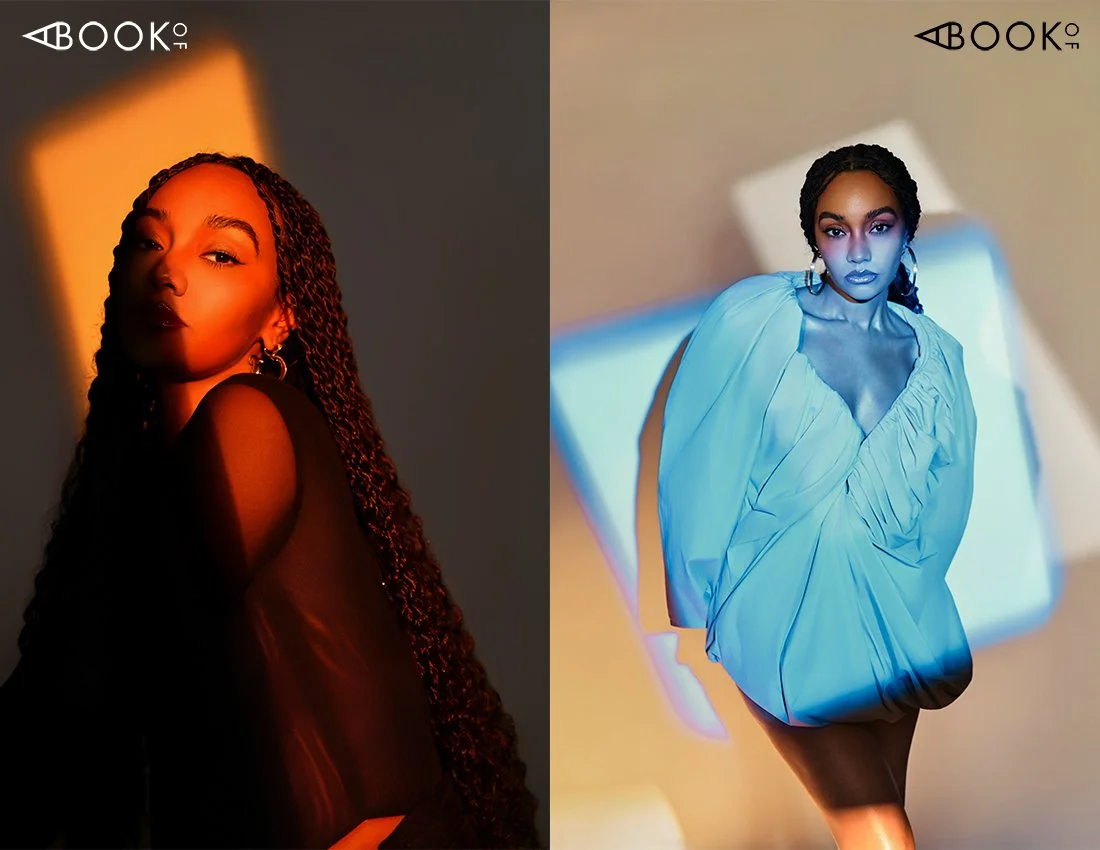
Left: Dress by DO LONG, Earrings and, bracelet by DEFAÏENCE, Heels by DANIEL ESSA
Right: Dress by DATT, Earrings by NORITAMY, Heels by DANIEL ESSA
You recently shared videos of yourself performing while pregnant. What was that experience like?
My midwife told me I could do anything I'd been doing before pregnancy, just not start doing anything completely new. I was skeptical at first. I kept thinking, "How am I going to dance? How am I going to perform?" But once rehearsals started, I realized I could still do everything.
It actually made me feel incredibly empowered. I know people are always going to have opinions, but honestly, who gives a fuck? Pregnancy is such a beautiful thing and it should be celebrated.
When Rihanna was pregnant, seeing the way she embraced her bump really inspired me. During my first pregnancy with my twins, I don't think I embraced it in the same way. This time I wanted to wear clothes that celebrated it instead of hiding it. I wanted my bump to breathe. Women shouldn't be told they can't wear something or can't perform just because they're pregnant. We absolutely can.
Motherhood arrived around the same time you began this new chapter as a solo artist. Did becoming a mom help you find your identity, or did it make balancing everything even harder?
That's a really good question. I actually think becoming a mother helped me mentally transition away from the group because I suddenly entered a completely different stage of my life. I had these two beautiful babies who became my entire focus, and while I was learning how to be a mom, I was also figuring out what kind of artist I wanted to be and what I wanted my music to sound like.
Looking back, it was actually a really exciting period. I was becoming a mother, signing with a new label, starting my solo career, and discovering who I was creatively. There were so many changes happening at once, but I genuinely enjoyed the whole process.
Has motherhood changed the way you approach your career?
I'm definitely a workaholic. I don't really stop. Even though I'm pregnant, I'm already back in the studio writing because I genuinely love making music. But my family will always be the most important thing in my life.
Everything comes in waves. I know why I'm working so hard, and it's for my girls. At the same time, making quality time for my family always comes first. Right now the album is out, I'm writing again, but I've also had some really beautiful time with my girls and my husband. Finding that balance is so important.
What does that quality time with your family look like?
We just got back from the Cotswolds, which is one of my favorite places. When people think about England outside of London, they picture the countryside, and that's exactly what the Cotswolds are. It's peaceful, beautiful, and somewhere you can completely switch off.
We also love going to the park, having picnics, watching movies at home—just simple things. The girls love being out and about. We also recently spent two weeks in Thailand, and having that time away from my phone to just be present with my family was honestly the best feeling. Being present is something I'm really focused on now. If I'm not present, then I'm not really living.
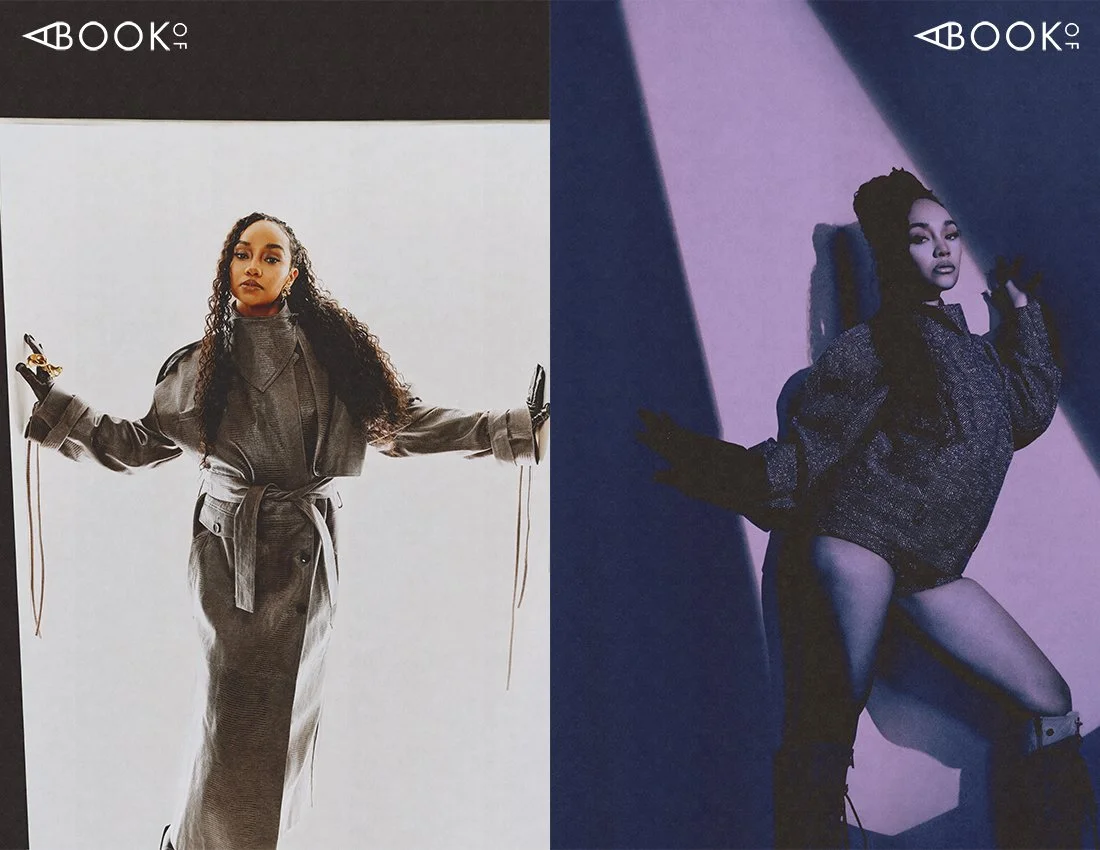
Left: Coat by MARIUSZ BRZEZINSKI, Earrings by DEFAÏENCE, Gloves by TOUCHÉ, Boots by DAMAYA
Jacket and shorts by ENTIRE STUDIOS, Earrings by DEFAÏENCE, Boots by DAMAYA
You've stepped back from social media quite a bit. Was that intentional?
Definitely. I've been trying to find healthier ways to connect with fans. I have a Discord community now that's really for people who genuinely support me and what I'm doing. At the same time, I've realized I don't need to live online all the time. I'd much rather spend time with my family and experience real life than constantly be looking at my phone.
How do you plan on helping your children navigate racism and discrimination as they grow up?
It starts with education. It's about making them aware of what racism is and having open conversations. I remember experiencing racism when I was in the group, but I couldn't fully explain why I felt the way I did. I couldn't even say, "You're treating me differently because I'm the Black member," because I didn't fully understand it myself. I was only 19 or 20. Communication is so important. I don't think racism is ever going to disappear because it's so deeply ingrained, but I'll always teach my children to stand up against it and use their voices.
You've spoken openly about the racism you've experienced online. Has social media gotten worse?
I honestly think it has. The other day I saw someone use a racist slur in a comment, and I couldn't believe it. How is that even allowed? That word should be banned. I genuinely don't understand how people can write things like that and leave them online. Platforms need to do more. As artists, we're constantly putting ourselves out there and opening ourselves up to scrutiny. We deserve to be protected, and I don't think the platforms are doing enough.
Has protecting your mental health become easier now that you're independent?
Definitely. It's much easier now because I'm a solo artist and I work for myself. I can release music when I want. I can take a break when I want. If I don't want to be on social media for a month, I don't have to be. I've also got someone helping me manage my socials now, which has been a complete game changer. I don't need to be online every day, and honestly, I don't care what people have to say anymore. I'm a human being too, and I deserve to protect my mental health.
How has the response to My Ego Told Me To been?
I've been so happy with it. I think my fans were just happy that I made the album I wanted to make—something that feels completely unique to me. A lot of people have really connected with "Best Version of Me." It's such an empowering song. I wrote it while I was thinking about leaving the group, and I was carrying all these expectations on my shoulders. There was so much pressure to be just as successful as the group had been, and it really affected my mental health. Then I realized all I had to do was be myself. The most authentic version of me is the best version of me, and I think a lot of people can relate to that.
People also really love "Free," which is another empowering record about allowing yourself to simply be who you are. "Revival" has been another favorite because I think people enjoy hearing me talk my shit a little. It's definitely a bit of a clapback to my label—basically saying, "I'm the best you ever had." Then there are songs like "Tightrope" and "Most Wanted," where I really leaned into my Jamaican roots and explored reggae and dancehall. I wanted to bring together dancehall, reggae, R&B, Afrobeats, and pop while still making the album feel cohesive, and I'm really proud that people seem to hear that.
"Most Wanted" is one of the standout records on the album. What was it like working with Rvssian and Valiant?
It was so much fun. We already had the track before I met Rvssian, then we sent it over to him, got into the studio together, and finished it. After that, we FaceTimed Valiant because Rvssian said, "You need to get Valiant on this." Valiant literally wrote his verse during that FaceTime call. It happened so quickly. There were loads of different versions of the song before we landed on the final one, and honestly that record became part of the fallout with my label. It caused so much stress, but it eventually came out exactly how I wanted it to. Valiant really elevated the record, and Rvssian's production is just ridiculous. It ended up being the perfect collaboration.
Another fan favorite is "Goodbye Good Morning." How did that song come together?
I absolutely love that song. It's one of my favorite songs I've ever made. It's just a fucking banger. The guitar was played by Alex Goldblatt, who works a lot with Kehlani and Chris Brown. I remember saying we needed a guitar riff, and he tried a few different ideas before playing the one that's on the record. The second I heard it, I knew. It just hits.
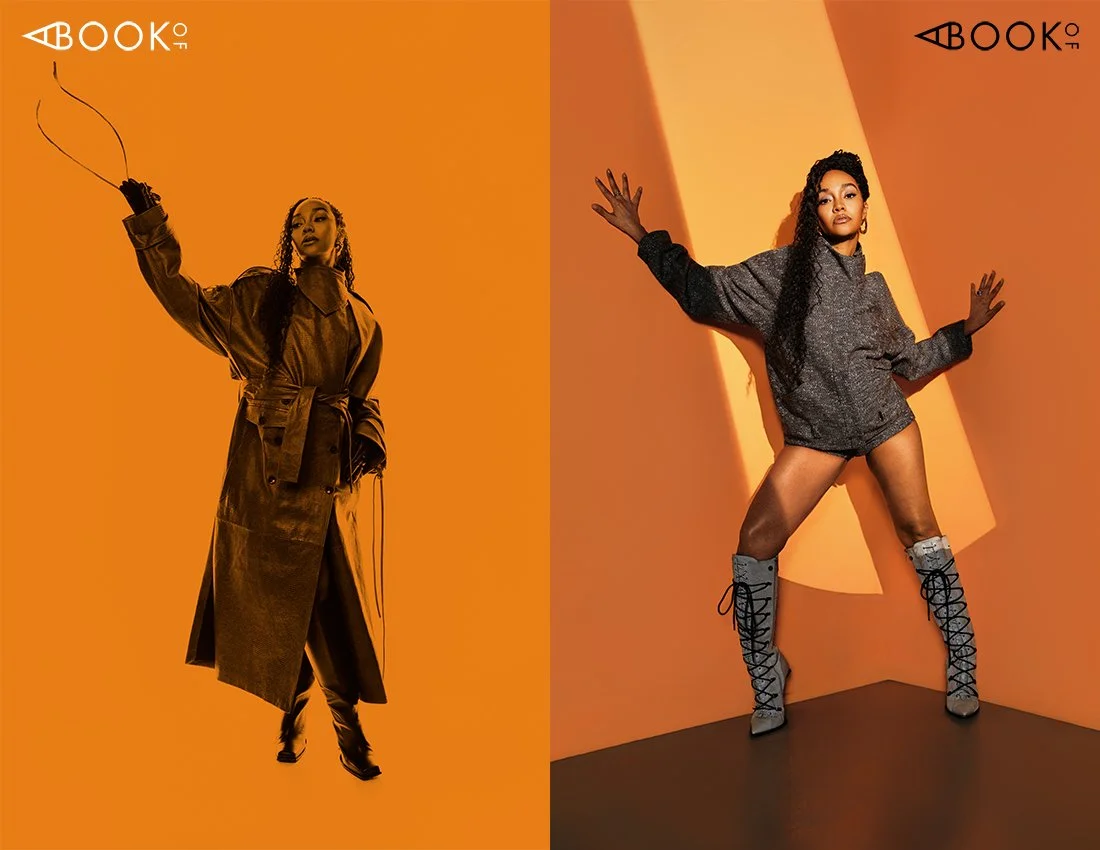
Left: Coat by MARIUSZ BRZEZINSKI, Earrings by DEFAÏENCE, Gloves by TOUCHÉ, Boots by DAMAYA
Right: Jacket and shorts by ENTIRE STUDIOS, Earrings by DEFAÏENCE, Boots by DAMAYA
One of the most touching moments on the album is the interlude "You Are a Star," featuring your grandparents. Why was it important to include them?
It was really special. My granddad Steve has always been incredibly proud of our last name—Pinnock. Growing up, whenever we were going through something, he'd always say, "Come on, you're a Pinnock. You're strong." I always wondered where that came from. Because he can't really use the phone anymore, I asked my grandma to help him record something. I didn't tell either of them what to say or give them any direction.
Then my grandma started talking about how I'd always said I was going to be a star and how determined I was as a little girl. Honestly, I don't even remember saying those things, but everything she said perfectly summed up the entire album. It reflected who I was as a child, how driven I was, and how determined I was to make my dreams come true. It tied perfectly into the theme of reconnecting with that younger version of myself, and now I'll have that recording forever. It's also a beautiful reminder of my family and where I come from.
Did recording this album mostly at home change your creative process?
It really did. Most of the album was recorded at home because I have a studio set up here, and my microphone is so good that I just wanted to use it. It was nice being able to record in the comfort of my own space. Most of the time it was just me and my engineer, Alex. There were a few songs recorded around London, but the majority of the album came together at home.
You also spent time writing in Jamaica. What did being there bring to the project creatively?
I actually did one of my first writing camps for this album in Jamaica, and it was amazing. Being back in what feels like my second home, surrounded by so many incredible writers and producers, was one of the best experiences. We came away with so many great songs. "Heaven," which closes the album, was written there, and it was one of the very first songs we made. The moment we finished it, I knew it had to be on the album. It just felt really special.
I think it was a combination of everything—the people, the environment, and the energy. Jamaica just hits differently. I don't know what it is, but the creativity flows in a different way there. I've noticed that whenever I do writing camps away from home. My very first camp for this album was actually in Tulum, and even then, just getting out of the UK helped unlock something creatively. There's something about leaving home that really inspires me.
Speaking of Tulum, how did you enjoy Mexico?
I loved it. I really want to visit Mexico City. Mexican food is actually my favorite food. I've been to Cabo and had an amazing time, but everyone keeps telling me I need to experience Mexico City, so that's definitely on my list.
You've entered a new chapter of your career where you own your music and have much more creative control. Has that changed the way you look at your work?
Probably. With Little Mix, I honestly don't even know if we fully read the contract we signed. We had lawyers, of course, but we'd just come off The X Factor. We were young and didn't really understand what we were signing. Even so, we always had a lot of creative input. We were in the writing sessions, we knew what we wanted to sound like, and we were always involved creatively.
Now I'm just completely focused on being free. I want to do exactly what I want to do. Regardless of whether I'm with a label or not, I reached a point where I was done compromising. Anything I do now is because I genuinely want to do it.
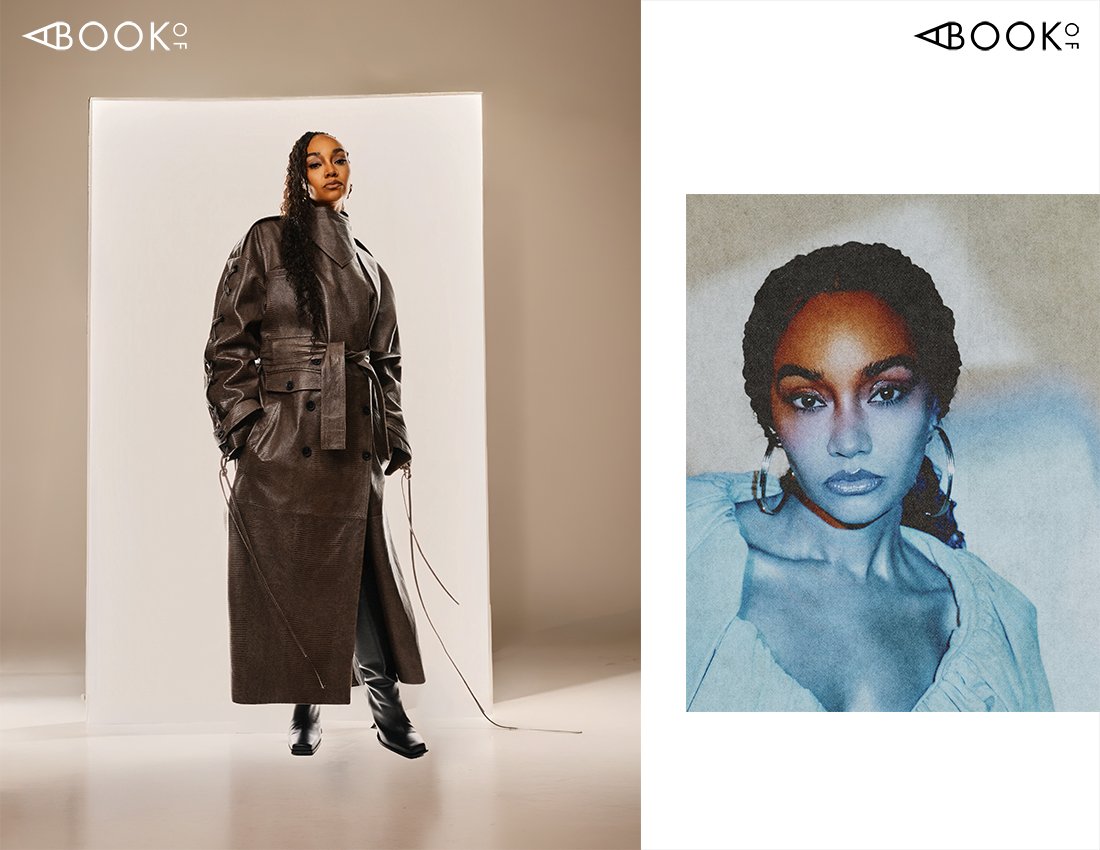
Left: Coat by MARIUSZ BRZEZINSKI, Earrings by DEFAÏENCE, Gloves by TOUCHÉ, Boots by DAMAYA
Independence comes with freedom, but it also comes with more responsibility. What's been the biggest adjustment?
You have to fund everything. To be fair, Virgin did help with some of the funding, so I wasn't completely on my own, but I've still invested a lot myself. The music industry has changed so much. You can spend huge amounts of money on a music video, but people don't watch videos the way they used to. Years ago, a music video was a huge event. Now, if something isn't performing well on social media, it often doesn't translate into streaming numbers.
I've had to learn how to be much more strategic with budgets and spending. I still want everything to be at a certain standard, but I also understand where it's worth investing. That's probably been one of the biggest lessons since becoming independent.
How do you define success now?
I can't focus on streaming numbers. Success, to me, is making great music that I'm proud of and making music my fans genuinely connect with while staying true to myself.
When I look at this album, there are achievements I'm incredibly proud of. I'm the first Black female from a UK girl group to have a Top 3 solo album in the UK. That's an incredible achievement. It shouldn't have taken this long, and I hope I won't be the last.
When I think about my younger self—the little girl who dreamed about all of this—I realize I'm opening doors for other people now. Hopefully I'm inspiring people. That's what success means to me. It's about legacy and what you stand for.
Having experienced both the major-label system and independence, what does a healthy artist-business relationship look like to you today?
I actually feel really lucky because I've experienced both worlds. I'll always be grateful for everything I achieved with Little Mix, but now I get to do things my own way. I get to simply be myself.
For me, a healthy relationship with this industry is about giving myself permission to rest. We're living in a time where everyone feels like they have to keep going constantly because people's attention spans are so much shorter. Years ago, you could release an album and disappear for a while. You really can't do that anymore. There's pressure to always be visible.
I've had to remind myself that my mental health comes first. My family comes first. It's all about finding that balance.
Do you ever feel pressure to constantly release new music?
Definitely. That's probably why I went straight back into the studio after finishing the album. But I also have to remind myself that even my fans tell me, "You just released an album. It's okay—we can wait." Seeing that reminds me to slow down.
I love writing and I'll always want to create, but I'm not rushing anything. If I make something I truly love, then I'll put it out. Right now I'm just enjoying experimenting. I worked so hard on My Ego Told Me To, and I want the album to breathe. I want people to really live with it.
As you look ahead, what's next for you? Between the new album, your growing family, and everything else you're working on, what can fans expect?
I'm back in the studio, so maybe there'll be something new this year—we'll see how things go. I've also filmed a couple of TV shows that should be coming out toward the end of the year, without saying too much. Obviously, there's the baby, but I'm also really excited to explore other things. I love acting, and I want to get back with my acting coach and really see where that takes me. I don't feel like I've been able to give acting everything I've got yet. I'm also really open-minded about where my career can go. I've done documentaries, I've acted, I've done some presenting. I'll always make music, but I definitely think there are a lot more ventures still to come for me.
Is there a particular acting role or project that's on your dream list?
I'd love to do a drama. I really want to explore every emotion. I've done comedy before, and I got to tap into some emotion there, but I want to do something deeper. I definitely think I've got that in me. One person I really look up to is Zendaya. She's one of my biggest inspirations. She's just so incredible.
After everything you've experienced—from Little Mix to motherhood to independence—what does this chapter of your life mean to you?
It feels empowering. I feel really lucky because I've experienced both worlds. I'll always be grateful for everything Little Mix gave me, but now I get to do things my own way. I get to be myself, make the music I want to make, and trust my own instincts. That's a really special feeling. I'm proud of this album because it's completely honest. It represents who I am, where I come from, and the artist I want to be. I hope people hear that when they listen to it