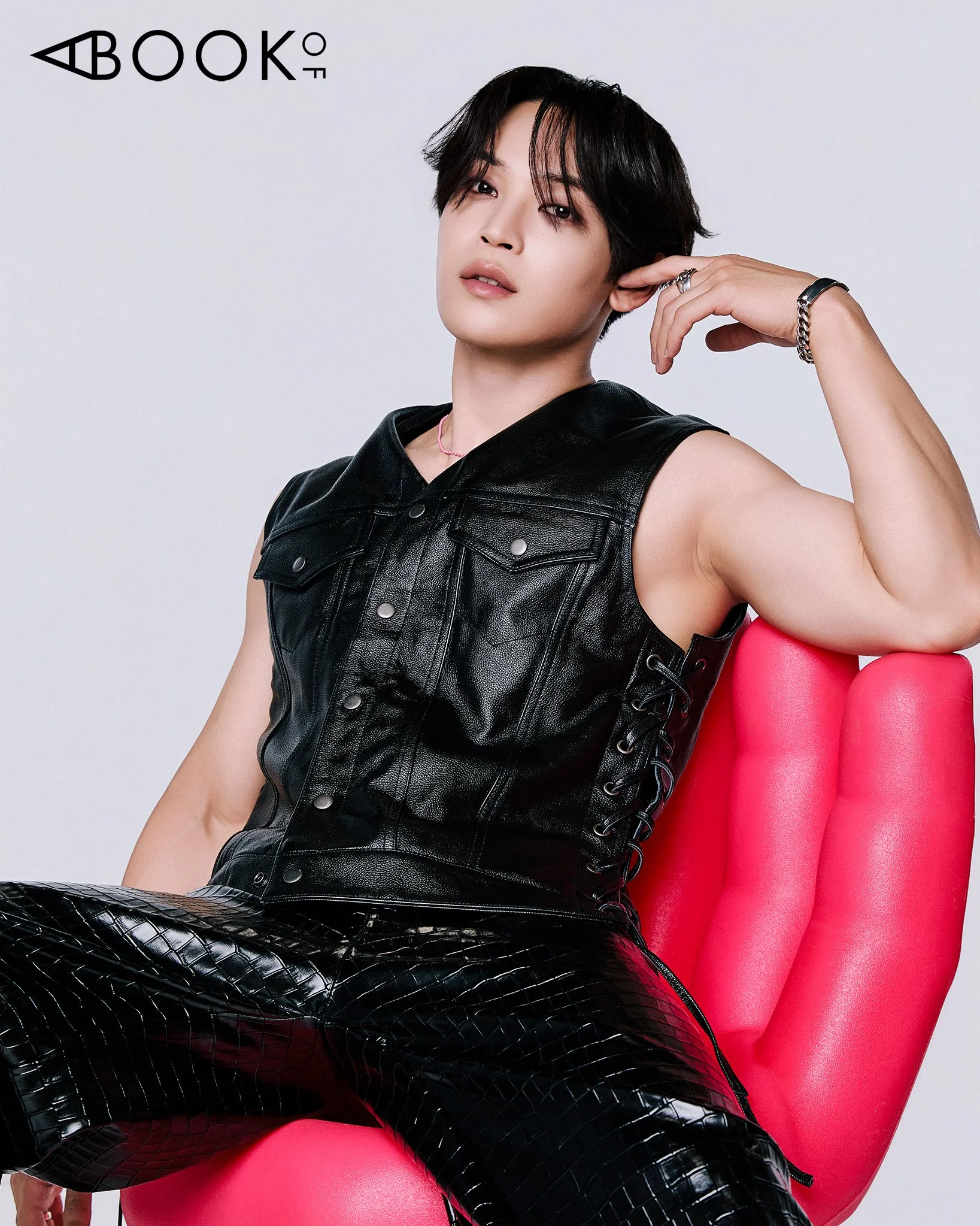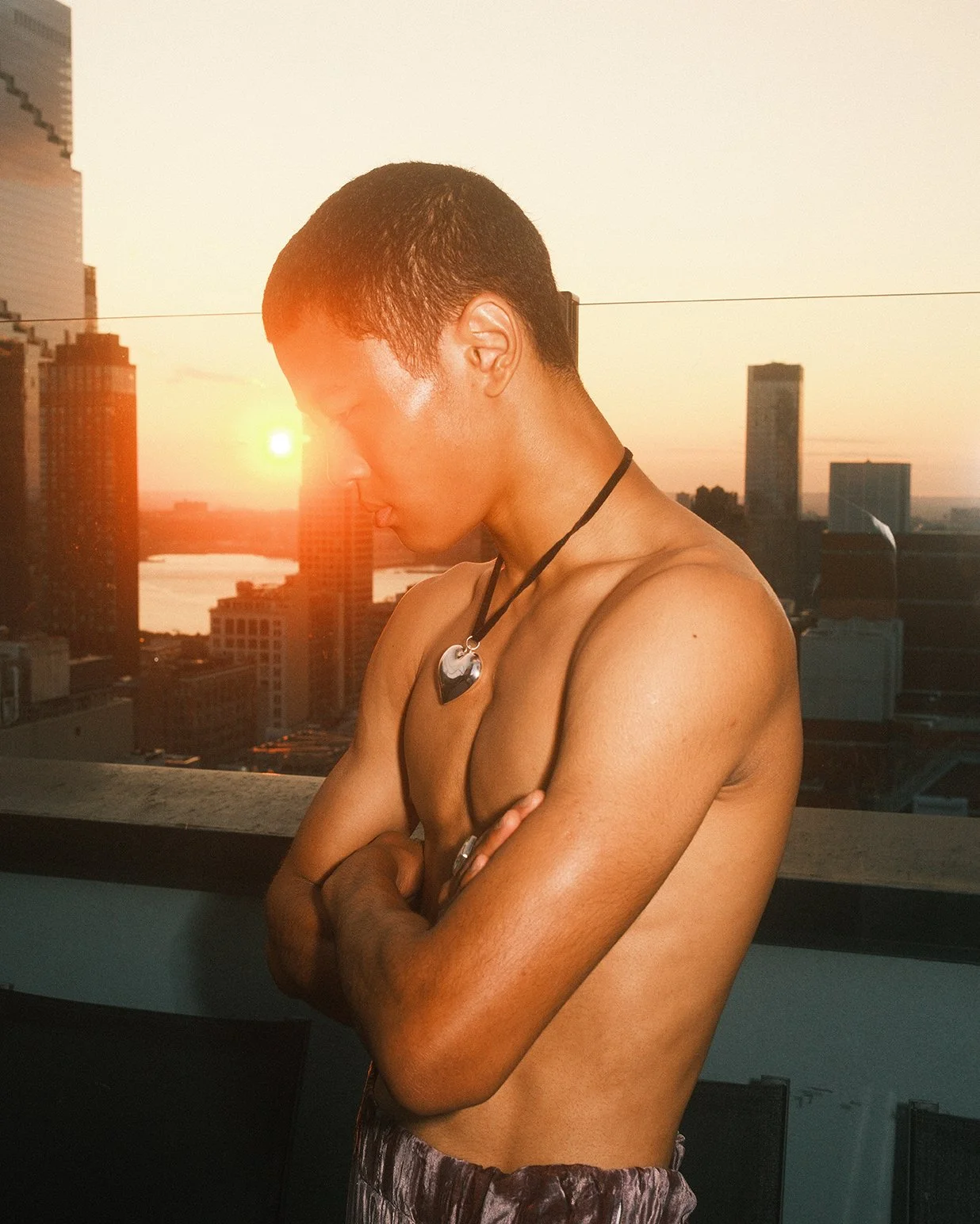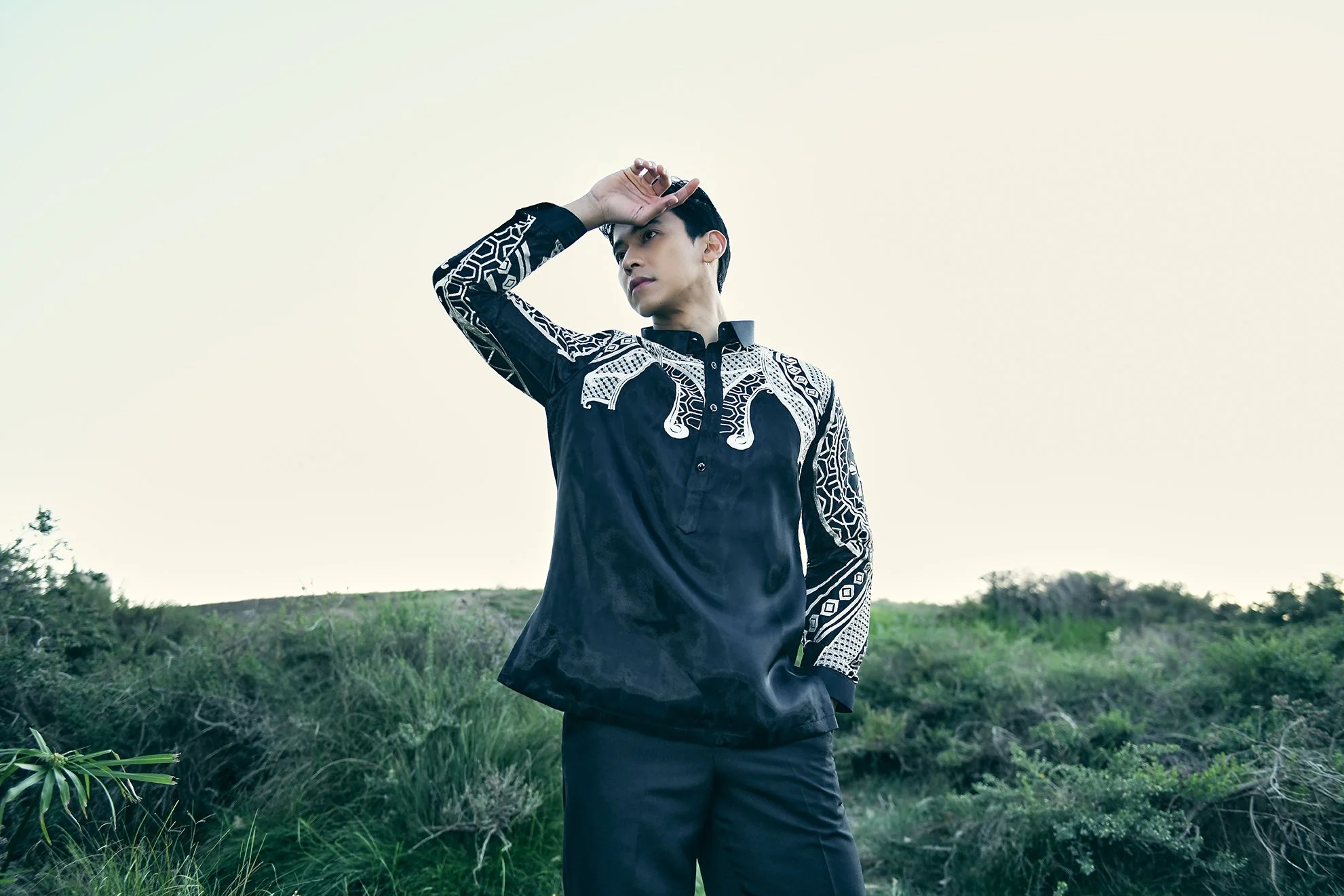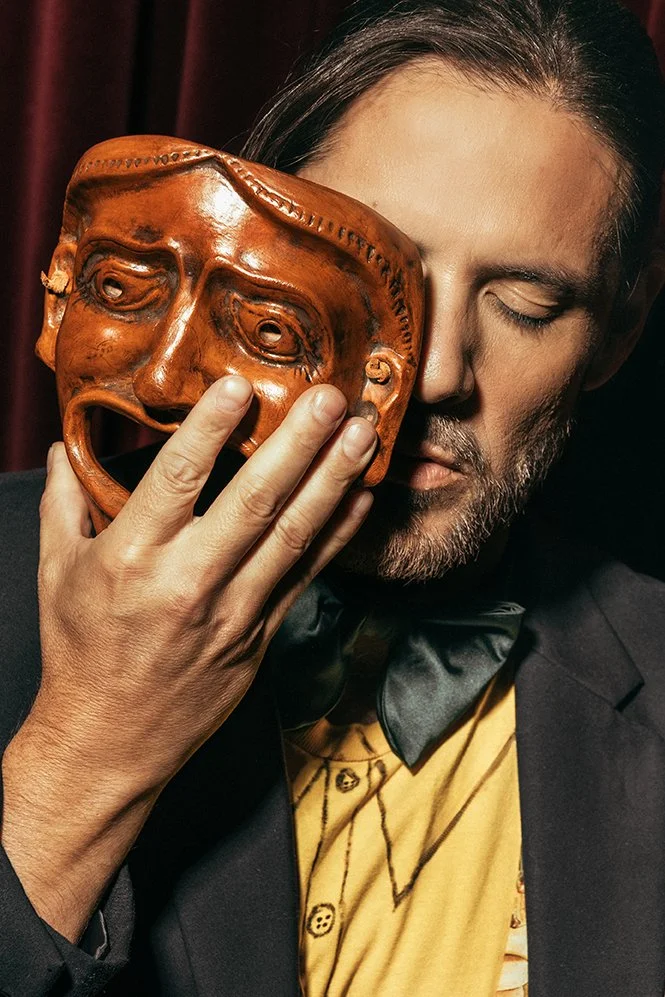
JO1 Opening a New Chapter Through ANIMAL
BY: JESSE ZAPATERO

PHOTOGRAPHER, JUSTIN AYERS, STYLIST: LIM SULI, LEE JAEHEE, JANG EUNGYEONG, HAIR: KIM SUJEONG, PARK KYUNGHEE, SHIN HYUNJUNG, MAKE-UP: SUN YOUNA, LEE BORYEON, DIGITECH: SIYOON KIM, PA: NATALIE ZAMORA
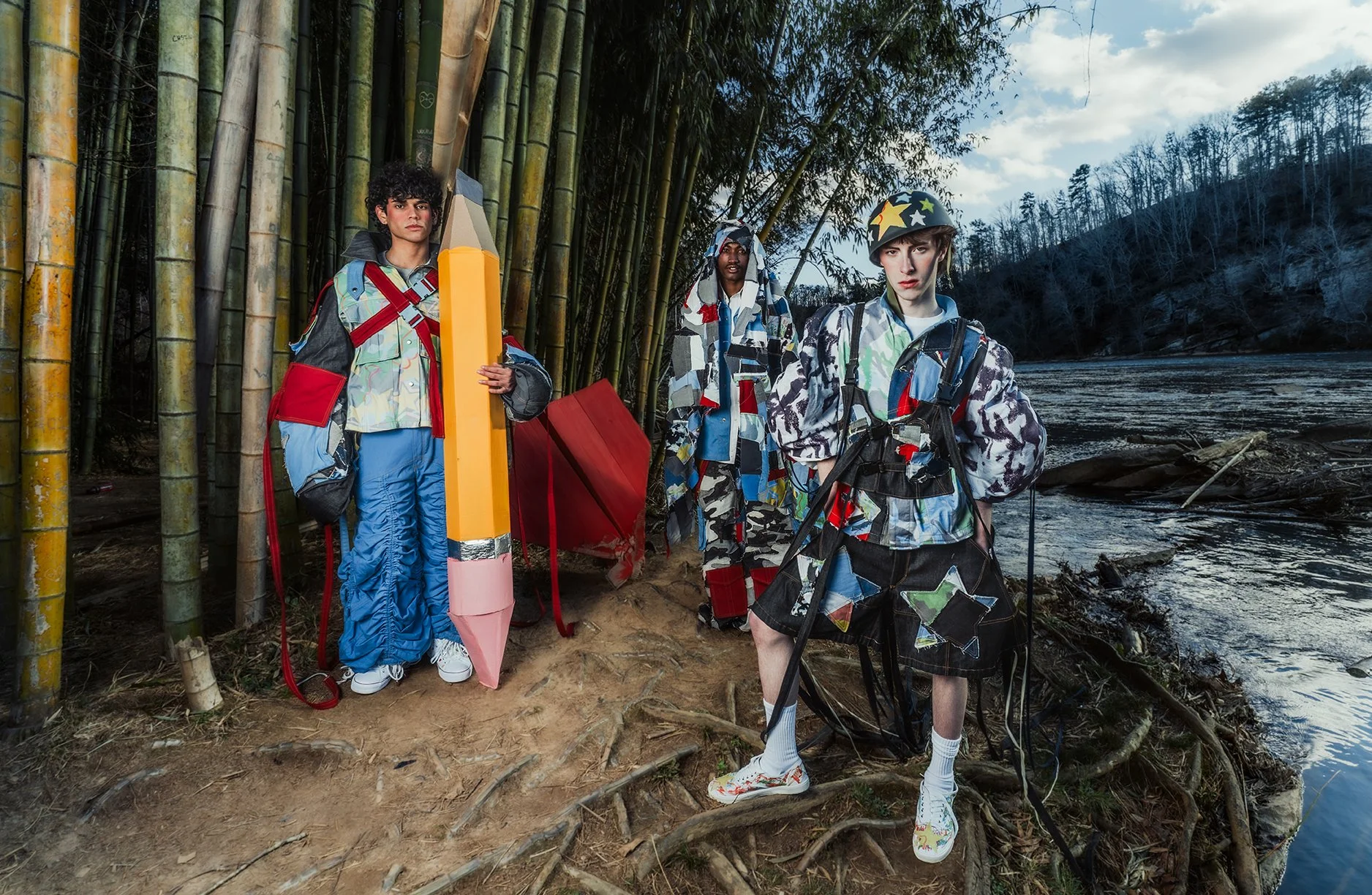
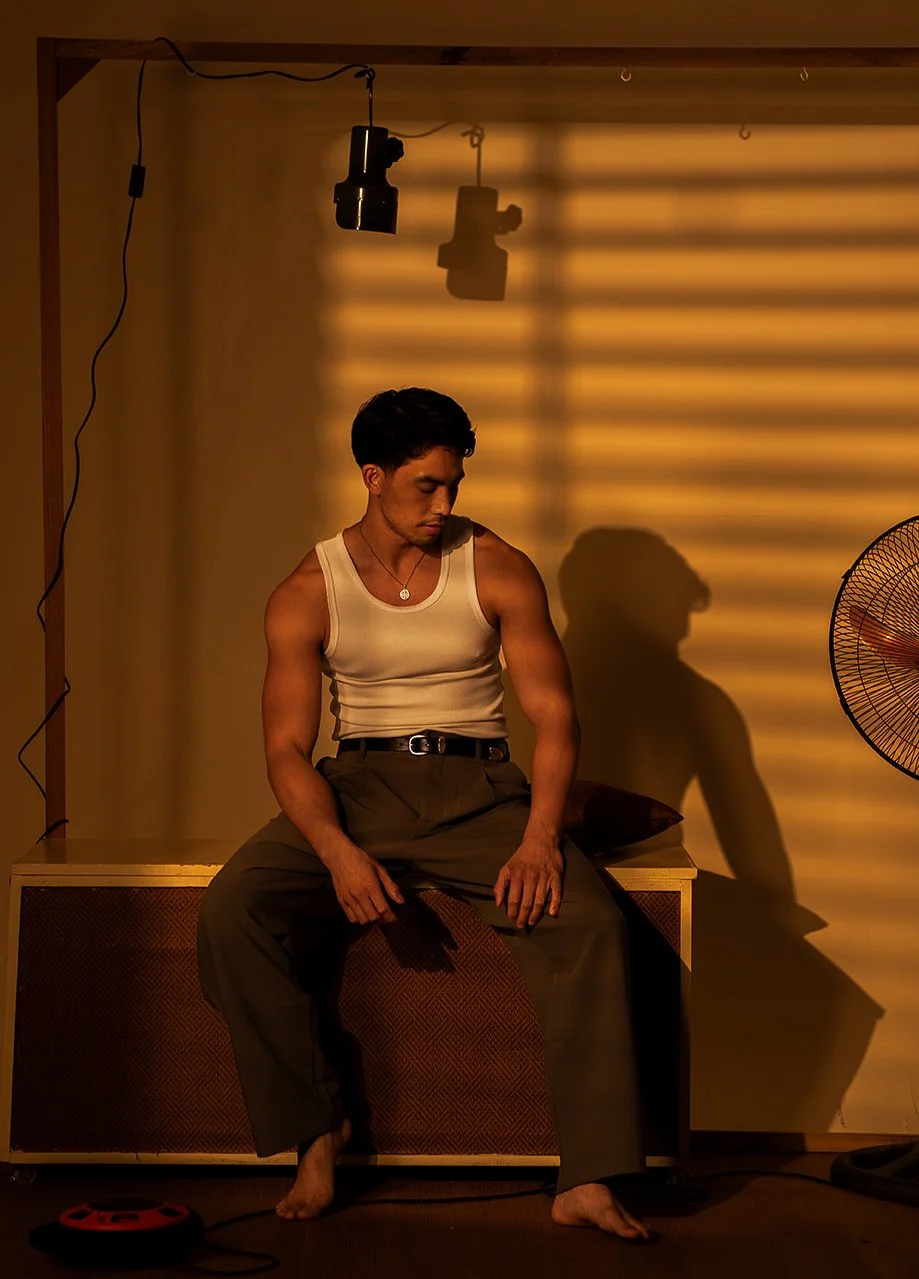
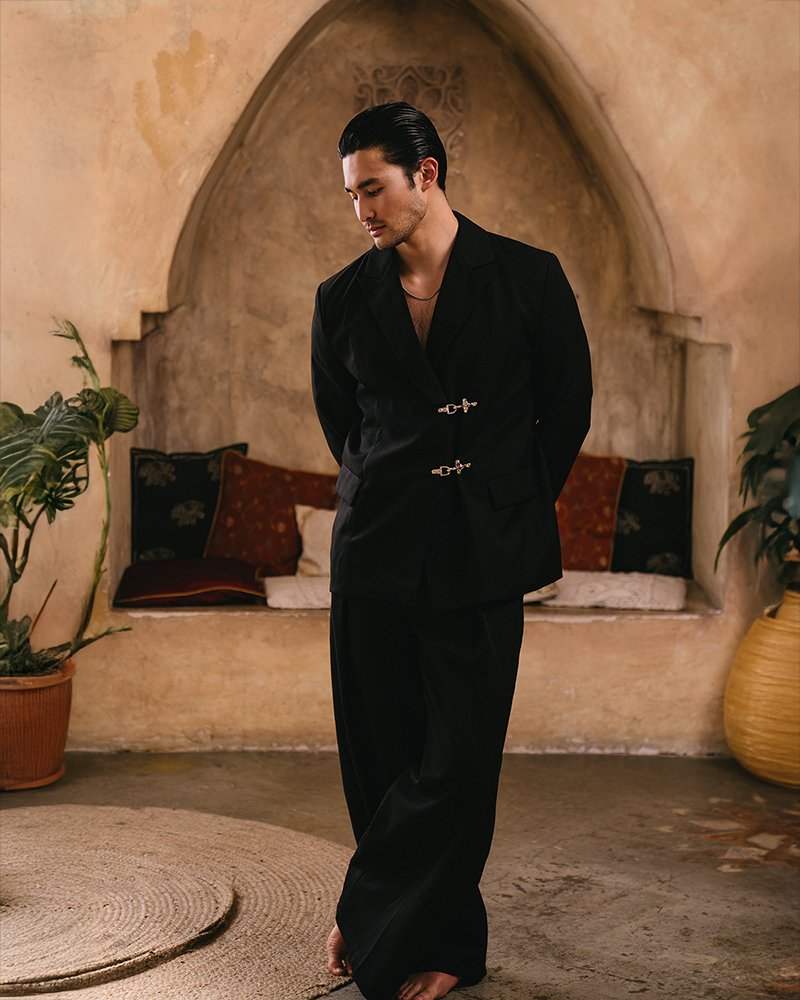
For JO1, the next chapter is getting bigger. The nine-member Japanese group — Sho, Ren, Ruki, Junki, Keigo, Takumi, Syoya, Sky and Mame — has steadily expanded the scale of what the group can look like, growing well beyond the foundation they first built in Japan. Years of releases, performances, and increasingly ambitious stages have brought them to 2026 with an international presence that continues to stretch further. Rather than marking a beginning, this moment feels like a continuation of that growth, with the guys taking everything they have developed together and pushing it into a larger global space.
At the center of that moment is ANIMAL, their six-track EP arriving October 2. The project places JO1 in a different musical context without separating them from the identity they have spent years establishing. Its title alone suggests something instinctive and immediate, fitting for a group whose performance has always depended heavily on movement, presence and the chemistry between nine people onstage. WHATCHA DOIN offered the first glimpse into this era, pairing an upbeat rhythm with the kind of repetition and momentum that feels built to extend beyond the recording. With ANIMAL, these artists are not simply releasing music in English; they are opening another door into the group.
The timing makes that door even wider. The same day ANIMAL arrives, JO1 will begin their 2026 North American tour in Toronto before heading to New York, Chicago, San Francisco and Los Angeles. Releasing a project and immediately taking it on the road gives the songs a chance to take shape onstage almost as soon as audiences hear them. Fans will be hearing this material while the group are simultaneously figuring out what it becomes in a room full of people. For a group so closely associated with performance, that immediacy feels especially fitting. The tour also gives them something a festival appearance or brief international stop cannot: an entire night built around their own world, with enough space to show the range of what JO1 has become.
There is something fitting about calling this era ANIMAL. JO1 have already crossed many of the milestones that once marked the distance between where they began and where they hoped to go, yet their current pace suggests little interest in treating any of them as a finish line. Instead, this era places the group somewhere between what they have already proven and what remains possible outside the borders where their story began. North America is only one part of that picture, but it represents a meaningful test of how far their music and performance can travel. Six songs, five cities, and nine members arrive at the same point this fall, giving JO1 another opportunity to show exactly who they are — and how much larger their world can become.

As JO1 continues reaching new audiences around the world, ANIMAL may be some listeners' first experience with the group. Beyond the music itself, what do you hope these six songs reveal about who JO1 is today?
REN: I want to show people JO1 taking on a challenge, and I hope that seeing us like that makes them want to take on something of their own, to set the instinct inside them on fire.

This EP is only six tracks, which means every song has earned its place. What role does each track play in shaping the bigger picture of the project?
SHO: Every song represents JO1 as we are right now. ANIMAL expresses the beast we keep inside us, STATUS shows our suppleness, THIS THE FYAH is the hip hop in us, DOWN is our party side, WHATCHA DOIN is our strength, and SAKURA stands for a sound that represents Japan. Every one of them plays its own perfect role.

When you were recording this project, was there a song or moment that made you hear yourself differently than you had on previous records?
KEIGO: The low register on STATUS. People might not expect it, but I can actually sing low. My speaking voice is high, but the low notes are in there too.

When you're deciding whether a song truly works for the group, what tells you that it belongs?
MAME: It comes down to whether it matches what JO1 is drawn to at that moment. The kind of song we want to try changes depending on the period we're in, so it's about whether everyone feels like this is the one we want to do right now.

You've spent years learning how each other performs, reacts under pressure, and approaches music. During the making of this EP, did any member do something creatively that genuinely surprised the rest of you?
SYOYA: I thought KEIGO's rapping voice sounded really cool.



With nine different personalities and creative perspectives within the group, how do you decide which ideas ultimately make it into the music, choreography, and performances?
MAME: We decide by talking it through a lot as a group. Everyone has their own taste and their own opinion, so it does take a while, but we keep talking until we land somewhere everyone can accept as much as possible.
Fans see the finished choreography, music videos, photos, and performances, but rarely the conversations that happen when something isn't working. When the group hits a creative wall, what usually gets everyone moving again?
SYOYA: Refusing to settle.
There's often pressure on artists entering a new market to make themselves easier to categorize. As you reach more listeners outside Japan, what about the group are you most determined to preserve rather than change for the sake of being understood internationally?
TAKUMI: Our precision as a dance group, and the freedom we have live. Holding both of those is a real strength, I think.
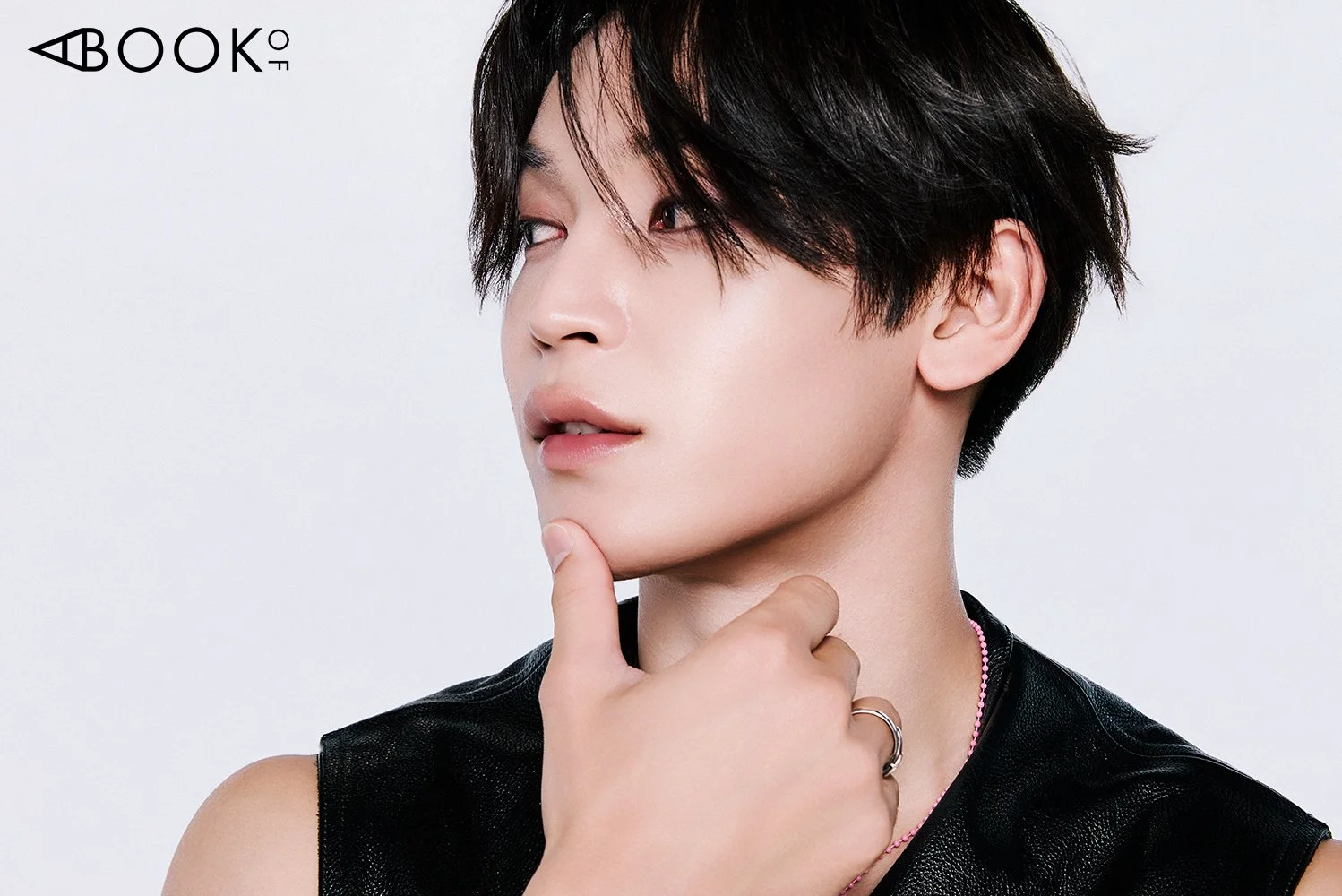
Your North American tour begins the same day the EP is released, so some fans will discover these songs at nearly the same time you begin performing them live. How has that shaped the way you're approaching the show?
REN: We're preparing seriously so that it turns into a time everyone can enjoy. To our fans, and to anyone who's even a little curious or has the time, please come and see us.
Concerts can completely change a song after it leaves the studio. Which track on this project do you think could take on a completely different life once you begin experiencing an audience's reaction to it every night?
JUNKI: WHATCHA DOIN. I can already picture the audience shouting along, and I think that's going to push our performance even higher.
You've already experienced American audiences through performances like KCON, but a headline show means everyone in the room specifically came to see you. What does having a room entirely to yourselves allow you to show that a festival or shared stage can't?
SKY: The main draw is the sheer force of the dance performance. Building a stage together with more than fifty dancers makes for a show that's really worth watching.
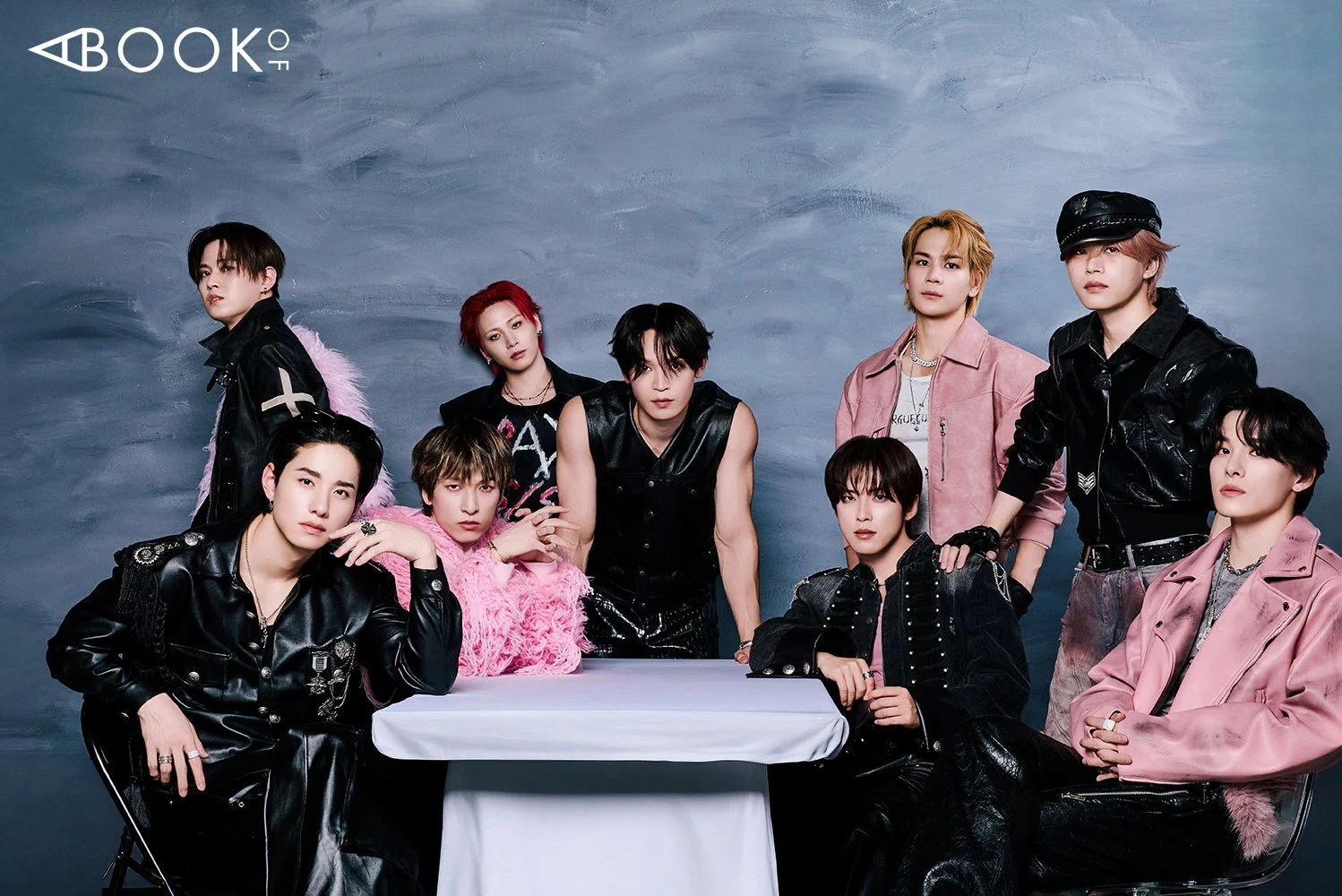
What is something about the group's life today that your younger selves were so busy dreaming about that you never considered what it would actually feel like once you got there?
RUKI: Getting close to the dreams and goals you once pictured, or even reaching them, doesn't mean you feel satisfied or that your worries disappear. I feel that strongly in this work and in everyday life. The road keeps going well past that point, and only once you arrive do you start seeing further goals and bigger dreams. Because it never stops, people stay hungry and keep growing. Where the limit sits is something you decide for yourself, and if you choose not to set one, you also have to train the part of you that believes you can go anywhere.
Years from now, when you look back at this project, the tour, and this period of your career, what do you hope you'll be able to say began here?
SHO: This EP is our run at America, and it's the start of it. We were given the chance to try so many things on it, so it's an EP that means a lot to us.
As leader, you're often thinking about what the group needs as a whole, but what is something you personally want to accomplish for yourself as a performer during this project and tour?
SHO: Through the tour I want to widen what I'm capable of. From here I want to make my own work and get it out for people to hear.
With your dance background, which song on this EP made you immediately start imagining how it could come alive through movement?

REN: ANIMAL. It made me want to think hard about how to express these animals, more passionate than anything we've done before, in a way that reaches people on an instinctive level.
You have a distinct presence when you perform, so what side of yourself, musically, visually, or onstage, are you most interested in pushing further with this project?
RUKI: All of it. Being strong in only one of them, music or visuals or performance, isn't what I picture and you couldn't call it finished. It's when all of it is let loose that I think you can shake the hearts of the audience and the fans.
As one of the group's central vocalists, what moment on this EP are you most excited for listeners to hear from you?
JUNKI: On the chorus of ANIMAL I sang in falsetto with a fragile tone, which is rare for me. There's also a fake in the last chorus that feels like me, so I think I got to show a lot of different colors in my voice.
You bring a lot of personality to the group both onstage and off, so how do you use the moments between songs on tour to let an audience experience a side of you they might not get through the music alone?
KEIGO: All of us worked on outfits made specifically for overseas, different from what we do in Japan. The makeup is going to look sharp too, so please keep an eye on that as well.
This tour ends in Los Angeles, a city you've mentioned having a connection with before, so what are you most looking forward to experiencing when you finally walk onto that stage for the last night?
TAKUMI: I'm looking forward to finding out how much heat they can pull out of us. It's the last night, so I want to go all out.



As you prepare to perform for audiences across North America, what kind of crowd energy tends to bring something unexpected out of you as a performer?
SYOYA: If they call out SYOYA in a big deep voice, I think the animal inside me is going to wake up.
A live show gives you much more space to communicate than a recording can, so what part of yourself do you think fans understand differently after seeing you perform in person?
SKY: My expression while I'm singing. You can't see that on a recording, but in person I feel like the singing and the words carry more weight.

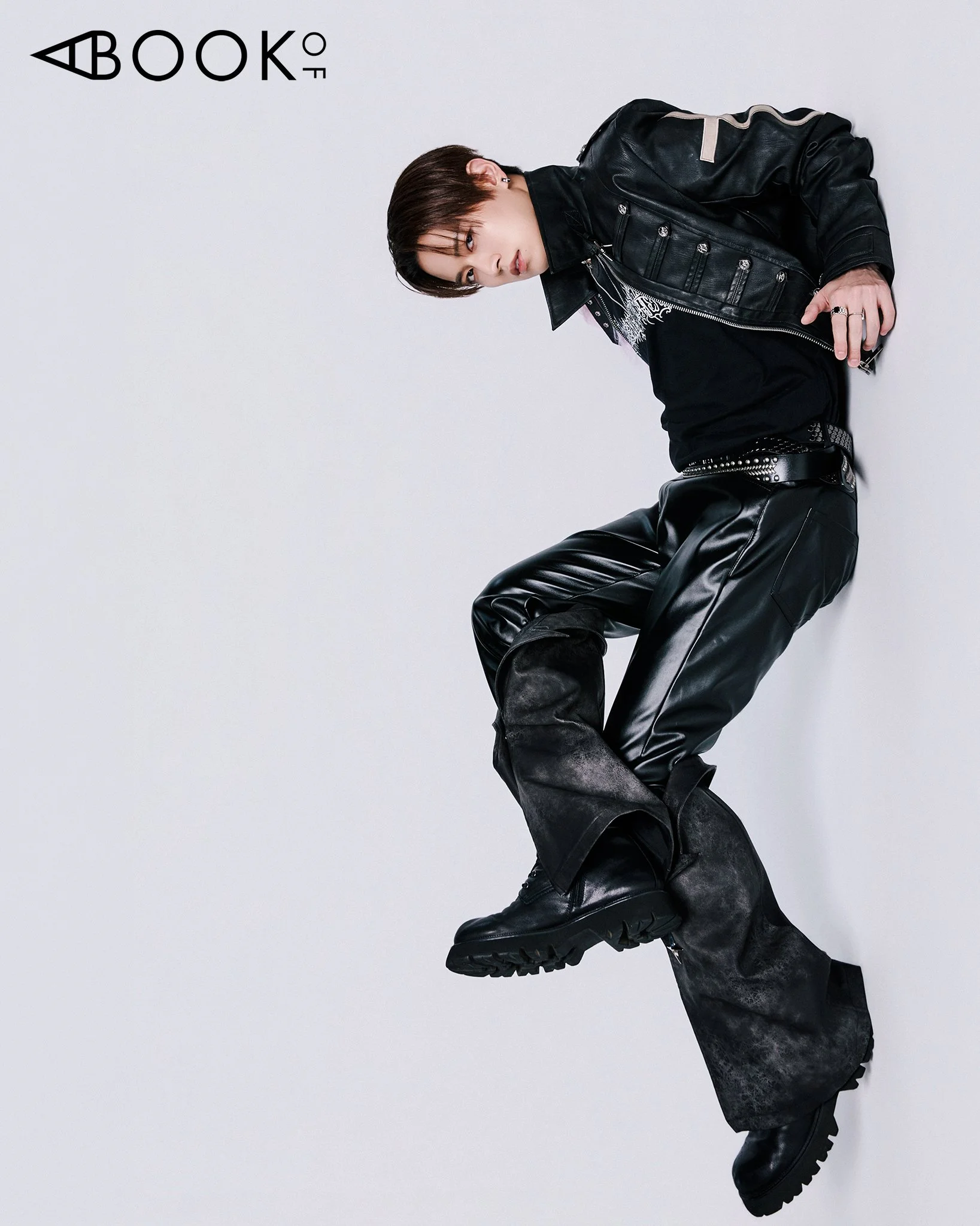
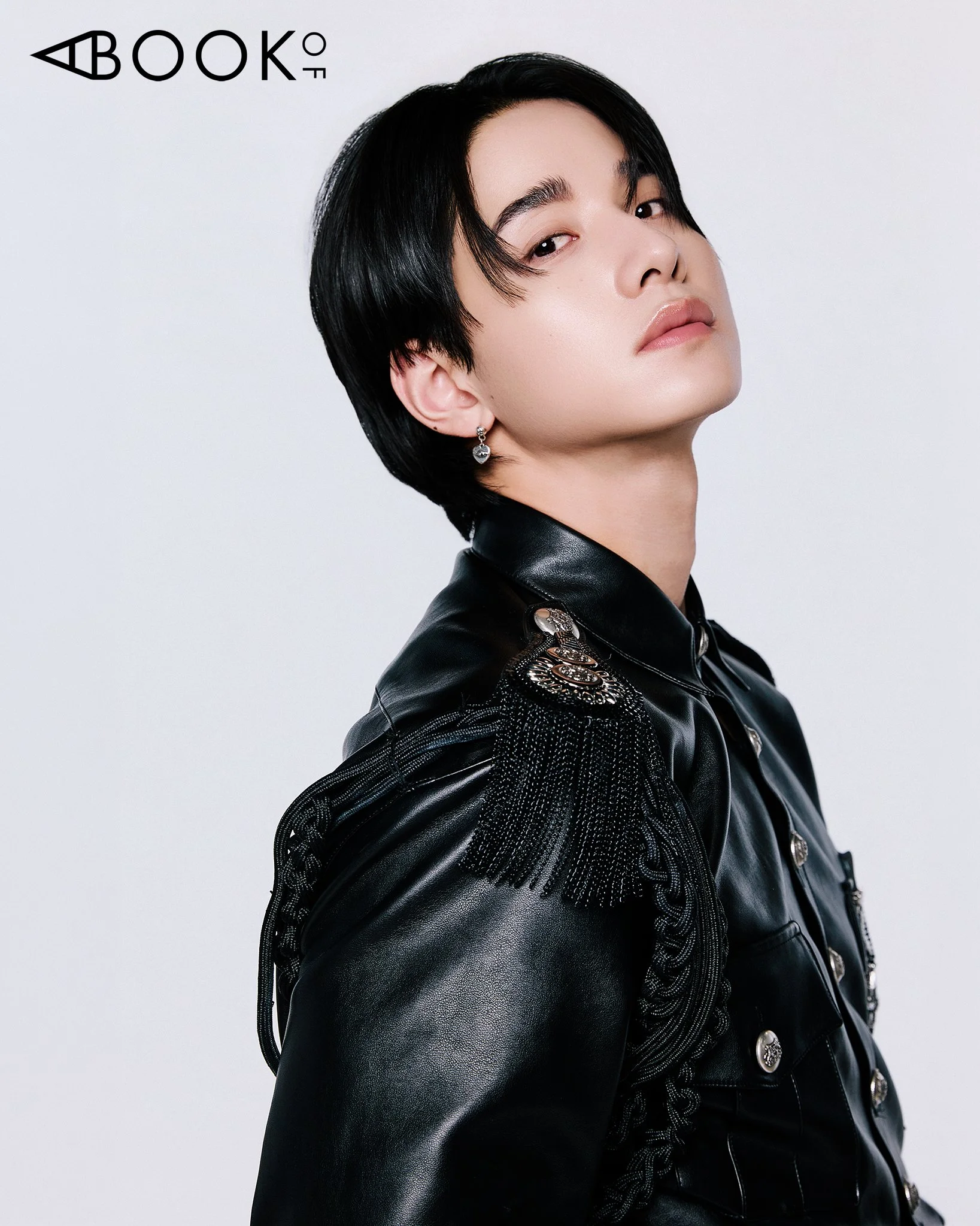
Between recording, choreography, visuals, music videos, and preparing for tour, which part of bringing this project to life has been the most exciting for you personally?
MAME: The choreography. Every song on this EP has dance in it, and all of the choreography was created by Japanese choreographers. The dance scene in Japan right now is so cool, and the dancers who made it for us are genuinely skilled, so that got me excited.
If you were a book, what book would you be and why?
SHO: A long novel, at the exact moment the adventure begins. The story of how we became JO1 and the story of what comes next both feel like they could be told that way.
REN: I'd want to be the kind of book that works like a good luck charm for a reader when they've lost their way a little.
RUKI: Fugen jikko, doing it rather than talking about it. However far I go, I think my life comes down to that. There's an image that the people who speak up are the ones whose wishes come true and who come out ahead, and maybe that's actually the case. But if I had to choose one, and when I ask myself which version of me I like, I'd pick this one every time.
JUNKI: The main character of a hot blooded anime. My life has its ups and downs like an anime, and it's interesting, and that's how I want it to be.
KEIGO: Work Hard by Having Fun. I'm always moving with the question of how to make something more fun or more interesting. I'm not good at grinding, so I go into practice with the feeling of doing something I enjoy.
TAKUMI: ONE PIECE. To me it's an adventure heading toward a treasure, toward something, that nobody knows yet. That's what this tour is for, the way I see it.
SYOYA: A book that can stay close to people who are struggling or feeling worn down.
SKY: Plants and Life. I think plants and people have a point of contact. It would be a book setting down what I feel from living with plants right now.
MAME: A book about a hero. I love heroes myself, and I want to fight for someone the way a hero does.