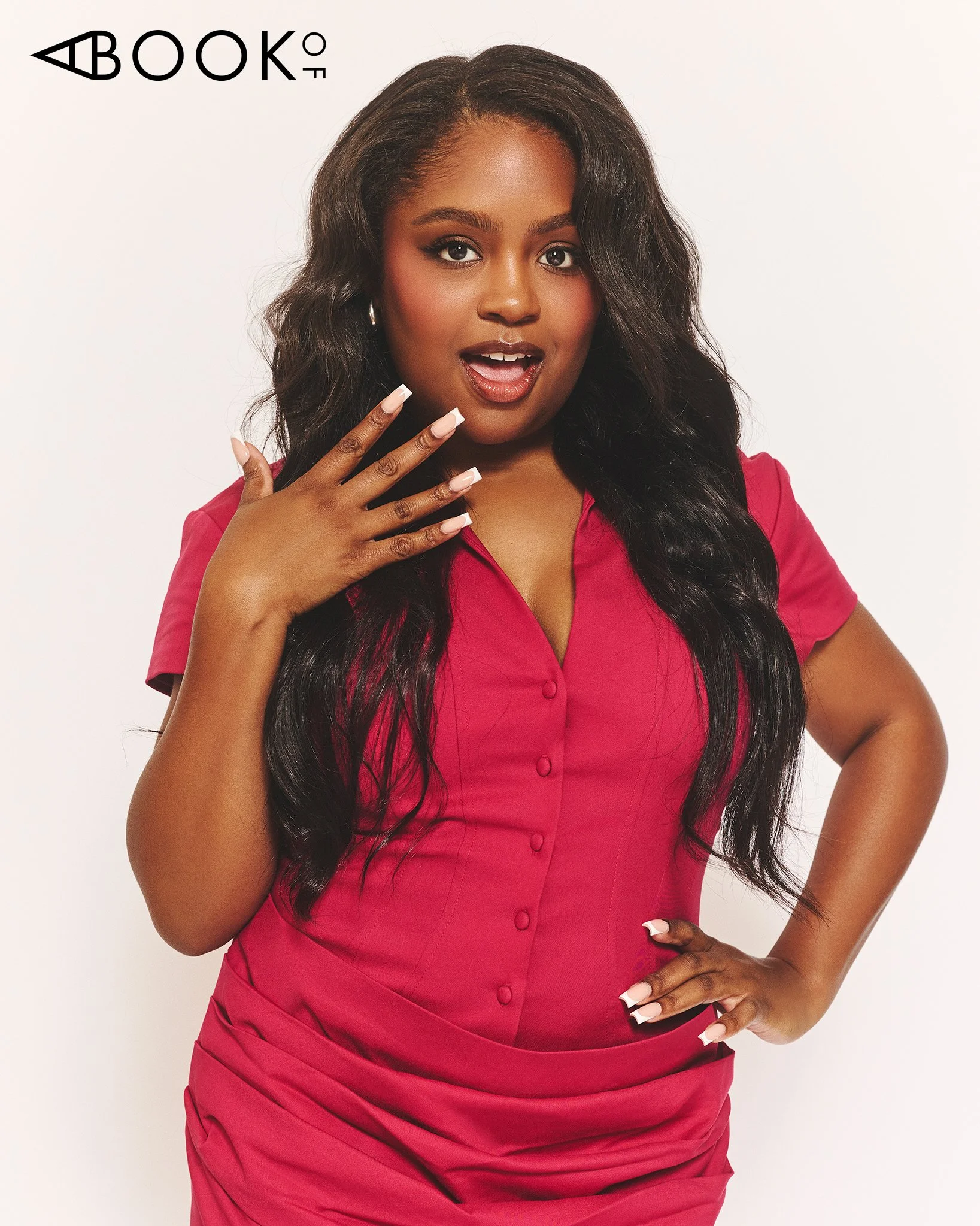
DARCEI GILES
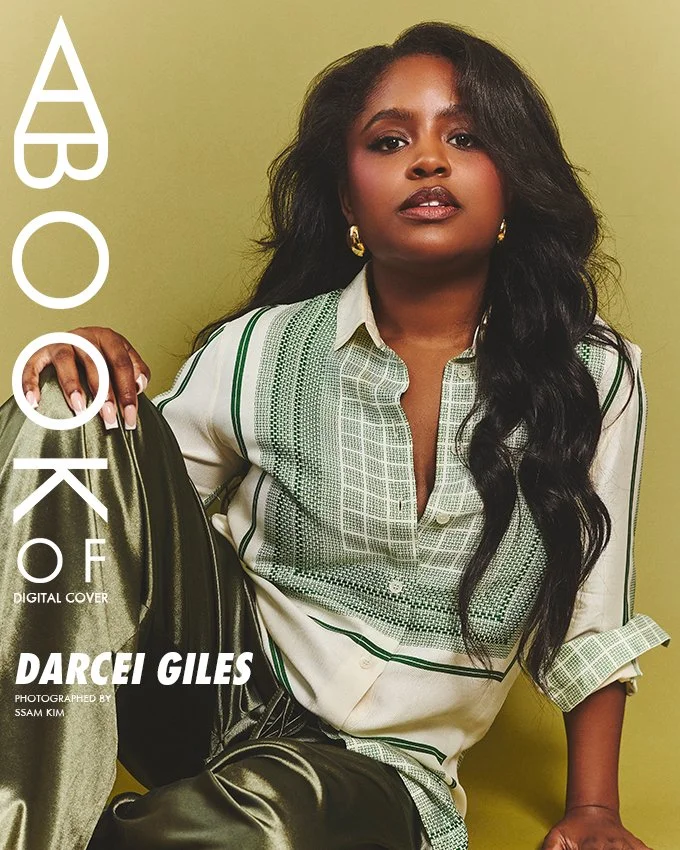
PHOTOGRAPHER: SSAM KIM
DARCEI GILES, better known as MissDarcei has always moved like someone who refuses to ask permission. Growing up in Ontario and now posted in Toronto, she fell hard for the drama, discipline, and high-gloss artistry of K-pop, K-dramas, and Korean beauty—an obsession that felt “expressive, emotional, and visually rich,” even as she clocked the obvious: she wasn’t seeing herself reflected back. Instead of shrinking, she expanded. Her early YouTube uploads weren’t a manifesto so much as a mood—pure curiosity, filmed in real time—until that curiosity became the point. “Black Girl Tries,” her now-signature series, didn’t arrive with a speech; it arrived with a quiet kind of rebellion: try the thing, wear the look, test the formula, tell the truth, keep it moving.
That honesty has teeth—and receipts. In 2022, she became the first Black creator to win the Streamy Award for Beauty, and she’s since helped reshape the K-beauty conversation from the inside: pushing for broader shade ranges with cult-favorite brand TIRTIR and collaborating with Parnell on a 40-shade Cicamanu Serum Foundation. Now, with major Korean beauty brands entering ULTA and K-beauty going truly global, Darcei is also building her next chapter—launching her own beauty brand, “built intentionally, inclusively, and thoughtfully.” But what makes her rare isn’t just the impact; it’s the way she stays human while holding the microphone. She doesn’t talk at her community—she talks with them. “I never position myself above my audience — I position myself with them,” she tells us, before landing the kind of line that feels like a mission statement disguised as a wink: “Impact doesn’t always look loud — sometimes it’s just telling the truth clearly and letting it land.”
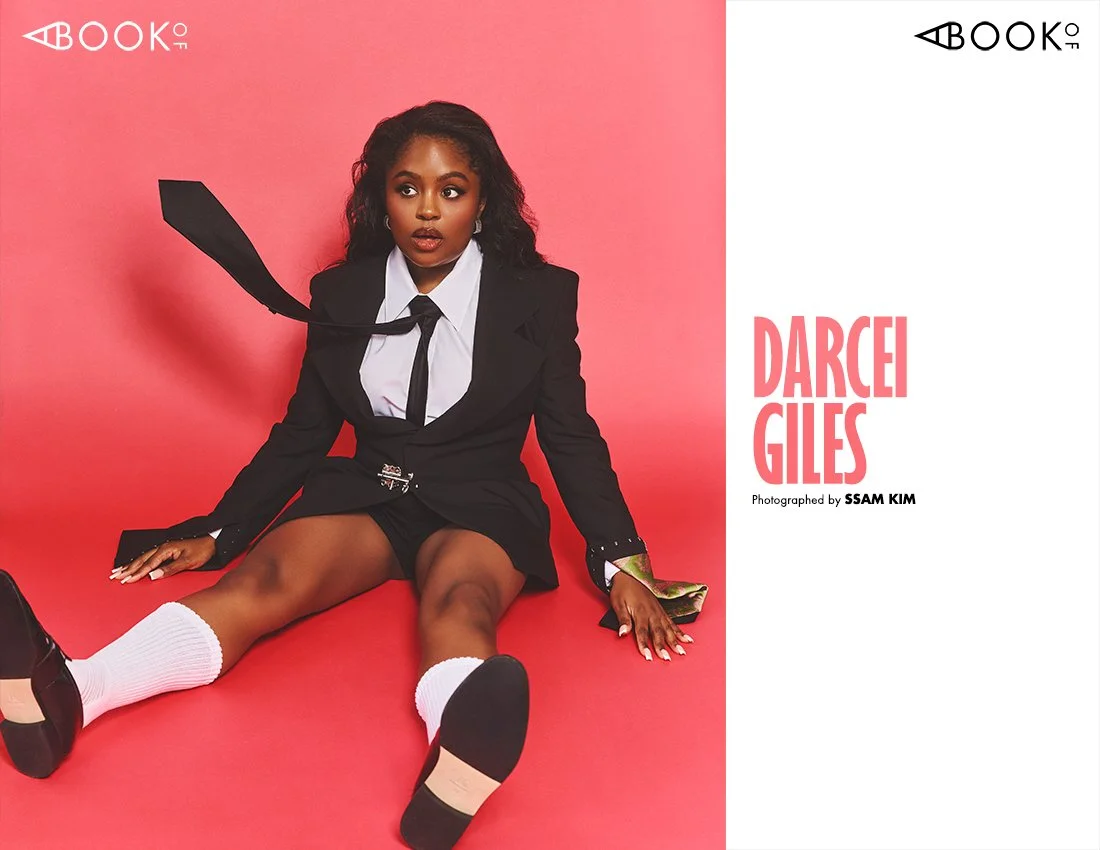
Growing up in Ontario (and now living in Toronto) what was it like discovering that world as a young Black woman?
Growing up in Canada, discovering K-pop, K-dramas, and Korean beauty felt like opening a door to a world that was expressive, emotional, and visually rich in a way I hadn’t seen before. As a young Black girl, it was both exciting and complicated. I loved the artistry, the storytelling, and the creativity, but I also noticed immediately that I didn’t see myself reflected in that space. That taught me that I didn’t have to erase parts of myself to love something, and that curiosity didn’t require permission. Those interests helped me see myself as someone who could exist across cultures, not confined to one box.
In your early YouTube days how did you reconcile that exploration with “Black girls can try anything”?
In the beginning, I didn’t have a mission statement, I was just experimenting. I was curious and trying things because I liked them. Over time, I realized that that curiosity was the message. “Black Girl Tries” came from the understanding that Black women are often told what spaces are or aren’t for us. By simply trying everything — trends, styles, products — without apology, I was quietly pushing back on that idea. The exploration was the point. It wasn’t about being good at everything; it was about having the freedom to try.
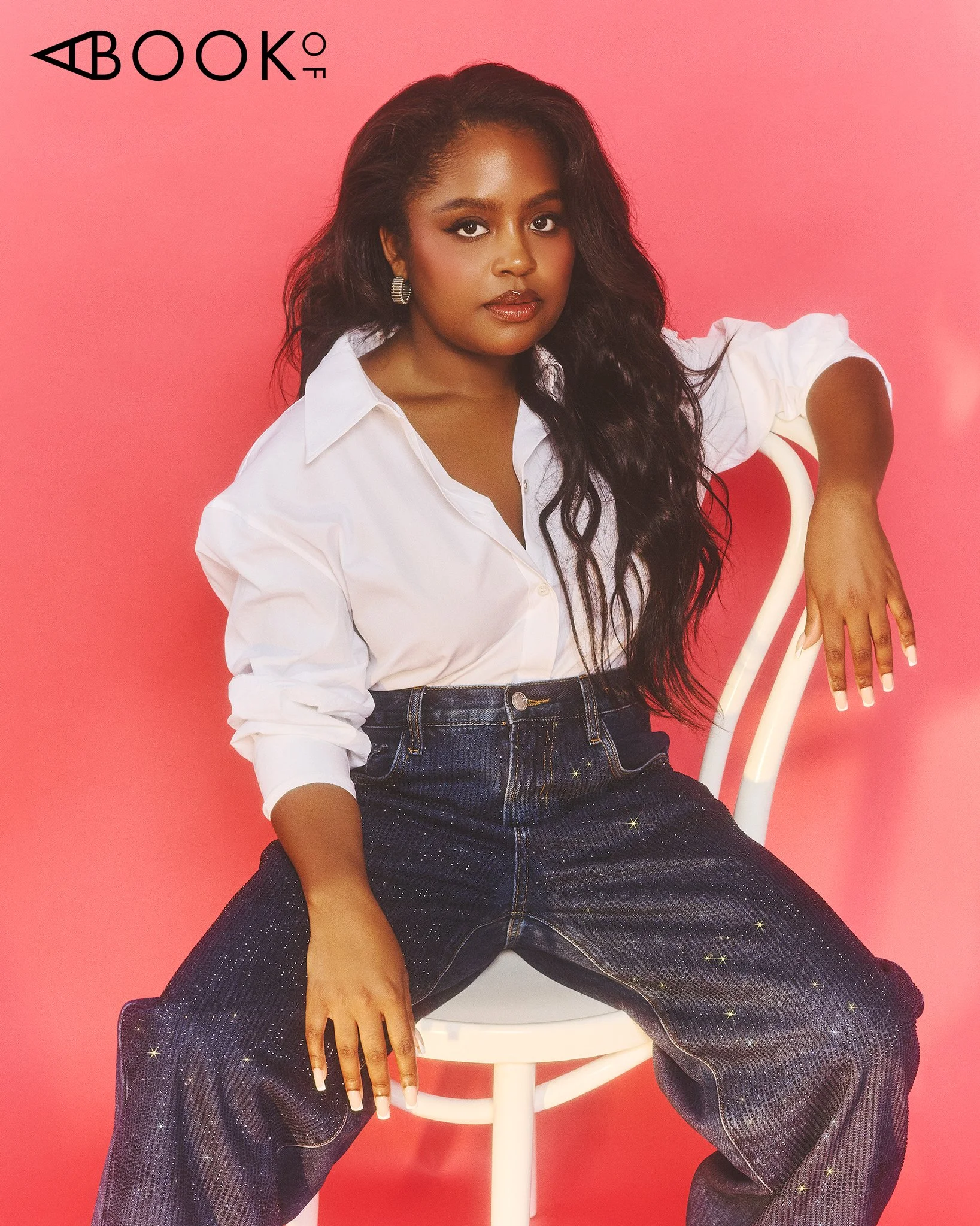
You’ve spoken about being told “K-beauty wasn’t for me” now you’re the face of a Korean beauty brand. How did that evolution feel?
I guess on the outside, it looked like a big “full circle” moment. Internally, it was more about closure. I remembered being told I didn’t belong, and then realizing that belonging isn’t something you’re granted, it’s something you build. Becoming the face of a Korean beauty brand didn’t feel like winning, it felt like expanding the definition of who that space could include.
When you shifted from part-time jobs to full-time creator what vulnerability surprised you most?
The biggest vulnerability was realizing that success doesn’t automatically bring security. When I worked retail, my time was limited but predictable. As a full-time creator, everything became personal — my creativity, my energy, my mental health. If I failed, it was because of me. If I was tired or overworked, it was because of me. I learned to pace myself, to build boundaries, and to stop tying my worth to output. Those lessons deeply inform how I approach my brand now.
When you recorded the video that catalysed TIRTIR’s shade expansion, did you imagine the ripple effect?
Not at all. I was just being honest (and having a little fun). Selfishly, I liked a foundation and wished it was darker so I could use it. I didn’t think one video would lead to tangible industry change. It made me realize how much responsibility comes with visibility. That moment showed me that impact doesn’t always look loud — sometimes it’s just telling the truth clearly and letting it land.
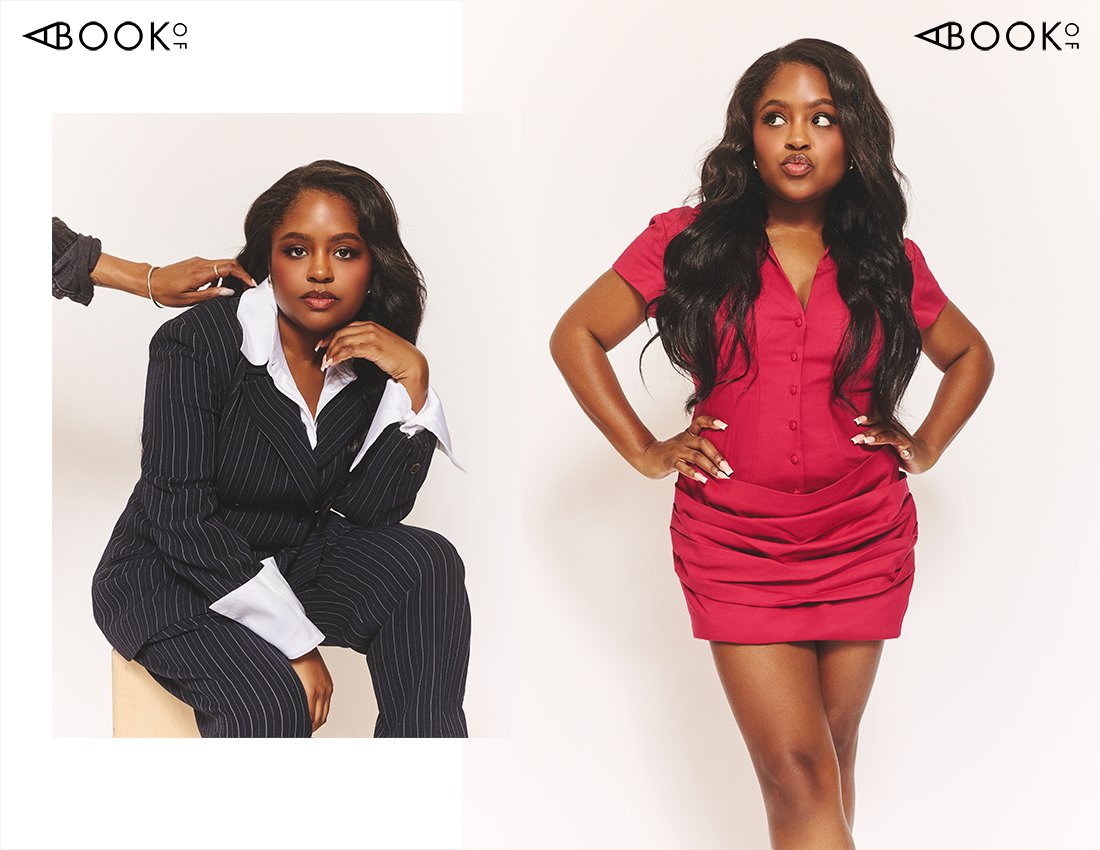
Working with Korean beauty brands like Parnell how did you ensure your voice was heard?
To many people’s surprise, I’ve found that Korean brands are the most open to what I have to say. They are eager to learn and open to new ideas so it wasn’t hard at all. I think that the impact that was happening spoke for itself. So, it honestly was a smooth and easy collaboration. Once brands saw that inclusivity wasn’t abstract but actionable, the conversation shifted.
How do you balance being ‘the authority’ while staying accessible to your community (“Potato Gang”)?
I never position myself above my audience — I position myself with them. Authority doesn’t come from pretending to know everything; it comes from being willing to learn publicly. Humor keeps me human, and vulnerability keeps me honest. Potato Gang knows that if I don’t know something, I’ll say it — and if I mess up, I’ll own it. That trust is everything.
Winning the 2022 Streamy Award did that recognition change things?
It changed my awareness more than my ambition. It made me more conscious of the doors that visibility can open — not just for me, but for others watching. Brands started taking me more seriously, but I also felt the weight of expectation. I manage that by staying rooted in why I started: curiosity, honesty, and joy. Awards don’t define the work — they reflect it.
Inclusivity is more than “just more shades.” can you share a nuance you hadn’t noticed before?
One moment that stood out was realizing how undertones and product textures can exclude people even when shades technically exist. Representation isn’t just about presence — it’s about performance. When I noticed that, I shifted from asking “Is there a shade?” to “Does this actually work?” and adjusted my content and conversations accordingly.
With K-beauty going global, what’s the biggest barrier now, and what's the next frontier?
The biggest barrier is mindset. Some older Korean brands still see inclusivity as a risk instead of an opportunity. The next frontier is normalization — where diverse skin tones aren’t a special collection, but the standard. I’m focused on helping brands build with inclusivity from the start, not as an afterthought.
Outside of beauty how do your creative outlets feed into your work?
Dance, books, and musical theatre keep me expressive and grounded. Being a fan of Wicked, for example, reinforces my love for transformation and narrative, which naturally shows up in how I approach beauty online.
What belief did you hold five years ago that you no longer have?
I used to believe that I was invisible and that what I said didn’t really matter. That shift came from experience, from watching the impact of simply showing up as myself over time.
What would you tell someone who wants to create content that matters?
I’d ask them, “what matters to you?”. Even if you think it’s something silly. Even if you aren’t sure of the answer. Creating content about what matters to you automatically creates content that matters.
One project you must do next year to deepen your impact?
Launching my own beauty brand — built intentionally, inclusively, and thoughtfully. Ownership is the next step in deepening impact, because it allows me to put everything I’ve learned into practice.
If you were a book, which book would you be, and why?
I’d be The Alchemist. It’s about trusting curiosity, following intuition, and realizing that the journey itself shapes who you become. That’s been my experience, in beauty and in life.